
 Save
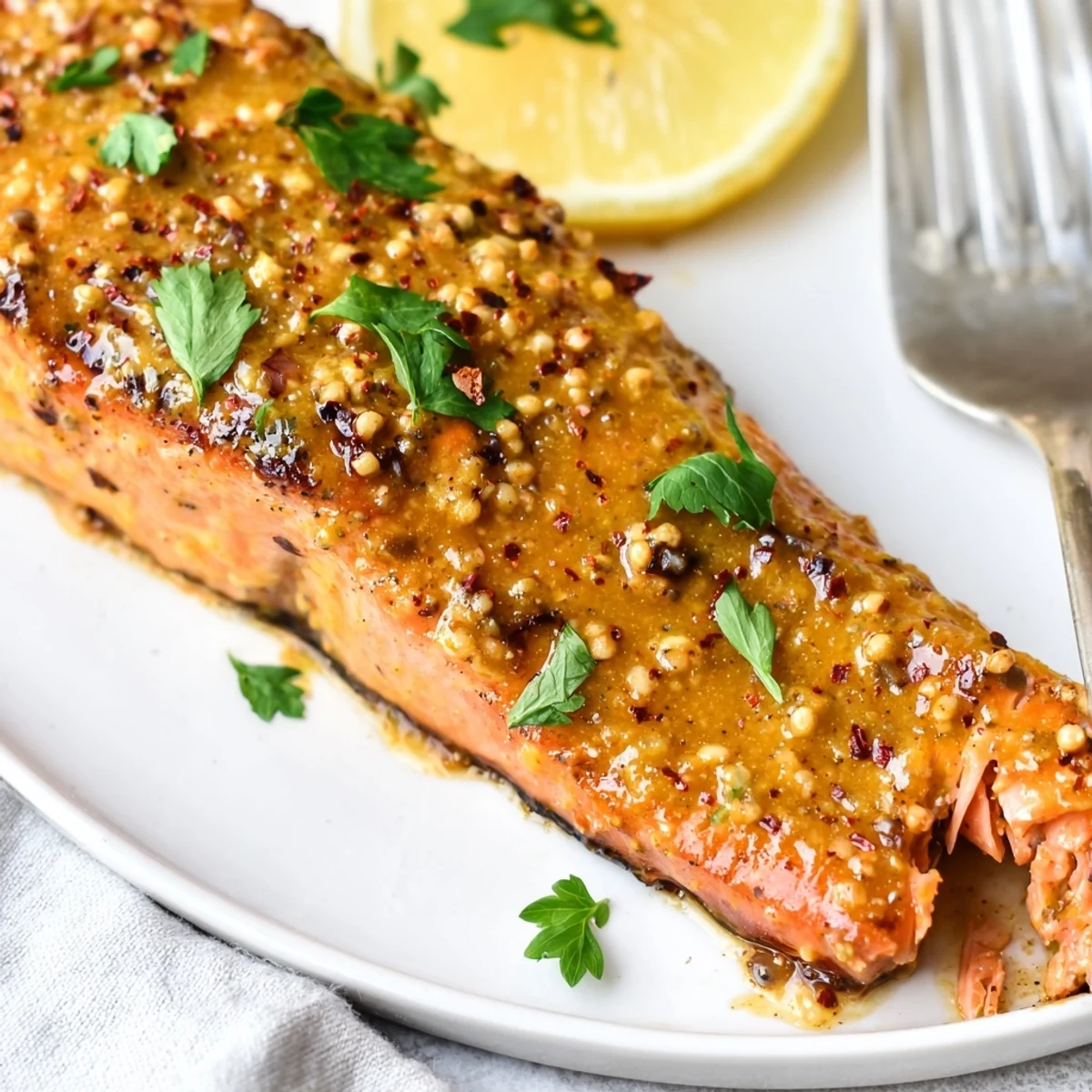
Save This baked honey mustard salmon brings together succulent fillets with a luscious glaze made from Dijon mustard, honey, whole grain mustard, and a hint of smoked paprika. Ready in just 25 minutes from start to finish, it's an ideal weeknight dinner that feels elegant enough for entertaining.
The glaze caramelizes beautifully in the oven, creating a golden crust over perfectly flaky fish. Serve it alongside roasted vegetables, fluffy rice, or a crisp salad for a complete meal that's both gluten-free and packed with protein.
The smell of honey caramelizing against mustard on a hot oven tray is one of those scents that makes everyone wander into the kitchen asking when dinner is ready. My apartment filled with it one rainy Tuesday when I had nothing planned and a pack of salmon sitting in the fridge. I threw together whatever condiments I had, crossed my fingers, and ended up with something that tasted like far more effort than ten minutes of work should allow. That dish has been on heavy rotation ever since.
I made this for my sister the night she moved into her first place, standing in a kitchen still full of unpacked boxes and a single working burner. We ate salmon off paper plates perched on cardboard boxes, and she still talks about it as the best housewarming dinner she has ever had.
Ingredients
- 4 salmon fillets (about 170 g each): Skin on gives you a crispy bottom, but skinless works beautifully too if you prefer to keep things simple.
- 3 tbsp Dijon mustard: This is the backbone of the glaze, providing a sharp, smooth heat that balances the sweetness.
- 2 tbsp honey: Any variety works, but a darker honey adds a richer depth to the finished glaze.
- 1 tbsp whole grain mustard: The little seeds add texture and pops of flavor that make each bite more interesting.
- 1 tbsp olive oil: Helps the glaze spread evenly and keeps the salmon moist underneath.
- 1 tbsp fresh lemon juice: Brightens everything and cuts through the richness of the fish.
- 2 garlic cloves, minced: Fresh garlic makes a noticeable difference here, so skip the jarred version if you can.
- 1/2 tsp smoked paprika: Adds a subtle, smoky warmth that makes people wonder what your secret ingredient is.
- Salt and freshly ground black pepper: Season the fish lightly before glazing and adjust to taste at the end.
- Fresh parsley and lemon wedges: For garnish, because we eat with our eyes first and a little green makes everything sing.
Instructions
- Get the oven hot:
- Preheat to 200 degrees Celsius (400 degrees Fahrenheit) and line a baking tray with parchment paper so nothing sticks.
- Build the glaze:
- In a small bowl, whisk together both mustards, honey, olive oil, lemon juice, garlic, smoked paprika, and a generous pinch of salt and pepper until smooth and glossy.
- Prep the salmon:
- Pat the fillets dry with paper towels, arrange them on the tray, and give them a light seasoning of salt and pepper so the glaze has something to grab onto.
- Slather generously:
- Spoon or brush the glaze over each fillet, letting it pool slightly around the edges where it will caramelize into something magical.
- Bake until perfect:
- Slide the tray into the oven for 12 to 15 minutes, watching for the moment the salmon flakes easily with a fork and the glaze turns golden and bubbling.
- Rest and finish:
- Let the fish rest for two minutes, then scatter chopped parsley over the top and serve with lemon wedges for squeezing.
 Save
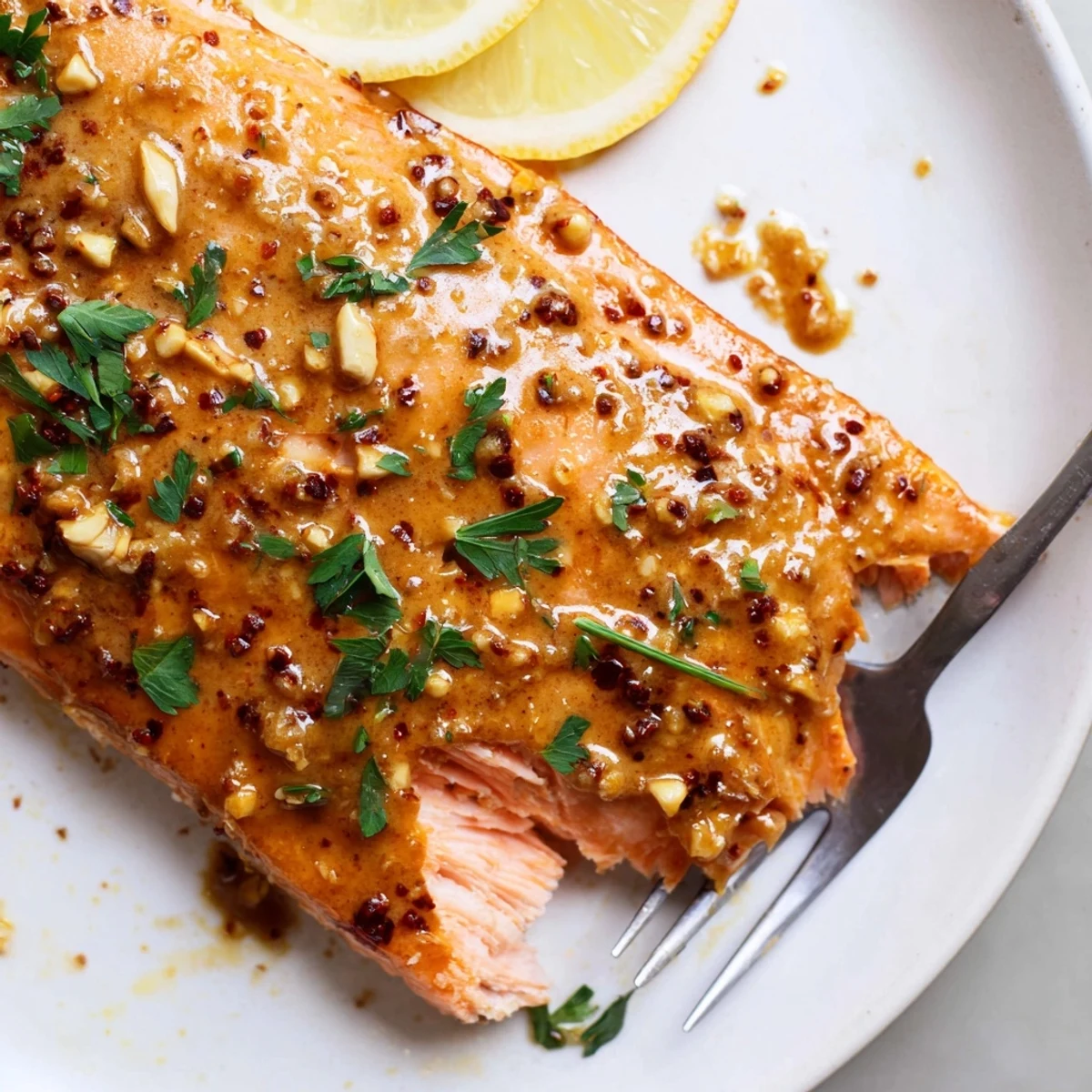
Save There is something about the way the glaze pools and caramelizes on the parchment paper that makes this feel like restaurant food made at home, and honestly that contrast is half the charm.
What to Serve Alongside
This salmon plays well with almost anything, but I keep coming back to roasted asparagus and a pile of steamed rice that soaks up the extra glaze. A simple arugula salad with olive oil and lemon also works when you want something green and peppery on the side.
Swaps and Adjustments
If you only have yellow mustard on hand, use it and add an extra squeeze of honey. A pinch of chili flakes in the glaze will give you a gentle heat that balances the sweetness in a completely different direction.
Storing and Reheating
Leftovers keep well in the fridge for up to two days and are excellent cold flaked over a salad. When reheating, go low and slow in the oven rather than using the microwave so the fish stays tender.
- Always check mustard labels if cooking for someone with allergies, as varieties and processing can vary.
- A pastry brush makes glazing easier but the back of a spoon works just fine.
- Let the salmon come to room temperature for about ten minutes before baking so it cooks evenly.
 Save
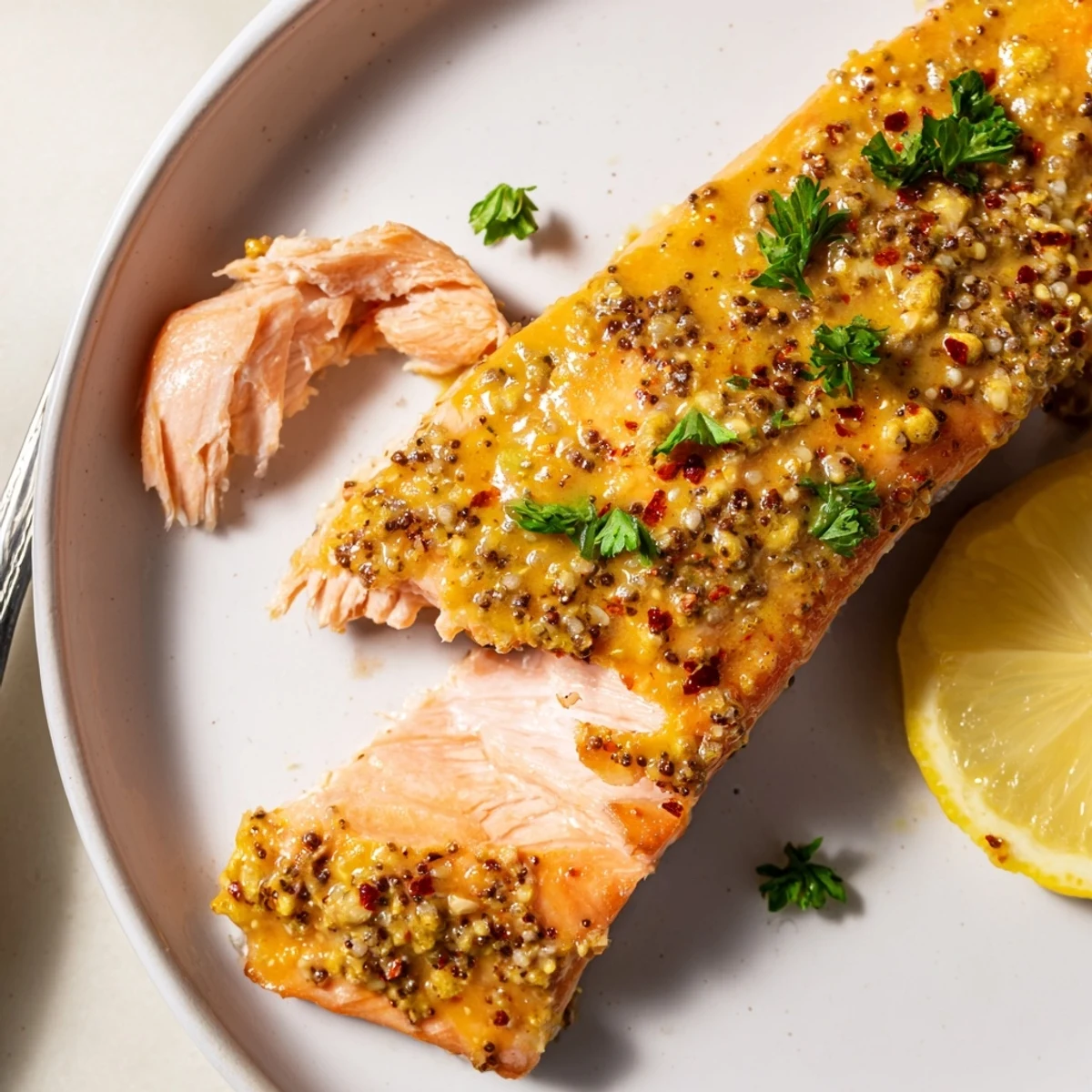
Save This is the kind of recipe that reminds you dinner does not need to be complicated to be memorable. Keep honey and mustard in your pantry and you are never far from something special.
Common Recipe Questions
- → What temperature should I bake salmon at?
-
Bake salmon at 200°C (400°F) for 12 to 15 minutes. The fish is done when it flakes easily with a fork and appears just cooked through in the center.
- → Can I use skinless salmon fillets?
-
Yes, both skin-on and skinless fillets work well. Skin-on fillets help retain moisture during baking, while skinless fillets allow the glaze to coat all surfaces evenly.
- → How do I get extra caramelization on the glaze?
-
After baking, switch the oven to broil for 1 to 2 minutes. Watch closely to avoid burning. This step creates a beautifully golden, slightly sticky crust on top of each fillet.
- → What side dishes pair well with honey mustard salmon?
-
Roasted vegetables like asparagus or Brussels sprouts complement the sweet and tangy glaze. Steamed rice, quinoa, or a fresh green salad with lemon vinaigrette also make excellent accompaniments.
- → Can I prepare the honey mustard glaze ahead of time?
-
Absolutely. Whisk all glaze ingredients together and store in an airtight container in the refrigerator for up to 3 days. Give it a quick stir before brushing over the salmon.
- → How do I know when the salmon is fully cooked?
-
The easiest method is the fork test — gently press the fish with a fork and it should flake apart easily. The internal temperature should reach 63°C (145°F) for food safety, and the flesh should look opaque rather than translucent.