
 Save
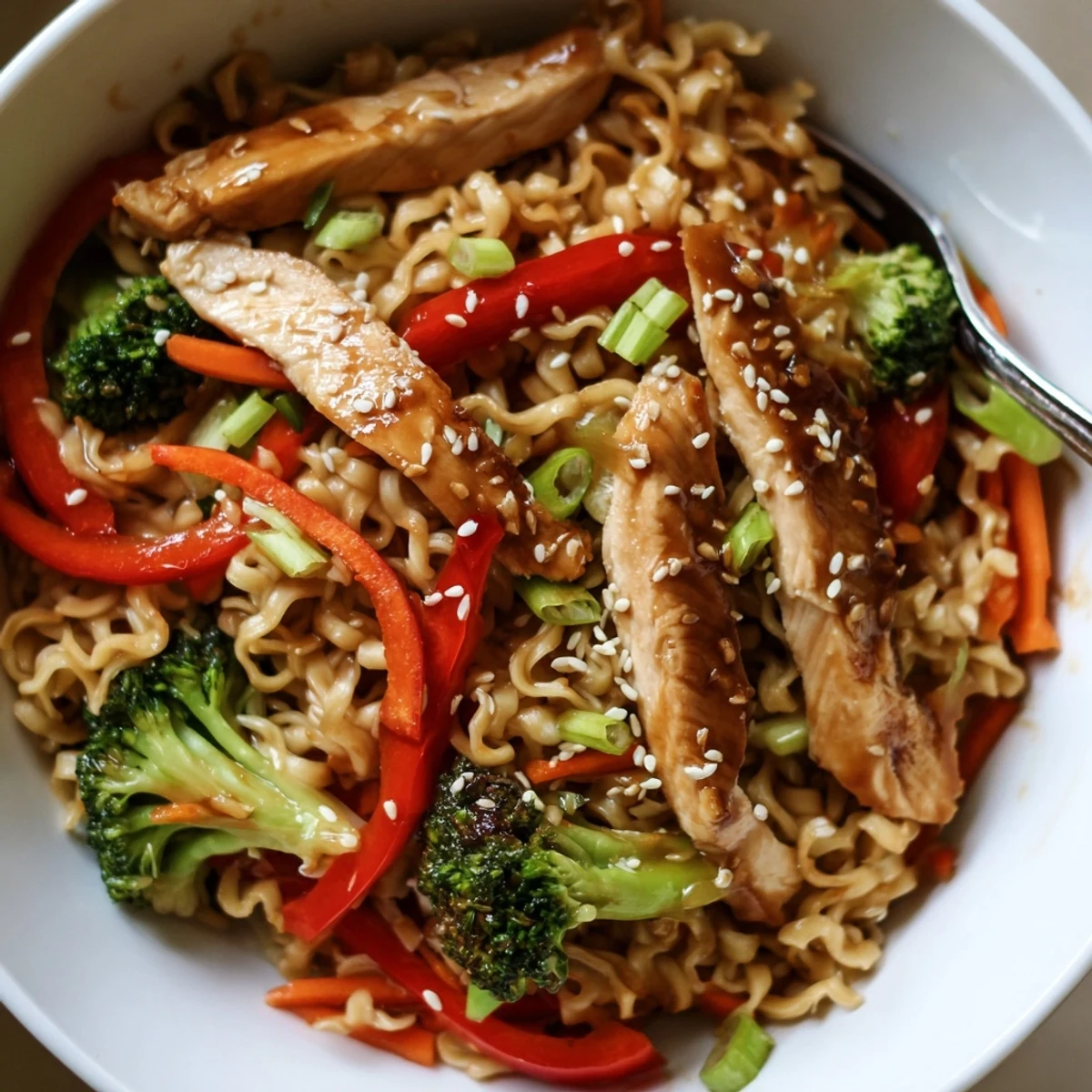
Save Ready in about 30 minutes: whisk soy, oyster, hoisin, honey and sesame oil into a glossy sauce. Boil ramen but drain a minute early and rinse to keep noodles springy. Sear thin chicken slices until browned, remove, then quickly sauté garlic and vegetables. Return chicken and noodles, add green onions and sauce, toss until evenly coated. Finish with sesame seeds; swap proteins or add snap peas and chili flakes to vary.
The wok was still screaming hot when I finally got the nerve to toss the noodles without a spatula, and half of them landed on the burner, which honestly made the kitchen smell amazing in a slightly charred way. That was a Tuesday night during a week where everything felt rushed and nothing was going right, until this stir fry pulled it all together in under thirty minutes. Chicken ramen stir fry became my answer to the eternal question of what to cook when you are tired but still want something that tastes like you tried hard.
My neighbor Dave knocked on my door one evening asking if I had any soy sauce, and I handed him a plate of this instead. He stood in the hallway eating it with chopsticks while his dog circled his ankles, and he did not say a word until the plate was empty. That silent approval from a guy who normally only talks about lawn care told me everything I needed to know about this dish.
Ingredients
- 2 boneless, skinless chicken breasts, thinly sliced: Slicing against the grain while the chicken is still slightly frozen gives you those perfect thin strips that cook fast and stay tender.
- 1 red bell pepper, thinly sliced: The sweetness balances the salty depth of the sauce, and the color makes everything look vibrant on the plate.
- 1 cup broccoli florets: Cut them small so they soak up more sauce and cook through without turning mushy.
- 1 carrot, julienned: Adds a slight crunch and a hint of sweetness that rounds out each bite.
- 3 green onions, sliced: Tossed in at the end so they stay bright and fresh, not wilted and forgotten.
- 2 cloves garlic, minced: Fresh garlic makes a noticeable difference here, so please skip the jarred stuff for this one.
- 2 packs instant ramen noodles, seasoning packets discarded: Those little seasoning packets are not needed at all, the homemade sauce does all the heavy lifting.
- 1/4 cup low-sodium soy sauce: Low-sodium lets you control the salt level without losing that deep umami backbone.
- 2 tablespoons oyster sauce: This is the secret weapon that gives the sauce its glossy, restaurant-quality finish.
- 1 tablespoon hoisin sauce: A touch of sweetness and complexity that pulls all the flavors together.
- 1 tablespoon honey: Helps the sauce caramelize slightly when it hits the hot wok, creating those irresistible sticky edges.
- 1 teaspoon sesame oil: Just a teaspoon is enough to give that nutty, toasty aroma that makes everything taste distinctly Asian fusion.
- 2 tablespoons vegetable oil: Used in two stages, first for the chicken and then for the vegetables, so nothing sticks and everything gets a good sear.
- 1 tablespoon sesame seeds: Purely optional but they add a nice visual finish and a gentle crunch on top.
Instructions
- Whisk the Sauce Together:
- Combine the soy sauce, oyster sauce, hoisin, honey, and sesame oil in a small bowl and give it a good whisk until the honey dissolves completely. Set it near the stove because things move quickly once you start cooking.
- Cook the Ramen Noodles:
- Boil the noodles according to the package directions but pull them one minute early so they stay slightly chewy. Rinse immediately with cold water to stop the cooking and keep them from turning into a gummy clump.
- Sear the Chicken:
- Heat one tablespoon of vegetable oil in your wok or large skillet over medium-high heat until it shimmers, then add the sliced chicken in a single layer. Let it sit undisturbed for a minute to get some color before stirring, then cook until browned all over and no longer pink inside, about four to five minutes total, then remove to a plate.
- Stir-Fry the Vegetables:
- Add the remaining oil to the same pan and toss in the garlic, bell pepper, broccoli, and carrot, stirring constantly so the garlic does not burn. Cook for three to four minutes until the vegetables are just tender but still have some bite left in them.
- Bring It All Together:
- Return the chicken to the pan, add the drained noodles and green onions, then pour the sauce over everything. Toss vigorously for two to three minutes until every noodle is coated and glistening and the whole kitchen smells incredible.
- Serve and Garnish:
- Transfer to plates or bowls immediately while still piping hot and scatter sesame seeds over the top if you are using them. This dish waits for no one, so call everyone to the table before you plate it.
 Save
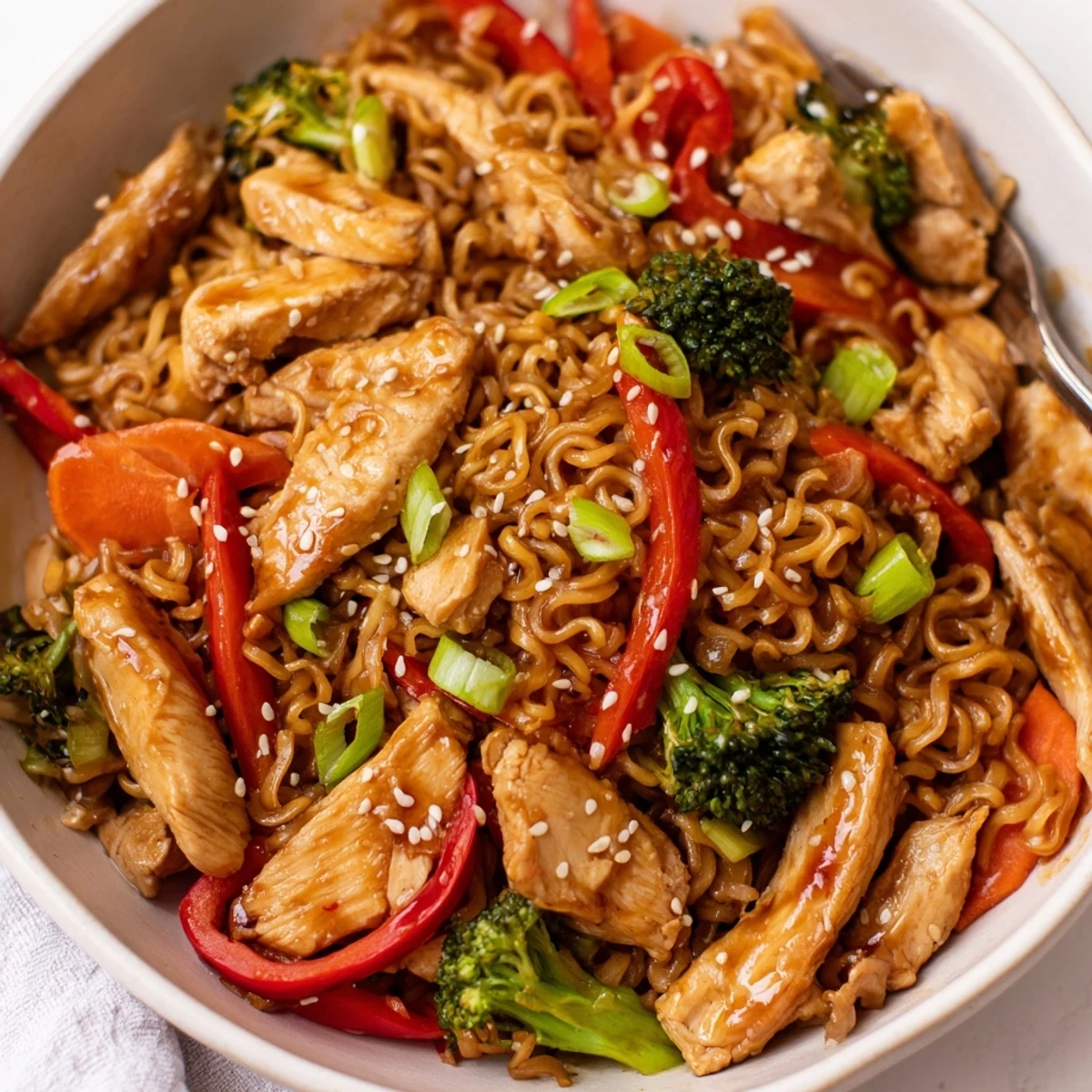
Save There is something about a wok full of sizzling noodles that turns an ordinary weeknight into a small event worth paying attention to. The sound alone, that aggressive crackle when the sauce hits hot metal, is enough to make anyone wander into the kitchen asking when dinner is ready.
Swaps and Additions
Tofu or shrimp slide right into this recipe without any fuss, just adjust the cooking time accordingly. Snow peas, sliced mushrooms, or a handful of bean sprouts tossed in with the other vegetables are also welcome additions that bulk up the dish without much extra effort.
Bringing the Heat
A pinch of chili flakes or a drizzle of sriracha stirred into the sauce transforms the whole personality of this dish from comforting to electric. I discovered this accidentally when I knocked a jar of red pepper flakes over the pan and decided to just go with it, and now I do it on purpose every single time.
What to Serve Alongside
A glass of cold Riesling or a light lager matches perfectly with the salty sweetness of the sauce and cuts through the richness just enough. For a non-alcoholic option, sparkling water with a squeeze of lime does the same refreshing job.
- Keep leftover noodles in an airtight container in the fridge for up to three days and reheat in a skillet with a splash of water to loosen the sauce.
- If you need a gluten-free version, swap in rice noodles and use tamari instead of regular soy sauce.
- Double the sauce recipe if you like things extra saucy, you will not regret having a little extra to drizzle over rice the next day.
 Save
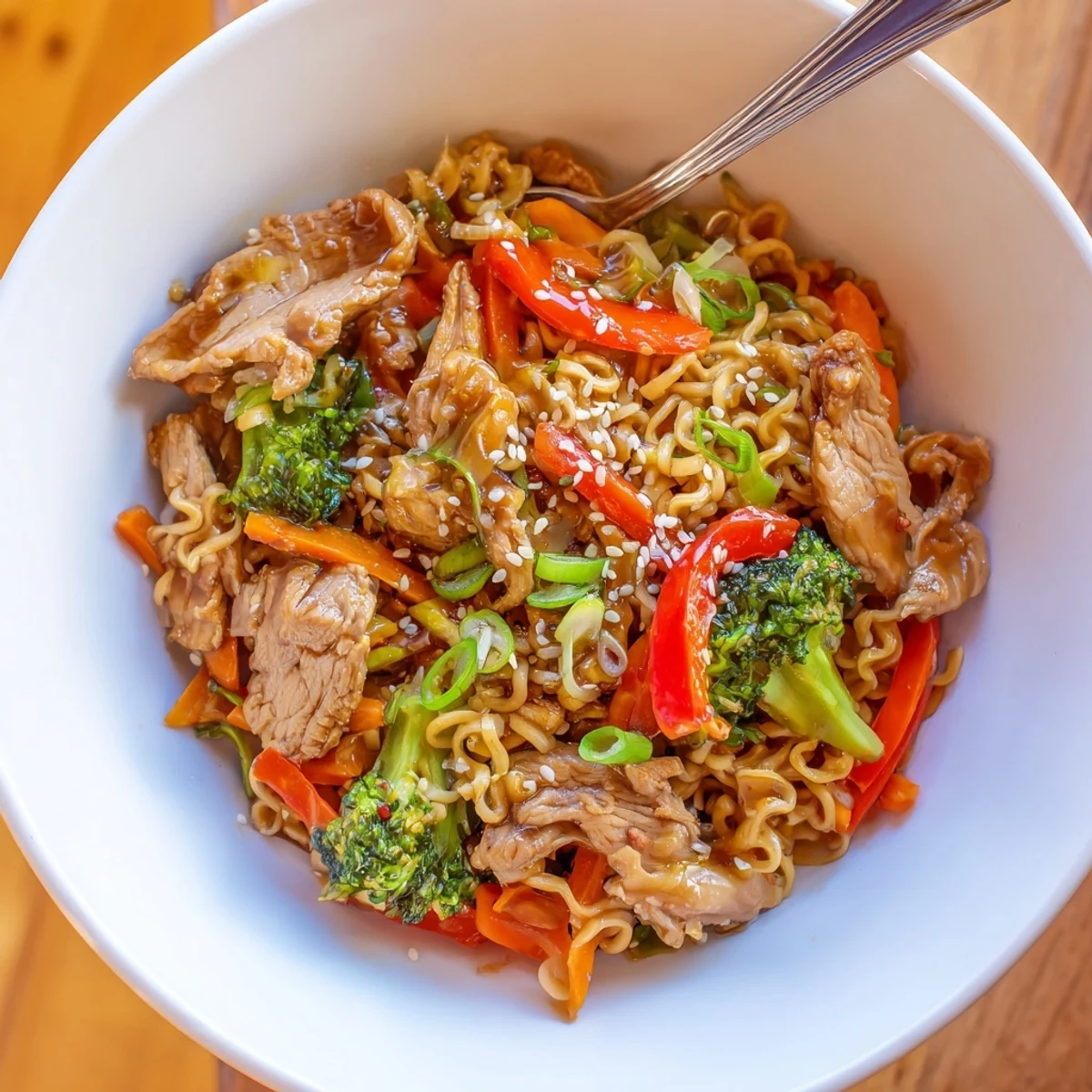
Save This is the kind of recipe that earns a permanent spot in your rotation because it asks for almost nothing and gives back everything. Make it once and you will find yourself reaching for those ramen packets on autopilot every time a busy weeknight rolls around.
Common Recipe Questions
- → How should I cook the ramen for stir-fry?
-
Boil the noodles until just shy of al dente, drain and rinse under cold water to stop cooking. This keeps them springy and prevents overcooking when tossed in the pan.
- → How do I prevent the noodles from sticking together?
-
Rinse the noodles after draining, toss with a little sesame or vegetable oil, and separate them gently with tongs when adding to the hot pan so they coat evenly with sauce.
- → What vegetables work best in this stir-fry?
-
Quick-cooking, colorful vegetables are ideal: bell peppers, broccoli florets, julienned carrot and green onions keep texture and bright flavor. Snow peas or snap peas also add a crisp bite.
- → Can I change the protein or make it vegetarian?
-
Yes. Swap the chicken for firm tofu, tempeh, or shrimp. For tofu, press and pan-sear until golden to maintain texture and absorb the sauce.
- → How can I adjust the sauce for more depth or spice?
-
Increase hoisin for sweetness, add a splash of rice vinegar for brightness, or stir in chili flakes, sriracha or a touch of sambal for heat. Taste and adjust soy for saltiness.
- → Is there a gluten-free option?
-
Use gluten-free noodles (rice noodles or certified gluten-free ramen) and substitute tamari for soy sauce; check oyster sauce labels or omit it to avoid hidden gluten.