
 Save
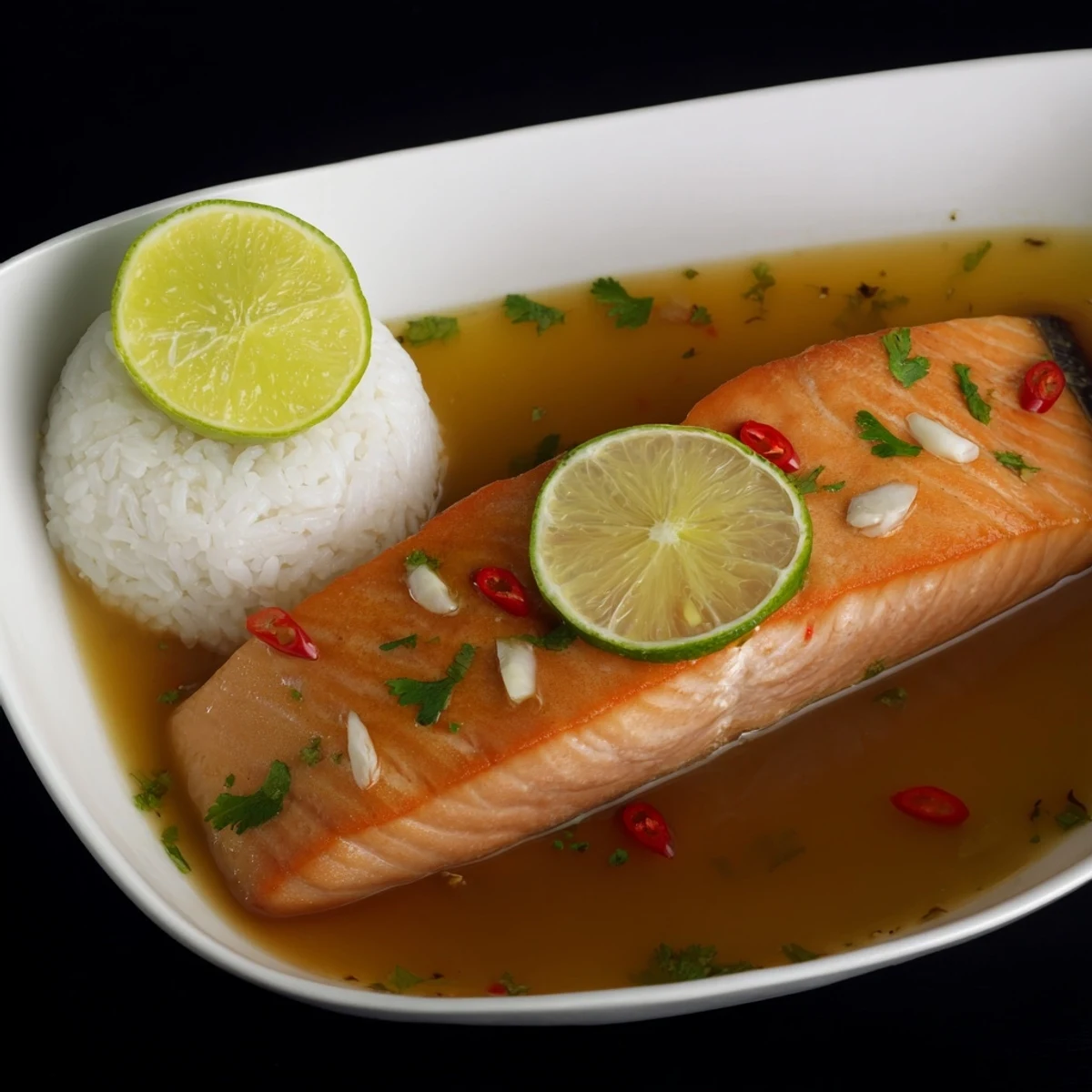
Save Silky salmon fillets are gently poached in a fragrant coconut-lime broth infused with ginger, garlic and a touch of fish sauce. A brief, gentle simmer keeps the fish tender while citrus and fresh herbs lift the rich coconut. Ready in about 30 minutes, serve with jasmine rice or noodles, garnish with cilantro and spring onions, and add chili or extra vegetables to taste. Leftovers keep 2 days refrigerated; reheat gently to preserve texture.
For me, the most irresistible part about coconut-lime poached salmon is that waft of citrusy steam as you lift the lid mid-poach. The first time I tried it, the kitchen filled with the perfume of ginger, lime zest and creamy coconut all at once—I nearly forgot I still had to plate dinner. There’s something so joyful about how quickly everything comes together, and even after a long day, this dish can coax me back into a calm, easy rhythm. It’s the soundtrack of simmers and spoon-clinks, not the sizzle and fuss, that makes this meal a keeper for me.
I cooked this for a friend on a rainy Thursday evening—her umbrella dripped by the door as she arrived hungry, and by the time the salmon was plated, the kitchen felt like a little summer oasis. I remember us giggling about how the limey broth cut straight through the gloom. That dinner became a tradition in our circle, repeated whenever any of us needed a lift. And every time, someone asked for the recipe before scraping their bowl clean.
Ingredients
- Salmon fillets: Go for the freshest fillets you can find, and let them come to room temperature to keep the poaching gentle.
- Onion: Thinly sliced onion turns meltingly sweet in the broth; a sharp knife makes quick, even slices.
- Garlic: Just two cloves, but mincing them finely ensures even flavor without harshness.
- Ginger: Fresh ginger gives a lift—use a spoon to peel it easily before grating.
- Red chili (optional): Adjust for heat; if you skip the seeds you’ll get zing without a burn.
- Coconut milk: Full-fat makes the broth creamy and luxe, and be sure to shake the can well before opening.
- Chicken or vegetable broth: Either works, but I like low-sodium to balance the seasonings.
- Lime zest and juice: Zest before juicing, and roll the limes to release more juice.
- Fish sauce: Just a tablespoon gives deep savor—don’t worry, it won’t taste fishy.
- Soy sauce or tamari: For an umami boost; tamari keeps it gluten-free if needed.
- Sugar or honey: A tiny bit rounds out the acidity—taste as you go.
- Fresh cilantro: Sprinkle at the end for color and brightness.
- Lime wedges: Essential for serving; they add fresh zing to each bite.
- Spring onions: Scatter sliced on top for crunch and a pop of green.
- Jasmine rice or rice noodles: Not required, but perfect for soaking up all that broth.
Instructions
- Sauté the aromatics:
- Heat a splash of oil in your deep skillet, then add onion, garlic, ginger, and red chili if you’re using—stir until they smell sweet and softened, about 3 minutes.
- Add the poaching liquid:
- Pour in the coconut milk (give it a stir), broth, lime zest, lime juice, fish sauce, soy sauce, and sugar or honey; let it come up to a gentle simmer so the flavors have time to mingle.
- Poach the salmon:
- Lower salmon fillets into the bubbling coconut bath, cover, and let them gently poach over low-medium heat for 10–12 minutes until they’re barely blushing and flake when nudged with a fork.
- Adjust seasoning:
- Taste the broth and adjust salt, lime, or chili to your liking—this is your moment to make it sing.
- Serve and garnish:
- Ladle fish and broth over rice or noodles, scatter with chopped cilantro, spring onions, and squeeze with fresh lime at the last second for bright finish.
 Save
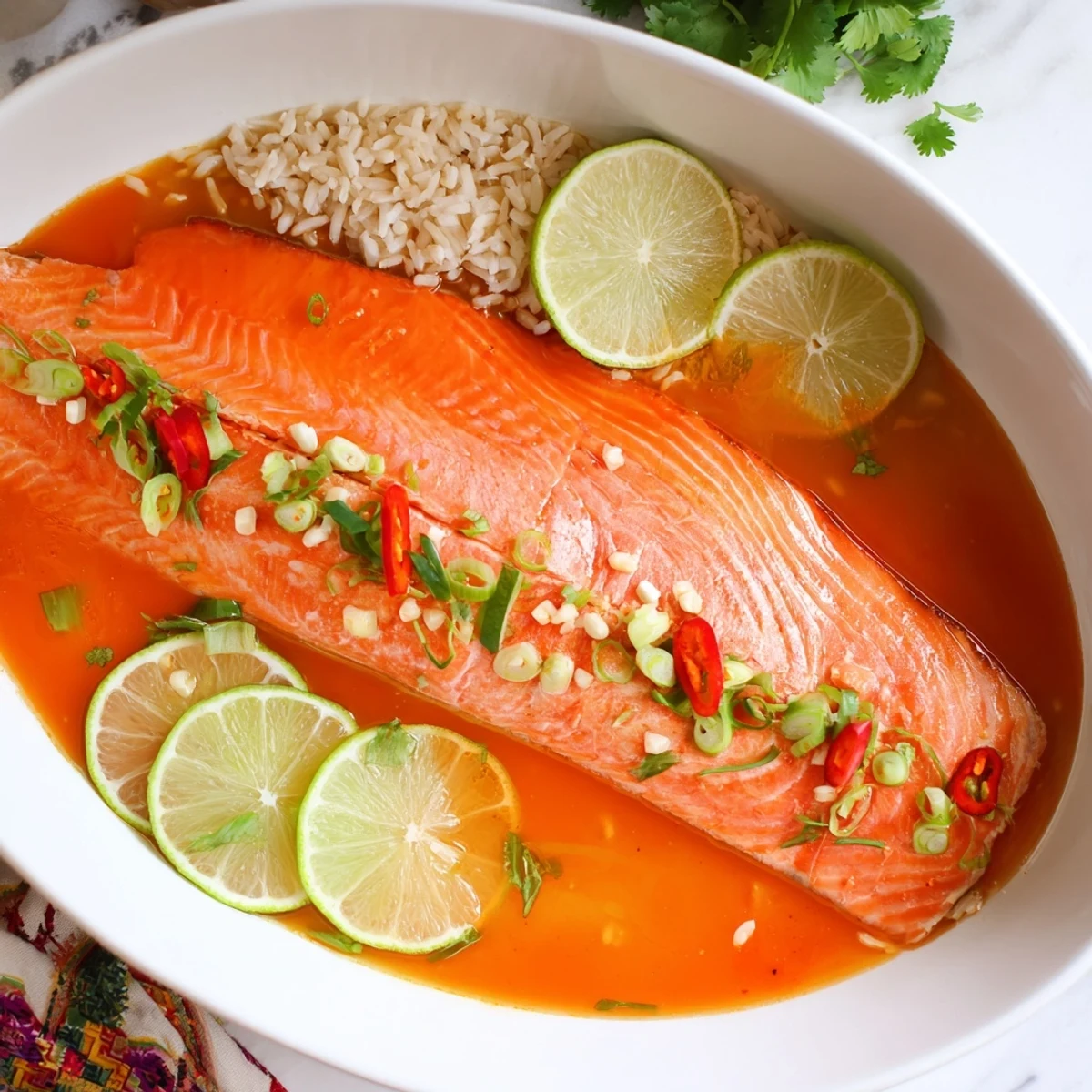
Save The night this salmon became comfort food for me, I was home alone, rain pelting the windows, and the only thing that could lift my mood was a bright, zesty dinner in my favorite bowl. I set the table just for myself, topped with a little extra lime, and found the act of eating it quietly every bit as nourishing as the meal itself.
Timing Makes All the Difference
Resist the temptation to leave the salmon poaching unattended—those last couple minutes matter for perfect, tender fish. I usually hover nearby, chopping garnishes or checking my rice so I don’t forget the crucial timing and wind up with dry fillets.
Swapping Vegetables and Serving Ideas
Sometimes I toss handfuls of bell peppers, snap peas, or baby spinach into the broth to add color and crunch. It’s also lovely with rice noodles instead of jasmine rice, especially when you want something lighter or gluten-free.
Kitchen Tools That Make It Easier
A wide deep skillet lets the fillets nestle without crowding, and makes spooning up broth a breeze. I underestimated how much a sharp knife speeds up prepping onion and ginger until I finally upgraded mine.
- Have all your ingredients prepped before heating the pan so nothing scorches.
- Use a microplane for easy ginger and lime zesting—it’s worth it.
- Be gentle when moving the salmon, as it becomes silky-soft while poaching.
 Save
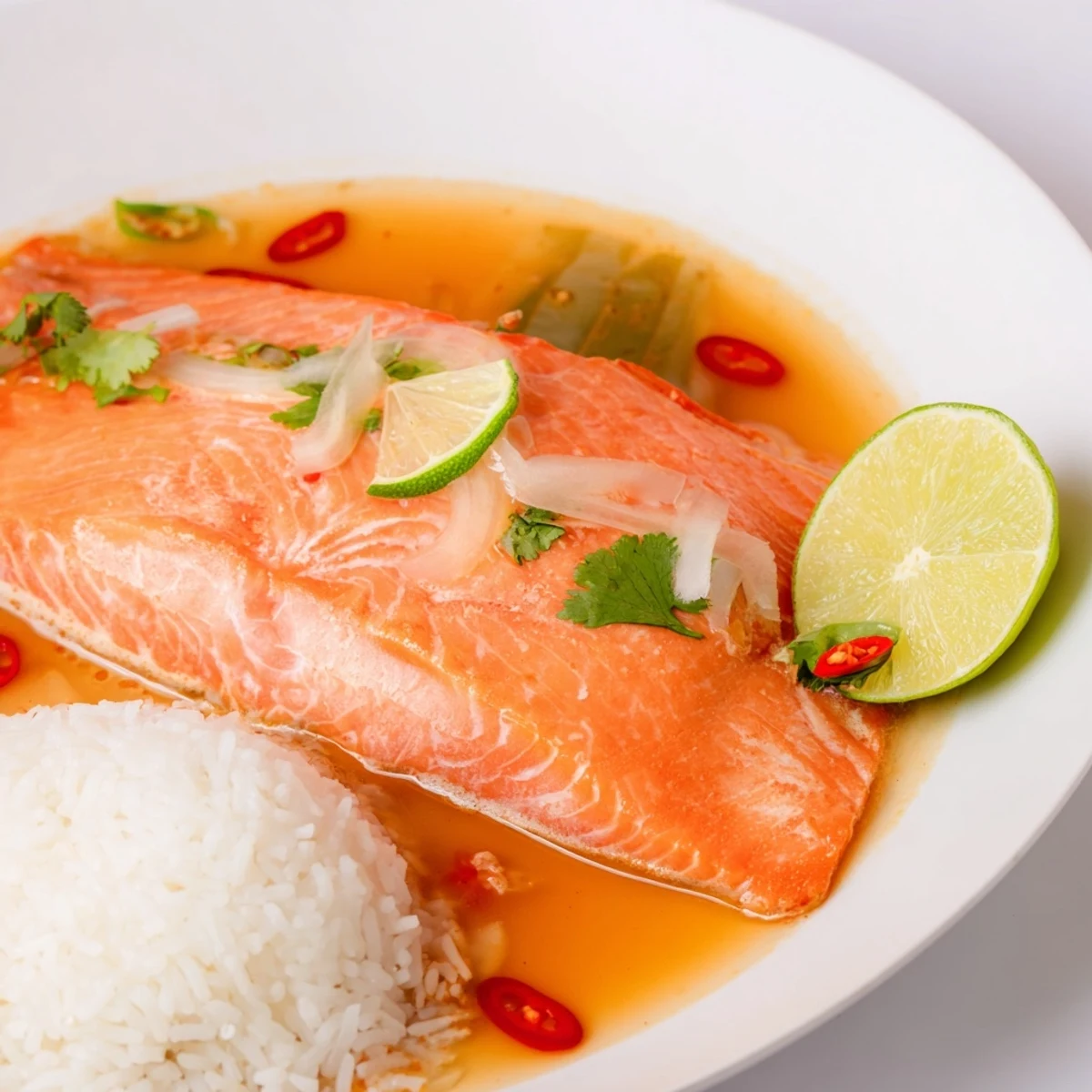
Save Don’t be surprised if this coconut-lime poached salmon turns an ordinary night into something that feels a little bit special. Here’s to creamy broth, happy company, and suppers that linger well after the plates are cleared.
Common Recipe Questions
- → How long should I poach the salmon?
-
Poach over low-medium heat for 10–12 minutes depending on thickness. The fish is done when it flakes easily and feels just set in the center.
- → Can I use skin-on salmon fillets?
-
Yes. Leave the skin on and place fillets skin-side down in the poaching liquid; cook a minute or two longer if needed and remove the skin before serving if preferred.
- → What can I substitute for fish sauce?
-
Use soy sauce or tamari for a similar savory depth, or coconut aminos for a soy-free option. Adjust salt to taste since levels vary.
- → How do I prevent the coconut milk from separating?
-
Keep the liquid at a gentle simmer rather than a boil and use full-fat coconut milk. Adding the lime juice off heat or toward the end helps maintain a smooth broth.
- → What should I serve alongside the dish?
-
Serve with jasmine rice or rice noodles to soak up the broth. Steamed greens, snap peas, or a simple cucumber salad provide fresh contrast.
- → Can I add vegetables to the poach?
-
Yes—sliced bell peppers, snap peas, or baby bok choy work well. Add firmer vegetables earlier and delicate ones toward the last few minutes so everything finishes evenly.