
 Save
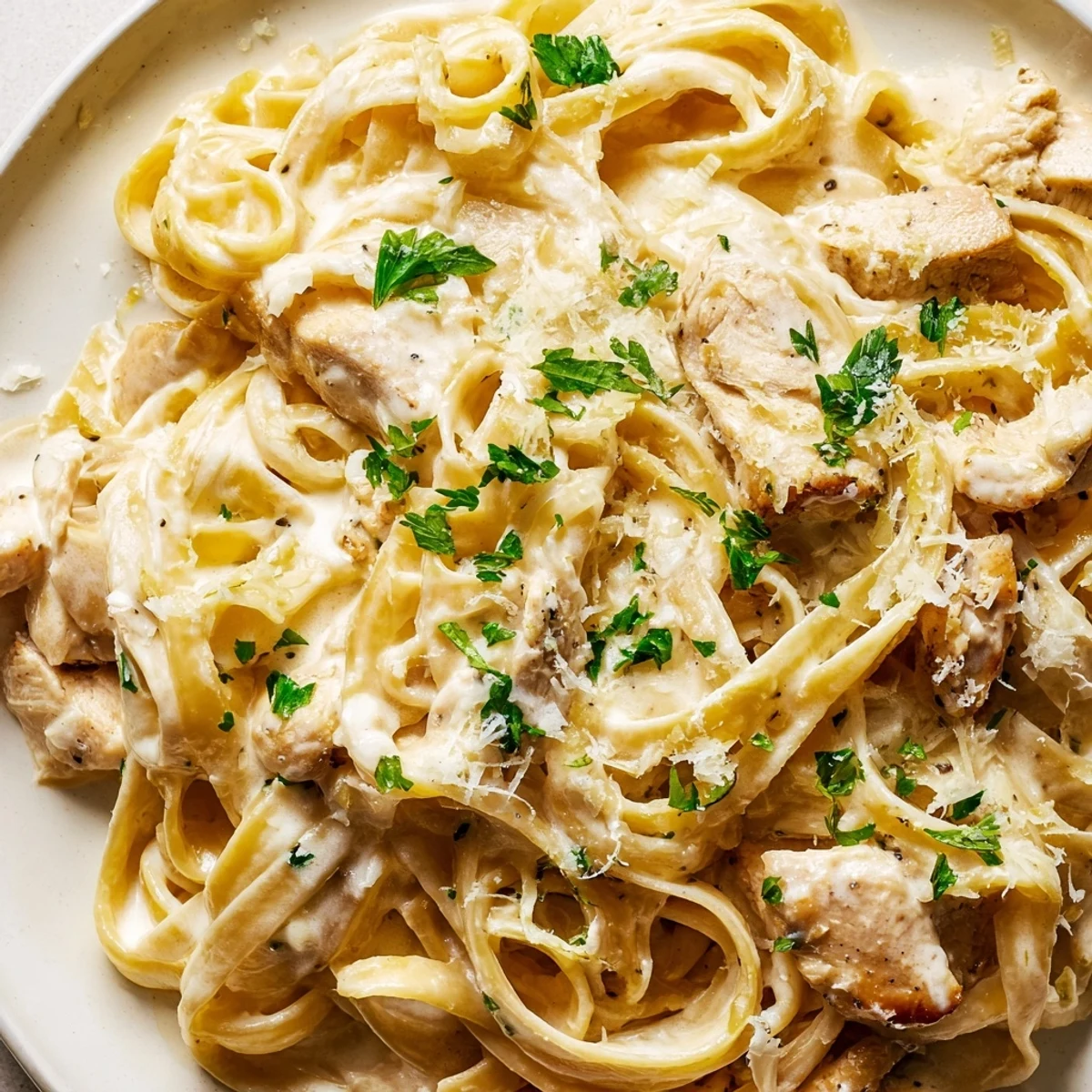
Save This creamy garlic Parmesan chicken pasta brings together golden pan-seared chicken breast, al dente fettuccine, and a luscious homemade cream sauce loaded with fresh Parmesan and aromatic garlic.
Ready in just 40 minutes with simple pantry ingredients, it's an easy yet impressive Italian-American dish that serves four. The sauce comes together in the same skillet used for the chicken, building layers of flavor with every step.
Finish with a sprinkle of fresh parsley and extra Parmesan for a satisfying meal the whole family will love.
The smell of garlic hitting butter in a hot pan is my personal version of a therapy session, and this creamy garlic Parmesan chicken pasta is the reason why. One rainy Tuesday evening, with nothing in the fridge but chicken breast and half a block of Parmesan, I threw this together on a desperate whim. My roommate walked in, took one bite, and declared it better than the Italian place down the street. I have been making it every week since, tweaking little things along the way until it became the dish I know by heart.
I once made a triple batch of this for a friend who had just had a baby, and she texted me at midnight saying she ate the entire container cold, standing in front of the fridge. There is something about the way the Parmesan melts into the cream that makes people lose all restraint. It is the kind of dish that turns a regular dinner into an event without any real effort.
Ingredients
- Chicken breasts: Two large boneless skinless breasts, thinly sliced so they cook quickly and stay tender, are the heart of this dish and you want them uniform in thickness for even browning.
- Pasta: Fettuccine is classic because the flat noodles carry the sauce beautifully, but penne works great too if that is what you have on hand.
- Butter: Two tablespoons of unsalted butter give the sauce base a richness that oil alone cannot match.
- Heavy cream: This is what makes the sauce luxuriously thick, and you should not substitute with half and half or it will break and feel watery.
- Parmesan cheese: Always grate it fresh from a block because the pre grated kind has anti caking agents that make the sauce grainy instead of silky.
- Whole milk: A splash of whole milk loosens the sauce just enough so it coats rather than clumps.
- Garlic: Four cloves minced fine may sound like a lot but mellowed in butter it becomes sweet and gentle, not aggressive.
- Onion: One small onion finely chopped adds a base note of sweetness that rounds out the garlic beautifully.
- Olive oil: Used for searing the chicken and gives the outside a gorgeous golden crust.
- Italian herbs: Half a teaspoon of dried Italian herbs is optional but adds a subtle complexity that people will notice without being able to name.
- Salt and pepper: Season at every stage, not just at the end, because layered seasoning is what separates a good dish from a great one.
- Fresh parsley: Just for garnish but it adds a bright pop of color and freshness that cuts through all that richness.
Instructions
- Get the pasta going:
- Bring a large pot of well salted water to a rolling boil and cook your pasta according to the package until just al dente. Before you drain it, scoop out half a cup of that starchy pasta water and set it aside because it is liquid gold for your sauce later.
- Season and sear the chicken:
- While the pasta cooks, season your sliced chicken generously with salt and pepper on both sides. Heat olive oil in a large skillet over medium high heat until it shimmers, then lay the chicken in without crowding and let it cook undisturbed for about four minutes per side until you get a deep golden crust.
- Build the aromatics:
- Remove the chicken and keep it warm on a plate, then melt the butter into the same skillet with all those flavorful browned bits. Toss in the chopped onion and sauté for two minutes until it softens, then add the minced garlic and stir for just one minute until your whole kitchen smells incredible.
- Create the sauce:
- Turn the heat down to medium and pour in the heavy cream and milk, stirring gently as it comes to a bare simmer. Add the freshly grated Parmesan a handful at a time, whisking after each addition until it is completely melted and the sauce looks smooth and glossy, then stir in the Italian herbs if you are using them.
- Bring it all together:
- Add the drained pasta and the cooked chicken back into the skillet, tossing everything together so the sauce wraps around every noodle and piece of chicken. If the sauce seems too thick, splash in a little of that reserved pasta water until it reaches the perfect coating consistency, then taste and adjust the salt and pepper.
- Serve and enjoy:
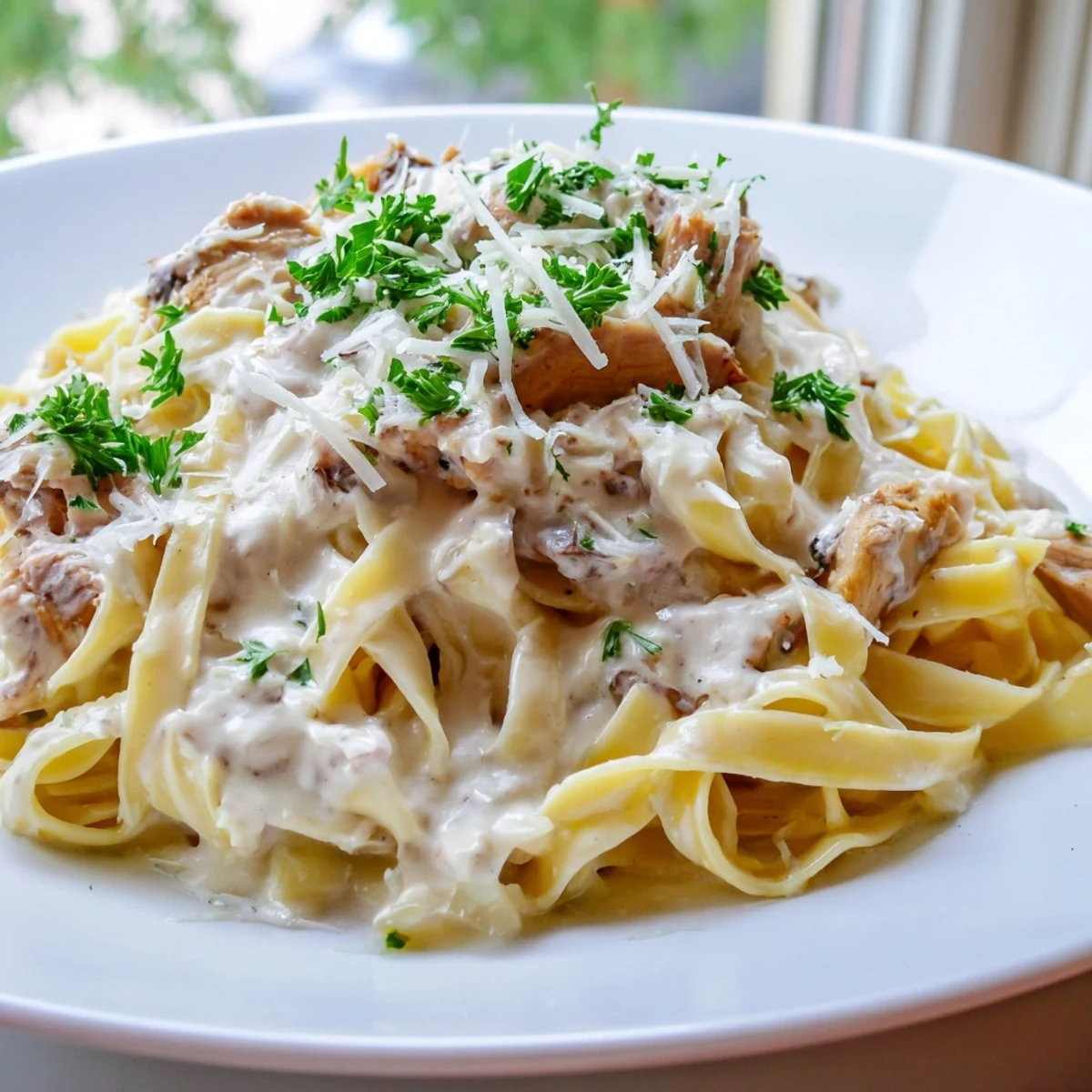
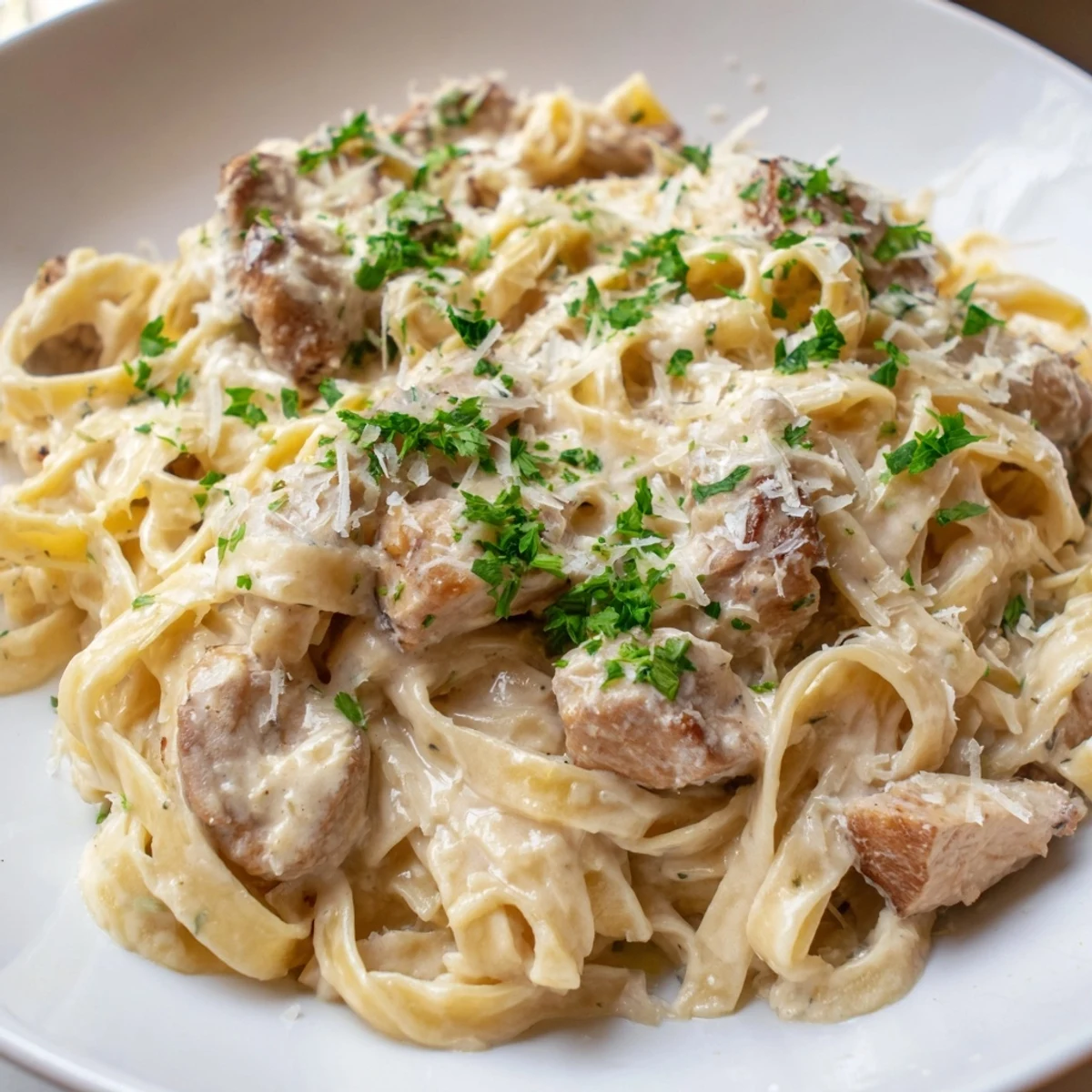
- Plate it right away while it is steaming hot, topped with a generous sprinkle of chopped parsley and an extra dusting of Parmesan if you are feeling indulgent.
 Save
Save One cold November evening I served this to my family and my normally quiet father in law went back for thirds without saying a word. That silence, broken only by the clink of forks against plates, told me everything I needed to know about whether this recipe was a keeper.
Smart Swaps and Additions
If you want to bulk this up with vegetables, toss a handful of sliced mushrooms or fresh baby spinach into the skillet right after the onion softens. The mushrooms soak up the butter and cream like little sponges, and the spinach wilts down beautifully without changing the character of the dish. You could also swap the chicken for shrimp if you want something that feels a bit lighter and more suited to warmer weather.
What to Serve Alongside It
A crisp green salad with a lemony vinaigrette cuts through the richness of the cream sauce in exactly the right way. A glass of cold Pinot Grigio or Sauvignon Blanc on the side makes the whole meal feel like you put in far more effort than you actually did. Crusty bread for sauce dipping is technically optional but honestly should not be skipped.
Storing and Reheating Like a Pro
Leftovers keep well in an airtight container in the fridge for up to three days, though the sauce will thicken considerably as it chills. When you reheat it, do so gently in a pan over low heat with a splash of milk or water, stirring often until it loosens back up.
- Freeze individual portions for up to two months and thaw overnight in the fridge before reheating gently on the stove.
- Avoid the microwave if you can because it tends to make the sauce separate and the chicken rubbery.
- Always taste for seasoning after reheating because cold dulls flavors and a little extra salt and a squeeze of lemon can bring it right back to life.
 Save
Save This is the kind of recipe that earns a permanent spot in your rotation, the one people request by name when they come over for dinner. Make it once and you will never need to look at the recipe again.
Common Recipe Questions
- → What type of pasta works best with garlic Parmesan cream sauce?
-
Fettuccine and penne are both excellent choices. Long noodles like fettuccine or linguine allow the creamy sauce to coat each strand evenly, while penne holds the sauce in its tubular shape. Any sturdy pasta will work well with this rich, thick sauce.
- → How do I prevent the Parmesan cream sauce from clumping?
-
Gradually whisk in freshly grated Parmesan over medium-low heat after the cream reaches a gentle simmer. Avoid boiling the sauce once the cheese is added, as high heat causes the proteins to separate. Using freshly grated cheese rather than pre-shredded also ensures a smoother, silkier finish.
- → Can I make garlic Parmesan chicken pasta ahead of time?
-
You can prepare the chicken and sauce separately up to a day in advance, then reheat gently on the stove while cooking fresh pasta. If reheating leftovers, add a splash of milk or reserved pasta water to loosen the sauce, as it will thicken considerably when refrigerated.
- → What can I substitute for heavy cream in this dish?
-
Half-and-half combined with a little extra butter can work as a lighter alternative, though the sauce will be less rich. For a dairy-free version, full-fat coconut milk or a cashew cream sauce can provide similar richness, though the flavor profile will shift slightly.
- → How do I know when the chicken breast is fully cooked?
-
The chicken should reach an internal temperature of 165°F (74°C) when measured with a meat thermometer. Visually, the center should be completely opaque with no pink, and the juices should run clear. Slicing the chicken thinly helps it cook quickly and evenly in the skillet.
- → What wine pairs well with creamy garlic Parmesan chicken?
-
A crisp white wine like Pinot Grigio or Sauvignon Blanc cuts through the richness of the cream sauce beautifully. If you prefer red, a light Chianti or Pinot Noir complements the garlic and Parmesan without overpowering the dish.