
 Save
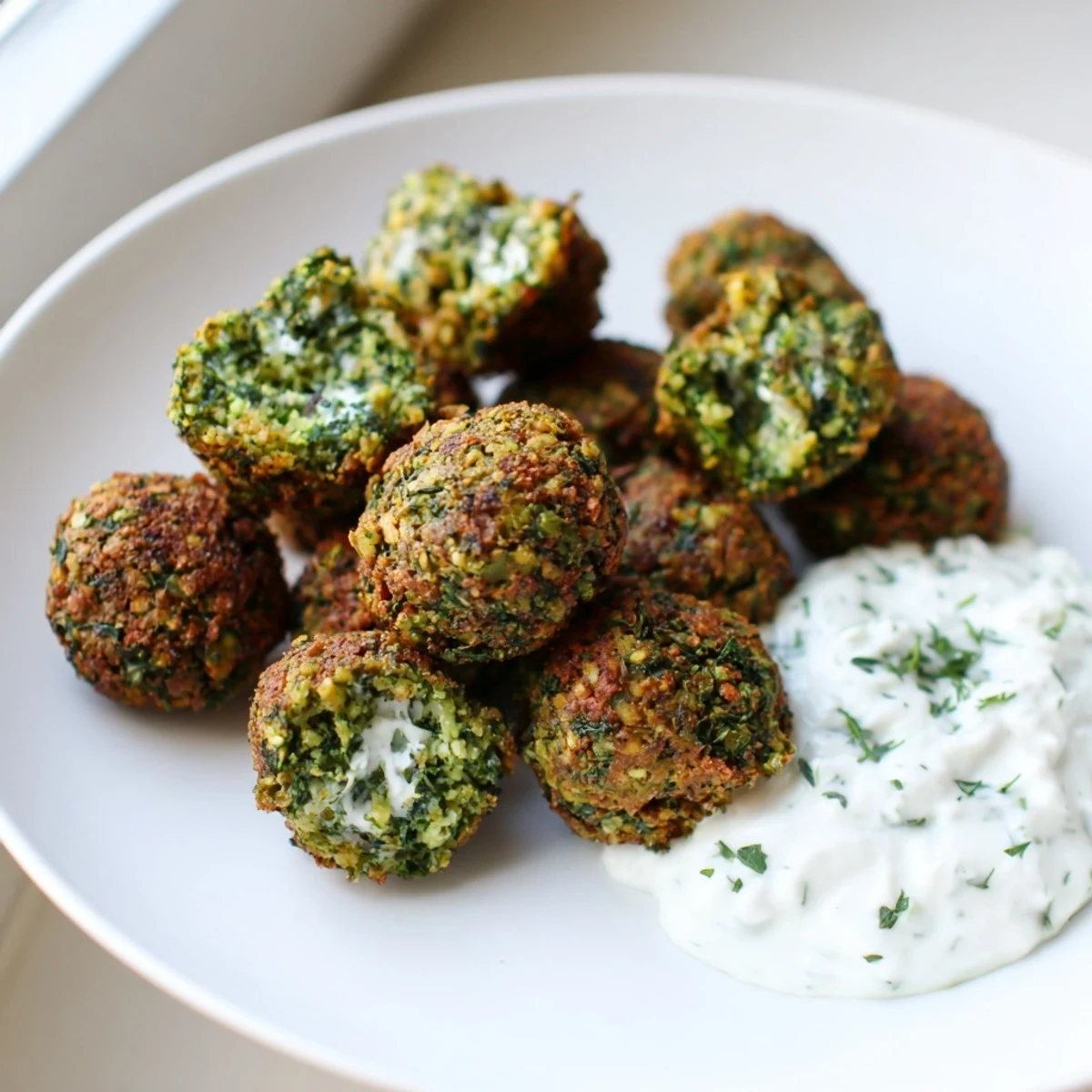
Save These crispy herb falafel bites bring together soaked chickpeas, fresh parsley, cilantro, and warm Middle Eastern spices like cumin and coriander. The mixture is pulsed to a coarse texture, chilled for easier handling, then fried until deeply golden and crunchy on the outside while staying tender within.
A simple garlic yogurt sauce made with Greek yogurt, lemon juice, and fresh herbs provides a cooling, tangy contrast to the spiced falafel. Serve them warm as an appetizer, tucked into pita bread, or arranged on a mezze platter alongside hummus and pickled vegetables.
The smell of frying falafel takes me straight back to a cramped apartment kitchen in Brooklyn where my neighbor Salma would send over a plate of them every Friday, still hot, wrapped in foil, with a note that just said eat. I eventually asked for the recipe and she laughed, handed me a bag of dried chickpeas, and said start soaking. That was seven years ago and I have been making them ever since, tweaking the herbs and the technique until the crunch was exactly right.
I once brought a double batch of these to a potluck and watched three people hover protectively over the platter, blocking anyone else from reaching in. One of them later admitted she had eaten eleven of them and was not embarrassed about it at all.
Ingredients
- Dried chickpeas (1 1/2 cups, soaked overnight): Canned chickpeas will make the mixture too wet and the texture turns gummy, so dried really is the only way.
- Small onion (1, roughly chopped): Adds moisture and a slight sweetness that balances all the herbs.
- Garlic (3 cloves for falafel, 1 for sauce): Fresh is non negotiable here, the jarred stuff tastes flat against the spices.
- Fresh parsley (1 cup leaves): This is the backbone herb, use flat leaf if you can find it for a brighter flavor.
- Fresh cilantro (1/2 cup leaves): Gives the falafel that unmistakable Middle Eastern depth.
- Fresh dill (1/4 cup, optional): Salma never used dill but I added it once on a whim and now I always do.
- Ground cumin (1 tsp): Toast it briefly in a dry pan to wake it up before adding.
- Ground coriander (1 tsp): Pairs with the cumin like they were made for each other.
- Cayenne pepper (1/2 tsp, optional): Just enough warmth without making anyone reach for milk.
- Baking powder (1 tsp): Creates tiny air pockets so the centers stay light instead of dense.
- All purpose flour (2 tbsp): Binds everything together, use chickpea flour for a gluten free version.
- Salt and black pepper (1 tsp salt, 1/2 tsp pepper): Season boldly because frying dulls salt slightly.
- Vegetable oil (for frying): You need about two inches in a heavy skillet, something neutral like canola or sunflower.
- Plain Greek yogurt (3/4 cup, for sauce): Full fat makes the sauce luxuriously thick and cooling.
- Lemon juice (1 tbsp, for sauce): Fresh squeezed only, bottled lemon juice tastes oddly sweet here.
- Chopped parsley or mint (2 tbsp, for sauce): Mint is more traditional but parsley is what I usually have on hand.
Instructions
- Prep the chickpeas:
- Drain and rinse the soaked chickpeas thoroughly, then spread them on a clean towel and pat them dry. They should feel slightly tacky but not dripping wet.
- Build the falafel mixture:
- Add the chickpeas, onion, garlic, parsley, cilantro, dill, cumin, coriander, cayenne, salt, and pepper to a food processor. Pulse in short bursts until you see a coarse, speckled green mixture that holds together when you pinch it, but stop before it turns into hummus.
- Rest and bind:
- Scrape everything into a bowl, stir in the baking powder and flour, then cover and refrigerate for twenty to thirty minutes. This rest time is when the flavors marry and the mixture firms up enough to shape.
- Make the sauce:
- While the falafel rests, stir together the yogurt, minced garlic, lemon juice, herbs, salt, and pepper in a small bowl. Taste it and adjust the lemon or salt until it makes you close your eyes for a second.
- Heat the oil:
- Pour two inches of oil into a heavy skillet and set it over medium high heat until it reaches 350 degrees. A tiny piece of falafel dropped in should sizzle immediately but not violently.
- Shape and fry:
- Scoop tablespoons of the mixture and roll them into balls or flatten them into small patties about an inch across. Fry in small batches, turning them gently, until each one is deeply golden and crisp, about two to three minutes per batch, then drain on paper towels.
- Serve immediately:
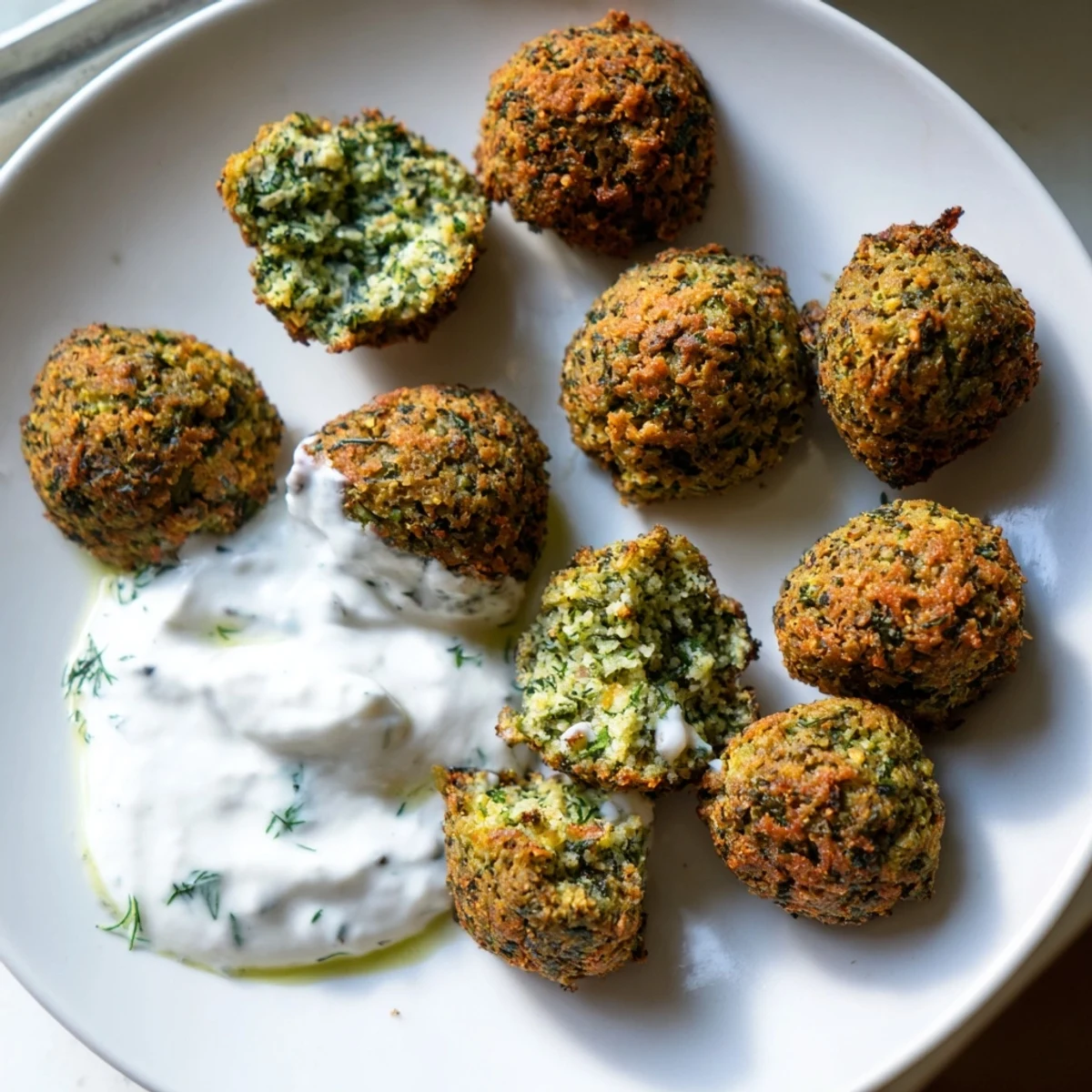
- Pile the warm falafel onto a plate, give them a modest squeeze of lemon, and set the yogurt sauce beside them for dipping. They are best in the first ten minutes when the crust is still singing.
 Save
Save One rainy Tuesday I ate an entire batch standing at the counter, still in my raincoat, dipping each falafel into the sauce with my fingers because I could not be bothered to find a plate. Some meals are better unplanned.
Baking Instead of Frying
If deep frying feels like too much commitment on a weeknight, you can absolutely bake these. Brush each falafel generously with oil, arrange them on a parchment lined sheet, and bake at 400 degrees for twenty five to thirty minutes, flipping once halfway through. The crust will not be quite as shattering but the trade off in ease is worth it sometimes.
Serving Ideas Beyond the Plate
These falafel bites are versatile enough to become a full meal with almost no extra effort. Stuff them into warm pita with shredded lettuce, tomato, and a drizzle of the yogurt sauce. Or scatter them over a grain bowl with rice, pickled onions, and cucumber for something that feels like you planned it all day.
Storing and Reheating Leftovers
Cooked falafel keeps well in the refrigerator for up to three days and reheats in an air fryer at 375 degrees for about five minutes, which restores most of the original crunch. The yogurt sauce will taste even better the next day after the garlic has had time to mellow and infuse throughout. Freeze uncooked falafel balls on a sheet tray, then transfer to a bag and fry them straight from frozen whenever the craving hits.
- Always fry from room temperature or chilled, never warm from the fridge rest.
- A slotted spoon is your best friend for moving them in and out of oil safely.
- Label your frozen falafel with the date because they get lost in the freezer faster than you think.
 Save
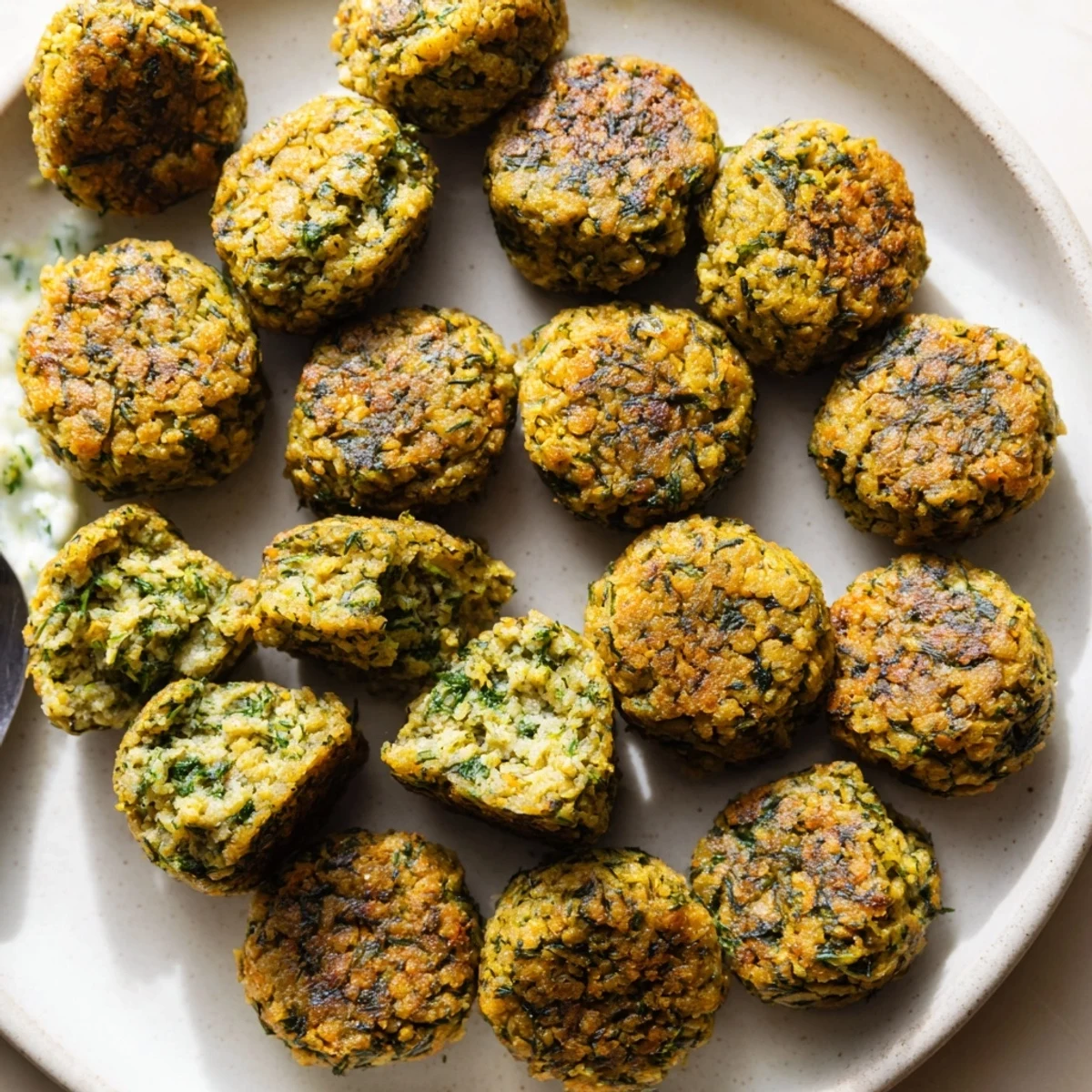
Save There is something deeply satisfying about transforming a handful of dried beans and herbs into something golden and irresistible. Keep a batch in your freezer and you will never be without a crowd pleaser.
Common Recipe Questions
- → Do I need to use dried chickpeas or can I use canned?
-
Dried chickpeas that have been soaked overnight are strongly recommended for falafel. Canned chickpeas hold too much moisture and will produce a mushy texture that falls apart during frying. The soaked dried chickpeas create the characteristic coarse, hearty crumb that makes falafel crisp up beautifully.
- → Can I bake these falafel instead of frying?
-
Yes, you can bake them for a lighter version. Brush the shaped falafel generously with oil and bake at 400°F (200°C) for 25–30 minutes, flipping once halfway through. They will be slightly less crispy than fried but still delicious and golden.
- → Why does the falafel mixture need to be refrigerated before frying?
-
Refrigerating the mixture for 20–30 minutes firms it up, making it much easier to shape into balls or patties. The cold also helps the falafel hold its structure when it hits the hot oil, preventing them from crumbling apart during cooking.
- → What can I substitute for the yogurt in the garlic sauce?
-
For a dairy-free or vegan version, substitute the Greek yogurt with plain unsweetened non-dairy yogurt such as coconut, almond, or soy-based. You can also use a tahini-based sauce thinned with lemon juice and water as an alternative topping.
- → How do I store and reheat leftover falafel?
-
Store cooked falafel in an airtight container in the refrigerator for up to 3 days. To reheat and restore crispness, place them in a 375°F (190°C) oven for about 10 minutes. Avoid microwaving as it will make them soggy. Uncooked falafel mixture can also be frozen for up to one month before frying.
- → What oil temperature is best for frying falafel?
-
Maintain the oil at 350°F (175°C) for optimal results. If the oil is too hot, the outside burns before the inside cooks through. If too cool, the falafel absorbs excess oil and becomes greasy. A deep-fry thermometer is the most reliable way to monitor the temperature.