
 Save
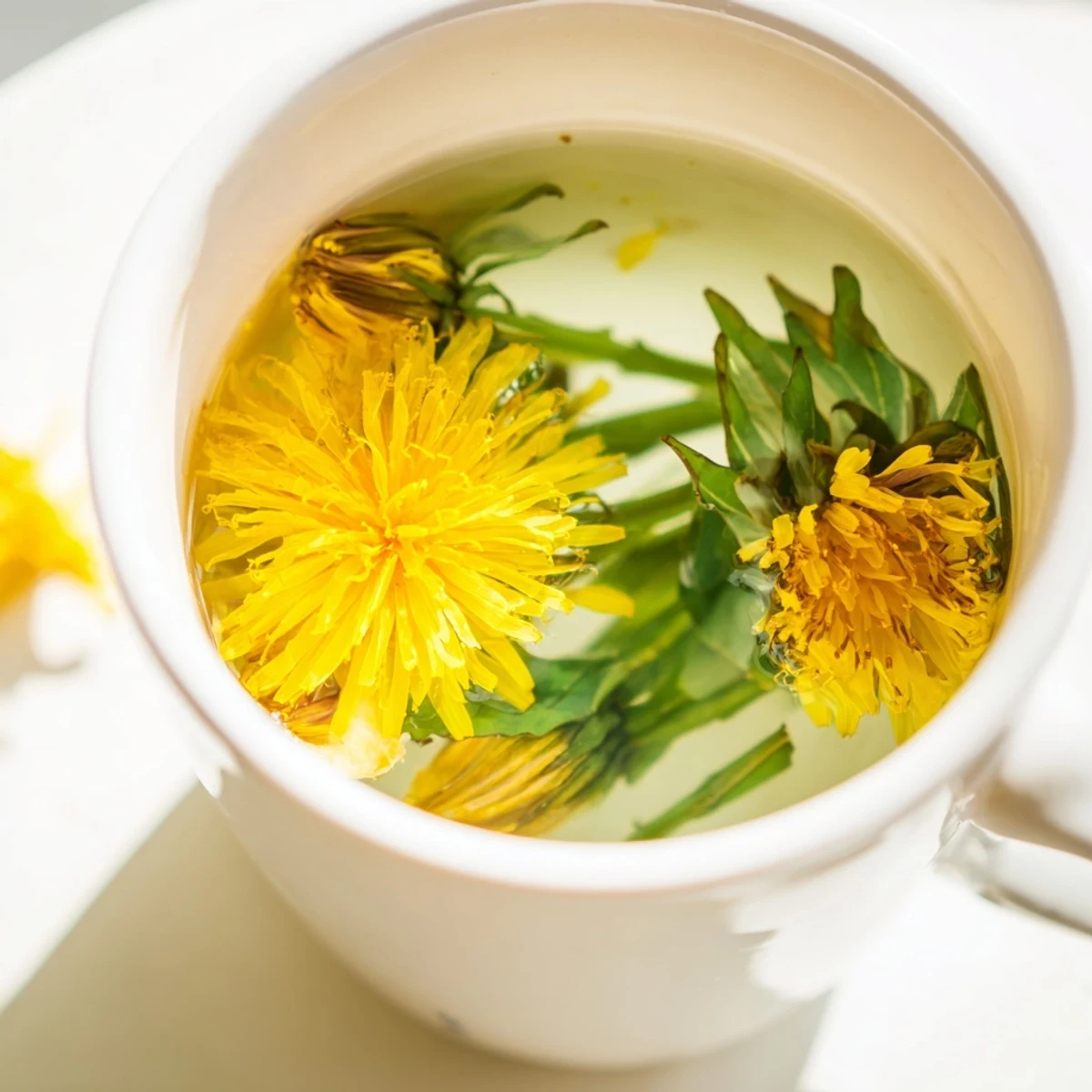
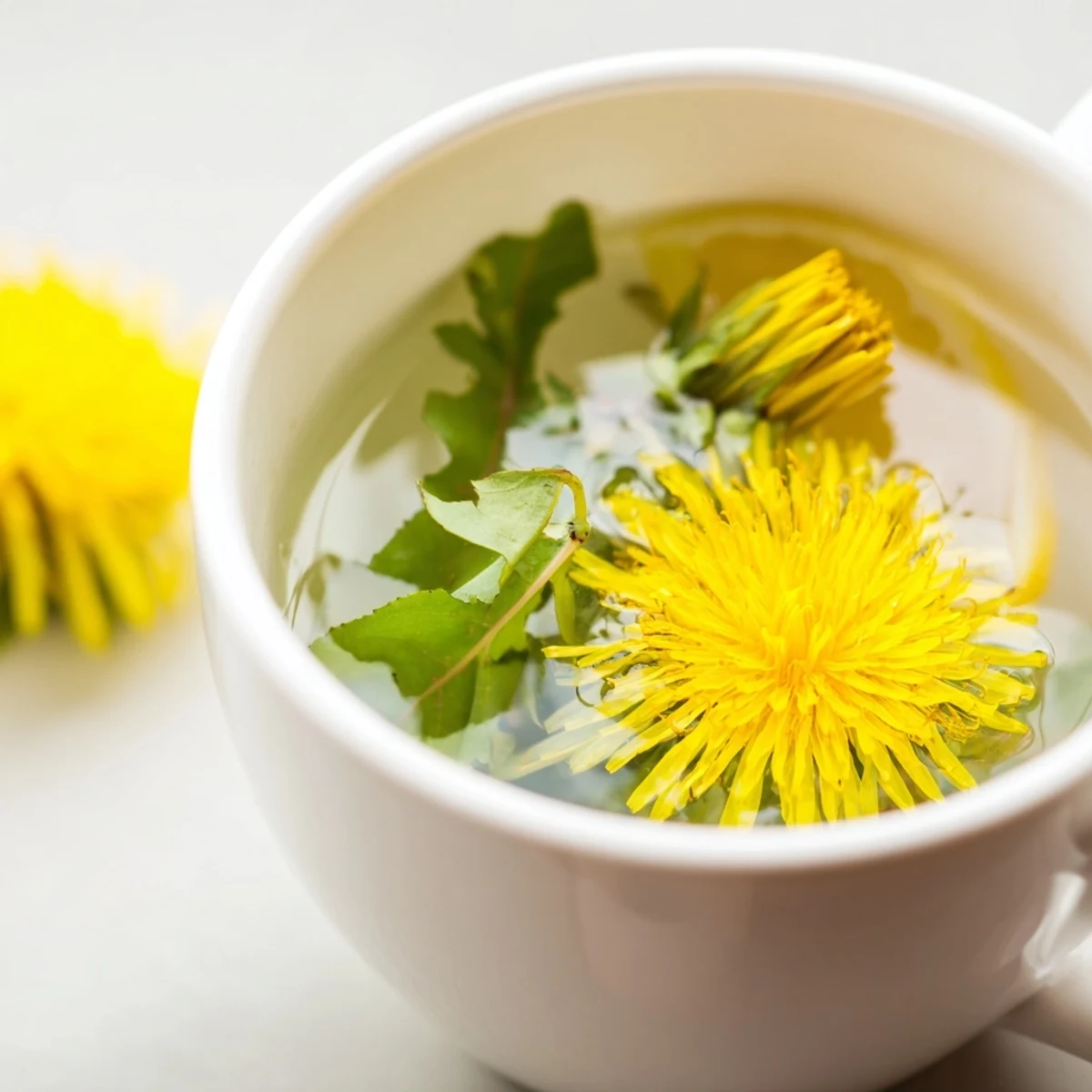
Save Dandelion tea offers a gentle, earthy flavor profile with remarkable health benefits. This traditional European herbal brew utilizes the entire plant—petals and leaves—to create a light amber infusion. The preparation involves steeping thoroughly washed fresh dandelions or dried equivalents in hot water for 8-10 minutes, resulting in a caffeine-free beverage known for supporting liver function and digestive wellness.
The tea naturally contains vitamins A, C, and K, along with potassium and iron. Sweeten with honey or add a slice of lemon to complement the slightly bitter undertones. For those seeking a richer flavor, roasted dandelion roots create a coffee-like alternative. Always harvest from pesticide-free areas and properly identify wild plants before use.
The first time I tried dandelion tea, I was sitting on my grandmother's back porch watching her painstakingly separate the sunny yellow petals from the green bits. She swore by it for spring cleaning, both for the house and her body, and that earthy, slightly bitter taste still takes me back to lazy Sunday mornings.
Last spring, my neighbor caught me in the yard harvesting dandelions and looked at me like I'd lost my mind until I brought her a mug of this golden infusion. Now she texts me every April asking if it's harvest season yet.
Ingredients
- Fresh dandelion petals and leaves: The vibrant yellow petals bring floral sweetness while young leaves add that characteristic pleasant bitterness
- Filtered water: Clean water lets the delicate dandelion flavors shine without any competing mineral tastes
- Honey or maple syrup: Just a touch rounds out the natural bitterness if you prefer a sweeter cup
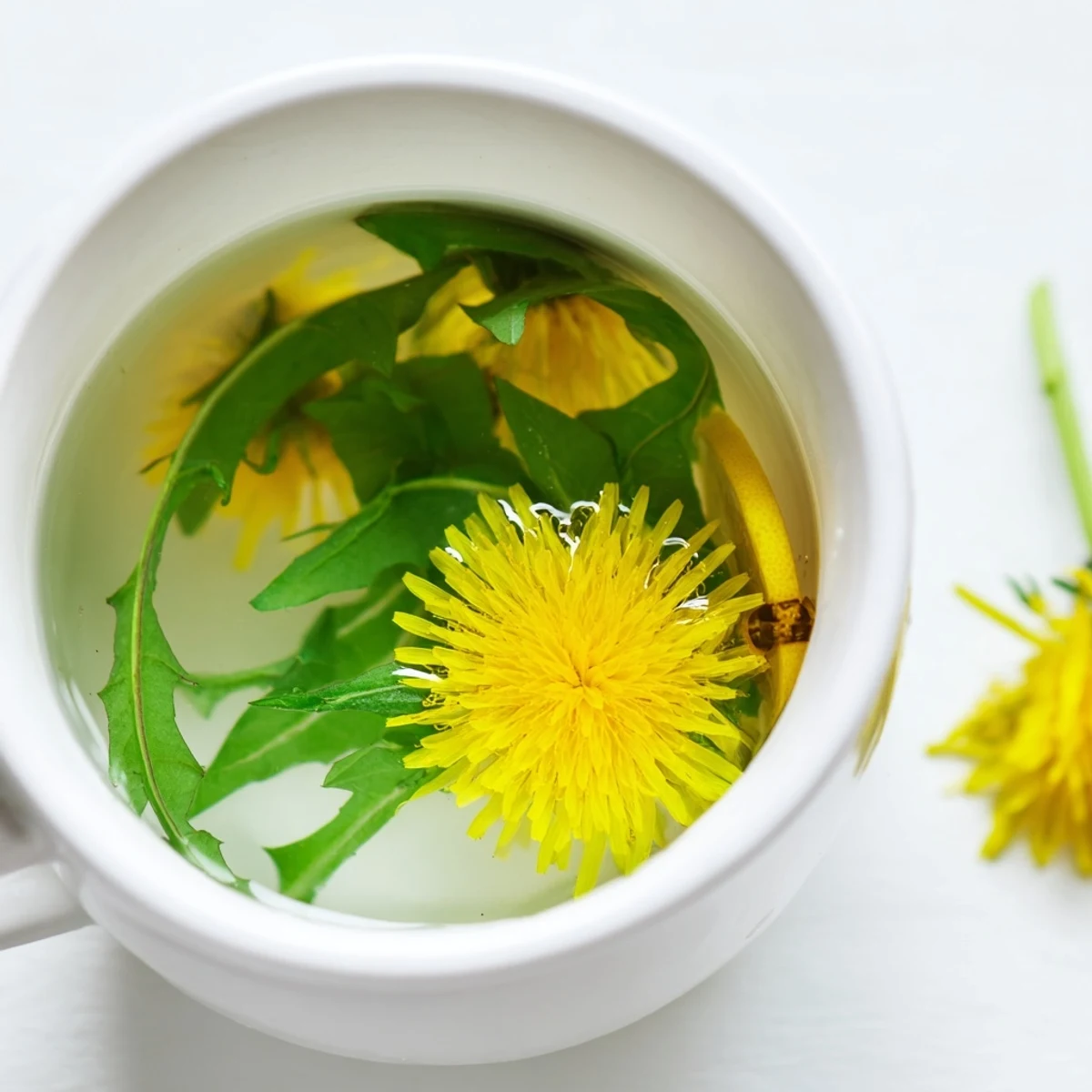
- Lemon: A bright squeeze wakes up all the earthy notes and makes the color absolutely gorgeous
Instructions
- Gather and clean your dandelions:
- Rinse the petals and leaves thoroughly under cold water, giving them a gentle swish to dislodge any tiny garden visitors or grit
- Heat your water:
- Bring the filtered water to a rolling boil, then let it sit for about 30 seconds so it's not too aggressive on the delicate herbs
- Combine and steep:
- Place your prepared dandelions in a teapot, pour the hot water over them, and cover immediately to trap all those aromatic compounds
- Let it work its magic:
- Allow the tea to steep for 8 to 10 minutes, watching the water turn a lovely golden amber as it infuses
- Strain and customize:
- Pour through a fine mesh strainer into your favorite mug, adding honey or lemon if the mood strikes you
 Save
Save There's something deeply satisfying about turning what most people consider a weed into something nourishing and intentional. My kids now spot dandelion patches and excitedly ask if we're making tea.
Harvesting Wisdom
The best dandelions for tea are those growing in full sun with bright, unwilted flowers. I've learned to pick them in the morning after the dew has dried but before the afternoon heat wilts the petals.
Storage Solutions
Fresh petals are best used immediately, but you can dry extras spread on a baking sheet in a warm spot for a few days. Store dried dandelions in a glass jar away from light and they'll keep for months.
Serving Suggestions
This tea is lovely on its own, but I've also served it over ice with a sprig of mint for summer parties. The warmth makes it perfect for cozy evenings wrapped in a blanket.
- Try it with a drizzle of local honey for seasonal allergy support
- A pinch of dried ginger adds a lovely warming spice
- It pairs beautifully with shortbread or almond cookies
 Save
Save Sipping this tea feels like taking a slow walk through a spring meadow, no matter what season it actually is. Simple, grounding, and full of unexpected beauty.
Common Recipe Questions
- → What does dandelion tea taste like?
-
Dandelion tea has a light, earthy flavor with subtle bitter notes similar to mild greens or herbal tea. The petals add a delicate sweetness while the leaves provide a slightly more robust, vegetal taste. Adding honey or lemon can help balance the natural bitterness.
- → Can I use dried dandelions instead of fresh?
-
Yes, dried dandelions work perfectly for this infusion. Use approximately 2 tablespoons of dried petals or leaves in place of 2 cups fresh. Dried herbs often have a more concentrated flavor, so you might need slightly less depending on your taste preference.
- → What are the health benefits of drinking dandelion tea?
-
Dandelion tea is traditionally used to support digestion and liver function. It acts as a natural diuretic, helping reduce water retention, and contains antioxidants that may help reduce inflammation. The tea is also rich in vitamins A, C, and K, plus minerals like potassium and iron.
- → How do I know if dandelions are safe to harvest?
-
Only harvest dandelions from areas you know are free of pesticides, herbicides, and chemical treatments. Avoid areas near roadsides or industrial sites. Properly identify the plant by its distinctive toothed leaves and bright yellow flowers. If you're new to foraging, consider purchasing dried dandelions from a reputable source.
- → Can I drink dandelion tea daily?
-
Most people can safely enjoy 1-2 cups of dandelion tea daily. However, due to its diuretic properties, start with smaller amounts to see how your body responds. Avoid excessive consumption if you're pregnant, nursing, or taking medications that interact with diuretics.
- → How should I store fresh dandelions before brewing?
-
Fresh dandelion greens and petals should be used within 1-2 days of harvest. Store them unwashed in a plastic bag with a paper towel to absorb moisture, then keep in the refrigerator. Rinse thoroughly just before brewing to remove any dirt or debris.