
 Save
Save This dehydrated tzatziki seasoning mix blends dried dill, mint, parsley, chives, garlic granules, onion powder, lemon zest or citric acid, and optional cucumber powder into a versatile, shelf-stable blend. Whisk ingredients together, transfer to an airtight jar, and store in a cool, dry place for up to six months. Use 1–2 tablespoons stirred into yogurt or sour cream, or sprinkle directly on grilled vegetables, chicken, or seafood for bright Mediterranean flavor.
The jar of dried dill had been sitting in my spice cabinet for months, neglected behind more frequently reached for bottles, until one sweltering July evening when I craved tzatziki but had no fresh herbs and zero desire to grocery shop. That desperation turned into one of the most useful things in my kitchen. I started dumping dried herbs into a bowl, tasting, adjusting, and somewhere between the second pinch of mint and the first smell of lemon zest hitting the mix, I realized I had stumbled onto something I would make on purpose from now on.
I brought a small jar of this to my neighbor Helen, who grew up in Thessaloniki, fully expecting her to politely accept it and never touch it again. She called me three days later asking for the exact measurements because she had already emptied the jar over roasted potatoes, grilled chicken, and her morning eggs.
Ingredients
- Dried dill: The soul of any tzatziki blend, use a fresh bottle if yours has been open more than six months because dill loses its personality faster than most herbs.
- Dried mint: Brings a cooling sweetness that balances the garlic and onion powders beautifully.
- Dried parsley: Adds a fresh grassy note and gives the blend its characteristic flecks of green.
- Dried chives: A gentle onion flavor that rounds out the sharper allium notes without overpowering.
- Dried garlic granules: Granules dissolve more evenly than powdered garlic and give a sweeter, less aggressive flavor.
- Dried onion powder: Works in tandem with the garlic granules to create that savory depth tzatziki is known for.
- Sea salt: Fine sea salt distributes best throughout a dry blend, flaky salts tend to settle at the bottom.
- Ground black pepper: Freshly ground is ideal but pre ground works fine in a dry mix.
- Dried lemon zest or citric acid: This is the bright punch that makes everything taste Mediterranean, do not skip it.
- Dried cucumber powder: Entirely optional but worth seeking out online for an authentic flavor that surprises people every time.
Instructions
- Gather and measure:
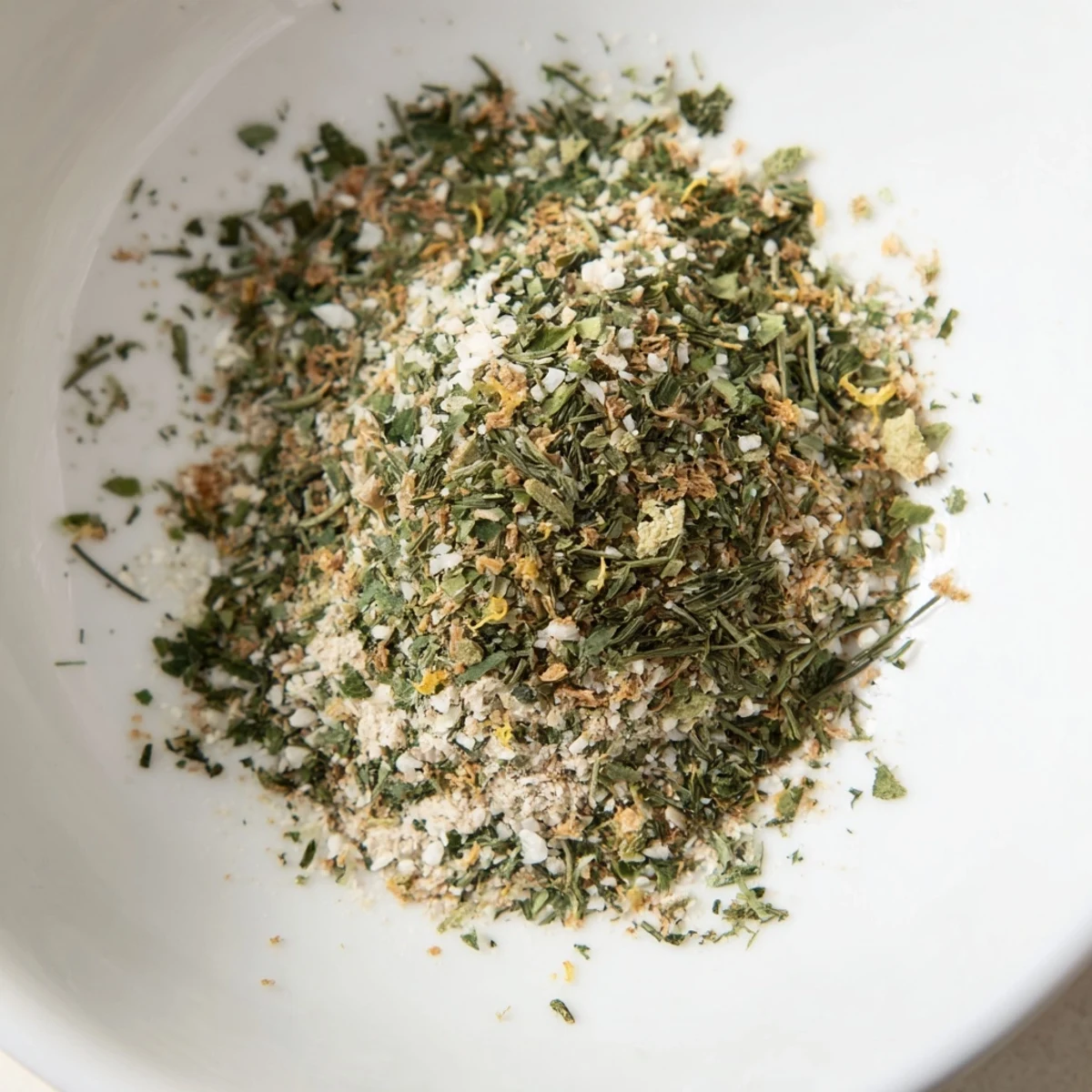
- Measure all your dried herbs, spices, garlic granules, onion powder, salt, pepper, lemon zest or citric acid, and cucumber powder if using into a medium mixing bowl, taking a moment to appreciate the layered shades of green and gold piling up.
- Whisk everything together:
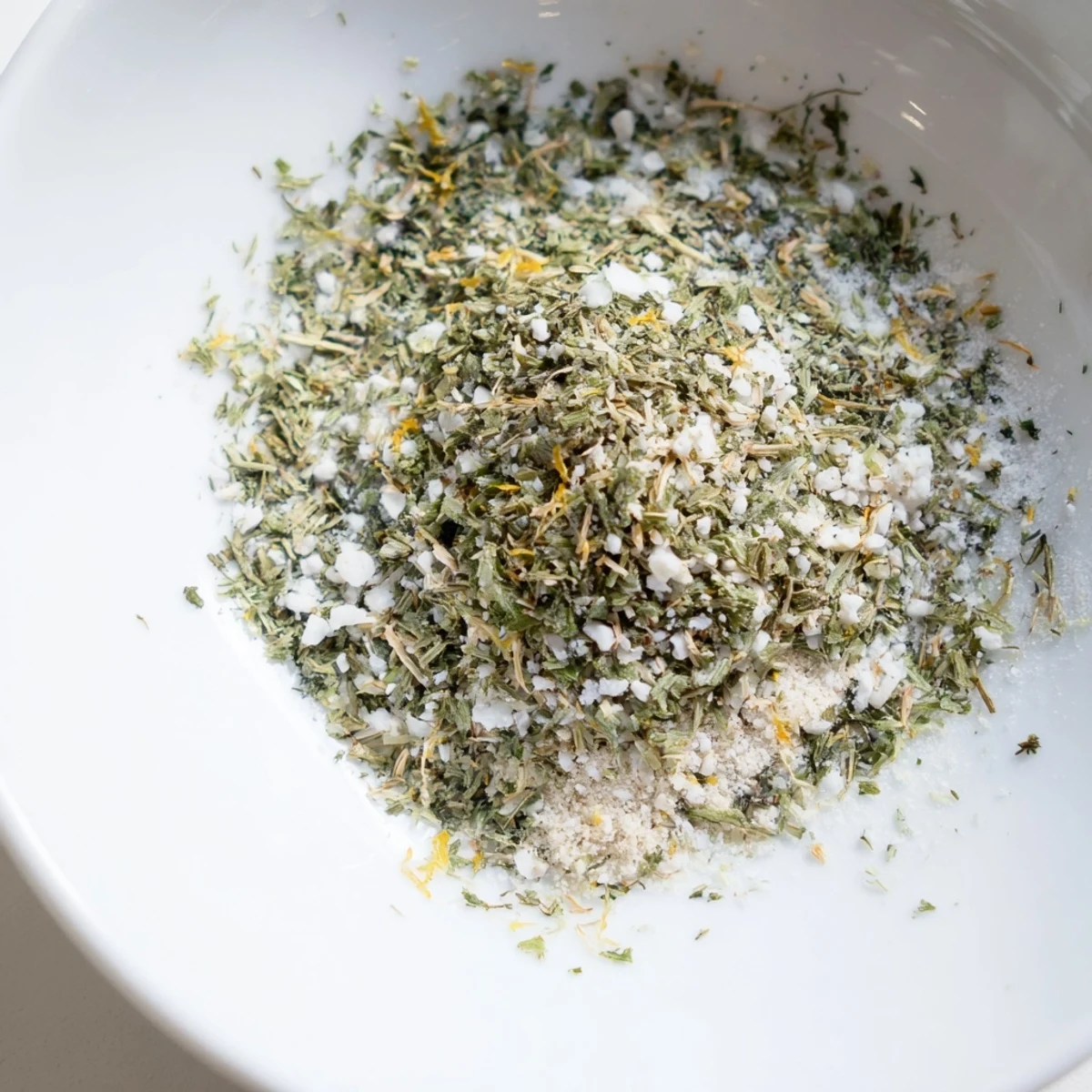
- Use a whisk or fork to blend thoroughly, making sure no clumps of garlic or pockets of salt hide in the mix, and keep whisking until the color looks uniform throughout.
- Transfer and store:
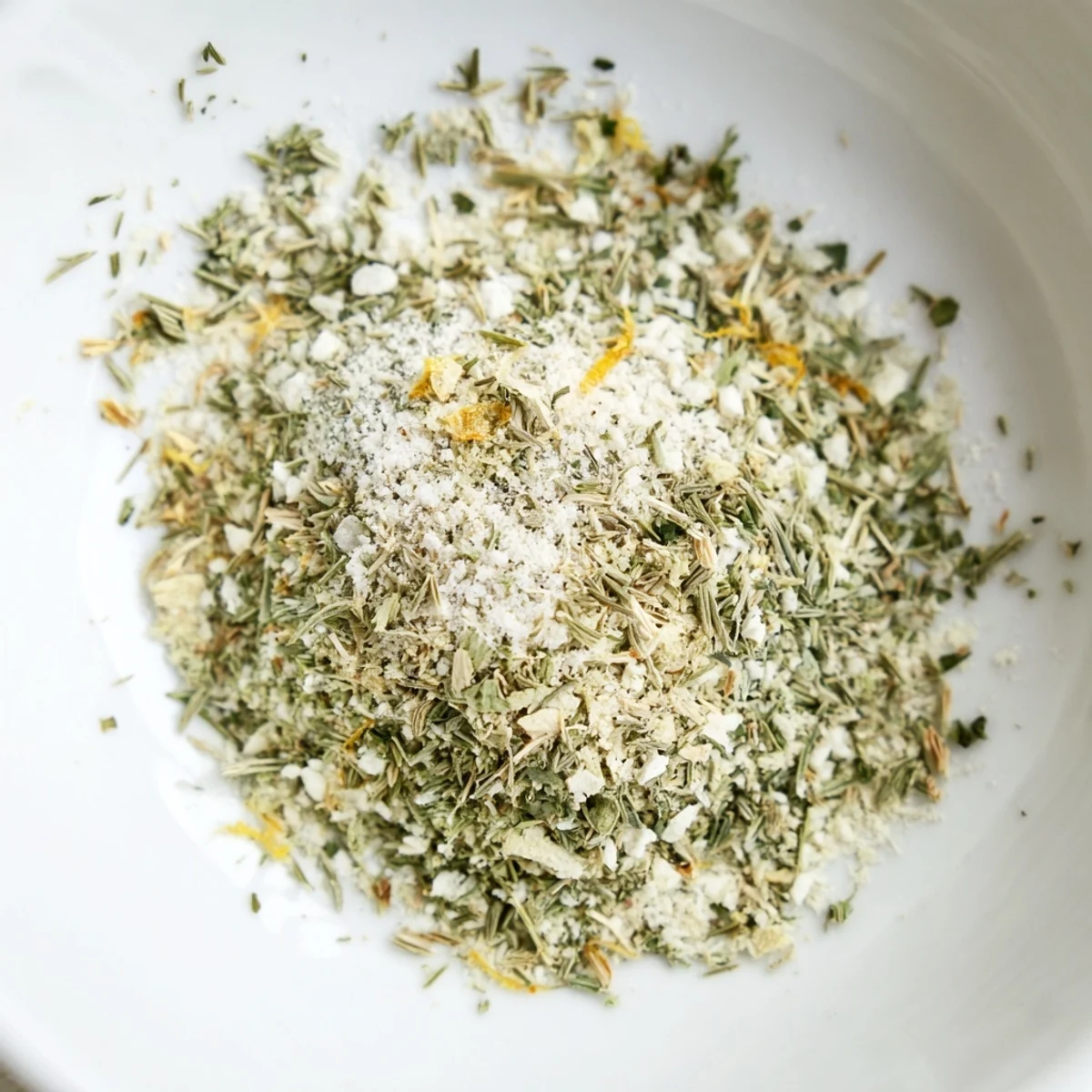
- Pour the finished blend into an airtight container or glass spice jar with a tight lid, label it with the date, and tuck it into a cool dark corner of your pantry where it will stay vibrant for up to six months.
- Put it to work:
- Stir one to two tablespoons into a cup of Greek yogurt or sour cream with a drizzle of olive oil for instant dip, or shake it generously over roasted vegetables, grilled chicken, or seafood straight off the heat.
 Save
Save There is a specific kind of satisfaction in shaking a homemade seasoning over something plain and watching it become dinner worth talking about. This little jar has done more heavy lifting in my weeknight cooking than almost anything else in the pantry.
Smart Ways to Use This Blend
Beyond the obvious yogurt dip, try folding a tablespoon into hummus for a Greek inspired twist, or shaking it over thick cut potatoes before roasting at high heat until the edges curl and darken. Mixed with olive oil and a splash of vinegar, it becomes a marinade that makes even boneless chicken thighs taste like summer on a plate.
What to Know About Storing Dry Blends
Light and heat are the enemies of any dried herb blend, so keep the jar away from the stove and out of direct sunlight. A pantry shelf or closed cabinet works perfectly. If you notice the color fading or the smell weakening before six months have passed, it is time to make a fresh batch.
Adjusting the Blend to Your Taste
Think of this recipe as a starting point and let your own palate guide you toward the version you love most. Some people double the garlic, others add a quarter teaspoon of citric acid for extra tang, and a friend of mine throws in crushed dried oregano because she likes a more aggressive Mediterranean punch.
- Taste a tiny pinch on your tongue before storing and adjust salt or acid as needed.
- Write your tweaks on the jar label so you remember what you changed next time.
- Always make more than you think you need because it disappears fast.
 Save
Save Once this jar earns its permanent spot next to your stove, you will wonder how you cooked without it. Share it freely, label it with love, and let simple seasoning do what it does best, make everyday food taste like you tried harder than you did.
Common Recipe Questions
- → How should I use the seasoning?
-
Stir 1–2 tablespoons into Greek yogurt or sour cream with a splash of olive oil for an instant dip, or sprinkle directly over grilled vegetables, chicken, or seafood for a bright finishing touch.
- → How long will the mix keep?
-
Stored airtight in a cool, dry place the blend stays flavorful for up to six months; freshness is best earlier, so smell and taste before prolonged storage.
- → Can I use fresh herbs instead of dried?
-
Yes, but fresh herbs are more perishable and more pungent—use roughly three times the volume of fresh herbs and refrigerate the finished mixture or use immediately rather than storing long-term.
- → Is cucumber powder required for authentic flavor?
-
It’s optional: dried cucumber powder adds authentic tzatziki notes, but you can omit it and rely on dill, garlic, and lemon zest or citric acid for a bright finish.
- → How can I adjust acidity or tang?
-
Increase dried lemon zest or a pinch of citric acid for more tang; add sparingly and taste, especially if stirring into dairy to avoid curdling.
- → What are versatile uses beyond dips?
-
Mix with oil and vinegar for salad dressings, sprinkle over roasted potatoes or vegetables, or rub into chicken or fish before grilling for Mediterranean flavor.