
 Save
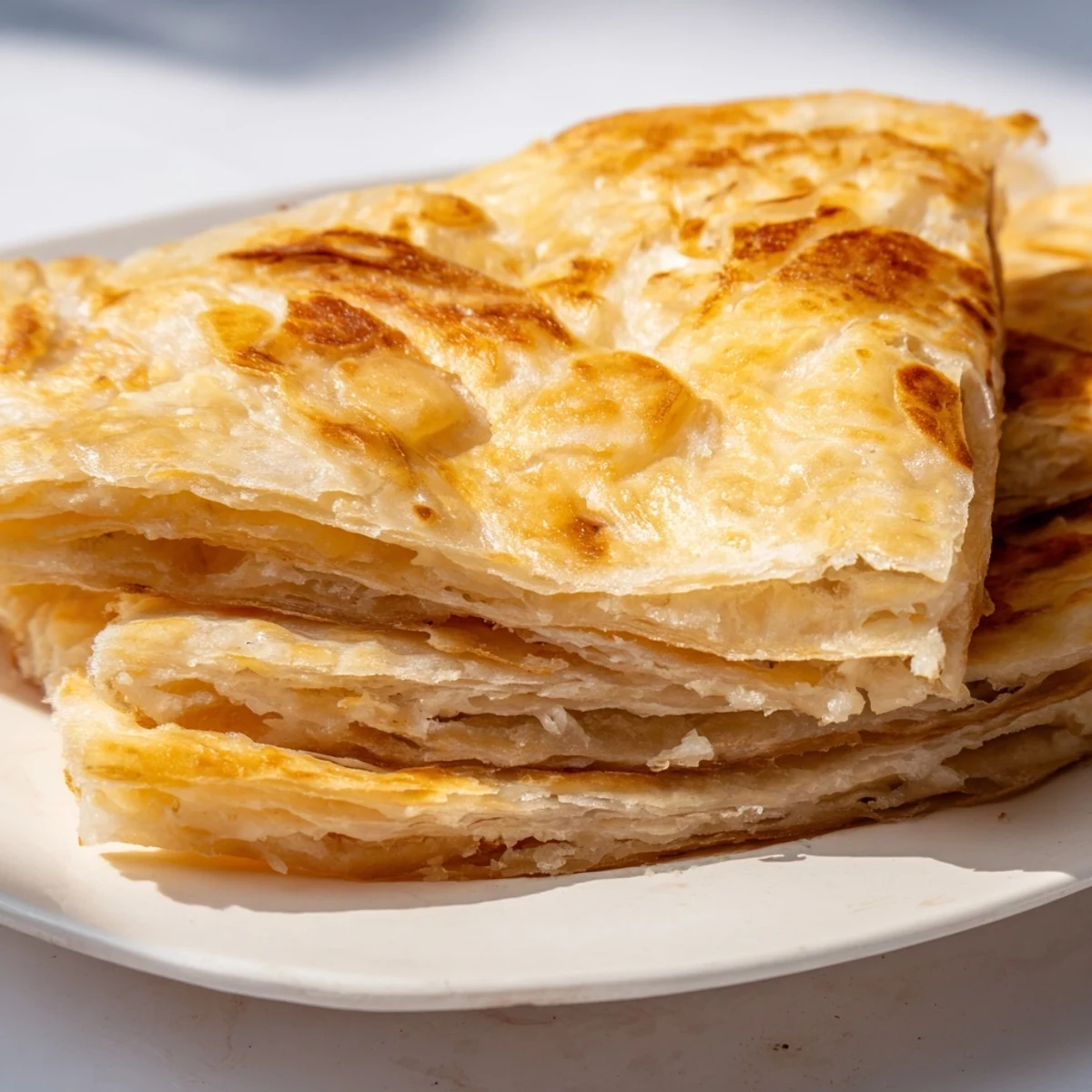
Save Experience the joy of making Flaky Roti Canai, a beloved Malaysian flatbread known for its buttery layers and delightful chew. This medium-difficulty dish yields six pieces, perfect as a side or with flavorful curries. With a rest time that ensures perfect stretching, the result is a golden, crisp delight that pairs beautifully with dhal or chicken curry.
There is something almost hypnotic about the rhythm of flipping roti on a hot griddle, the sound of it sizzling instantly filling the kitchen. I still recall the first time I tried to replicate that street-side texture at home, armed with far too much flour and not enough patience. It took a few failed attempts to understand that the secret lies not in force, but in letting the dough rest until it is utterly relaxed.
I remember serving these to friends on a rainy evening, watching their eyes light up as the steam escaped the folds. It was less about the curry accompanying it and more about the simple, buttery perfection of the bread itself. That night, the kitchen felt less like a cooking space and more like a gathering place.
Ingredients
- All-purpose flour: This forms the structure, so do not be tempted to swap it for whole wheat if you want that signature stretch.
- Salt: Essential to balance the sweetness and bring out the rich flavor of the ghee.
- Sugar: Just a hint helps the bread brown beautifully and adds a subtle depth.
- Ghee or unsalted butter: This fat is the heart of the recipe, providing the irresistible aroma and flaky texture.
- Water: Adjust this carefully to achieve a dough that is soft and tacky, not dry.
- Vegetable oil: Used for coating the dough to keep it moist while it rests.
Instructions
- Mix the foundation:
- Combine your dry ingredients in a large bowl, create a well in the center, and pour in the melted ghee and water gradually until a sticky dough comes together.
- Knead with care:
- Work the dough on a floured surface for a full ten minutes until it feels smooth and elastic like a new earlobe.
- Rest the dough:
- Divide the dough into six balls, coat them lightly in oil, cover them, and walk away for an hour to let the gluten relax completely.
- Stretch and fold:
- Oil your hands and surface, then flatten a ball and pull it gently until it is paper thin before brushing with ghee and folding it into a tight letter fold.
- Shape the coil:
- Roll the folded dough into a loose coil, tuck the end underneath, and set it aside while you repeat the process with the remaining balls.
- Cook to perfection:
- Flatten a coil into a disc and fry it on a medium hot skillet for a few minutes on each side until golden spots appear.
- The final slap:
- Remove the roti from the pan and clap it firmly between your hands a few times to separate the layers while it is still hot.
 Save
Save Making roti canai became a Sunday ritual for a while, a way to slow down time and focus on the tactile pleasure of cooking. It is a dish that demands you be present, pulling and stretching until the dough is almost transparent. Those quiet moments of focus became something I cherished deeply.
Getting the Texture Right
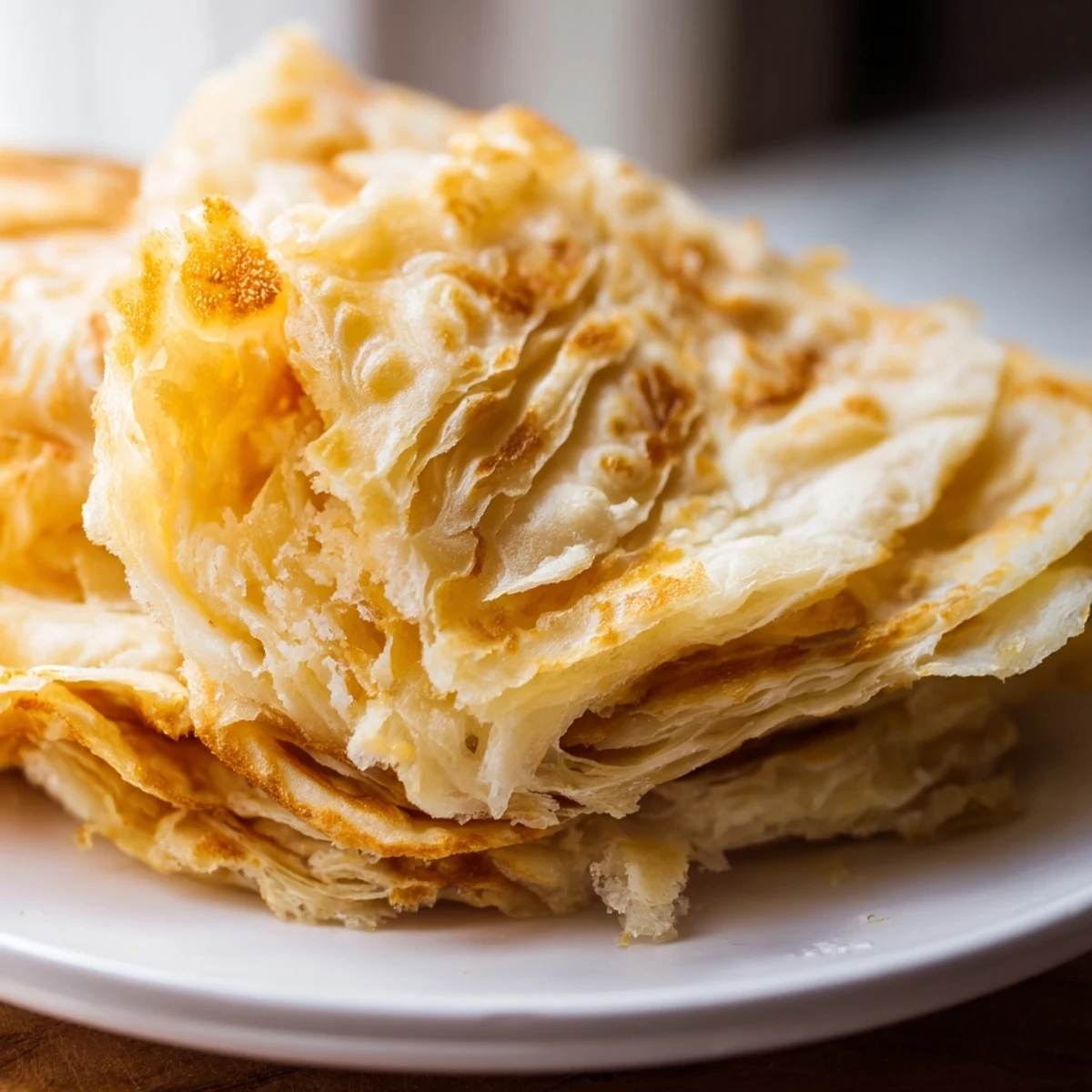
The air pockets inside are created by the folding process and the sudden shock of the heat. Do not rush the flattening step before cooking, or you will lose those delicate layers.
Choosing Your Fat
While ghee offers the most authentic flavor, a mix of butter and oil can prevent the bread from becoming too heavy. Experiment with the ratios to find what suits your palate best.
Serving Suggestions
These breads are best enjoyed immediately while they are still warm and pliable. Pair them with something saucy to soak up every bite.
- A side of spicy dhal makes for a classic and satisfying combination.
- Try dipping it in condensed milk for a sweet treat known as roti pisang.
- Leftovers can be reheated on a skillet to regain some crispiness.
 Save
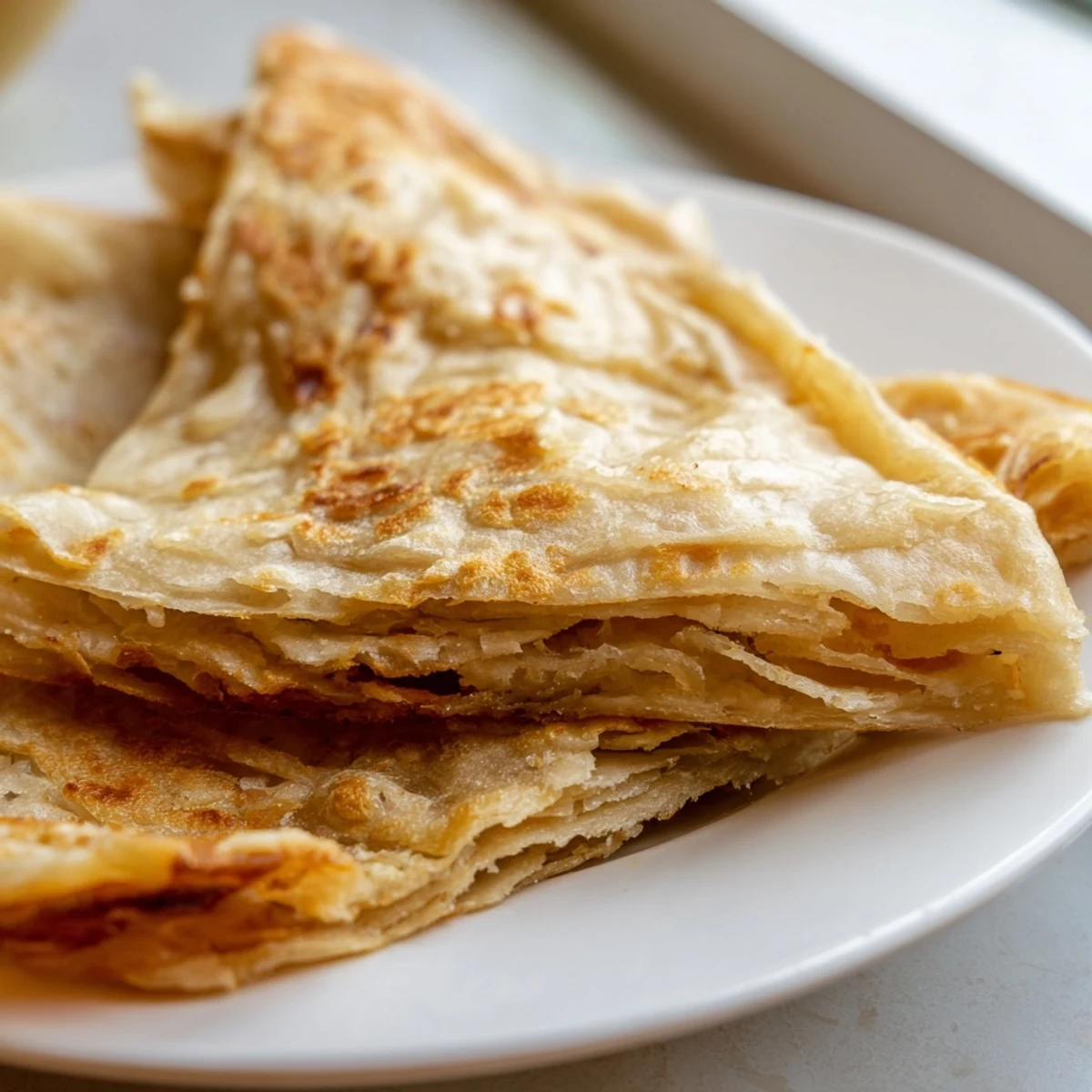
Save There is nothing quite like the taste of homemade flatbread to turn a simple meal into a feast. I hope this recipe brings as much warmth to your table as it has to mine.
Common Recipe Questions
- → What makes Roti Canai flaky?
-
The flakiness comes from folding the stretched dough into thirds and rolling it into a coil before cooking, creating layers of buttery goodness.
- → Can I use oil instead of ghee?
-
Yes, you can mix butter and oil for a lighter version, but all ghee gives the richest flavor and crisp texture.
- → How do I serve Roti Canai?
-
Serve warm with dhal, chicken curry, or as a breakfast dish with condensed milk for a sweet twist.
- → Why rest the dough for an hour?
-
Resting relaxes the gluten, making the dough easier to stretch thinly without tearing, which is key to achieving those delicate layers.
- → Is Roti Canai vegetarian?
-
Yes, it's vegetarian, but always check ingredient labels if you have allergen sensitivities.