
 Save
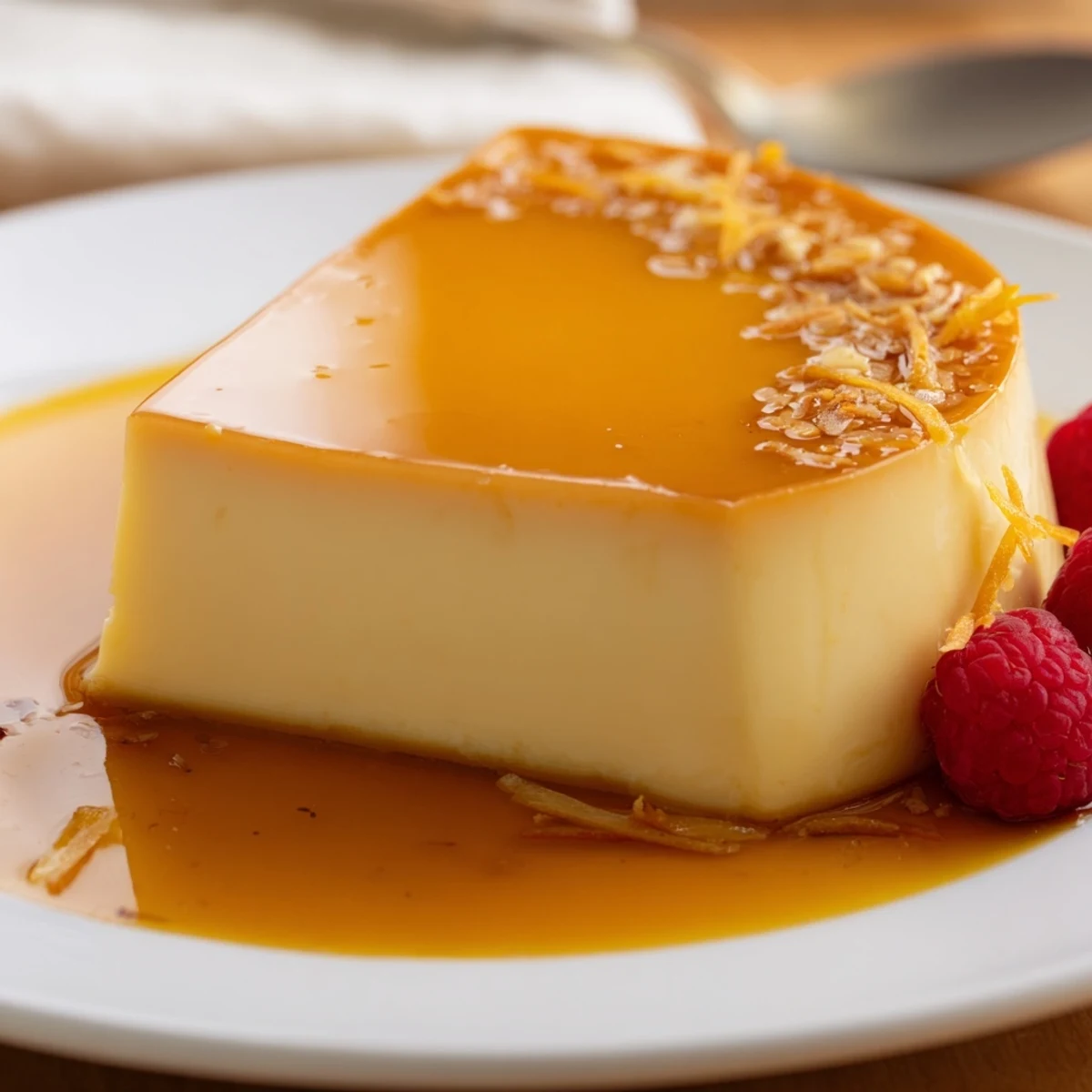
Save Flan Napolitano pairs a glossy amber caramel with a lusciously smooth custard made from sweetened condensed milk, evaporated milk, whole milk and eggs. Caramelize sugar until golden and coat the mold, then whisk the milks with eggs, yolks, vanilla and optional orange zest. Strain for extra silkiness, bake in a bain-marie until the center barely jiggles, cool, then chill several hours before unmolding and serving chilled with berries or toasted coconut.
The smell of caramelizing sugar is one of those things that makes everyone in the house wander into the kitchen asking what you are making. My abuela used to make flan every Christmas Eve, and she never measured anything, just poured and stirred with this quiet confidence I still envy. It took me years to realize her secret was patience, not some mysterious gift. This Napolitano version, richer and denser than the classic, is the one I always come back to when I want something that feels like a celebration on a plate.
I once brought this to a potluck where three people separately pulled me aside to ask for the recipe, and one of them actually called me the next morning to make sure I was not holding out on them.
Ingredients
- Granulated sugar (1 cup): This is for the caramel, and you want plain white sugar so you can see the color change clearly.
- Water (1/4 cup): Just enough to help the sugar melt evenly before it starts browning.
- Sweetened condensed milk (1 can, 14 oz): The backbone of the custard, giving it that unmistakable sweetness and density.
- Evaporated milk (1 can, 12 oz): Adds richness without making the flan too heavy.
- Whole milk (1 cup): Brings everything together into a pourable, silky mixture.
- Large eggs (4 whole plus 4 yolks): The extra yolks are what make Napolitano style flan so luxuriously thick compared to regular flan.
- Vainilla extract (1 tbsp): Do not skimp here, good vanilla transforms the entire flavor profile.
- Salt (1/4 tsp): A tiny amount that balances all that sweetness perfectly.
- Orange zest (from 1 orange, optional): My favorite addition because it lifts the whole dessert with a whisper of citrus.
Instructions
- Get the oven ready:
- Preheat to 350 degrees F and make sure your rack is in the center position for even baking.
- Make the caramel:
- Combine sugar and water in a heavy saucepan over medium heat and resist every urge to stir, just gently swirl the pan. Once it turns a deep golden amber, about 7 to 9 minutes, immediately pour it into your baking dish and tilt to coat the bottom before it hardens.
- Build the custard:
- Whisk the eggs, yolks, and salt in a large bowl until blended, then pour in all three milks, the vanilla, and orange zest if you are using it, whisking until everything is smooth and unified.
- Strain for silkiness:
- Pour the custard through a fine sieve directly into the caramel lined dish, catching any bits of egg or zest that would interrupt that perfect texture.
- Set up the water bath:
- Place your flan dish inside a larger roasting pan and carefully pour hot water into the roasting pan until it reaches halfway up the sides of the flan dish.
- Bake gently:
- Slide the whole setup into the oven and bake for about 60 minutes, until the edges are set but the center still has a gentle wobble when you tap it.
- Cool and chill:
- Remove the flan from the water bath, let it come to room temperature, then refrigerate for at least 3 hours so it sets completely and releases cleanly from the mold.
- Unmold with confidence:
- Run a thin knife around the edge, place a large plate on top, take a breath, and flip it in one decisive motion so the caramel pools beautifully over the top.
 Save
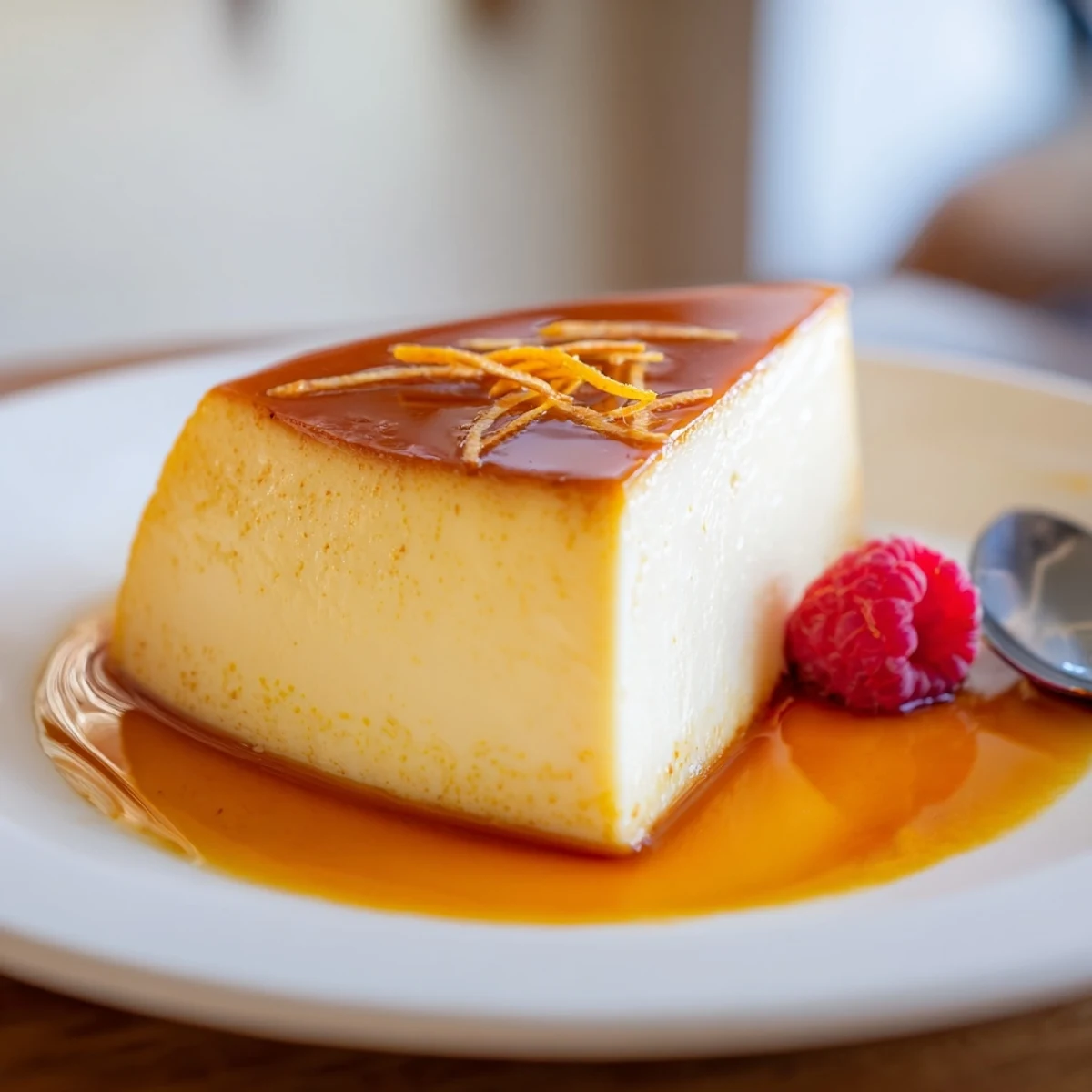
Save The first time I flipped a flan perfectly onto a plate, the caramel pooling like molten gold around the edges, I actually clapped out loud in my empty kitchen.
Serving Suggestions
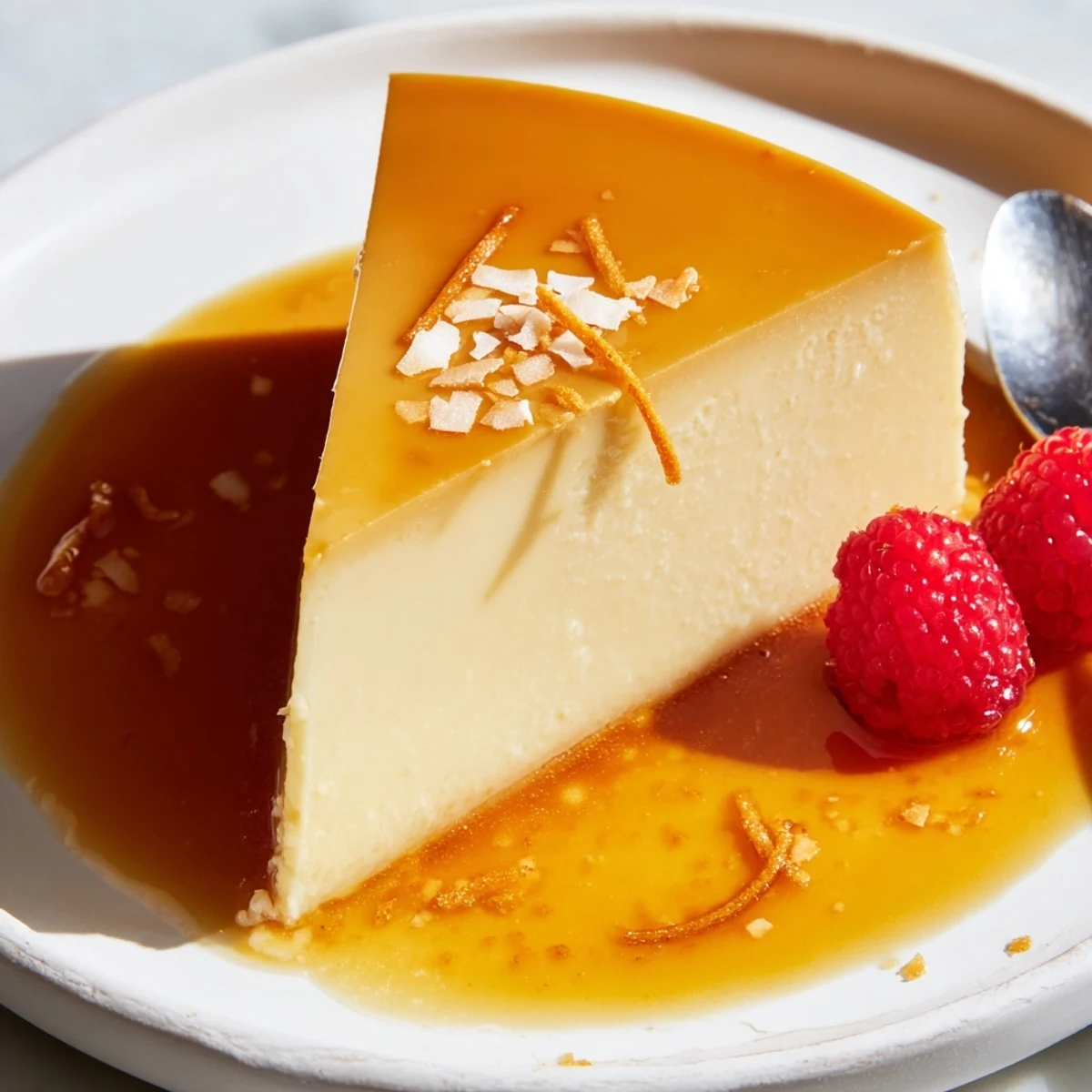
A sprinkle of toasted coconut on top adds a pleasant crunch that contrasts with the impossibly smooth custard beneath it. Fresh berries work beautifully too, especially raspberries whose tartness cuts through all that richness. A cup of strong black coffee or a glass of Moscato alongside turns a simple dessert into something that feels like it belongs in a little restaurant with cloth napkins.
Common Mistakes to Avoid
Stirring the sugar while it caramelizes is the fastest way to end up with a grainy mess, so keep your hands busy elsewhere and only swirl the pan. Another trap is skipping the straining step, which seems fussy until you bite into a piece of cooked egg white and understand exactly why it matters. Under chilling is also a frequent culprit for flan that falls apart when you try to slice it, so give it the full time in the fridge.
Storing and Make Ahead Notes
This is one of the best make ahead desserts I know because it actually improves after a night in the fridge as the caramel seeps deeper into the custard. Cover it tightly with plastic wrap and it will keep beautifully for up to three days.
- You can make the caramel up to two days ahead and keep it in the dish at room temperature.
- Freezing is not recommended because the texture breaks down upon thawing.
- Always keep it chilled until right before serving for the cleanest slices.
 Save
Save Every time I unmold one of these and hear that soft shlorp of caramel releasing, I think of my abuela and how a dessert this simple can carry so much love across generations.
Common Recipe Questions
- → How do I know when the custard is done?
-
It’s ready when the center barely jiggles when you gently tap the pan; the edges should be set while the middle retains a slight wobble. After cooling and chilling the texture will firm up to a silky consistency.
- → How can I prevent the caramel from crystallizing?
-
Use a heavy saucepan, avoid stirring as the sugar melts, and swirl the pan gently if needed. Cook to a clear amber color and pour immediately into the mold to stop cooking and prevent recrystallization.
- → Can I swap the milk types for different richness?
-
Yes. Substitute half-and-half or use more whole milk for a lighter custard, or replace some whole milk with cream for extra richness. Note that fat level affects texture and set time.
- → Why should I strain the custard mixture?
-
Straining removes bits of coagulated egg and any foam, ensuring an ultra-smooth, silky finish and a uniform texture once baked and chilled.
- → What’s the purpose of the bain-marie?
-
Baking in a water bath provides gentle, even heat that reduces the risk of curdling and creates a tender, custard-like texture rather than a rubbery outcome.
- → How do I unmold the flan cleanly?
-
Run a thin knife around the edge, place a serving plate over the mold and invert. If it sticks, warm the bottom of the mold briefly in a shallow bath of hot water to loosen the caramel before flipping.