
 Save
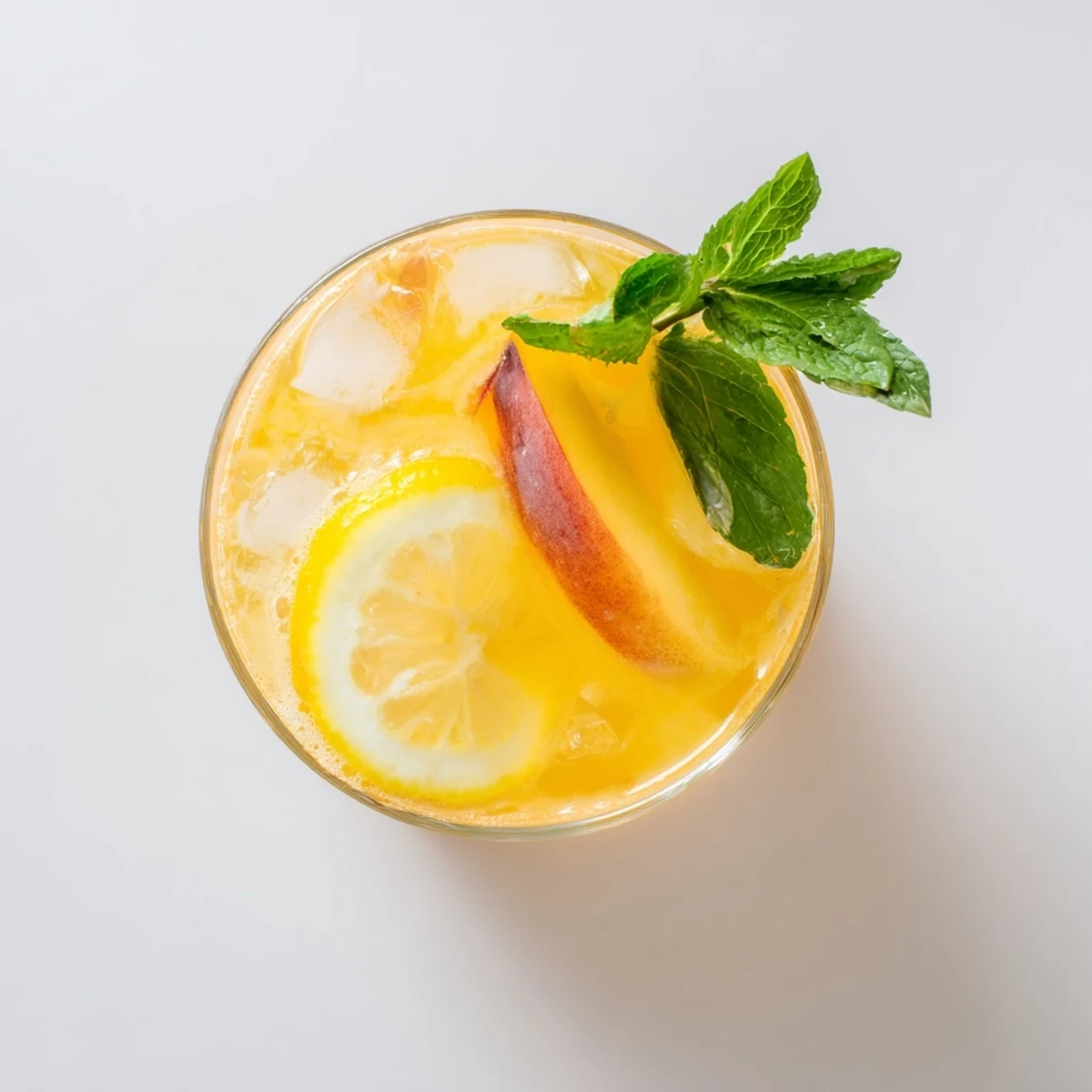
Save This vibrant peach lemonade combines the natural sweetness of ripe peaches with bright citrus notes for the ultimate summer cooler. Blending fresh peach slices with freshly squeezed lemon creates a smooth, fruity base that's perfectly balanced with just enough sweetness. The addition of sparkling water gives it a delightful effervescent twist, though it's equally delicious still.
Prepare this quick 15-minute beverage by blending the fruit, straining for smoothness, and mixing with cold water. Serve over ice with garnish for a beautiful presentation. The recipe easily adapts to your taste preferences—adjust the sweetness, add herbs like mint, or incorporate spirits for an adult version.
The farmer down the road handed me a paper bag dripping with peach juice last July and said I would figure out what to do with them. He was right. By noon I had a pitcher of this peach lemonade sitting on the counter, condensation already pooling beneath it, and my kids were lining up with glasses before I even tasted it myself.
My neighbor walked over one evening while I was straining peach pulp through the sieve and laughed at the mess on my hands. She stayed for two glasses and now texts me every weekend asking if the peaches are ripe yet.
Ingredients
- 3 large ripe peaches, peeled, pitted, and sliced: The riper the better since soft, fragrant fruit blends smoother and tastes sweeter without needing extra sugar.
- 3/4 cup freshly squeezed lemon juice (about 4 to 5 lemons): Bottled juice simply cannot compete with the bright, zippy punch you get from squeezing them yourself.
- 1/2 cup granulated sugar (or to taste): Start with half a cup and adjust upward because every peach brings a different level of natural sweetness.
- 4 cups cold water: Plain filtered water keeps the flavors clean, though sparkling water adds a festive fizz if you want something special.
- Ice cubes, peach slices, lemon wheels, and fresh mint leaves: These finishing touches turn a simple drink into something guests will photograph before sipping.
Instructions
- Blend the fruit base:
- Toss the peach slices and lemon juice into a blender and run it until the mixture is completely smooth and velvety, releasing that gorgeous golden color.
- Strain the puree:
- Pour the blended mixture through a fine mesh sieve into a pitcher, pressing firmly with the back of a spoon to push through every drop of liquid while catching the fibrous bits.
- Dissolve the sugar:
- Add the sugar directly to the warm peach puree in the pitcher and stir vigorously until not a single grain remains, which takes about a minute of patient circling.
- Add the water:
- Pour in the cold water and sparkling water if using, then stir everything together until the mixture looks beautifully uniform and inviting.
- Taste and adjust:
- Take a small sip and trust your palate, adding more sugar for sweetness or more lemon juice for brightness until it sings exactly the way you want.
- Pour and garnish:
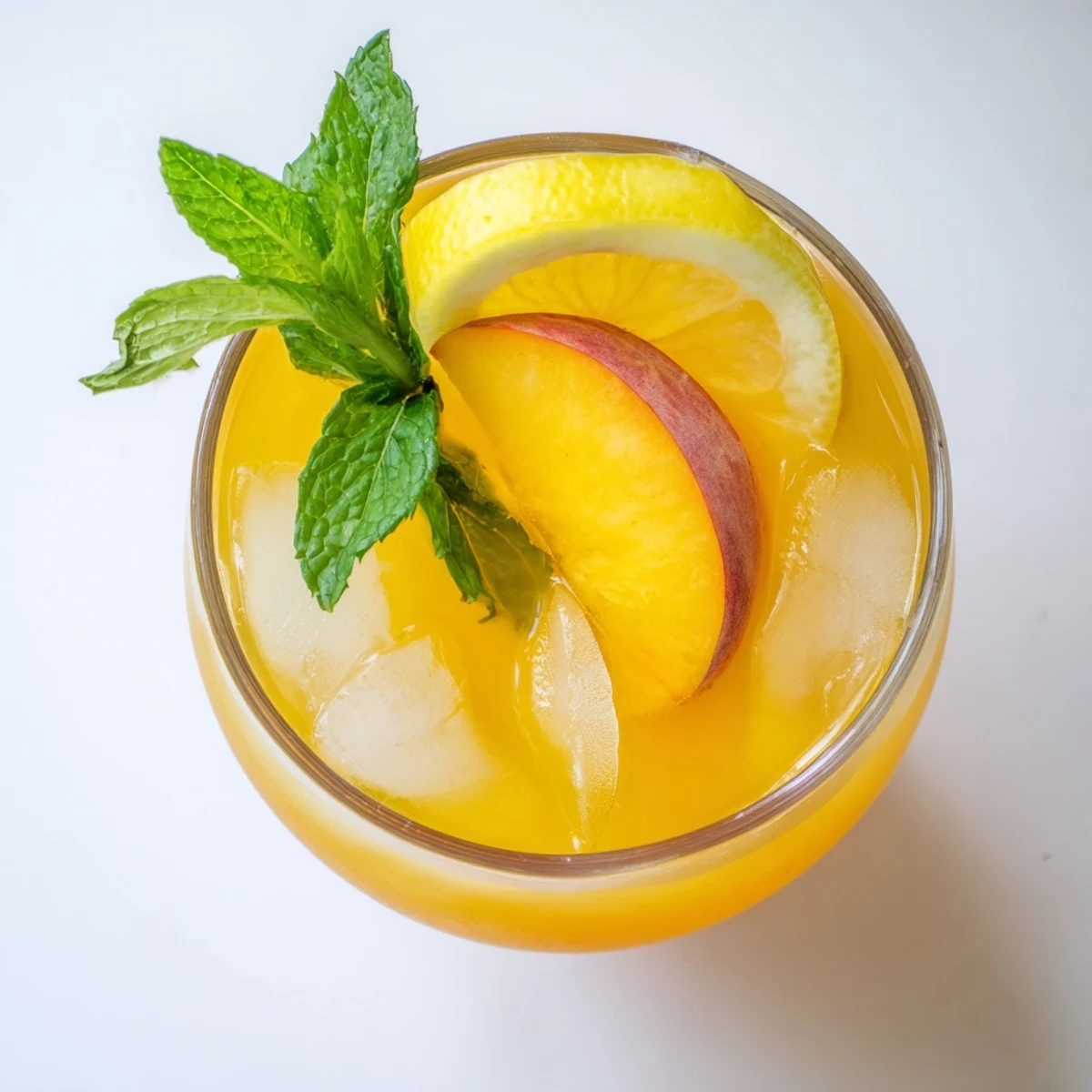
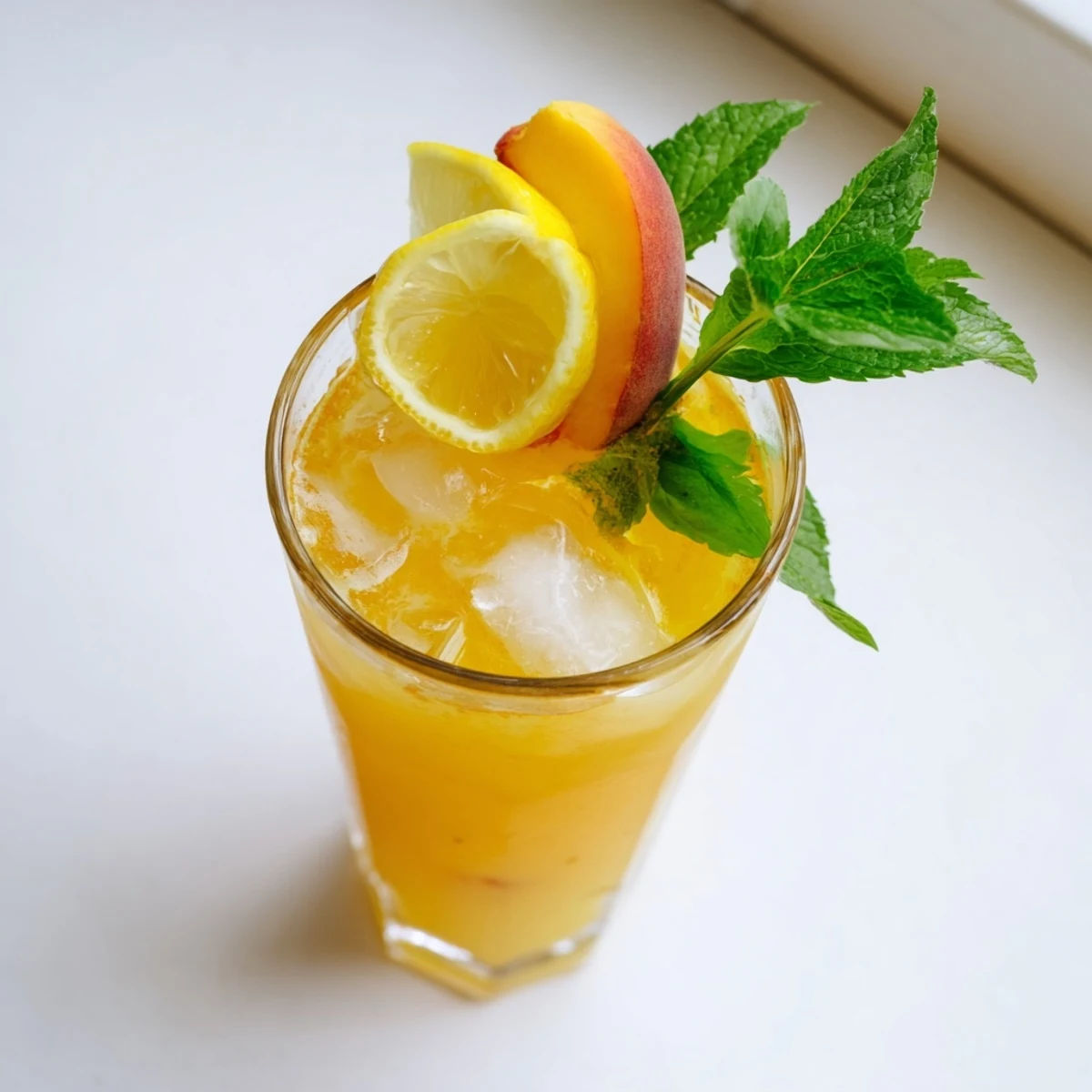
- Fill tall glasses with ice, ladle the lemonade over the top, and tuck a peach slice, a lemon wheel, and a sprig of mint against the rim before serving immediately.
 Save
Save I poured a leftover batch into popsicle molds on a whim last August, and those frozen peach lemonade pops became the most requested treat of the entire season.
Choosing the Best Peaches
Freestone varieties like Elberta or Redhaven pop cleanly away from the pit, saving you time and waste. If you can only find cling peaches, just slice around the pit carefully and accept that you will lose a little flesh. White peaches offer a more delicate, floral sweetness that makes a noticeably softer lemonade.
Making It Your Own
A splash of vodka or gin turns this into a dangerously easy cocktail for evening gatherings. Agave syrup or honey can replace the sugar if you prefer a less refined sweetener, though honey will shift the flavor profile in a lovely way. Frozen peaches work in a pinch, but thaw them first so your blender does not struggle.
Storing and Serving
This lemonade keeps beautifully in the refrigerator for up to three days, though the color may deepen slightly as it sits. Give it a good stir before pouring since separation is completely natural.
- Always store without ice to prevent dilution over time.
- Freeze extra peach puree in ice cube trays to chill future batches without watering them down.
- Serve within the first day for the brightest, most vibrant flavor.
 Save
Save Some recipes are just recipes, but this one tastes like standing barefoot on a porch somewhere you never want to leave. Make it once and you will find yourself waiting for peach season every single year.
Common Recipe Questions
- → Can I make peach lemonade ahead of time?
-
Yes, prepare the base up to 24 hours in advance and store refrigerated. Add sparkling water just before serving to maintain carbonation. The flavors actually meld and improve after a few hours in the refrigerator.
- → Do I have to peel the peaches?
-
Peeling ensures the smoothest texture, but if you prefer more fiber and don't mind some pulp, leave the skins on. The strained puree will still be drinkable, just with a slightly rustic consistency and more cloudy appearance.
- → What's the best way to adjust sweetness?
-
Start with the recommended 1/2 cup sugar, then taste after blending. Add more gradually, dissolving completely in a small amount of warm water before incorporating. Riper peaches require less added sweetener.
- → Can I use frozen peaches?
-
Absolutely. Thaw frozen peaches completely before blending. They may be slightly softer and juicier than fresh, so you might need slightly less water. Frozen fruit actually blends quite smoothly and works well year-round.
- → How do I make this sugar-free?
-
Replace granulated sugar with your preferred natural sweetener like stevia, monk fruit, or erythritol. These alternatives dissolve easily in the liquid. Alternatively, rely on the natural sweetness of very ripe peaches and add a splash of honey or maple syrup if needed.
- → What other fruits work well in this lemonade?
-
Strawberries, raspberries, watermelon, and mango all make excellent variations. The same blending and straining method applies. Stone fruits like nectarines or apricots create similar results, while berries add beautiful color.