
 Save
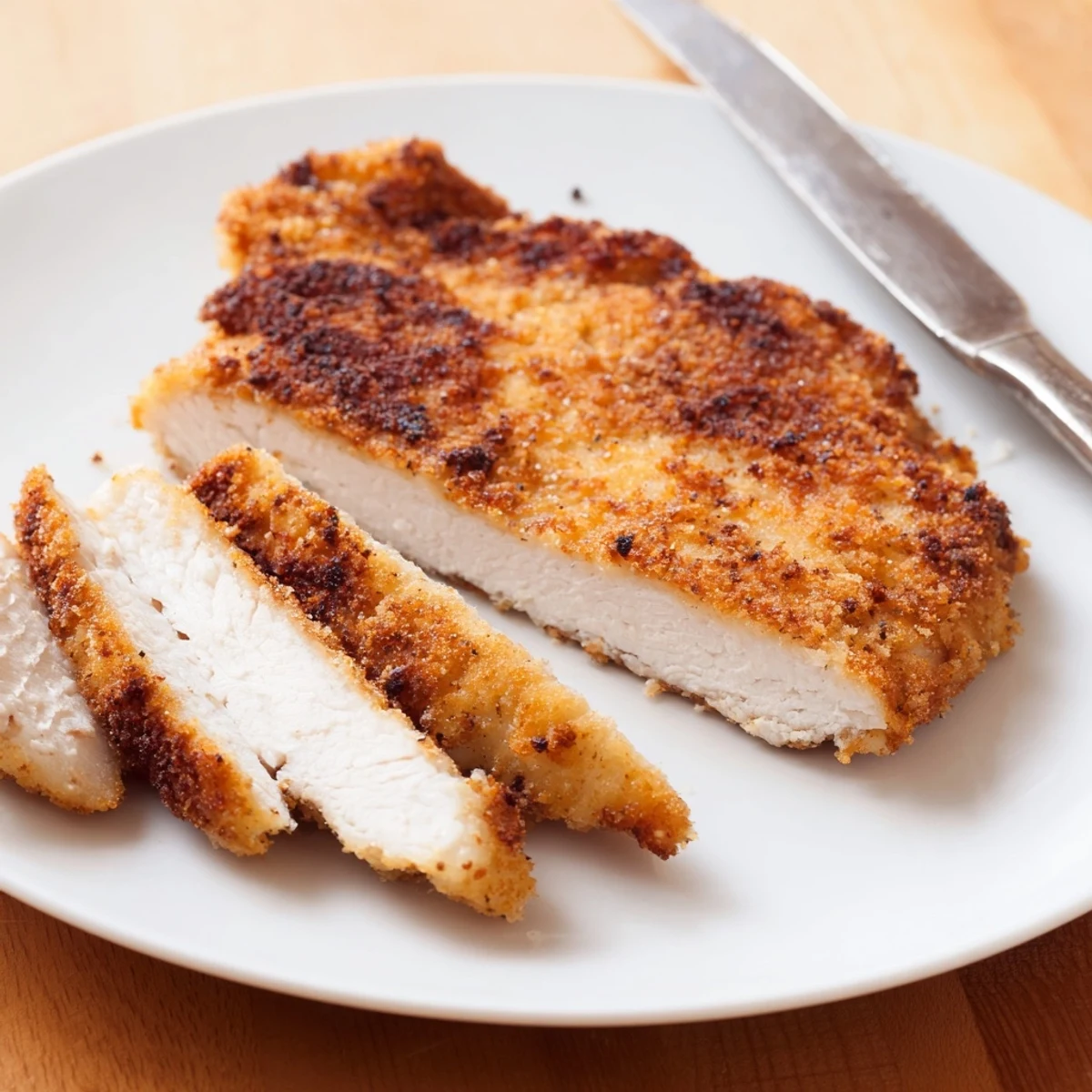
Save Marinate boneless chicken breasts in buttermilk with salt and pepper to tenderize, then press a seasoned mix of flour and cornstarch to form a crisp coating. Fry in hot oil at 350°F (175°C) without crowding for 6–7 minutes per side until the interior reaches 165°F (74°C). Rest briefly to lock juices, then serve with mashed potatoes or coleslaw; increase cayenne for heat or swap gluten-free flour as needed.
The sound of oil popping in a cast iron skillet is, in my opinion, one of the top five sounds in any kitchen. My roommate in college used to make fried chicken on Sunday nights, and the entire apartment would smell like a tiny southern restaurant for hours. I begged her for the recipe for two years before she finally wrote it on a napkin. That crumpled napkin is somewhere in a box still, but the recipe lives in my hands now.
One rainy Saturday I made a triple batch of this for a friend who had just moved into a new apartment with nothing but a mattress and a folding chair. She sat on that folding chair eating fried chicken straight from a paper towel and said it was the best housewarming gift anyone had ever given her.
Ingredients
- 4 boneless, skinless chicken breasts: Pounding them to even thickness is nonnegotiable, otherwise the thin end turns to cardboard while the thick end stays raw.
- 1 cup buttermilk: This is what makes the meat tender and helps the coating stick, so do not skip it or substitute regular milk without adding a squeeze of lemon.
- 1 teaspoon salt and 1/2 teaspoon black pepper for brine: Seasoning the marinade itself layers flavor into every bite rather than just sitting on the surface.
- 1 cup all-purpose flour: The base of your coating, providing structure and that familiar golden crust.
- 1/2 cup cornstarch: This is the trick that makes the crust impossibly light and crispy instead of dense and breadlike.
- 1 teaspoon paprika: Adds a subtle warmth and helps the coating brown beautifully in the oil.
- 1 teaspoon garlic powder: Distributes garlicky flavor evenly through the coating without burning like fresh garlic would.
- 1/2 teaspoon cayenne pepper, optional: Just enough to make your lips tingle without overwhelming anyone sensitive to heat.
- 1 teaspoon salt and 1/2 teaspoon ground black pepper for coating: Trust the amount, underseasoned fried chicken is a sadness nobody deserves.
- About 2 cups vegetable oil for frying: You want enough oil to come halfway up the chicken pieces, and vegetable oil has a neutral flavor and high smoke point.
Instructions
- Flatten the chicken:
- Place each breast between two sheets of plastic wrap and pound with a mallet or rolling pin until about half an inch thick. Listen for that satisfying, even thud that tells you the job is done.
- Make the buttermilk bath:
- Whisk together the buttermilk, a teaspoon of salt, and half a teaspoon of pepper in a bowl big enough to hold all four breasts. Submerge the chicken and let it soak for at least thirty minutes, or up to four hours if you have the patience.
- Mix your coating station:
- In a separate wide bowl, combine the flour, cornstarch, paprika, garlic powder, cayenne if using, salt, and pepper. Whisk it until everything is evenly distributed and smells fragrant.
- Dredge with intention:
- Pull each breast from the buttermilk, let the excess drip off for a second, then press it firmly into the flour mixture on both sides. Really push the coating into the meat with your palms so it sticks in every crevice.
- Heat the oil:
- Pour oil into a large skillet or deep pan to about an inch deep and bring it to 350 degrees Fahrenheit over medium heat. A kitchen thermometer helps, but you can also test with a pinch of flour that should sizzle immediately without burning.
- Fry in batches:
- Carefully lower two pieces at a time into the hot oil and cook for six to seven minutes per side until deeply golden and cooked through to 165 degrees Fahrenheit inside. Never crowd the pan or the temperature drops and you end up with greasy, sad chicken.
- Rest before serving:
- Transfer the fried chicken to a paper towel lined plate and let it sit for two to three minutes. This brief rest lets the juices redistribute so the first bite is as juicy as the last.
 Save
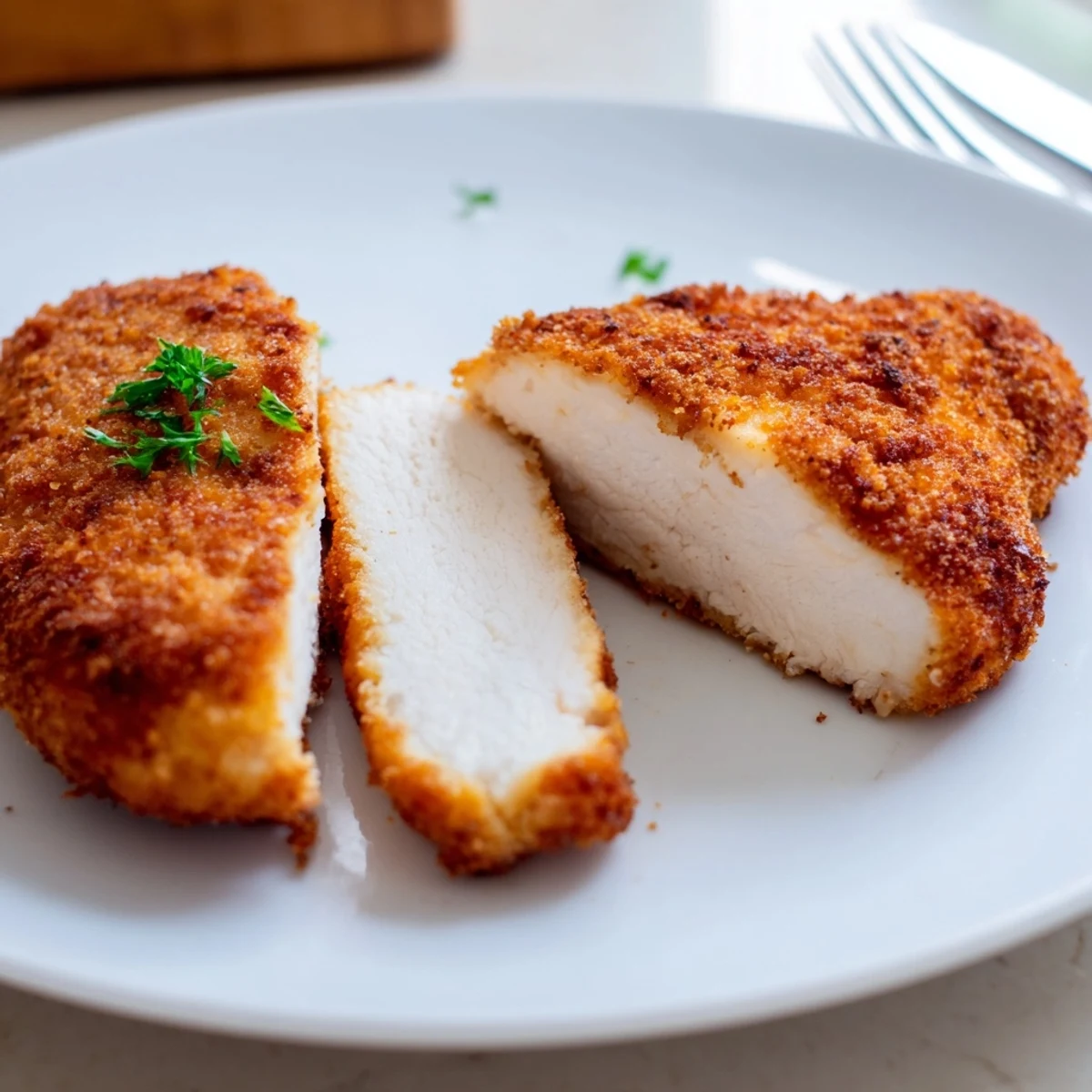
Save The first time I got the crust right, truly golden and crackling, I stood at the counter eating an entire breast with my fingers before it even made it to a plate. Some recipes earn that kind of disrespect.
Getting the Crust Right Every Time
The single biggest factor between a good crust and a great one is the cornstarch ratio. Too much flour and it tastes bready and heavy. Too much cornstarch and it turns oddly chalky. Half a cup per cup of flour is the sweet spot I landed on after at least a dozen attempts, each slightly different from the last.
What to Serve Alongside
Mashed potatoes and coleslaw are the obvious choices, and they are obvious for a reason. The creamy potatoes temper the crunch while the slaw cuts through the richness with acidity. I also love tucking a piece between a toasted brioche bun with pickles and a smear of spicy mayo for a sandwich that rivals any restaurant version.
Making It Your Own
Once you have the basic technique down, this recipe becomes a canvas. Swap the paprika for smoked paprika, add a tablespoon of hot sauce to the buttermilk, or toss in dried herbs like thyme and oregano to the flour mix. The bones of the recipe are sturdy enough to handle almost any flavor direction you want to take it.
- For a gluten free version, a one to one gluten free flour blend works well in place of all purpose flour.
- Marinate overnight in the refrigerator for the most tender, flavorful chicken you have ever had.
- Always let the fried chicken rest those couple of minutes before cutting so you do not lose all the juices onto the plate.
 Save
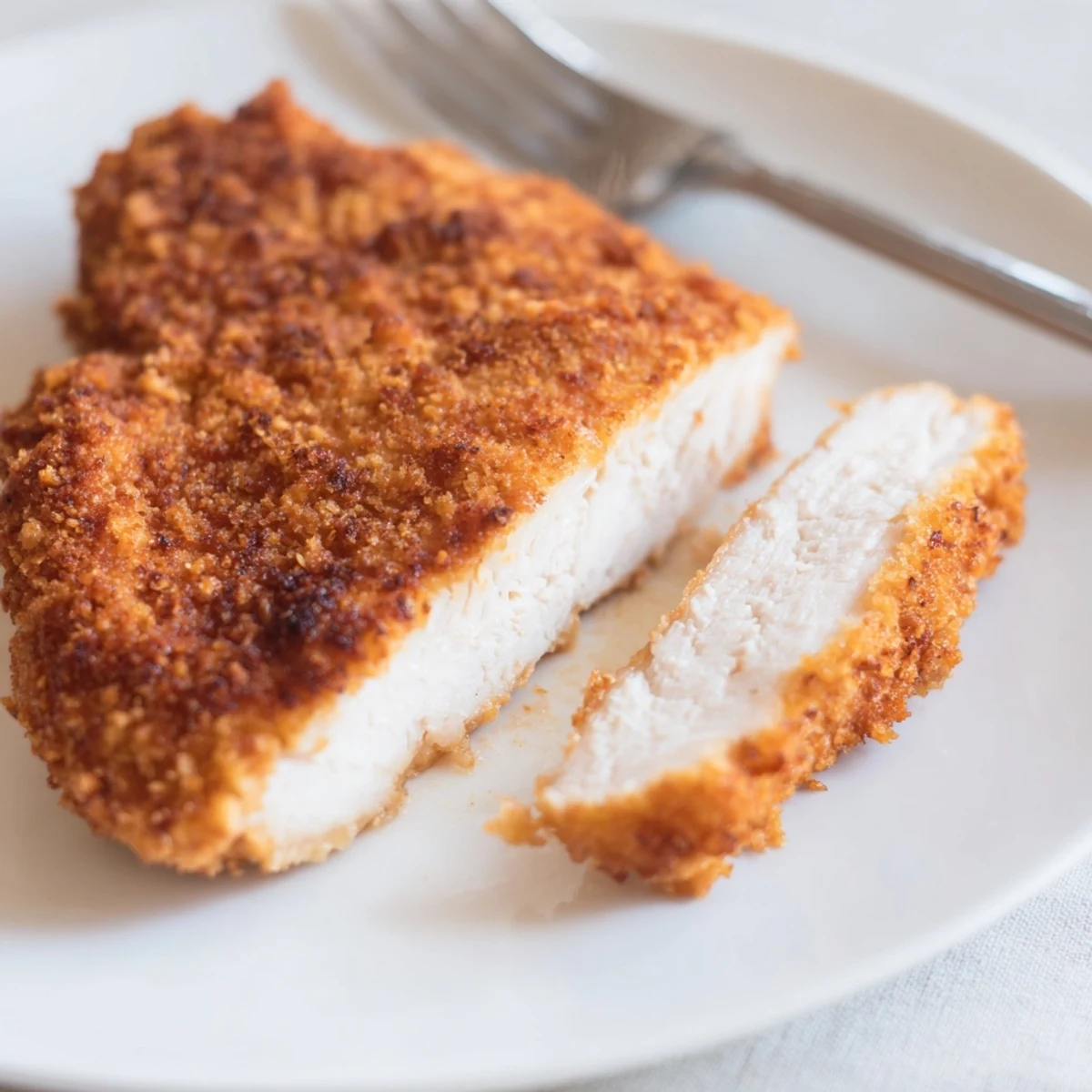
Save Fried chicken is never just dinner. It is the reason people gather in the kitchen and linger long after the plates are empty.
Common Recipe Questions
- → How long should I marinate the chicken?
-
Marinate for at least 30 minutes to tenderize; 2–4 hours boosts flavor and juiciness, and an overnight soak yields the most tender results.
- → What oil temperature is best for frying?
-
Heat oil to 350°F (175°C) for steady browning. Use a thermometer and adjust heat between batches to keep the temperature consistent.
- → How do I get a super-crisp coating?
-
Combine flour with cornstarch and spices, press the mixture firmly onto damp chicken, and avoid overcrowding the pan so the crust fries quickly and evenly.
- → How can I tell when the chicken is done?
-
Check with a kitchen thermometer: the internal temperature should reach 165°F (74°C). Alternatively, slice to ensure juices run clear and the meat is opaque throughout.
- → Can I make this gluten-free?
-
Yes. Substitute all-purpose flour with a gluten-free flour blend while keeping cornstarch; adjust seasoning since some blends absorb moisture differently.
- → What’s the best way to reheat leftovers?
-
Reheat in a 375°F (190°C) oven on a wire rack for 10–15 minutes to revive the crisp crust without drying the meat.