
 Save
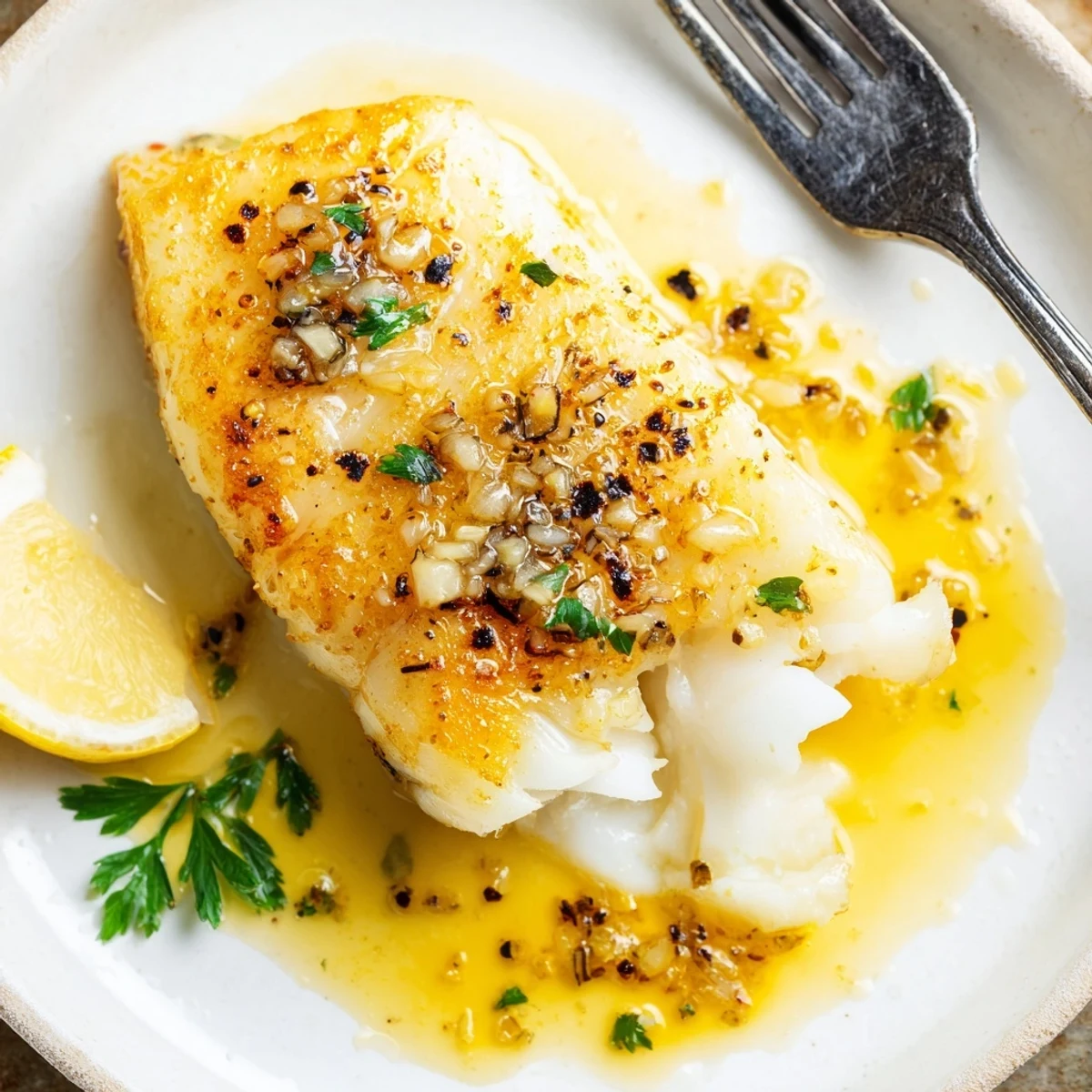
Save Tender white fish fillets are patted dry, seasoned, and seared 3–4 minutes per side until golden. Reduce heat, add butter and sautéed garlic, then stir in lemon juice, zest and chopped parsley to coat the fillets. Total time 25 minutes; serves 4. Swap salmon or snapper, add red pepper flakes for heat, and serve with steamed vegetables, rice or crusty bread. Use a large nonstick skillet and a fish spatula for easy turning.
The last time I made this garlic butter fish was on a work night when my kitchen windows fogged up from the drizzle outside. The aroma of sizzling garlic hit before the butter melted, and before I knew it, even the neighbor poked her head in, asking what smelled so lively. A meal that goes from fridge to plate in under half an hour feels like a small culinary victory. No fanfare—just crisp corners on the fish and the rush of lemon hitting hot butter.
I pulled this recipe out for a late lunch after my partner forgot his leftovers at the office. We laughed about the gap in our memory while squeezing fresh lemon, and caught up over the gentle bubble of butter in the pan. There’s something immediately soothing in sharing a quick, hands-on dish when the day has gone sideways. It’s gone from a backup plan to a reason I look forward to fish night every week.
Ingredients
- White fish fillets: Use fillets like cod, tilapia, or haddock—the trick is to pat them really dry, so they sear instead of steam.
- Salt and freshly ground black pepper: Seasoning both sides evenly means every bite is perfectly balanced—even before the sauce hits.
- Unsalted butter: Real butter is non-negotiable here, but I learned cold cubes melt more smoothly than letting it soften ahead.
- Garlic: Mince your garlic super fine, as big chunks can scorch fast and turn bitter.
- Fresh lemon juice: Squeeze right before using for brightness that cuts through the richness of the butter beautifully.
- Lemon zest: Always zest before juicing, and try not to dig into the bitter white pith underneath.
- Chopped fresh parsley: Parsley adds color and freshness—save some for scattering just before serving.
- Lemon wedges (optional): An extra wedge at the table perks up any leftovers.
- Extra chopped parsley (optional): If you love that hint of green, sprinkle with a loose hand.
Instructions
- Season and prep the fish:
- Lay the fish fillets on paper towels, drying each side well. Sprinkle both sides generously with salt and ground black pepper.
- Heat the pan and melt butter:
- In a large nonstick skillet, melt 2 tablespoons of butter over medium-high heat until it sizzles quietly around the edges.
- Sear the fish:
- Place fillets gently in the pan, spacing apart. Cook for 3-4 minutes per side until golden and flakes away when nudged with your spatula; move them to a plate once done.
- Build the sauce:
- Turn down the heat and add the last 2 tablespoons of butter to the empty skillet. Tip in the minced garlic, stirring constantly for about a minute, just until its fragrance drifts up but before it browns.
- Bring in the lemon:
- Add in lemon juice and zest, stirring to lift any caramelized bits off the pan. Slide the fish back into the sauce, basting each fillet well with a spoon.
- Add the finishing touches:
- Shower over chopped parsley while the butter still bubbles. Serve straight away, with lemon wedges and extra parsley if you want an extra hit of green.
 Save
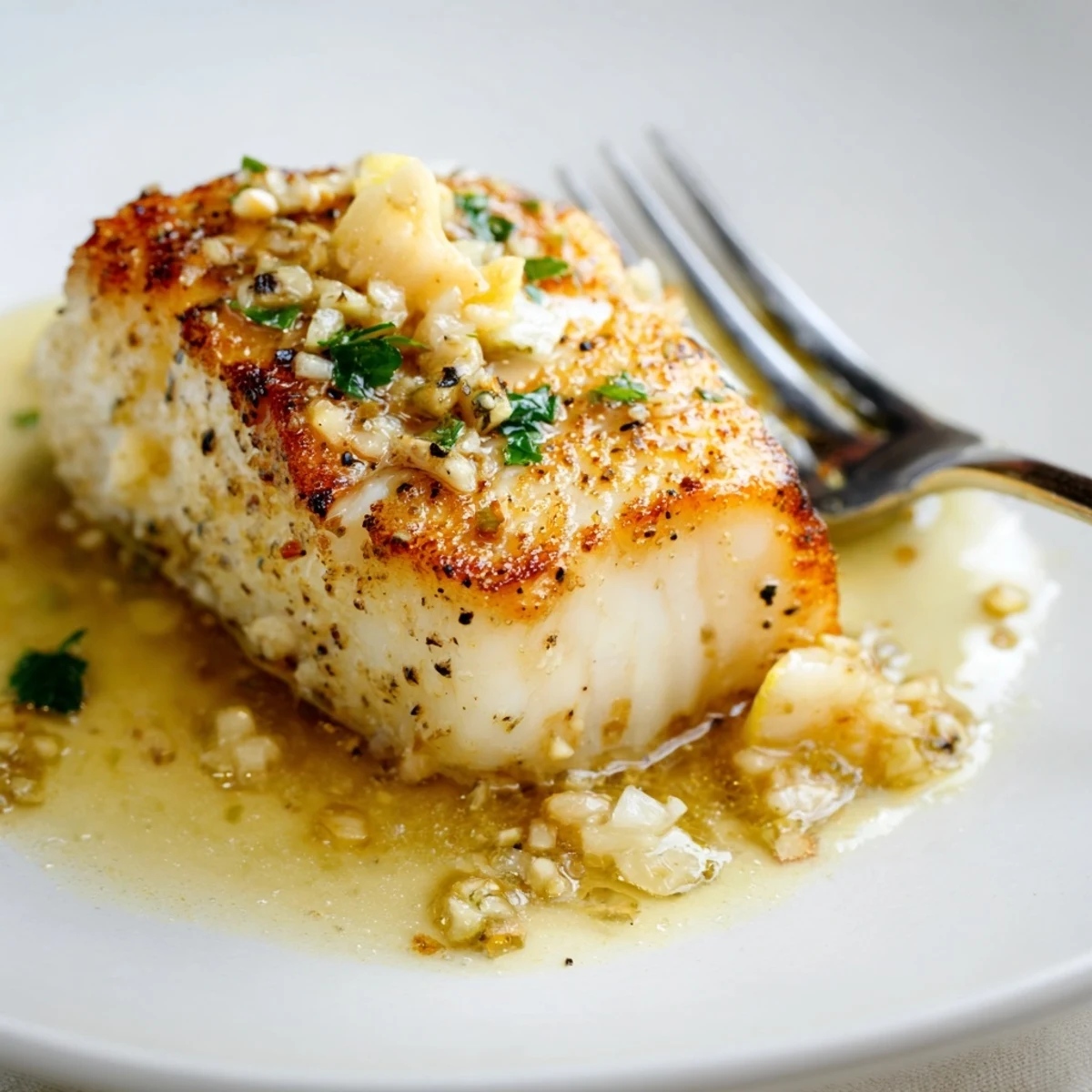
Save One evening, my niece, skeptical of anything 'swimming,' surprised us by mopping up her plate, garlic butter and all, with hunks of bread. That’s the moment I realized this recipe wins over even the reluctant fish eaters. Now, it’s in rotation for family get-togethers where everyone asks for seconds.
What to Serve Alongside
I’ve served this with everything from steamed green beans to roasted potatoes, but nothing beats dunking crusty bread straight into that leftover pan sauce. Even a bowl of rice will gladly soak up the buttery goodness left behind. Don’t overthink it—choose sides that sweep up every drop.
Cooking Tools Worth Having Close
A wide, truly nonstick skillet makes flipping fillets feel a bit less nerve-wracking—plus you get those golden edges without sticking. I keep a fish spatula handy, but any flat spatula will do the job. A microplane makes zesting faster and safer, so you never accidentally bite into bitterness.
Flavor Twists to Try
If you’re in the mood for a little heat, a pinch of red pepper flakes wakes up the sauce beautifully without overpowering the fish. Fresh dill or chives can swap in for parsley, changing up the herbal note. The recipe even turns out great with a change of fish, like snapper or salmon, if white fillets aren’t on hand.
- Keep lemon and butter balanced—taste the sauce before serving.
- Let the fish rest on the plate briefly before spooning over the sauce.
- Wipe the skillet between batches if doubling the recipe.
 Save
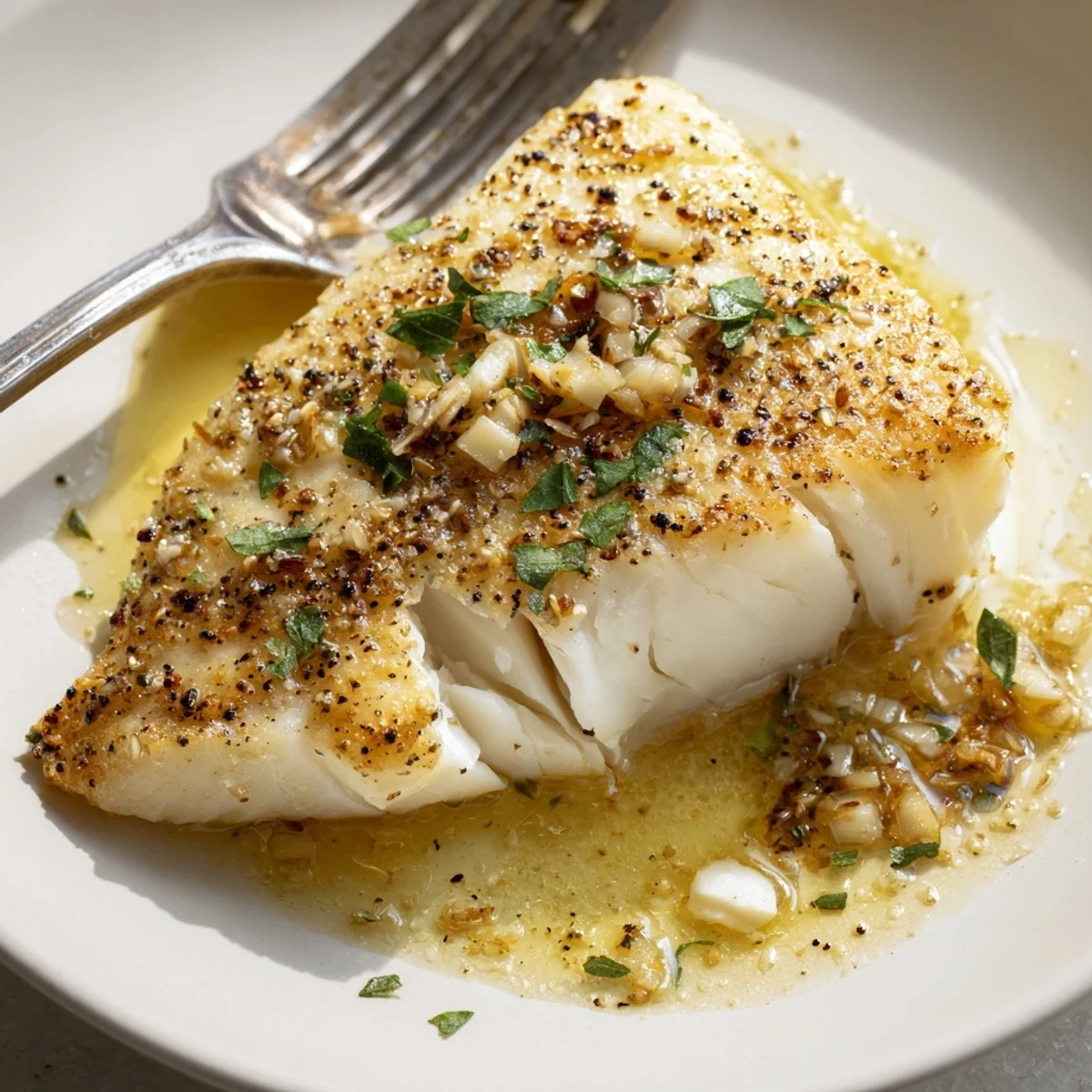
Save Here’s to meals that taste like care went into every step—even when the day was hectic. Share it straight from the skillet, and let the conversation linger like that swirl of garlic in warm butter.
Common Recipe Questions
- → How can I tell when the fish is fully cooked?
-
The fillets should be opaque and flake easily with a fork. Aim for an internal temperature of 145°F (63°C). Searing 3–4 minutes per side usually reaches that for 6 oz fillets.
- → Which fish work best for this preparation?
-
Lean white fish like cod, tilapia, or haddock are ideal for quick searing. You can also use salmon or snapper for a richer flavor and firmer texture.
- → How do I prevent the fish from sticking to the pan?
-
Pat fillets dry and season them just before cooking. Heat the pan until hot, add butter, then place the fish without crowding. Let it form a golden crust before flipping.
- → Can I make this dairy-free?
-
Yes—use a high-quality vegan butter or a neutral oil like avocado. The lemon and garlic will still provide bright, savory flavors.
- → How can I add heat or extra flavor to the sauce?
-
Stir a pinch of red pepper flakes or a dash of cayenne into the butter as you sauté the garlic. A splash of white wine or a little caper adds tangy depth.
- → What is the best way to reheat leftovers?
-
Gently warm the fillets in a skillet over low heat with a teaspoon of butter or oil, spooning the sauce over the fish to keep it moist. Avoid the microwave to prevent drying out.