
 Save
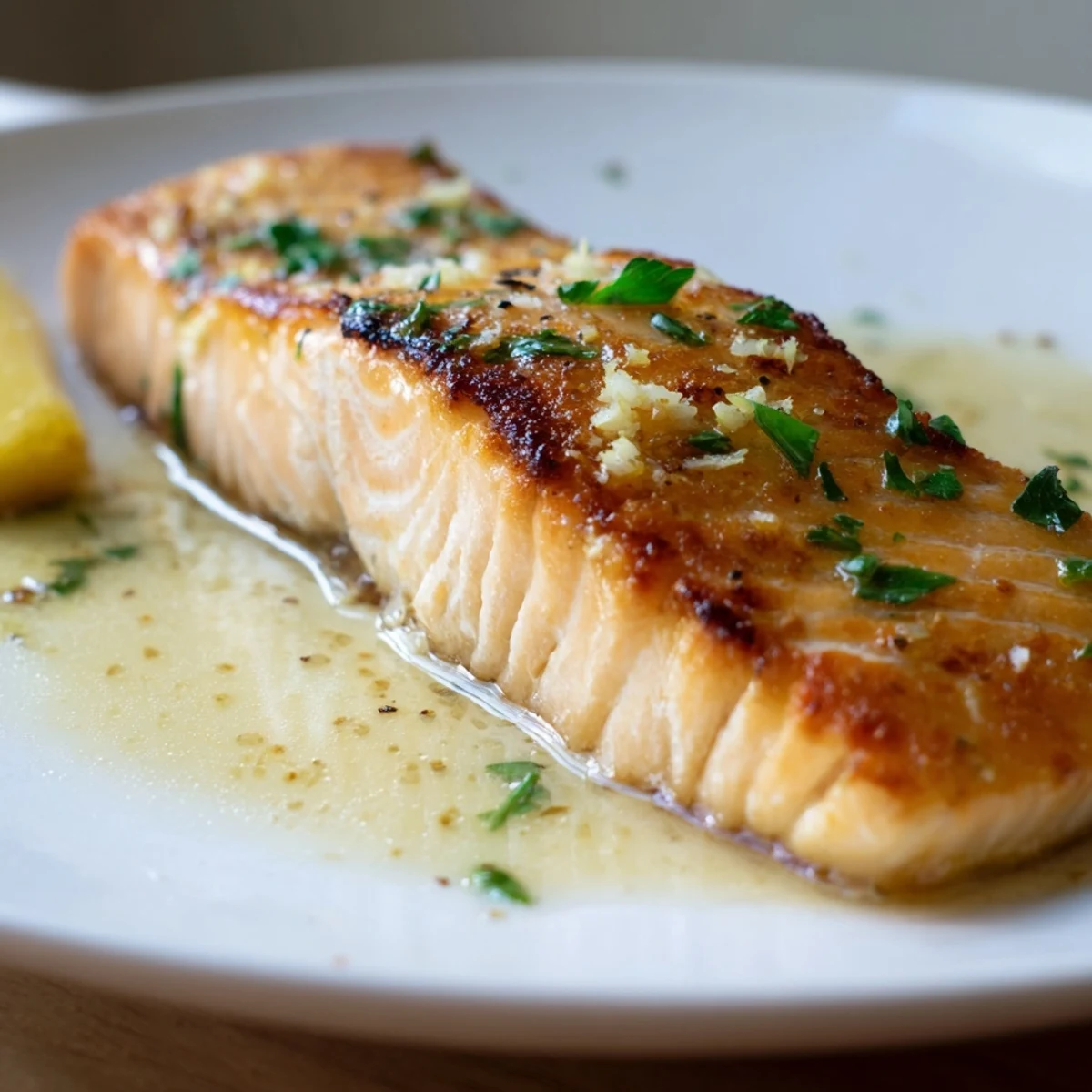
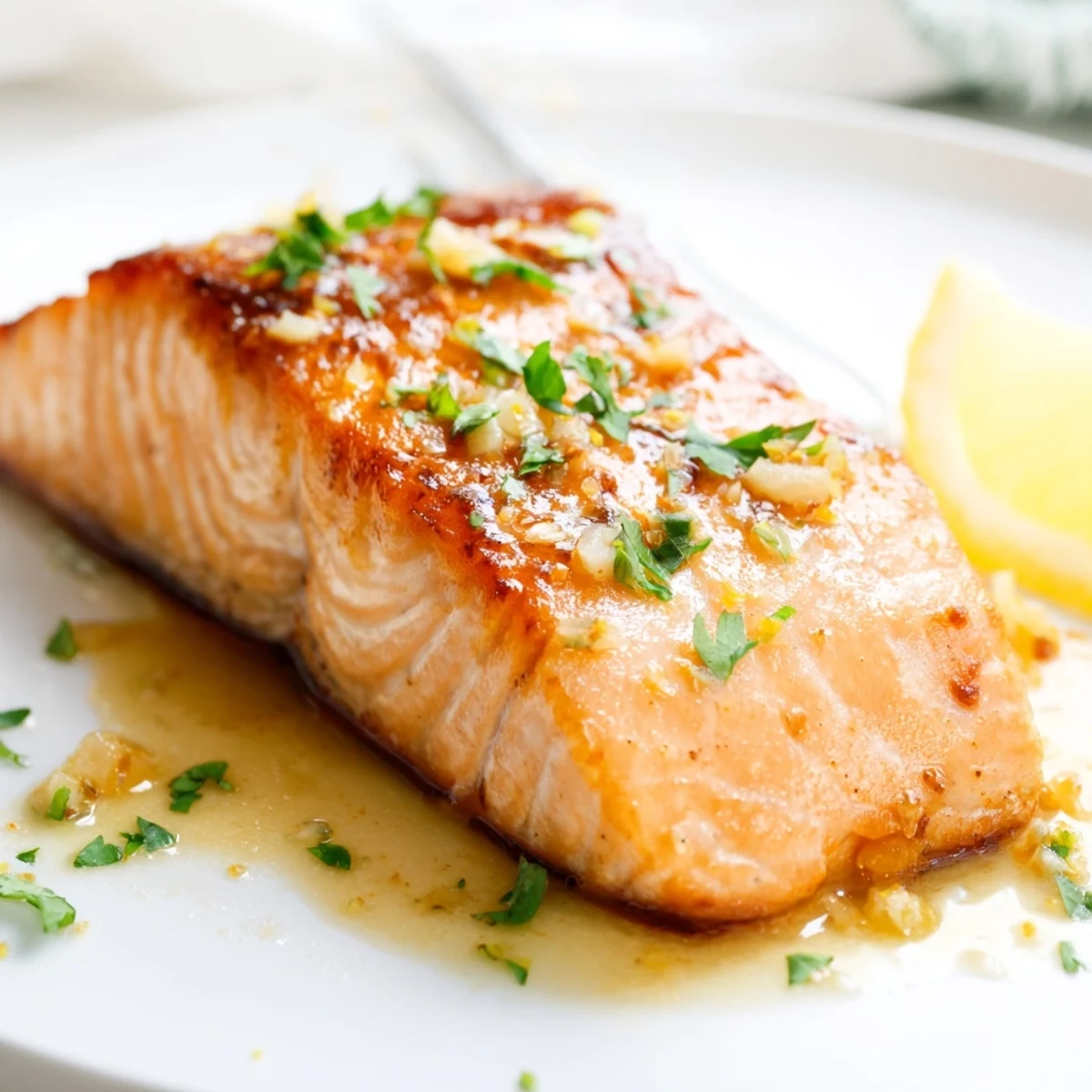
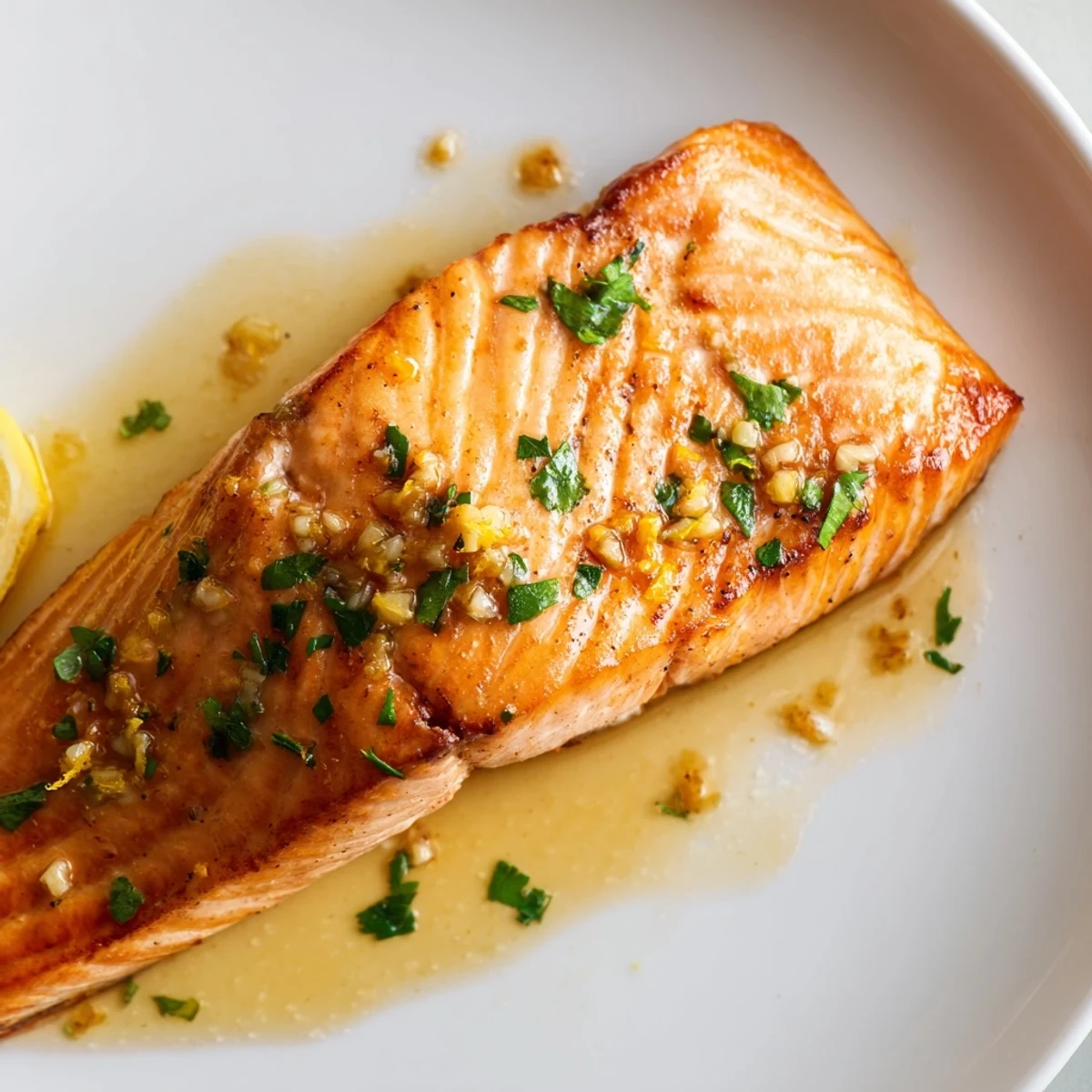
Save This garlic butter salmon delivers a perfectly golden, flaky fillet seared in a luscious blend of butter, minced garlic, and fresh lemon. Ready in just 25 minutes from start to finish, it's an ideal weeknight dinner that feels indulgent without the effort.
The technique is simple: sear the salmon skin-side down until golden, then baste with melted garlic butter until it flakes easily with a fork. A finishing squeeze of lemon and sprinkle of fresh parsley brighten every bite.
Serve alongside steamed vegetables, fluffy rice, or a crisp green salad for a complete meal that's naturally low-carb, gluten-free, and pescatarian-friendly.
The sizzle of butter hitting a hot pan is my favorite sound in the kitchen, and this garlic butter salmon recipe is the reason why. It started on a Tuesday when the fridge offered nothing but salmon fillets and a bag of lemons. Twenty five minutes later I was convinced Id never need another recipe. The garlic butter sauce practically makes itself while the salmon cooks, which feels like cheating somehow.
My neighbor Karen stopped by once while I was making this and ended up staying for dinner with her whole family. She now texts me every Friday asking if Im making the salmon again. I always say yes because honestly it takes less effort than deciding what else to cook.
Ingredients
- 4 salmon fillets (170 g each), skin-on or skinless: Skin-on gives you a crispy bottom, but skinless works beautifully if you prefer less fuss.
- 4 tablespoons unsalted butter: Unsalted lets you control the seasoning, and you need every tablespoon for that sauce.
- 4 garlic cloves, minced: Fresh garlic only. The jarred stuff tastes flat and you will notice the difference here.
- 1 tablespoon fresh lemon juice: Bottled juice works in a pinch but fresh brightens everything dramatically.
- 1 teaspoon lemon zest: This is where the real lemon flavor lives, so dont skip it.
- 1 tablespoon fresh parsley, chopped: Flat leaf or curly both work. It adds color and a fresh finish.
- Salt and freshly ground black pepper: Season generously on both sides of the fish.
Instructions
- Dry and season the salmon:
- Pat each fillet thoroughly with paper towels until the surface feels barely damp. Sprinkle salt and pepper on both sides like you mean it.
- Get the pan hot:
- Melt two tablespoons of butter in your skillet over medium high heat and wait until it starts to foam and smell nutty.
- Sear the first side:
- Lay the salmon in skin side down and resist every urge to move it for four to five minutes. You want a deep golden crust that releases naturally from the pan.
- Flip and build the sauce:
- Flip the fillets, then drop in the remaining butter, garlic, and lemon zest all at once. Spoon that foaming garlic butter over the salmon repeatedly for two to three minutes.
- Finish with brightness:
- Squeeze lemon juice directly over the fillets and scatter the chopped parsley on top. Pull the pan off heat when the fish flakes apart gently at the touch of a fork.
- Serve right away:
- Plate the salmon with lemon wedges and extra parsley if you are feeling fancy. The sauce pooled at the bottom of the pan belongs on everything.
 Save
Save One evening my daughter walked in, sniffed the air, and said it smells like a restaurant in here. That sentence still lives rent free in my head every time I make this dish.
Serving Ideas That Actually Work
Steamed broccoli or asparagus are obvious choices, but this salmon also loves a pile of buttery mashed potatoes or a simple arugula salad with olive oil. The leftover sauce drizzled over roasted vegetables might be better than the salmon itself.
If You Prefer to Bake It
Arrange the seasoned fillets in a baking dish with the butter, garlic, and zest scattered around them. Bake at 200°C (400°F) for twelve to fifteen minutes and baste halfway through with the pooled butter.
What Can Go Wrong and How to Avoid It
Most problems with this recipe come from heat that is too high or fish that is too wet. Trust the process and keep a close eye during the last two minutes.
- If the butter starts browning too fast, slide the pan off heat for a few seconds to calm things down.
- Test doneness by pressing the thickest part of the fillet. It should give slightly but not feel mushy.
- Remember that salmon keeps cooking after you remove it from the pan, so pull it just before you think it is done.
 Save
Save Keep this recipe in your back pocket for nights when you want something wonderful without thinking too hard. The butter and garlic will do most of the talking for you.
Common Recipe Questions
- → How do I know when the salmon is fully cooked?
-
The salmon is done when it flakes easily with a fork and turns mostly opaque throughout. For a standard 170 g fillet, expect roughly 4–5 minutes on the first side and 2–3 minutes after flipping. The internal temperature should reach 63°C (145°F) for food safety.
- → Can I use skinless salmon fillets instead?
-
Absolutely. Both skin-on and skinless fillets work well here. If using skin-on, start by searing skin-side down to get it crispy. With skinless fillets, simply sear each side evenly. The garlic butter basting keeps either version moist and flavorful.
- → Can I bake this instead of pan-searing?
-
Yes. Place the seasoned salmon fillets in a baking dish with the garlic butter mixture and bake at 200°C (400°F) for 12–15 minutes. Baking is a great hands-off alternative, though you won't get the same golden crust as pan-searing.
- → What can I substitute for butter to make it dairy-free?
-
You can swap the unsalted butter for a dairy-free butter alternative or olive oil. Keep in mind that butter contributes to the rich sauce, so dairy-free butter will get you closer to the original texture and flavor than oil alone.
- → What side dishes pair well with garlic butter salmon?
-
Steamed vegetables like asparagus or broccoli, fluffy white or brown rice, roasted potatoes, or a fresh green salad are all excellent companions. The garlic butter sauce pairs beautifully with grains and greens alike, so choose whatever fits your dietary preferences.
- → How should I store and reheat leftovers?
-
Store leftover salmon in an airtight container in the refrigerator for up to 2 days. To reheat, warm gently in a skillet over low heat or in the oven at 150°C (300°F) to avoid overcooking. Microwaving works but can make the fish slightly rubbery.