
 Save
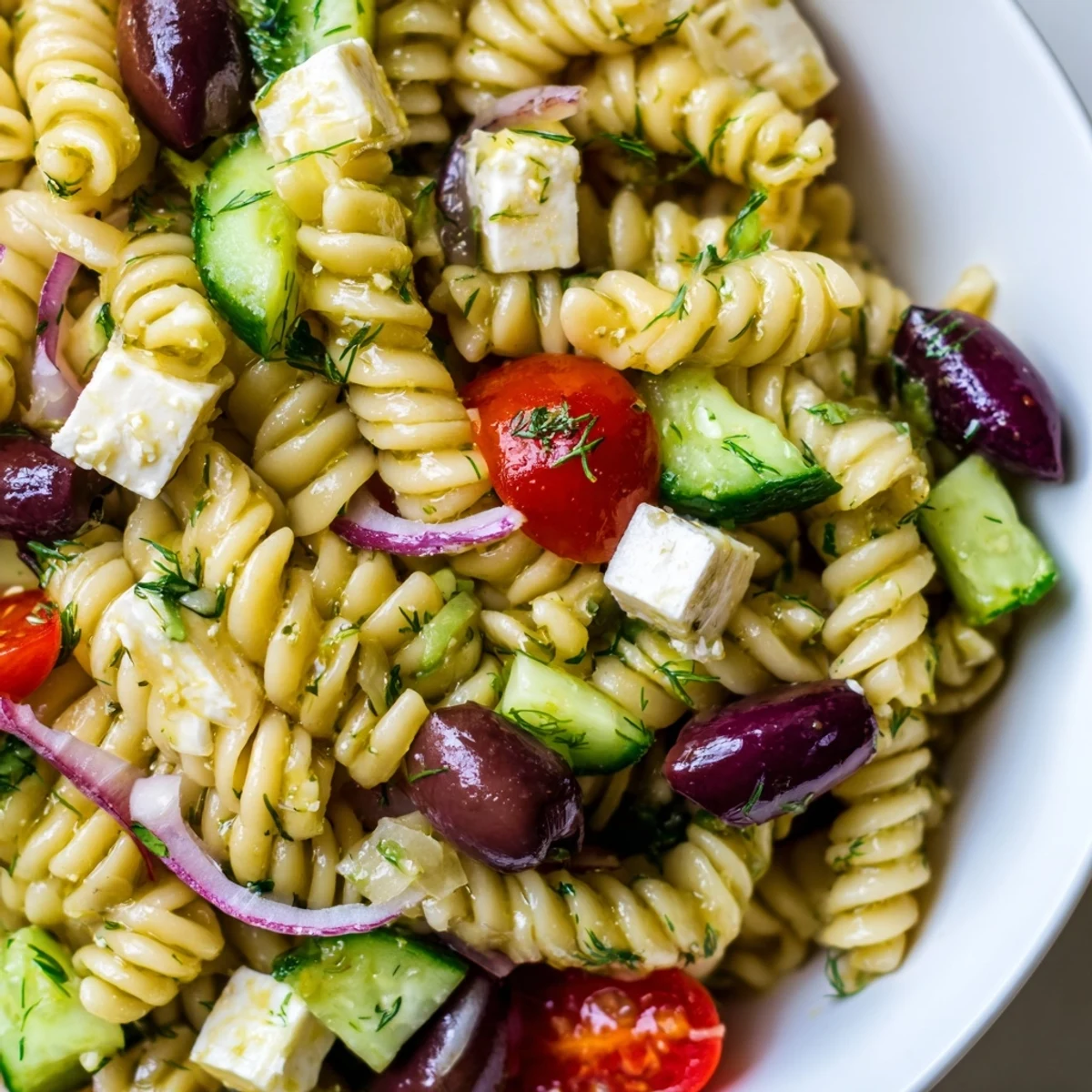
Save This Greek pasta salad brings together al dente short pasta with crisp cucumber, juicy cherry tomatoes, briny Kalamata olives, and creamy feta cheese. A bright homemade dressing of olive oil, red wine vinegar, dried oregano, garlic, and lemon zest ties everything together.
Ready in just 30 minutes with only 10 minutes of cooking, it's an effortless dish ideal for warm-weather gatherings, potlucks, or a satisfying light meal. Tossed with fresh parsley and dill, every bite is bursting with Mediterranean sunshine. Serve it chilled for the best flavor.
The screen door slammed shut behind me as I carried a enormous bowl of something I hoped would be edible to my neighbors rooftop potluck last July. I had thrown together a Greek pasta salad on a whim, tossing in whatever the farmers market had given me that morning. Someone asked for the recipe before I even set the bowl down, and I realized I had stumbled onto something worth keeping. That mismatched, sweaty afternoon turned a random experiment into my most requested summer dish.
My friend Elena, who is Greek and therefore a ruthless critic of anything labeled Mediterranean, took one bite and closed her eyes. She said nothing for a long, uncomfortable moment. Then she nodded once and told me the feta was good but I should have used block instead of pre crumbled. She was right, and I have not made that mistake since.
Ingredients
- Short pasta (300 g): Penne, rotini, or fusilli all work, but ridged shapes grip the dressing better and deliver more flavor in every bite.
- English cucumber (1): Dice it small and leave the skin on for color and crunch.
- Red bell pepper (1): Sweetness that balances the briny olives and tangy dressing.
- Cherry tomatoes (200 g): Halved so their juice mixes into the dressing and creates a looser, more luxurious coating.
- Red onion (1 small): Soak the slices in cold water for five minutes if you find raw onion too aggressive.
- Kalamata olives (100 g): Pitted and halved so nobody chips a tooth mid conversation.
- Feta cheese (150 g): Buy it in block form and cube it yourself for creamier, more substantial pieces that hold their shape.
- Fresh parsley (2 tbsp): Adds a grassy freshness that dried herbs simply cannot replicate.
- Fresh dill (1 tbsp): Optional but highly recommended, it lifts the whole bowl into something that tastes genuinely Greek.
- Extra virgin olive oil (4 tbsp): Use the good stuff here since the dressing is raw and the flavor shines through completely.
- Red wine vinegar (2 tbsp): The sharp acidic backbone that ties everything together.
- Dried oregano (1 tsp): Rub it between your palms before adding to wake up the essential oils.
- Garlic (1 clove): Minced finely so it disperses evenly without overpowering any single bite.
- Salt (1/2 tsp): Start here because the feta and olives contribute saltiness of their own.
- Black pepper (1/4 tsp): Freshly ground always, the pre ground stuff tastes like dust.
- Lemon zest (from 1 lemon): The real secret weapon that makes this salad unforgettable.
Instructions
- Cook the pasta right:
- Boil the pasta in well salted water until just past al dente since it firms up as it cools. Drain and rinse immediately under cold running water, tossing gently to stop the cooking and wash away excess starch.
- Build the salad base:
- In your largest bowl, combine the cooled pasta with the diced cucumber, red bell pepper, halved cherry tomatoes, sliced red onion, and halved Kalamata olives. The bowl should look riotously colorful at this stage, like a garden exploded.
- Whisk the dressing:
- In a small bowl, combine the olive oil, red wine vinegar, dried oregano, minced garlic, salt, pepper, and lemon zest, whisking aggressively until the mixture looks cloudy and emulsified. Taste it on your finger and trust your instincts.
- Marry the two:
- Pour the dressing over the salad and toss thoroughly, making sure every piece of pasta and every vegetable gets coated. Use two large spoons or your hands if you are feeling bold.
- Add the treasures:
- Gently fold in the cubed feta, chopped parsley, and dill, being careful not to smash the cheese into crumbs. You want visible, proud chunks scattered throughout.
- Taste and adjust:
- Take a proper bite with a fork, not just the dressing. Add more salt, pepper, or a squeeze of lemon juice if it needs waking up.
- Let it rest:
- Refrigerate for at least fifteen minutes before serving so the flavors can settle and get to know each other. The salad improves dramatically with even a short nap in the cold.
 Save
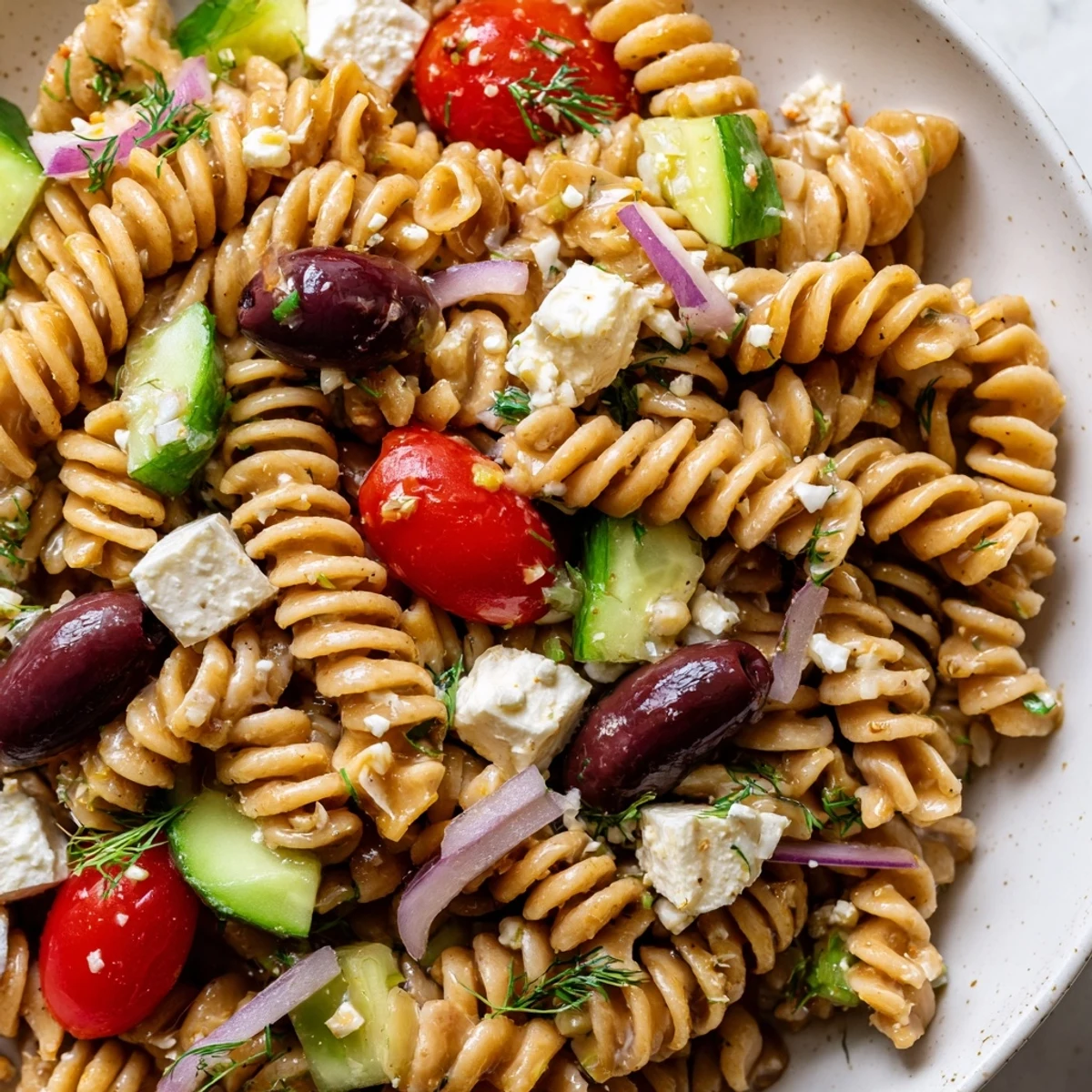
Save I made this for a coworkers going away lunch once and she stood in the break room eating it straight from the container with a serving spoon. She told me later it reminded her of a taverna she visited in Crete, which might be the best compliment I have ever received about anything.
Making It Ahead
This salad is one of those rare dishes that genuinely improves overnight, making it a dream for anyone who likes to prepare food in advance. The pasta absorbs the dressing slowly and the vegetables release their juices into the mix, creating a more cohesive and deeply flavored bowl by the next day. Just hold back half the feta and add it fresh before serving so it stays creamy rather than dissolving completely.
Smart Swaps and Additions
Grilled chicken turns this into a complete meal without any extra effort, and a can of drained chickpeas does the same thing for vegetarians who want more substance. Artichoke hearts and sun dried tomatoes are welcome guests if you have them lurking in your pantry. A glass of cold Sauvignon Blanc alongside turns a random Tuesday dinner into something that feels like a minor celebration.
Tools and Practical Details
You really only need a large pot for the pasta, a colander for draining, a big bowl for mixing, a small bowl for the dressing, and a decent knife. Nothing fancy or specialized required. This is unpretentious cooking at its best.
- Check olive and feta labels for hidden allergens if you are cooking for someone with sensitivities.
- The salad contains wheat and dairy, so it is not gluten free or vegan as written.
- Leftovers keep well for up to two days, though the vegetables soften and the texture shifts in a way I still enjoy.
 Save
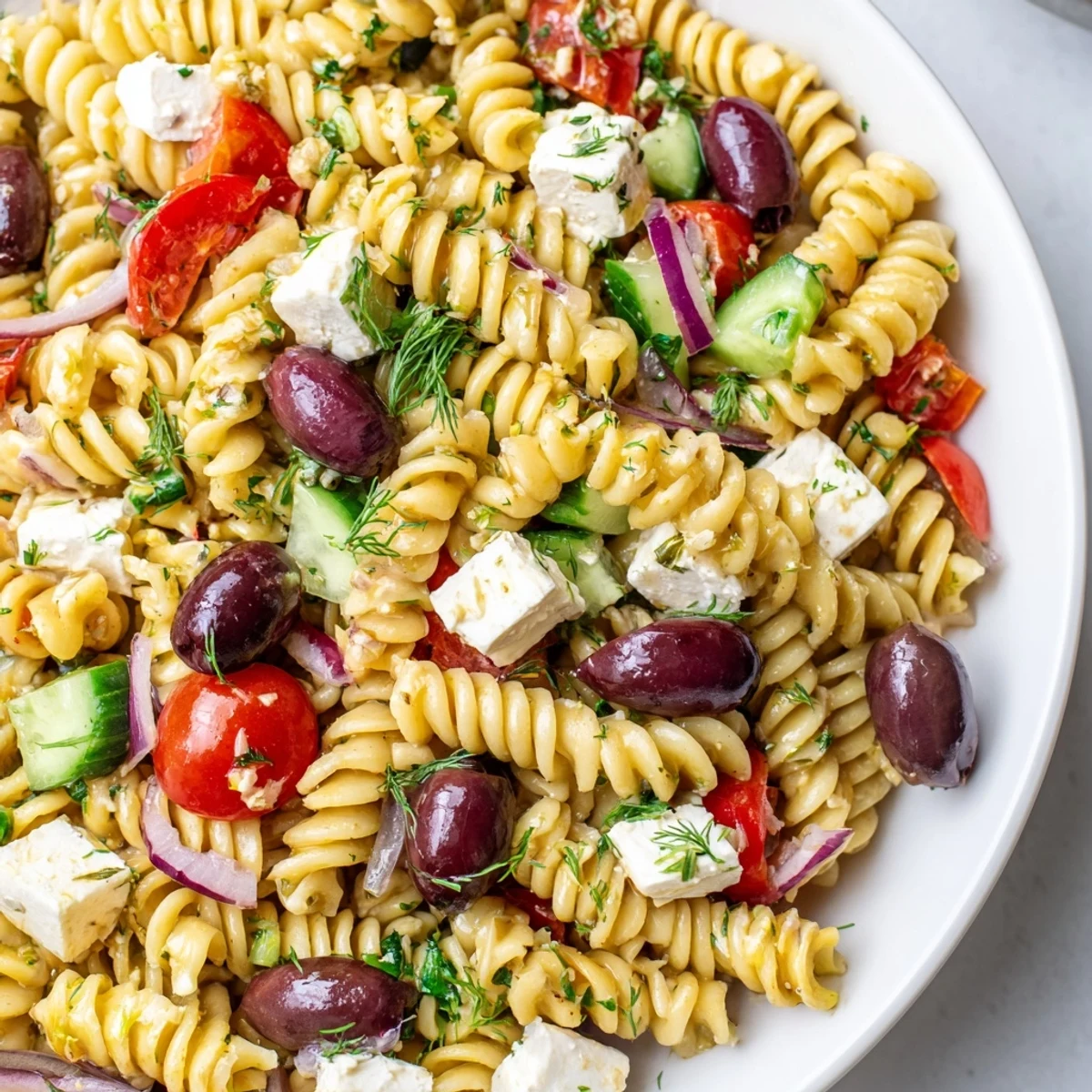
Save A bowl of this sitting in the fridge on a hot afternoon is one of summers quietest pleasures. Make it once and you will find yourself reaching for it again and again.
Common Recipe Questions
- → Can I make Greek pasta salad ahead of time?
-
Yes, this salad actually tastes better when made ahead. You can prepare it up to 24 hours in advance and store it covered in the refrigerator. The flavors meld and deepen as it sits, making it perfect for potlucks and meal prep.
- → What type of pasta works best?
-
Short pasta shapes like penne, rotini, or fusilli are ideal because they hold the dressing well and mix evenly with the vegetables. Their ridges and curves catch bits of feta and herbs in every bite.
- → How do I keep the pasta from getting mushy?
-
Cook the pasta just until al dente, then immediately drain and rinse under cold water to stop the cooking process. This firms up the pasta and prevents it from becoming soft when mixed with the dressing and vegetables.
- → Can I add protein to make it more filling?
-
Absolutely. Grilled chicken breast, chickpeas, or even canned tuna pair wonderfully with the Greek flavors. Add about 200 g of cooked chicken or one can of drained chickpeas for a heartier dish.
- → What can I substitute for feta cheese?
-
If you need a dairy-free option, try a plant-based feta alternative. For a different flavor profile, cubed halloumi or ricotta salata work beautifully while keeping the Mediterranean character intact.
- → How long does leftover Greek pasta salad last?
-
Stored in an airtight container in the refrigerator, leftovers stay fresh for 3 to 4 days. Give it a gentle toss before serving again, and add a splash of olive oil or vinegar if it seems dry.