
 Save
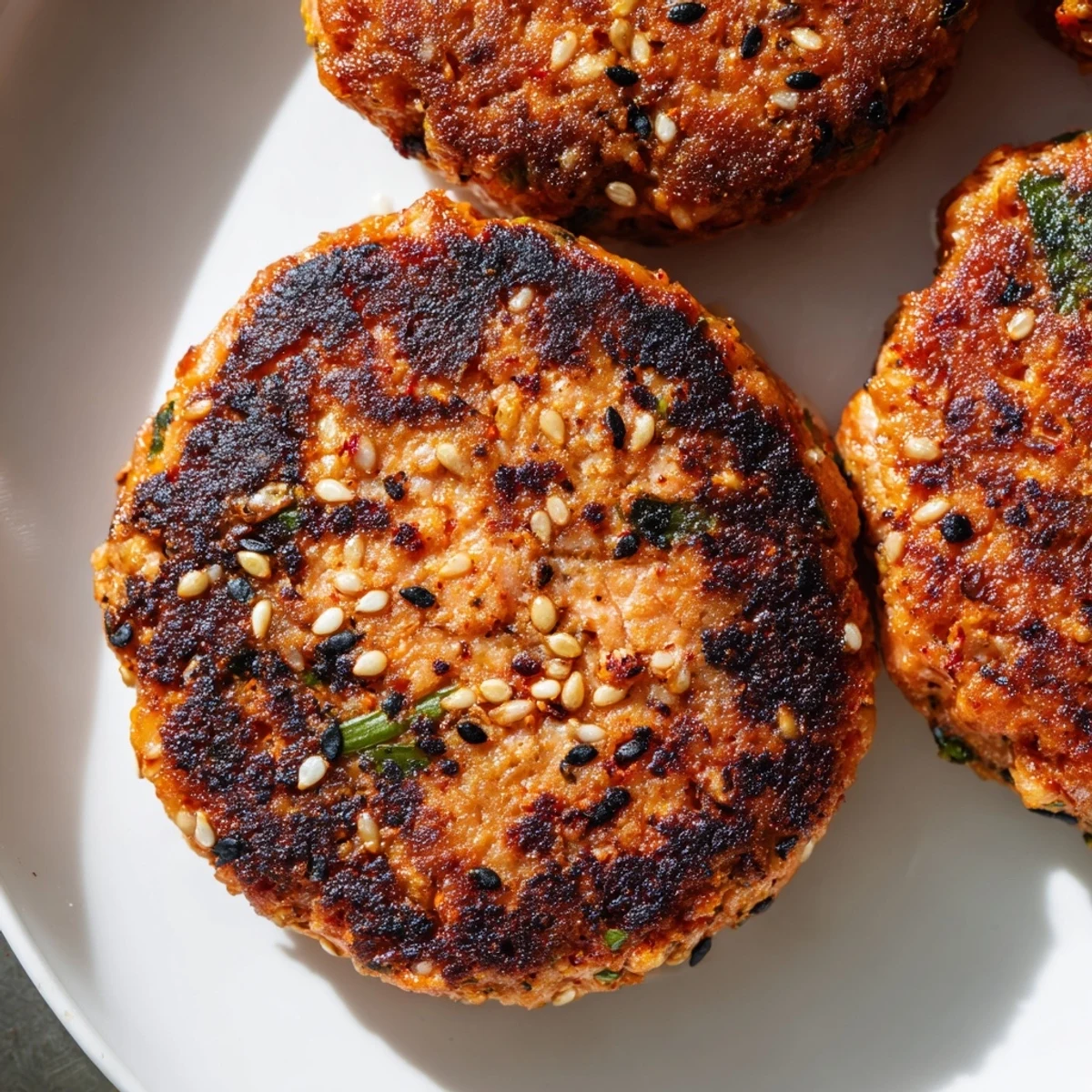
Save These golden salmon patties combine fresh salmon with bold North African flavors. Harissa paste brings gentle heat and aromatic depth, while toasted sesame seeds add a nutty crunch. The patties come together quickly in a food processor and cook in just 8 minutes total.
Perfect for busy weeknights, these salmon cakes offer restaurant-quality results with minimal effort. The harissa provides complex spice without overwhelming the delicate salmon, and the sesame coating creates irresistible texture. Serve them as a main course with yogurt sauce and salad, or as impressive appetizers at your next gathering.
Standing in my tiny apartment kitchen in Marrakech, watching my neighbor demonstrate how to balance heat with earthy nuttiness, I realized salmon patties could be something entirely unexpected. She casually stirred harissa into everything, claiming it solved most of life's boring food problems. When I finally tried combining that North African heat with crispy salmon, I understood what she meant. These aren't your grandmother's fish cakes.
Last summer, I made these for a rooftop dinner party as the sun was setting. My friend Sarah, who claims to hate salmon, took one bite and immediately asked for the recipe. Now whenever I smell harissa and sesame together, I think of that evening and the way good food can surprise people.
Ingredients
- 500 g (1 lb) fresh salmon fillet: I've learned that buying slightly higher quality salmon here makes a noticeable difference in texture since the fish shines through so clearly
- 1 large egg: This is your binding agent that keeps everything together without making the mixture feel heavy
- 2 tbsp harissa paste: The star of the show and I never regret having a little extra heat in my life
- 2 garlic cloves, minced: Fresh garlic gives you that immediate aromatic punch that powdered stuff just cannot deliver
- 2 scallions, finely sliced: These add a mild onion flavor and pretty green flecks throughout
- 2 tbsp fresh cilantro, chopped: Bright herbiness that cuts through the rich salmon and spices
- 1 tsp ground cumin: Earthy and warm, this bridges the gap between the harissa and salmon perfectly
- 4 tbsp panko breadcrumbs: Panko creates such a lighter, airier texture compared to regular breadcrumbs
- 2 tbsp toasted sesame seeds, plus extra: Toasting them first makes all the difference in releasing their natural oils
- ½ tsp salt and ¼ tsp black pepper: Just enough to enhance without competing with the bold flavors
- 2 tbsp olive oil: For achieving that golden crust that makes these patties irresistible
Instructions
- Pulse the salmon into texture:
- Cut the salmon into chunks and pulse in a food processor until a coarse mixture forms. You want some texture remaining, not a smooth paste.
- Mix everything together:
- Transfer the salmon to a bowl. Add harissa paste, minced garlic, scallions, cilantro, cumin, panko breadcrumbs, sesame seeds, salt, pepper, and the egg. Mix until just combined.
- Shape the patties:
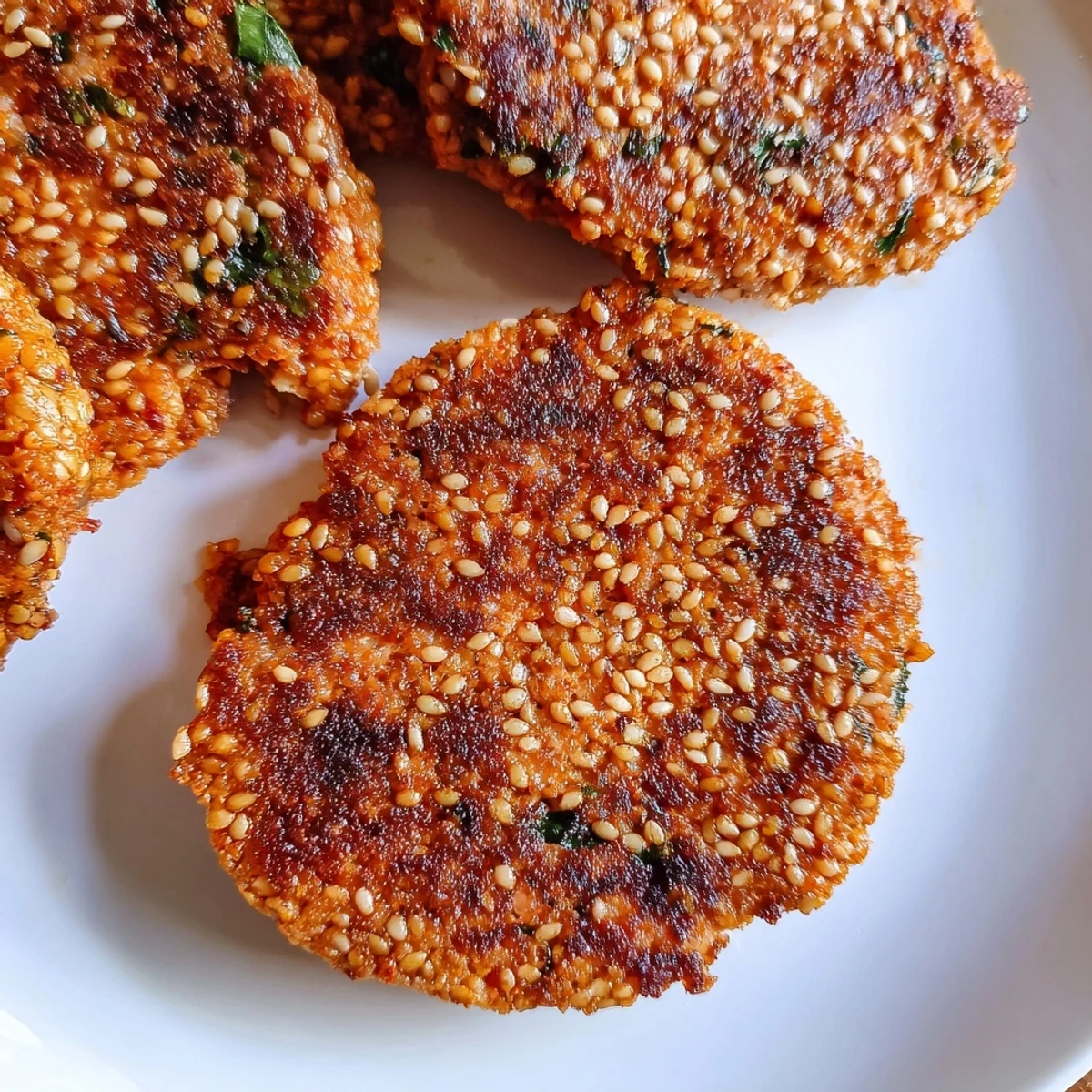
- With damp hands, shape the mixture into 8 small patties. Sprinkle extra sesame seeds on top for garnish, pressing gently to adhere.
- Fry to golden perfection:
- Heat olive oil in a large nonstick skillet over medium-high heat. Fry the patties for 3-4 minutes per side, or until golden brown and cooked through.
- Serve while hot:
- Serve hot, garnished with extra cilantro or lemon wedges if desired.
 Save
Save These patties have become my go-to when I want something that feels impressive but only takes thirty minutes. They bridge the gap between weeknight dinner and something you would serve to people you actually like.
Making Them Your Own
The recipe is incredibly forgiving. I have used fresh salmon from the fish counter and frozen salmon that I thawed, and both worked beautifully. The harissa can be adjusted based on your heat tolerance, and the sesame seeds can be swapped for other nuts if you prefer.
Serving Ideas That Work
These patties shine with simple sides that do not compete with their bold flavors. A light cucumber salad with yogurt dressing works beautifully, or stuff them into pita bread with lettuce and tomatoes for a portable meal.
Perfecting the Technique
The most common mistake is overcrowding the pan, which causes the temperature to drop and creates soggy patties. Work in batches if needed and let them develop a proper crust before flipping.
- Make sure your oil is properly hot before adding the patties
- Let them cook undisturbed for the full 3-4 minutes to form a crust
- Rest them on a paper towel for just a minute before serving
 Save
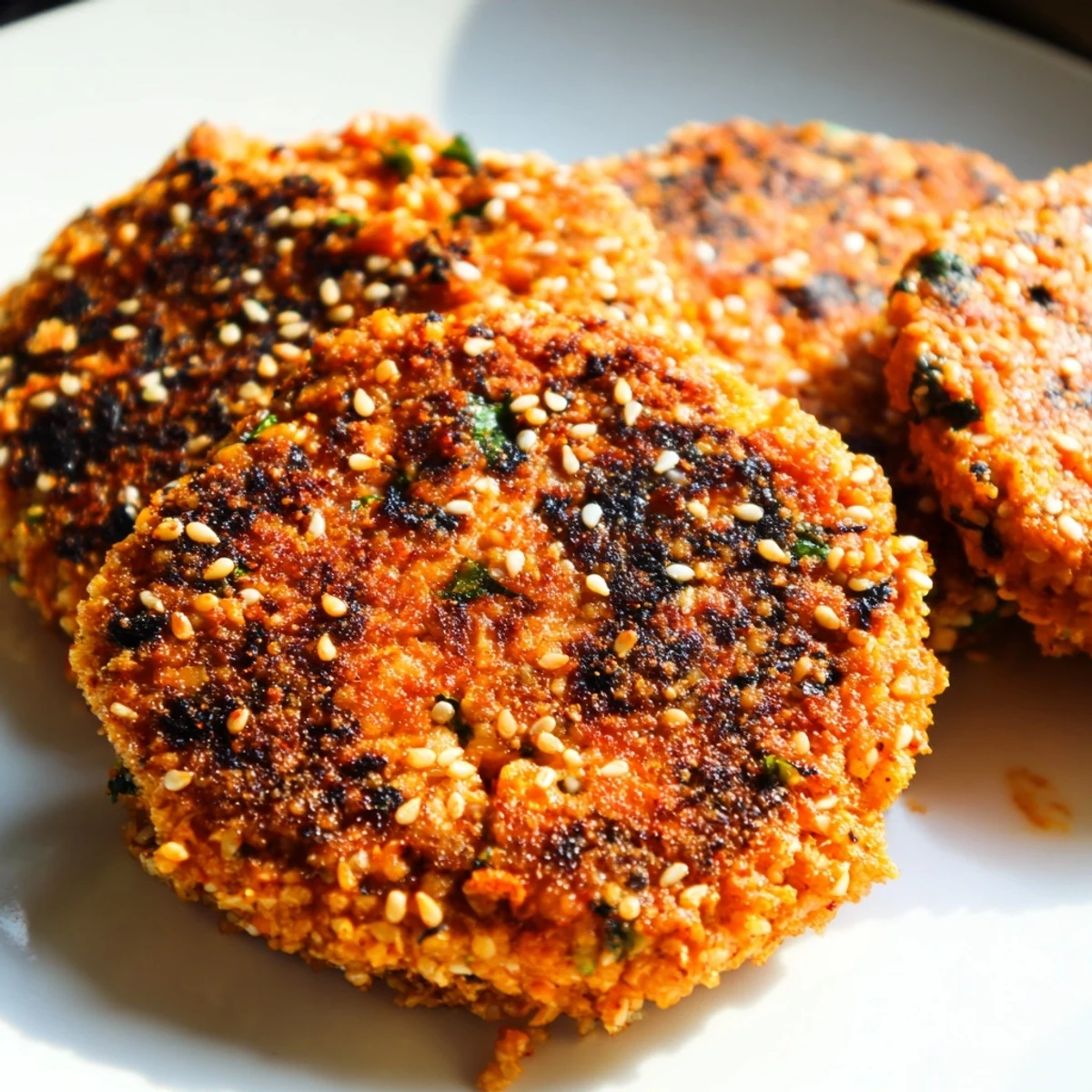
Save These harissa sesame salmon patties have converted more than one salmon skeptic at my table. Hope they find a regular spot in your dinner rotation too.
Common Recipe Questions
- → Can I use canned salmon instead of fresh?
-
Fresh salmon works best for texture, but canned salmon can be substituted. Drain thoroughly and remove any bones or skin before processing. The final texture will be slightly softer but still delicious.
- → How spicy are these patties?
-
The heat level depends on your harissa paste. Most brands provide moderate warmth that's flavorful rather than overwhelming. For sensitive palates, reduce to 1 tablespoon. For extra spice, add a pinch of cayenne.
- → Can I bake these instead of frying?
-
Yes, bake at 400°F (200°C) for 12-15 minutes, flipping halfway. Brush with olive oil before baking for better color. The exterior will be less crispy than pan-frying but still tasty.
- → What sauce pairs well with these patties?
-
A cool yogurt sauce with lemon and garlic balances the harissa heat beautifully. Tahini sauce, tzatziki, or spicy mayo also complement the North African flavors. Fresh herbs and lemon wedges make simple garnishes.
- → How long do leftovers keep?
-
Store cooled patties in an airtight container for up to 3 days. Reheat in a 350°F oven for 10 minutes to restore crispiness. They can also be frozen for up to 2 months—thaw overnight in the refrigerator.
- → Can I make these gluten-free?
-
Absolutely. Replace panko breadcrumbs with gluten-free breadcrumbs or crushed gluten-free crackers. Verify your harissa paste is certified gluten-free, as some brands contain wheat-based thickeners.