
 Save
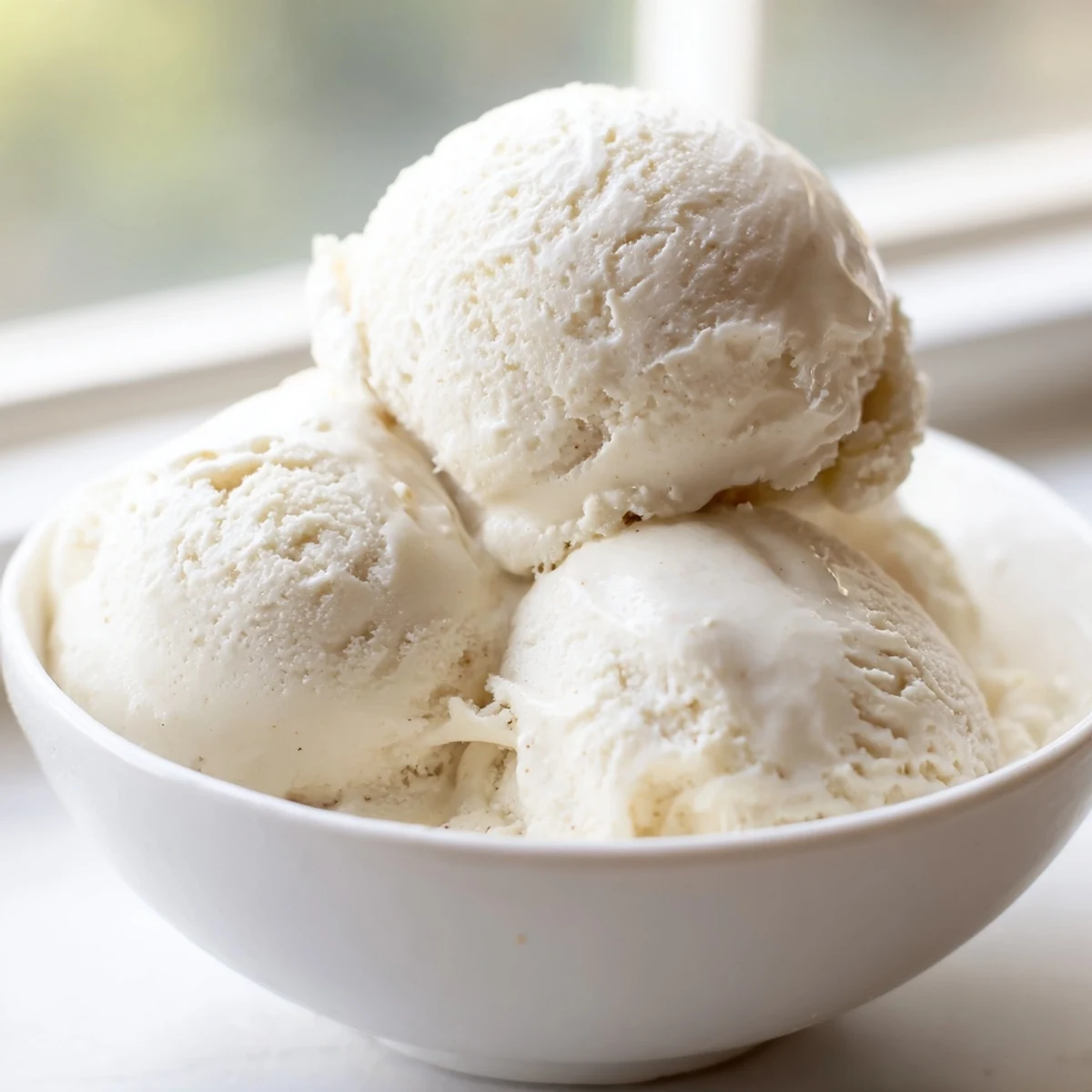
Save Create restaurant-quality vanilla ice cream in your own kitchen using a traditional French custard method. This technique produces an incredibly smooth, creamy texture by gently cooking egg yolks with cream and milk. The process takes about 30 minutes of active preparation, plus chilling and freezing time. You'll end up with six servings of luscious vanilla perfection that rivals any premium brand.
The key lies in tempering the eggs properly and cooking the custard just until it coats the back of a spoon. Once chilled and churned, you can enjoy it plain or fold in chocolate chips, nuts, or fresh fruit. This base also adapts beautifully to chocolate variations by adding cocoa powder to the warm milk mixture.
The summer my air conditioning broke was the summer I became obsessed with making ice cream from scratch. Something about standing over a steaming saucepan while sweat rolled down my back felt absurd and wonderful at the same time. That first batch of vanilla custard, churning into something silky and cold, was a small act of defiance against the heat.
My neighbor Dave knocked on my door that week holding a bag of overripe peaches and asked if I could do something with them. I folded those golden chunks into the churned base right before freezing and we ate the whole container sitting on my front porch steps.
Ingredients
- Heavy cream (2 cups): The fat content here is what gives ice cream its luxurious mouthfeel, so do not even think about swapping this for half and half.
- Whole milk (1 cup): Balances the cream so the result is creamy rather than greasy, and whole milk matters because skim will leave you with iciness.
- Granulated sugar (3/4 cup): Sugar does more than sweeten, it lowers the freezing point and keeps the texture scoopable straight from the freezer.
- Egg yolks (5 large): These are your emulsifiers and they create that custardy backbone, and yes you will have leftover whites perfect for a quick meringue.
- Pure vanilla extract (1 tablespoon): Use the real stuff here, not imitation, because vanilla is the star and anything synthetic will taste flat.
- Salt (1/4 teaspoon): A tiny pinch wakes up every other flavor and without it the sweetness can feel one dimensional.
Instructions
- Heat the dairy:
- Pour the cream, milk, and half the sugar into your saucepan and set it over medium heat, watching for steam to rise from the surface but never letting it bubble.
- Build the yolk mixture:
- While the dairy warms, whisk the yolks with the remaining sugar and salt in a bowl until the color lightens and the texture becomes slightly thick and ribbon like.
- Temper carefully:
- Pour the hot cream into the yolks in a slow steady stream while whisking constantly, then return everything to the pan so you do not scramble the eggs.
- Cook to coat:
- Stir the custard over low heat with a wooden spoon, dragging your finger through the coating on the back of it, and when the line holds clean you are done.
- Add vanilla and strain:
- Off the heat, stir in the vanilla extract, then push the custard through a fine sieve to catch any stray bits of cooked egg.
- Chill thoroughly:
- Let the custard come to room temperature, then cover it and refrigerate for at least four hours or preferably overnight so the flavors deepen.
- Churn until creamy:
- Pour the cold custard into your ice cream maker and let it spin for twenty to twenty five minutes until it looks like soft serve.
- Freeze to set:
- Transfer the churned base to a freezer safe container, press a piece of parchment against the surface, and freeze for at least two hours until firm enough to scoop.
 Save
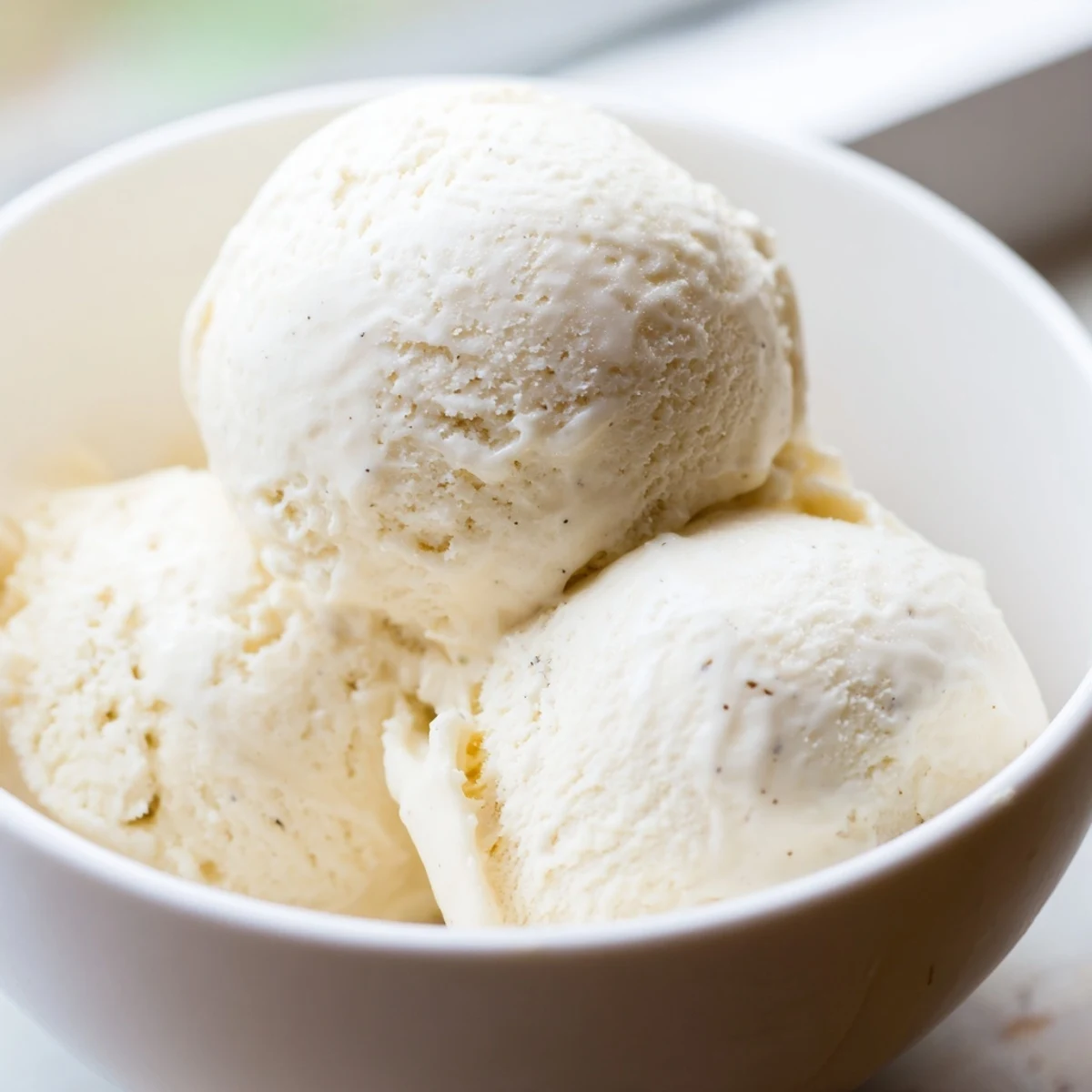
Save The evening I served this at a small dinner party, conversation stopped entirely for a full minute while everyone just ate.
Picking Your Mix Ins
Chopped dark chocolate, toasted pecans, and crumbled cookies are all reliable choices that add crunch without freezing rock hard. Fresh fruit works beautifully too, but toss it in a little sugar first so it does not form icy crystals inside the finished ice cream. Swirl in jam, caramel, or fudge sauce with a spatula using gentle folds so you get ribbons rather than a muddy blend.
No Machine, No Problem
If you do not own an ice cream maker, pour the chilled custard into a shallow baking dish and freeze it, stirring vigorously every thirty minutes to break up ice crystals. This takes about three hours of attention but yields a surprisingly smooth result. A food processor can also rescue a grainy batch, just pulse the frozen mixture until creamy and refreeze.
Storage and Scooping
Homemade ice cream lacks the stabilizers found in commercial brands, so it is best eaten within a week for optimal texture.
- Press plastic wrap directly against the surface before lidding to prevent ice crystals from forming.
- Let the container sit on the counter for five minutes before scooping to save your wrist and your spoon.
- A warm dry scoop glides through cleanly, so dip it in hot water and shake it off between scoops.
 Save
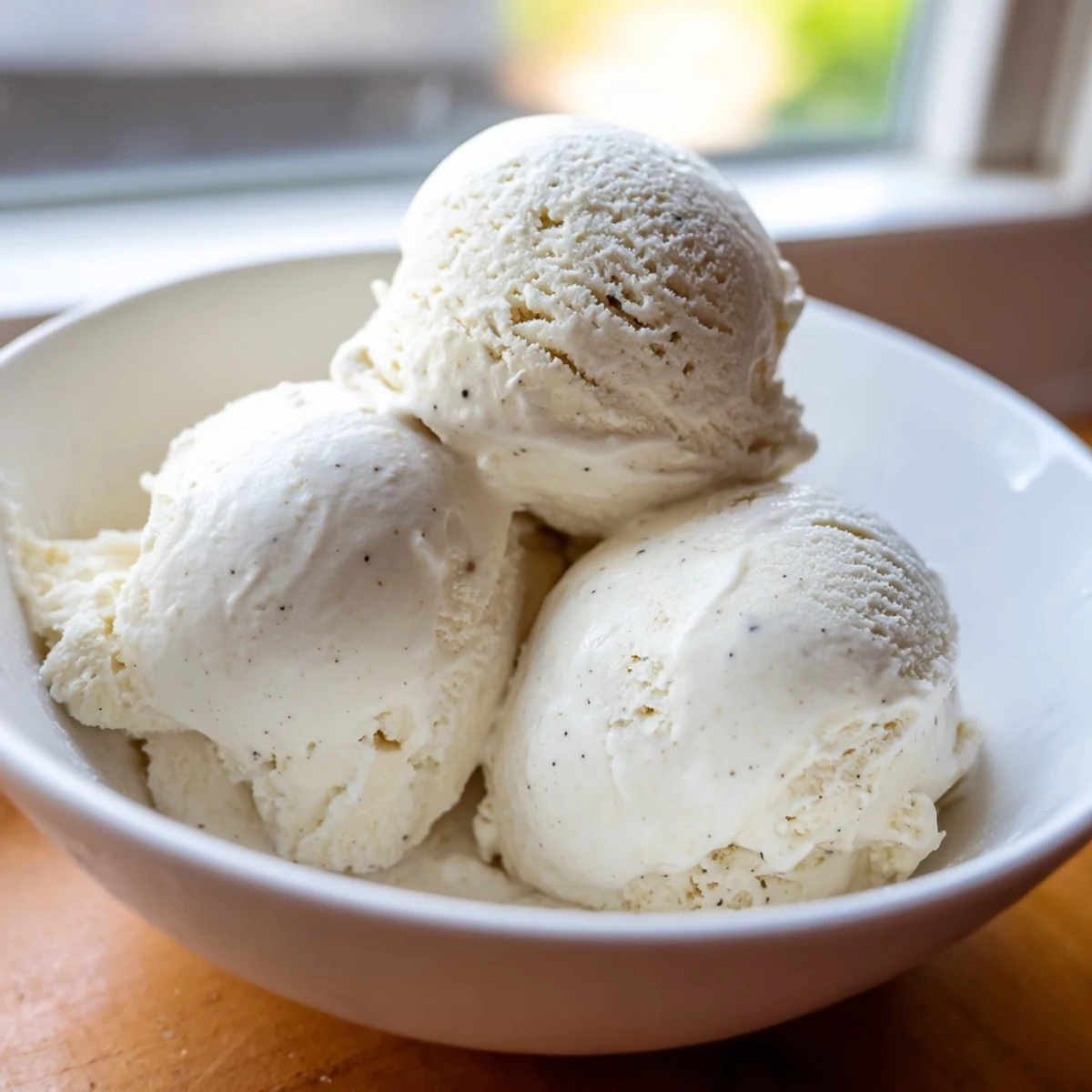
Save There is something deeply satisfying about transforming a few humble ingredients into a cold, sweet scoop that makes people close their eyes and smile. That is really all the reason you need to make ice cream at home.
Common Recipe Questions
- → Why use a custard base for ice cream?
-
The custard method creates an exceptionally smooth texture because egg yolks act as an emulsifier. They prevent ice crystals from forming during freezing, resulting in that luxurious, creamy mouthfeel you find in premium ice cream parlors.
- → How long should I chill the custard before churning?
-
Refrigerate the custard for at least 4 hours, though overnight is ideal. This allows the flavors to develop fully and ensures the mixture is thoroughly cold, which helps it freeze faster and churn more efficiently in your machine.
- → Can I make this without an ice cream maker?
-
While an ice cream maker yields the best texture, you can freeze the custard in a shallow container, stirring every 30 minutes for the first 3 hours to break up ice crystals. The result will be slightly less smooth but still delicious.
- → Why did my custard curdle during cooking?
-
Curdling occurs when the mixture gets too hot or cooks too quickly. Always use low heat and stir constantly. If you see small grains forming, immediately remove from heat and whisk vigorously. Straining through a fine-mesh sieve can rescue slightly overcooked custard.
- → How should I store homemade ice cream?
-
Transfer churned ice cream to an airtight container, pressing plastic wrap directly against the surface to prevent ice crystals. Store in the coldest part of your freezer. For best texture and flavor, enjoy within 2 weeks.
- → What mix-ins work well with vanilla base?
-
Fold in chopped dark chocolate, toasted nuts like pecans or almonds, fresh berries, cookie dough pieces, or crushed cookies. Add mix-ins after churning but before freezing to distribute them evenly without overworking the machine.