
 Save
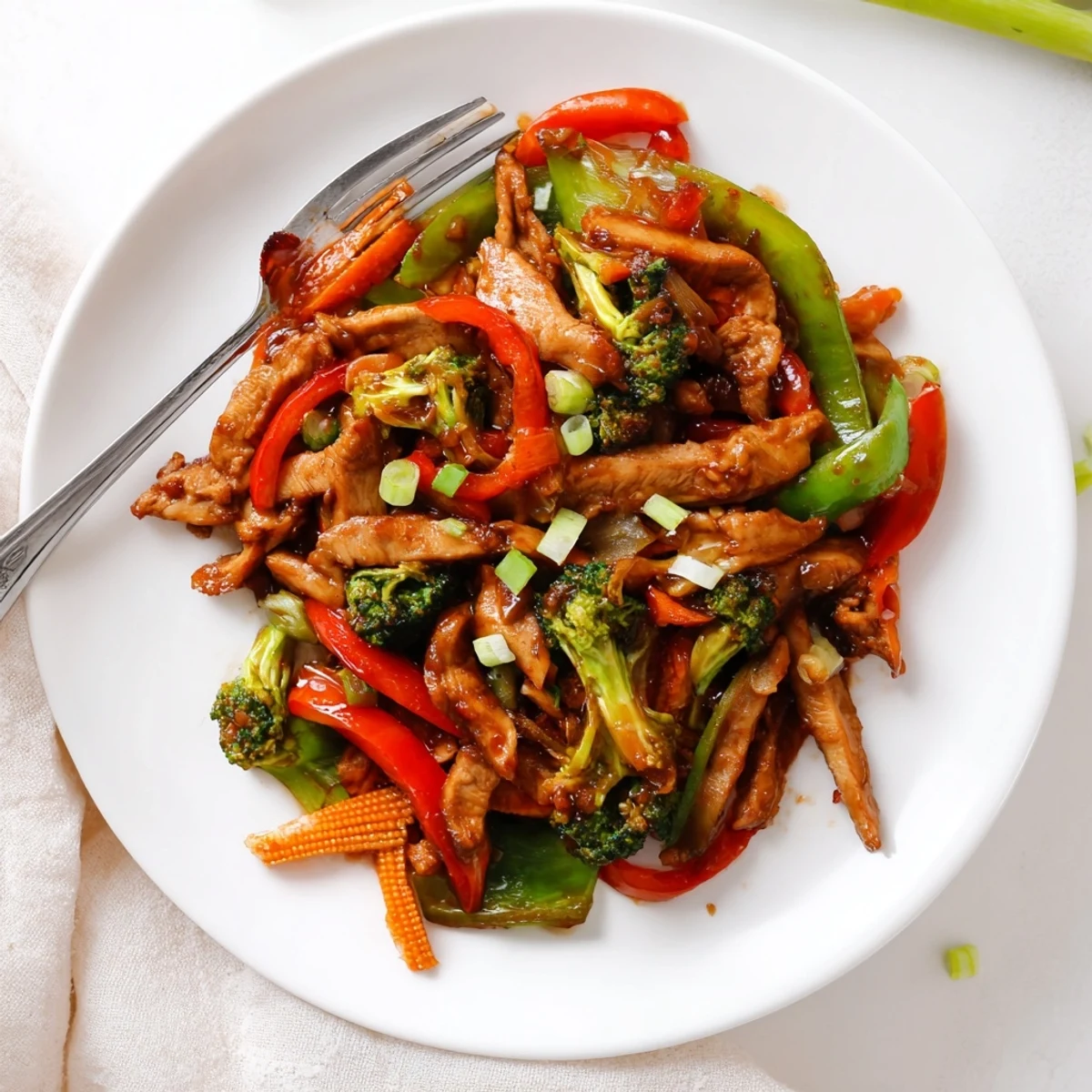
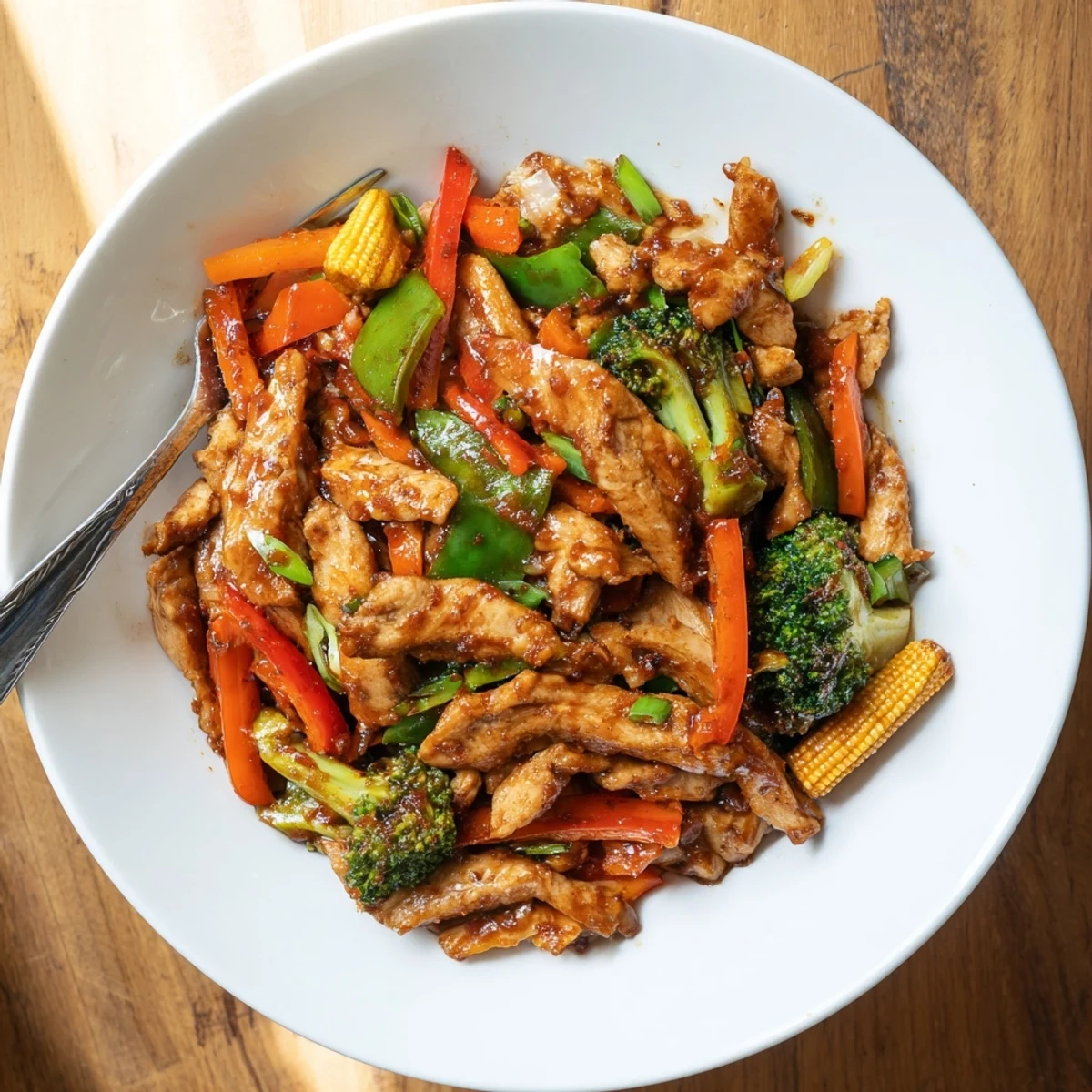
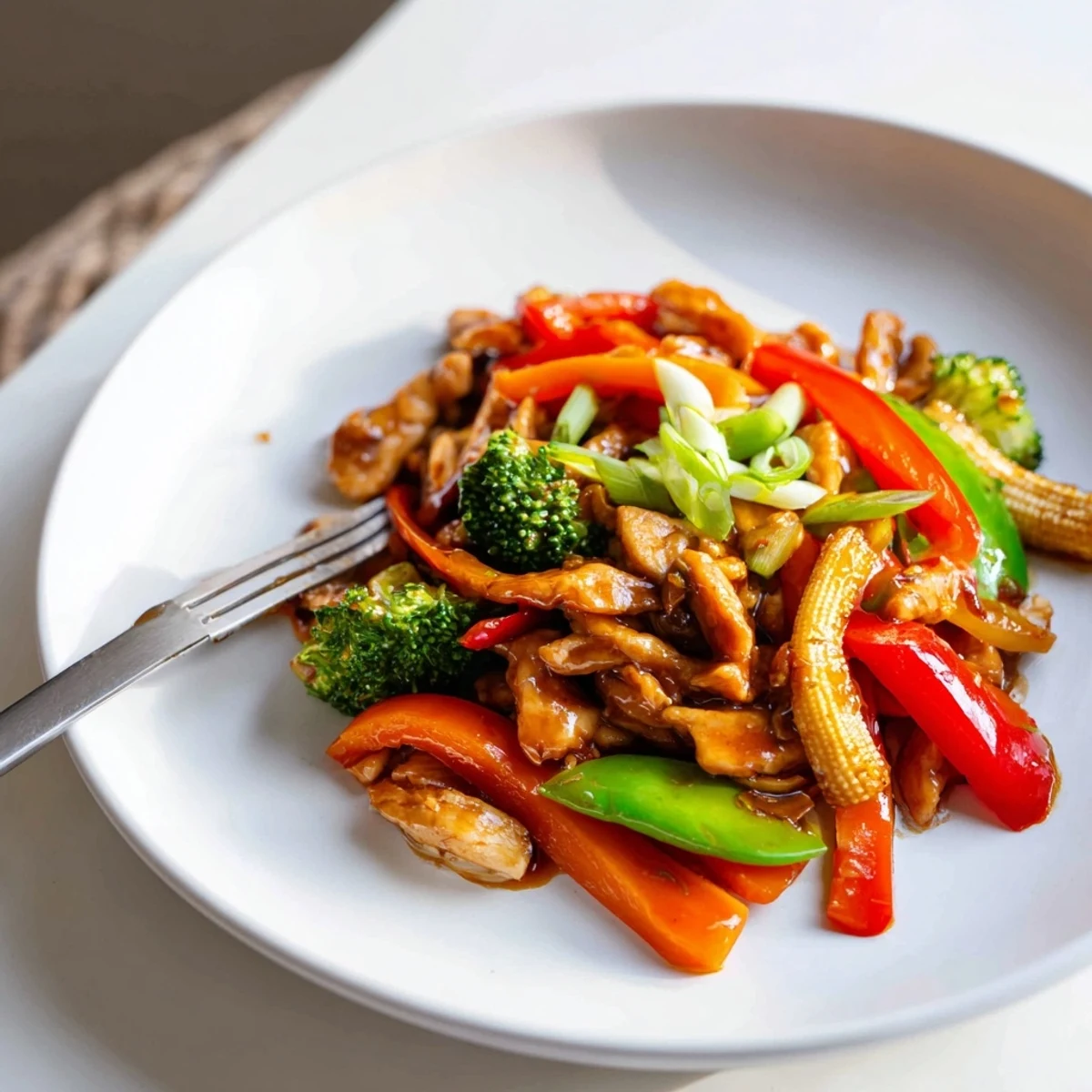
Save Hunan chicken is a fiery, flavor-packed stir-fry featuring thinly sliced breast meat marinated in soy sauce and Shaoxing wine, then wok-seared to golden perfection.
Crisp broccoli, colorful bell peppers, julienned carrots, and tender baby corn are tossed together with aromatics like garlic and ginger, all coated in a rich sauce built from chili bean paste, oyster sauce, and hoisin.
The result is a glossy, aromatic dish with layered heat and savory depth that pairs perfectly with steamed white rice.
The sizzle of chicken hitting a screaming hot wok on a Tuesday night changed everything about how I cook at home. I had ordered Hunan chicken at a tiny strip mall restaurant in Austin, and the fiery, savory glaze coating every bite of vegetables and meat haunted me for weeks. After burning my first three attempts and setting off every smoke detector in the house, something finally clicked. Now this is the dish I reach for when plain chicken breasts feel like a punishment.
My neighbor Dave smelled it through the open window one evening and knocked on my door holding a bag of rice, asking what on earth I was making. We stood in my kitchen eating straight from the wok with paper towels as napkins, burning our tongues because neither of us wanted to wait.
Ingredients
- 500 g boneless skinless chicken breast thinly sliced: Slice against the grain on a slight bias for tenderness, and partially freeze the chicken for fifteen minutes beforehand to get paper thin cuts.
- 1 tbsp soy sauce plus 1 tbsp Shaoxing wine plus 1 tsp cornstarch plus 1/2 tsp sesame oil for the marinade: This quick soak seasons the meat and forms a protective coating that keeps each piece juicy during the violent heat of stir frying.
- 1 cup broccoli florets: Cut bite sized pieces so they cook evenly and actually absorb the sauce rather than staying tough and bland inside.
- 1 red bell pepper plus 1 green bell pepper sliced: Two colors are not just pretty, they add slightly different sweetness levels that balance the heat.
- 1 cup carrot thinly sliced: Cut on a sharp diagonal for maximum surface area, which helps them soften quickly alongside the other vegetables.
- 8 baby corn halved: These bring a satisfying crunch and visual charm that makes the dish feel like it came from a proper restaurant kitchen.
- 2 cloves garlic minced plus 1 inch ginger minced: Fresh is nonnegotiable here, as jarred versions lack the punchy aroma that makes Hunan cooking sing.
- 2 spring onions sliced: Save these for the very end so they stay bright and sharp as a finishing garnish.
- 2 tbsp soy sauce plus 1 tbsp oyster sauce plus 1 tbsp chili bean paste plus 1 tbsp rice vinegar plus 1 tbsp hoisin sauce plus 1 tsp sugar plus 2 tbsp water for the sauce: Whisk these together before you start cooking because once the wok is hot there is no time to measure.
- 2 tbsp vegetable oil: Use an oil with a high smoke point like peanut or canola so it does not break down and turn bitter at high temperatures.
Instructions
- Marinate the chicken:
- Toss the sliced chicken with soy sauce, Shaoxing wine, cornstarch, and sesame oil until every piece is evenly coated, then let it sit while you prepare everything else.
- Mix the sauce:
- Whisk all sauce ingredients in a small bowl until the sugar dissolves and the mixture looks cohesive, tasting for heat level before you commit.
- Sear the chicken:
- Heat one tablespoon of oil in a wok over high heat until it shimmers and just begins to smoke, then add the chicken in a single layer and let it sear without stirring for thirty seconds before tossing, cooking three to four minutes total until golden and just done.
- Stir fry the aromatics and vegetables:
- Add the remaining oil, scatter in the garlic and ginger until fragrant for about ten seconds, then pile in all the vegetables and keep everything moving for three to five minutes until the broccoli is bright green and the peppers have softened slightly but still snap.
- Bring it all together:
- Return the chicken to the wok, pour in the sauce, and toss vigorously for two to three minutes as it bubbles and thickens into a glossy glaze clinging to every surface.
- Finish and serve:
- Kill the heat, scatter the spring onions over the top, give one final toss, and serve immediately over steamed rice while the sauce is still bubbling.
 Save
Save The night my daughter asked for seconds and then thirds, I knew this recipe had earned a permanent spot in our rotation. She now requests it for her birthday dinner every year, which fills me with an absurd amount of pride for something that takes thirty five minutes.
Getting the Heat Right
The chili bean paste is the soul of this dish, and different brands range from mildly tingly to genuinely punishing. Start with one tablespoon, taste the mixed sauce raw, and add dried chili flakes in small increments until you find your personal comfort zone. My first batch used two tablespoons of Doubanjiang and I could not feel my lips for an hour, which I regretted and secretly loved.
Choosing the Right Pan
A carbon steel wok seasoned over time delivers the best results, but a large stainless steel or cast iron skillet works surprisingly well if you let it get properly hot. The key is high heat and no overcrowding, not the specific shape of the cookware.
Serving and Storing
This dish is at its absolute best the moment it leaves the wok, when the sauce is still glossy and the vegetables retain their bite. Leftovers keep well in the fridge for two days and reheat gently in a skillet over medium heat, though the broccoli will soften considerably.
- A sprinkle of toasted sesame seeds on top adds a nutty crunch that elevates the whole plate.
- Serve with plain jasmine rice or lo mein noodles to soak up every drop of sauce.
- Double the sauce recipe if you love extra saucy stir fry, because no one has ever complained about too much glaze.
 Save
Save Keep this recipe in your back pocket for nights when you need something bold and satisfying without spending hours at the stove. It has never once let me down.
Common Recipe Questions
- → What makes Hunan chicken different from Szechuan chicken?
-
Hunan chicken relies on fresh chilies and chili bean paste for a straightforward, fiery heat with smoky undertones, while Szechuan chicken uses Sichuan peppercorns that create a numbing, tingling sensation alongside the spice.
- → Can I use chicken thighs instead of breast?
-
Yes, boneless chicken thighs work beautifully and often stay juicier during high-heat stir-frying. Slice them thinly just as you would breast meat, and adjust cooking time by an additional minute if needed.
- → How do I get the best wok hei at home?
-
Use a carbon steel wok preheated until it lightly smokes, cook in small batches to avoid steaming, and keep ingredients moving constantly. A large cast-iron skillet on high heat is a solid alternative.
- → What is Doubanjiang and where can I find it?
-
Doubanjiang is a fermented broad bean and chili paste that gives Hunan and Szechuan dishes their signature savory depth. Look for it in Asian grocery stores or the international aisle of well-stocked supermarkets.
- → How should I store and reheat leftovers?
-
Refrigerate in an airtight container for up to 3 days. Reheat in a wok or skillet over medium-high heat with a splash of water to revive the sauce and keep the vegetables from going mushy.
- → Is there a vegetarian alternative to this dish?
-
Firm or extra-firm tofu pressed and cubed makes an excellent substitute for chicken. Use vegetarian oyster sauce made from mushrooms instead of the standard version, and follow the same stir-fry method.