
 Save
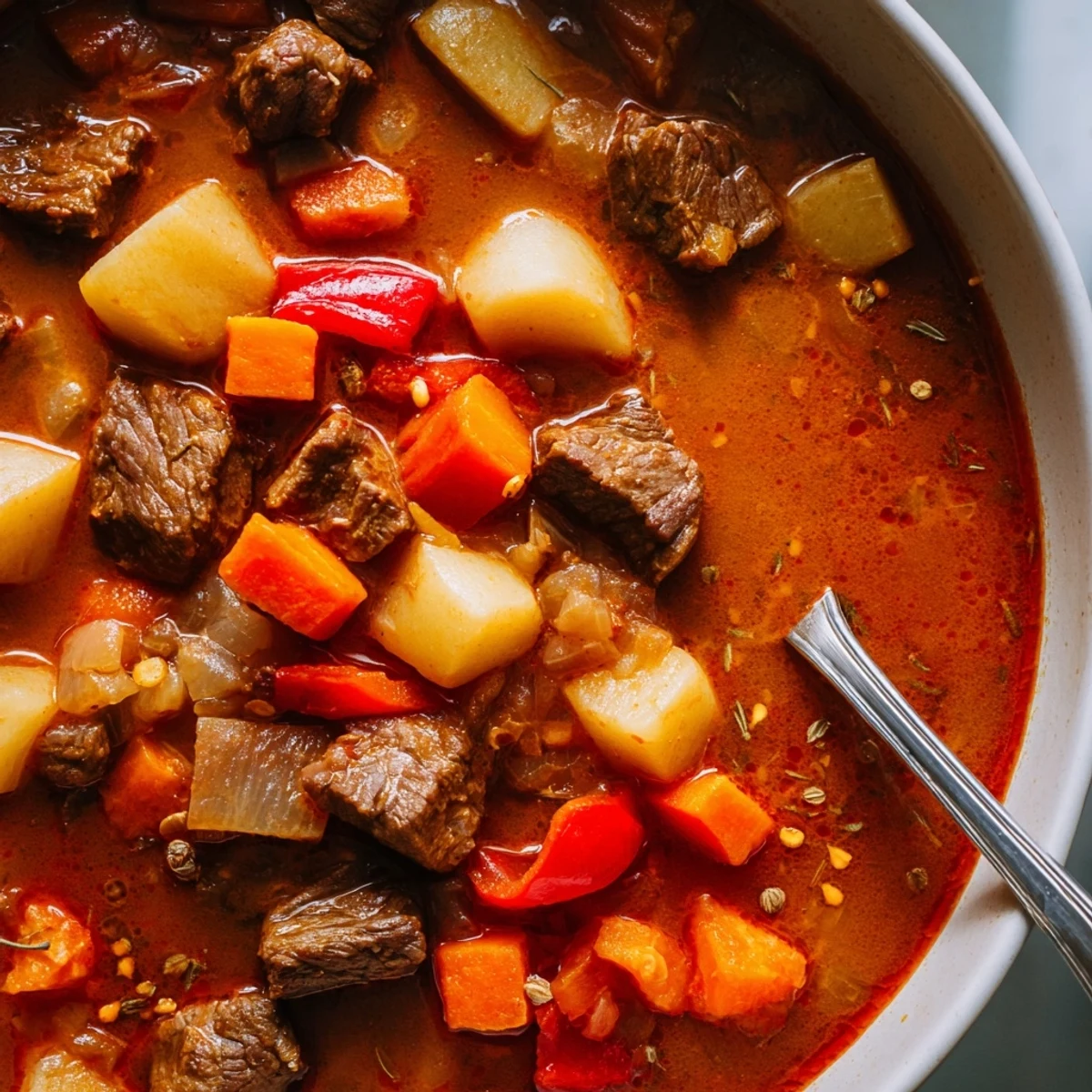
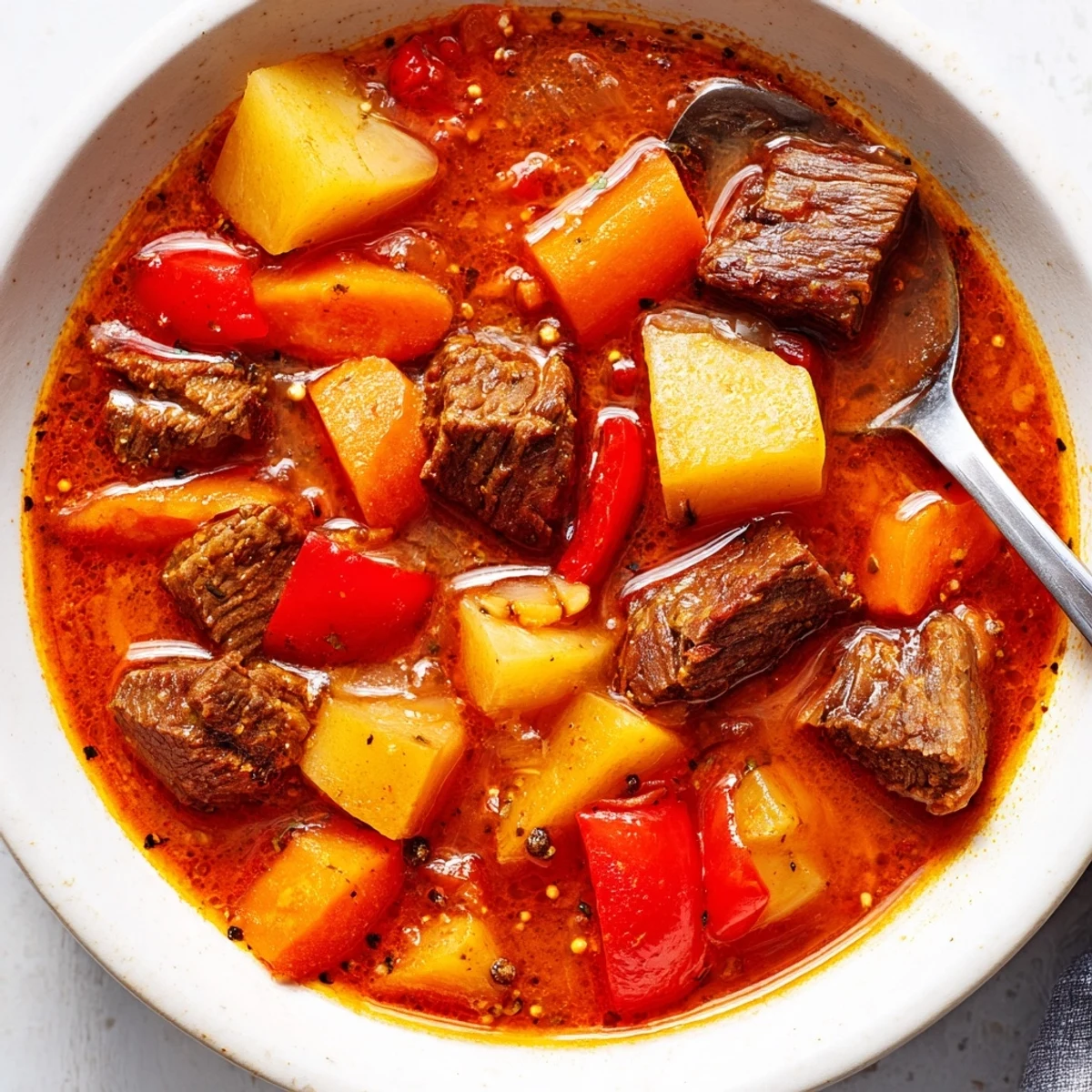
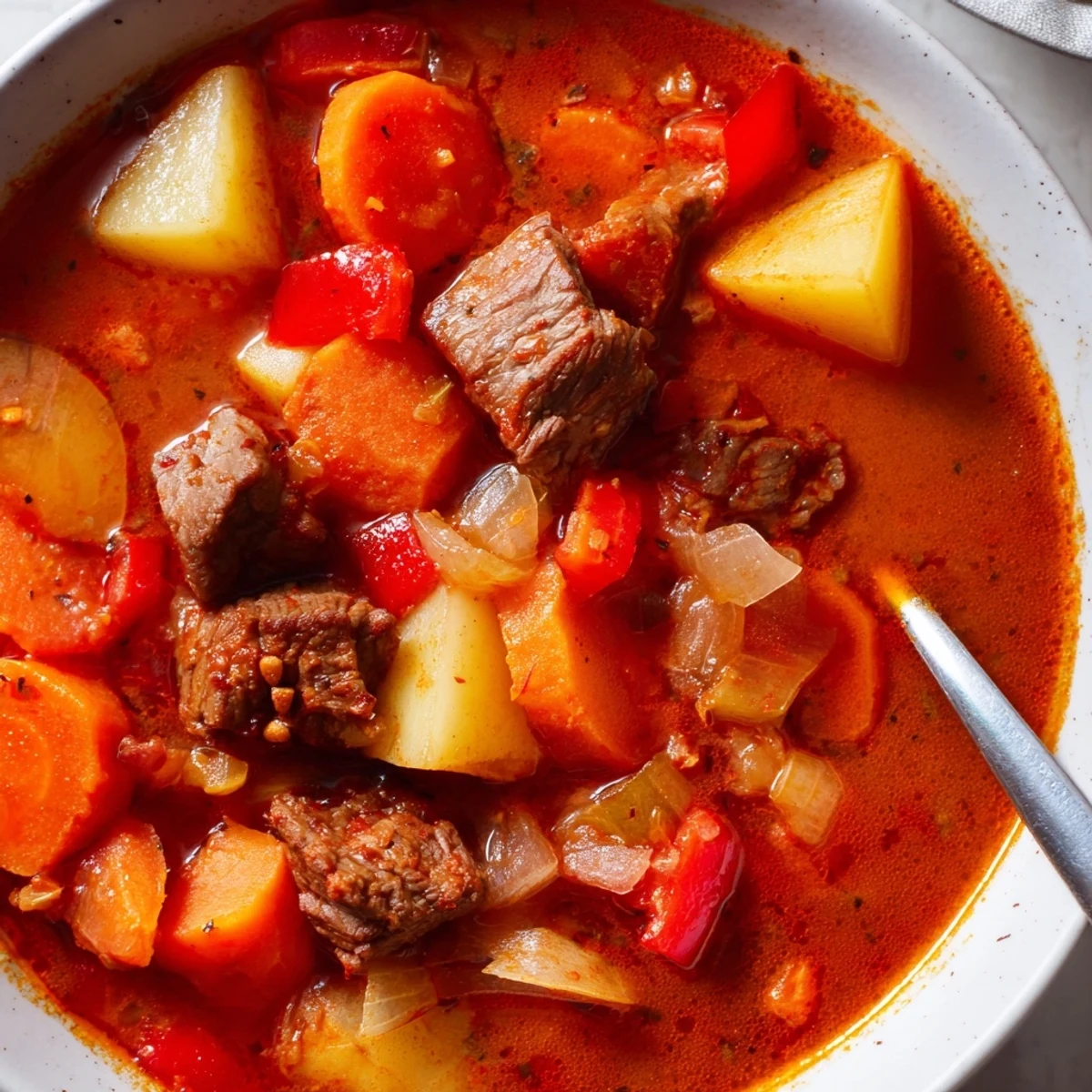
Save This traditional Hungarian Gulyás combines tender beef chuck cubes with a medley of hearty vegetables including onions, carrots, parsnips, and potatoes, all slowly simmered in a rich broth infused with sweet Hungarian paprika and aromatic caraway seeds.
The slow cooking process allows the flavors to meld beautifully, resulting in a comforting stew that's perfect for cold weather. Serve it with rustic bread or traditional csipetke noodles for a complete meal.
The first time I made gulyás, I was living in a tiny apartment with the most unreliable oven in existence. My Hungarian neighbor László had been watching me struggle with takeout for weeks before finally knocking on my door with a jar of deep red paprika and very specific instructions about how real gulyás should be soup-like, stew-like, and utterly perfect all at once.
I made this for a dinner party during a snowstorm once, and my friends sat around the pot with spoons, dipping chunks of crusty bread into the rich broth long after we should have moved to the table. Something about this stew pulls people in and keeps them there.
Ingredients
- Beef chuck: This cut has enough marbling to stay tender through hours of simmering without becoming tough or dry
- Onions: Finely chopped so they practically dissolve into the broth creating that essential savory base
- Sweet Hungarian paprika: The soul of this dish, invest in the good stuff from Hungary if you can find it
- Caraway seeds: These add a subtle earthy warmth that makes the flavor profile distinctly Hungarian
- Beef broth: Use a good quality broth since it makes up most of the cooking liquid
- Potatoes: They thicken the broth slightly and make this stew hearty enough to be a complete meal
Instructions
- Build the flavor base:
- Heat oil in your heaviest pot over medium heat and cook the onions until they turn golden and smell sweet, about 8 minutes. Stir in garlic and caraway seeds just until fragrant, maybe 60 seconds.
- Brown the beef:
- Add beef cubes and let them sear until browned on most sides, turning occasionally so they develop color everywhere. This step takes about 5 minutes but creates depth that slow cooking alone cannot achieve.
- Add the paprika:
- Remove the pot from heat completely, sprinkle in all that gorgeous paprika, and stir thoroughly to coat everything. Cooking paprika over high heat makes it bitter, and this off-heat step prevents that tragedy entirely.
- Simmer low and slow:
- Return pot to heat, add tomatoes, bell pepper, broth, bay leaf, and seasonings. Bring to a boil, then reduce to the lowest simmer, cover, and walk away for an hour while your kitchen fills with incredible smells.
- Add vegetables and finish:
- Stir in carrots, parsnips, and potatoes, then simmer uncovered for another 45 to 60 minutes until everything is tender and the broth has thickened slightly. Adjust salt and pepper, discard the bay leaf, and serve very hot.
 Save
Save Last winter, I made a double batch and froze portions in Mason jars. On nights when I came home too exhausted to cook, thawing one of those jars felt like having dinner made by someone who actually cared about me.
Getting the Broth Right
The ratio of liquid to ingredients matters more than almost anything else. Too little broth and you end up with a heavy stew. Too much and it loses that luxurious body. Six cups for two pounds of beef hits the sweet spot.
The Paprika Rule
I learned the hard way that paprika burns quickly and turns bitter. Taking the pot off the heat before adding it seems extra, but this small step saves the entire dish. Also, sweet paprika is not the same as regular paprika.
Make It Yours
Some cooks add a splash of wine or vinegar for brightness. Others throw in whole peppers instead of chopped ones. The technique matters more than exact measurements.
- Try a mix of sweet and smoked paprika for depth
- Serve with csipetke noodles if you want to go full traditional
- A dollop of sour cream on top is technically not authentic but absolutely delicious
 Save
Save There is something deeply satisfying about a dish that asks for patience and rewards it so generously. This is the kind of cooking that makes a house feel like home.
Common Recipe Questions
- → What makes Hungarian Gulyás different from other beef stews?
-
Hungarian Gulyás distinctively features sweet Hungarian paprika as its primary seasoning, giving it a rich red color and unique flavor profile. It's typically soupier than Western stews and includes caraway seeds for authentic taste.
- → What cut of beef works best for Gulyás?
-
Beef chuck is the ideal choice because it becomes tender and flavorful during long simmering. The marbling breaks down beautifully, creating melt-in-your-mouth texture while adding richness to the broth.
- → Can I make this in a slow cooker?
-
Yes! Brown the beef and onions first, then transfer everything to your slow cooker. Cook on low for 6-8 hours or high for 4-5 hours, adding the potatoes and carrots during the last 2-3 hours so they don't overcook.
- → Why is paprika added off the heat?
-
Removing the pot from heat before adding paprika prevents the spice from burning, which can create a bitter taste. This technique ensures the paprika releases its full flavor and vibrant color without scorching.
- → How do I store and reheat leftovers?
-
Refrigerate in an airtight container for up to 4 days. The flavors actually improve overnight! Reheat gently over medium-low heat, adding a splash of broth if needed to adjust consistency. It also freezes well for up to 3 months.
- → What should I serve with Gulyás?
-
Traditional accompaniments include crusty rustic bread for soaking up the flavorful broth or csipetke (Hungarian pinched noodles). Sour cream and fresh crusty bread also make excellent sides to balance the rich paprika flavors.