
 Save
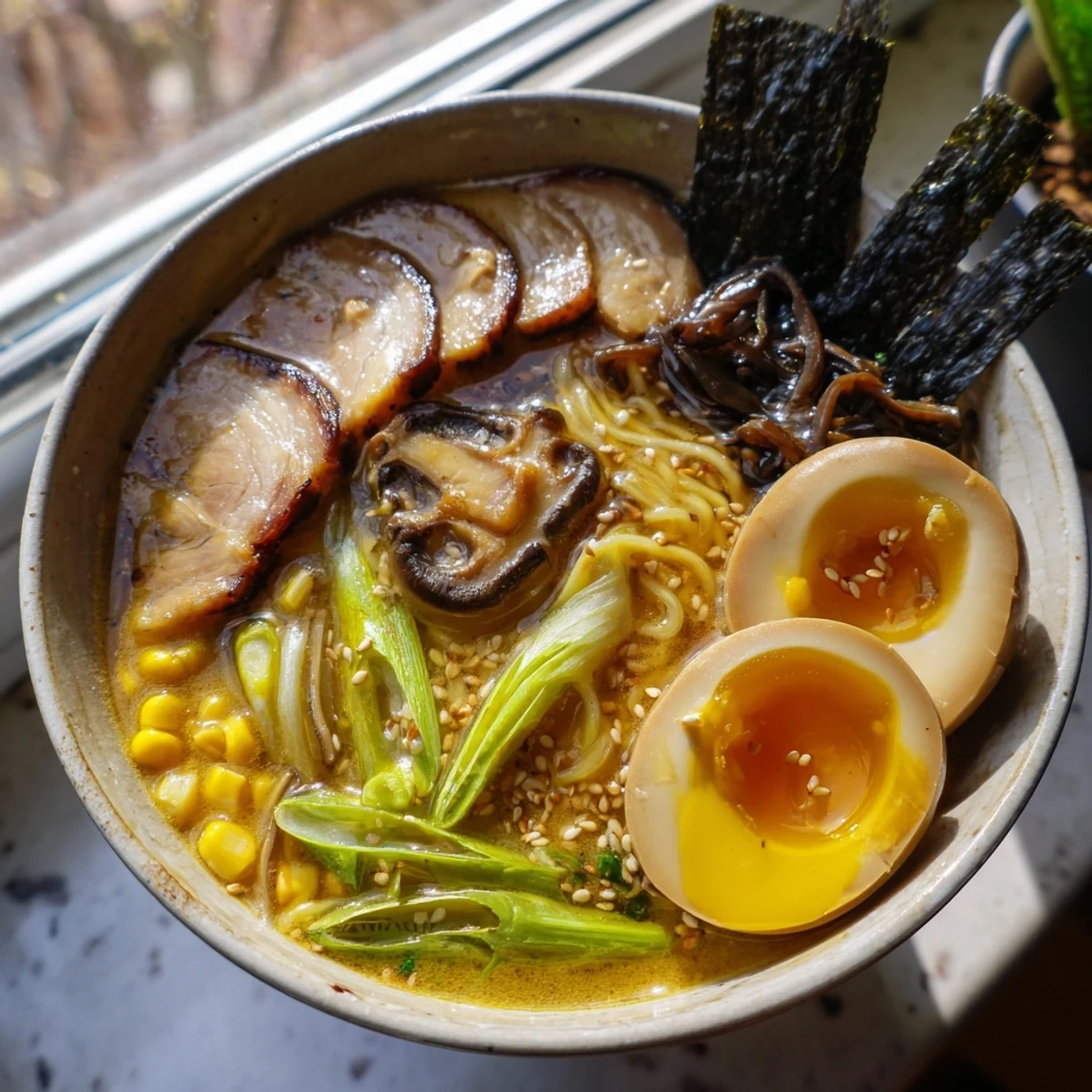
Save This Japanese ramen brings together a deeply flavorful miso-infused broth with tender fresh noodles and an array of traditional toppings. The broth simmers with garlic, ginger, soy sauce, and mirin to build layers of umami richness.
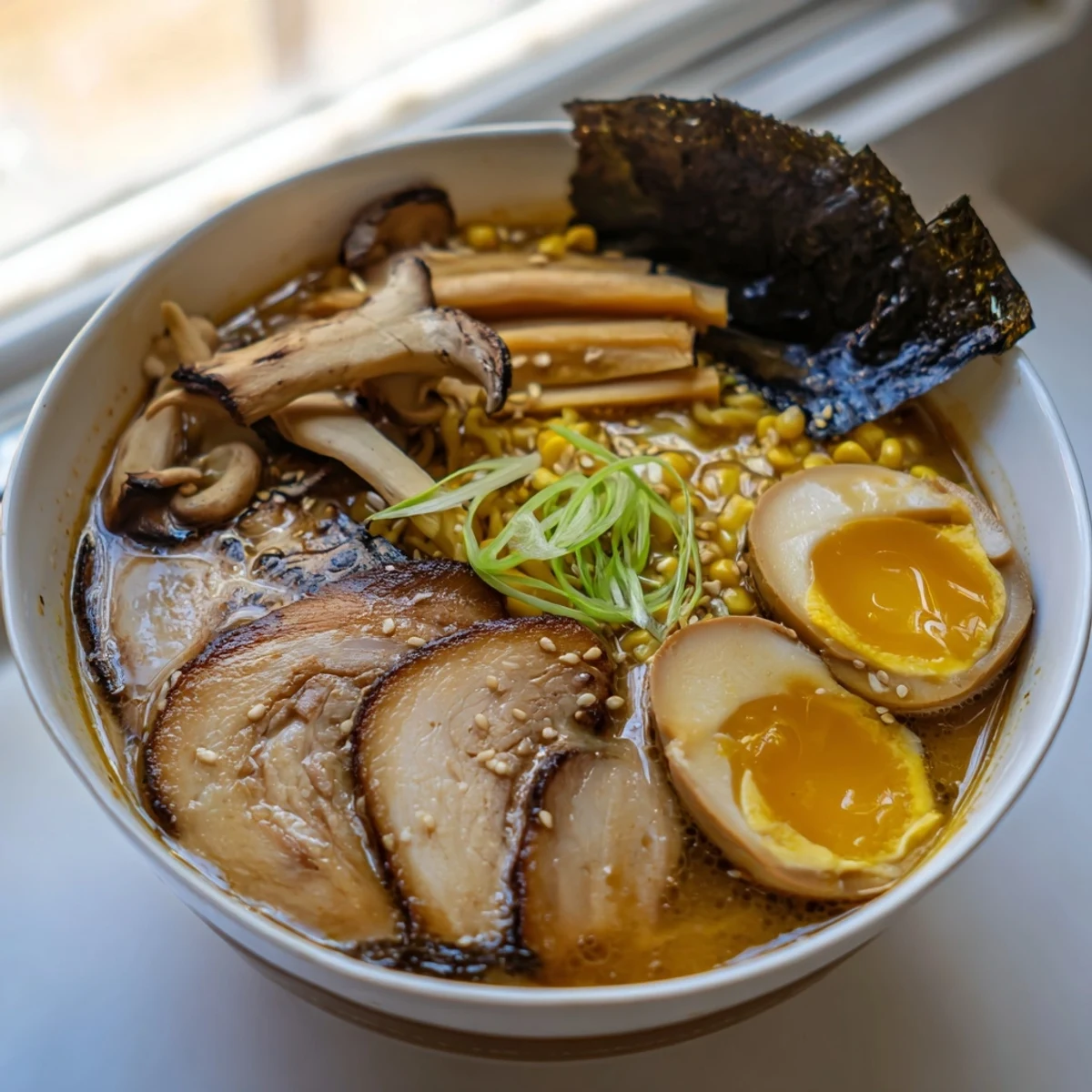
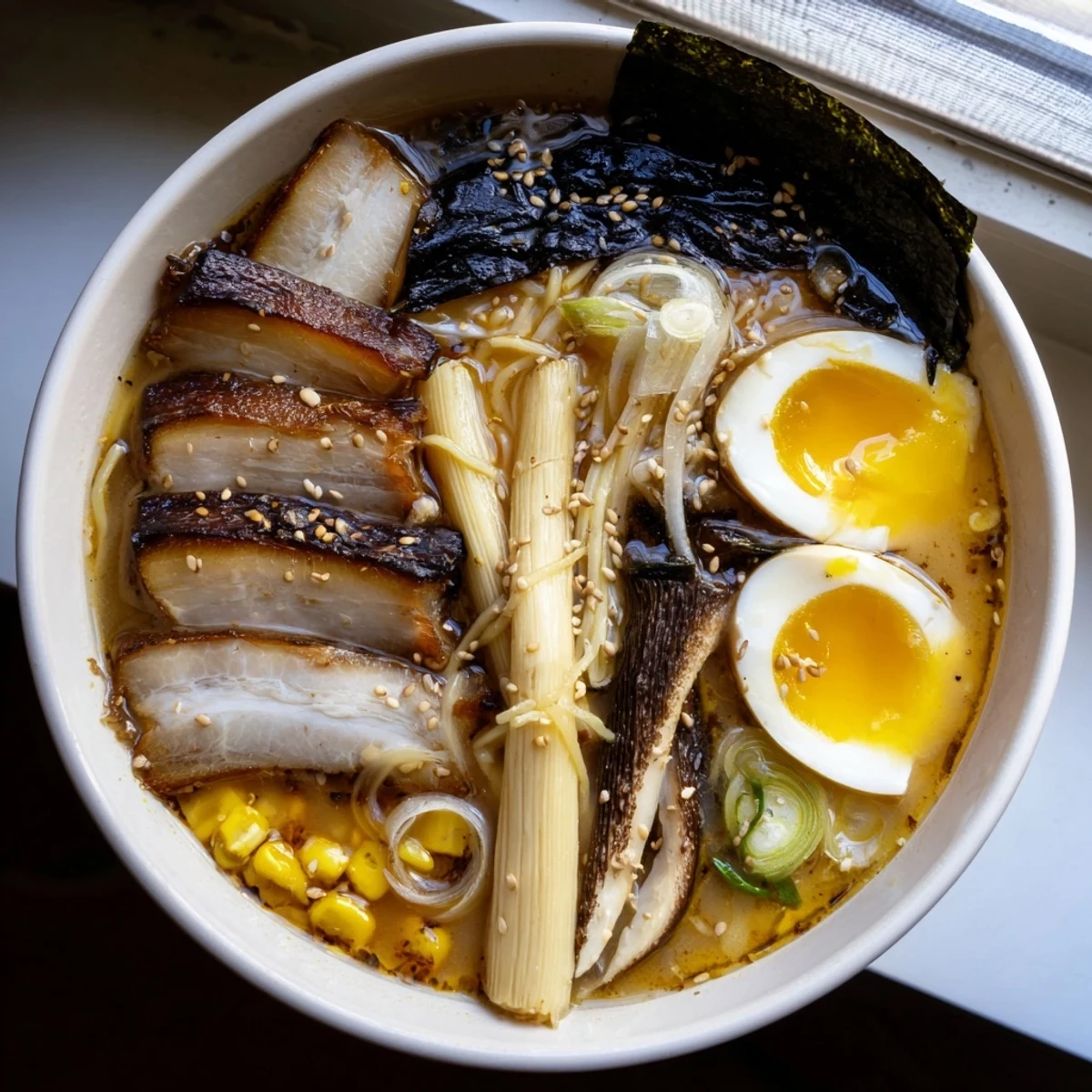
Topped with silky soft-boiled eggs, sliced pork belly or chicken, earthy shiitake mushrooms, nori, and crunchy bamboo shoots, each bowl delivers a satisfying balance of textures and flavors.
Ready in under an hour, this medium-difficulty dish serves four and can easily be adapted for vegetarian diets by swapping the meat broth for vegetable broth and replacing meat with tofu.
The rain was hammering against the kitchen window so hard I could barely hear the pot bubbling on the stove, and honestly that was fine by me because nothing silences a stormy evening quite like a bowl of ramen you built from scratch. I had wandered into the kitchen with zero plan, found half a knob of ginger and some lonely mushrooms in the fridge, and decided the universe was telling me something. That first slurp changed my entire relationship with soup. It was messy, imperfect, and completely addictive.
My neighbor once knocked on my door during a Sunday afternoon asking what smelled so incredible, and within ten minutes she was sitting at my counter with chopsticks in hand, completely ignoring the laundry she had been folding next door. We laughed about it for weeks afterward, and now she shows up every time she sees steam curling from my kitchen vent.
Ingredients
- Chicken or pork broth (1.5 liters): This is the backbone of everything, so use the best quality you can find because a watery broth will haunt every single bite.
- Soy sauce (2 tbsp): Adds that deep, salty umami punch that makes the broth taste unmistakably Japanese.
- Miso paste (1 tbsp): Dissolve it fully into the hot broth for a rounded, slightly sweet depth that soy sauce alone cannot provide.
- Sesame oil (2 tsp): A little goes a long way and the fragrance it releases when hitting warm liquid is pure comfort.
- Garlic cloves, minced (2): Fresh garlic makes a noticeable difference here, so please skip the jarred version for this one.
- Ginger, sliced (1 thumb-sized piece): Slice rather than mince so you can strain it out later and keep the broth smooth.
- Mirin (1 tbsp): This sweet rice wine balances the saltiness and adds a subtle glossy richness to the finished broth.
- Fresh ramen noodles (400 g): Fresh noodles have a springy chew that dried noodles simply cannot match, though dried will work in a pinch.
- Soft-boiled eggs, halved (2): Six minutes in gently boiling water gives you that gorgeous jammy yolk that makes every bowl feel restaurant quality.
- Cooked pork belly or chicken breast, sliced (200 g): Pork belly brings indulgence while chicken keeps it lighter, so choose based on your mood.
- Shiitake mushrooms, sliced (100 g): They soak up the broth beautifully and add an earthy bite that rounds out the toppings.
- Nori sheet, cut into strips (1): Tuck it against the side of the bowl for a touch of ocean freshness and visual flair.
- Spring onions, thinly sliced (2): Their sharp freshness cuts through the richness and brightens every spoonful.
- Bamboo shoots (100 g): These add a satisfying crunch and a slight tang that keeps each bite interesting.
- Corn kernels, to taste: A handful adds unexpected sweetness and a pop of golden color to the bowl.
- Toasted sesame seeds, to garnish: Sprinkle these on last for a nutty finish and a little textural charm.
Instructions
- Build the broth:
- Warm the sesame oil in a large pot over medium heat until it shimmers, then toss in the garlic and ginger, stirring until your kitchen smells like a tiny ramen shop tucked inside a Tokyo alleyway. Pour in the broth, soy sauce, miso paste, and mirin, then let everything simmer gently for twenty minutes before straining out the solids.
- Cook the noodles:
- Follow the package instructions carefully because overcooked ramen noodles turn gummy and sad faster than almost any other pasta. Drain them well and set aside while you handle the toppings.
- Prepare the toppings:
- Lower the eggs into gently boiling water for exactly six minutes, then plunge them into cold water so the yolks stay perfectly soft and jammy. Slice your cooked meat, cut the mushrooms, and arrange everything within arms reach so assembly feels effortless.
- Assemble and serve:
- Divide the noodles among four warm bowls, ladle the steaming broth over them, and artfully arrange your toppings on top like you are painting a tiny edible still life. Finish with a scatter of sesame seeds and serve immediately while the steam is still rising.
 Save
Save There is something almost sacred about carrying a steaming bowl to the table with both hands, watching someone take that first sip, and seeing their shoulders drop as the warmth spreads through them. That quiet moment of comfort is why I keep coming back to this recipe.
What to Drink Alongside
A cold Japanese beer is the classic choice and honestly tough to beat, but a cup of sake served warm works beautifully too, especially on colder evenings when you want the meal to feel extra nourishing.
Making It Your Own
The real magic of ramen is how forgiving it is with toppings, so use this recipe as a starting point and swap in whatever you have lingering in the fridge. Spinach, bean sprouts, a drizzle of chili oil, or even leftover roast vegetables all find a happy home in this broth.
Leftovers and Reheating
Store the broth and noodles separately in the refrigerator because nothing is sadder than noodles that have been soaking overnight and turned into a mushy disappointment. When ready to eat, heat the broth until it is vigorously steaming and pour it over fresh or quickly reheated noodles for the best texture.
- Broth keeps well in the fridge for up to three days and actually tastes better on day two as the flavors continue to deepen.
- You can freeze the broth in portion sized containers for up to a month, making future ramen nights almost effortless.
- Always prepare fresh noodles and eggs rather than reheating them, because texture is everything in this dish.
 Save
Save Once you master this broth, you will find yourself making excuses to cook it again and again, and your friends will start showing up at your door around dinnertime with suspicious regularity. Enjoy every slurp.
Common Recipe Questions
- → What type of noodles work best for ramen?
-
Fresh ramen noodles deliver the best texture and chew, but dried ramen noodles are a convenient alternative. Look for noodles specifically labeled as ramen rather than generic pasta, as they have a higher alkaline content that gives them their characteristic springiness.
- → Can I make the broth ahead of time?
-
Yes, the broth actually improves when made a day in advance. Store it in an airtight container in the refrigerator for up to 3 days, or freeze it for up to a month. Reheat gently on the stove before assembling your bowls.
- → How do I achieve the perfect soft-boiled egg for ramen?
-
Bring water to a gentle boil, then lower the eggs in carefully. Cook for exactly 6 minutes for a runny yolk with set whites. Immediately transfer to an ice bath to stop the cooking. Peel gently under running water for the cleanest result.
- → What can I substitute for pork belly?
-
Sliced chicken breast, chashu pork, braised beef, or even pan-seared tofu all work beautifully as toppings. For a lighter option, thinly sliced turkey or tempeh can also be used while still delivering satisfying protein.
- → How can I make vegetarian ramen?
-
Replace the chicken or pork broth with a rich vegetable or mushroom broth. Omit the meat and add extra shiitake mushrooms, marinated tofu, and vegetables like spinach or bean sprouts. Keep the miso paste and soy sauce for that essential umami depth.
- → Why should I strain the broth before serving?
-
Straining removes the garlic, ginger, and any coagulated proteins, resulting in a clean, clear broth that lets the noodles and toppings shine. The aromatics have already released their flavor during simmering, so removing them doesn't reduce taste.