
 Save
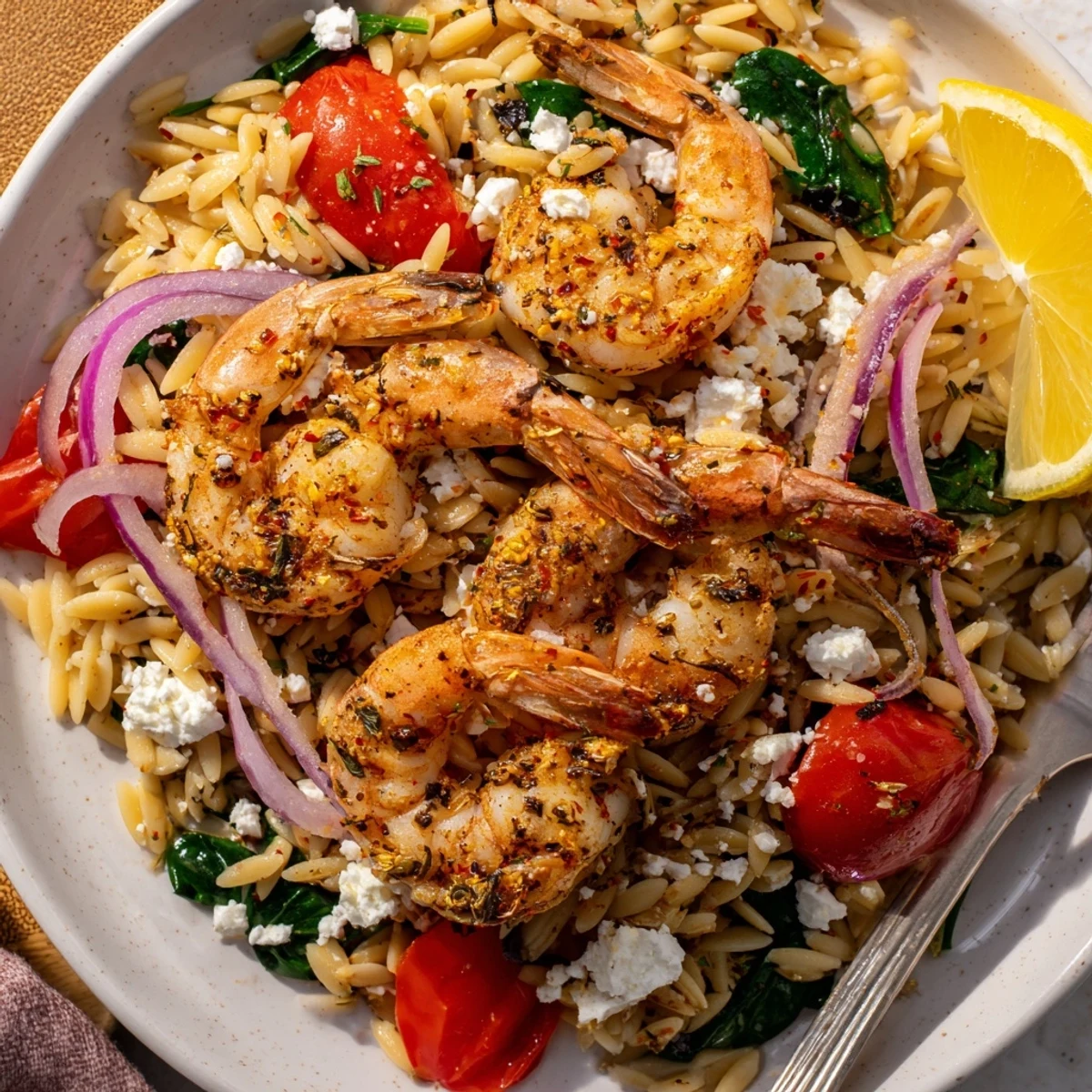
Save This lemon, feta and shrimp orzo comes together in about 30 minutes. Start by boiling orzo until al dente, then sauté garlic and onion in olive oil. Add shrimp and season with oregano, salt and pepper, cooking until opaque. Stir in cherry tomatoes, spinach and drained orzo, then finish off the heat with lemon zest, lemon juice and crumbled feta. Toss gently, garnish with parsley and lemon wedges. For a vegetarian version, swap shrimp for roasted chickpeas or extra vegetables and add kalamata olives for briny depth. Serve hot with a crisp white wine.
The exhaust fan was broken the evening I threw this dish together, which meant every window in my apartment had to stay open while garlic sizzled in olive oil and lemon zest hung in the air like a question I wanted to answer yes to forever. My neighbor actually knocked on the door to ask what I was cooking, and I handed her a plate through the doorway without thinking twice about it. That is the kind of recipe this is: immediate, generous, and impossible to keep to yourself.
I have made this for camping trips in a cast iron skillet, for a friend who had just moved and had nothing in her fridge but a lemon, and once at eleven at night when dinner felt like a chore until the shrimp hit the pan and turned pink and everything changed.
Ingredients
- Large shrimp (450 g, peeled and deveined): Buy the biggest shrimp you can find because they stay juicy and give you something substantial to bite into amid the soft pasta.
- Orzo pasta (225 g): This tiny rice shaped pasta soaks up lemon and olive oil like a sponge, which is exactly what you want.
- Olive oil (2 tbsp): Use the good stuff here since it is a primary flavor and you will taste the difference.
- Garlic, minced (2 cloves): Minced fine so it melts into the oil rather than sitting in chunks.
- Red onion, finely chopped (1 small): Red onion adds a sharp sweetness that white onion simply cannot replicate in this context.
- Cherry tomatoes, halved (100 g): Halving them releases their juice into the pan and creates tiny pockets of acidity throughout the dish.
- Baby spinach (60 g): It wilts down to almost nothing, so do not be alarmed by how much raw spinach looks in the bag.
- Lemon zest and juice (1 lemon): The zest carries fragrance while the juice brings sharpness, and together they are the backbone of this entire recipe.
- Feta cheese, crumbled (100 g): A block of feta that you crumble yourself will be creamier and less dry than the pre crumbled tubs.
- Dried oregano (1 tsp): It tastes like a Greek hillside and grounds the dish in something earthy.
- Crushed red pepper flakes (quarter tsp, optional): Just enough warmth to notice but not enough to overwhelm anyone sensitive to heat.
- Salt and black pepper: Season in layers, starting with the shrimp and finishing when you taste the completed dish.
- Fresh parsley, chopped (2 tbsp): Parsley at the end adds a flash of green and a clean flavor that ties everything together.
- Lemon wedges for serving: A squeeze at the table wakes up every ingredient on the plate.
Instructions
- Cook the orzo:
- Bring a large pot of salted water to a boil and cook the orzo according to the package until just al dente, then drain it and set it aside while you handle the rest.
- Build the flavor base:
- Heat olive oil in a large skillet over medium heat and add the garlic and red onion, stirring until the onion softens and your kitchen smells like the inside of a restaurant you do not want to leave.
- Sear the shrimp:
- Season the shrimp with salt, pepper, oregano, and red pepper flakes, then lay them in the skillet and cook two to three minutes per side until they curl tight and turn completely pink and opaque.
- Wilt the tomatoes and spinach:
- Toss in the halved cherry tomatoes for two minutes until their skins just start to wrinkle, then add the drained orzo and baby spinach, tossing everything until the spinach collapses into the pasta.
- Finish with lemon and feta:
- Take the skillet off the heat and stir in the lemon zest, lemon juice, and crumbled feta, tossing gently so the feta distributes without completely melting into the pasta.
- Serve immediately:
- Plate the orzo while it is still warm, scatter chopped parsley over the top, and set lemon wedges alongside so everyone can squeeze to their own liking.
 Save
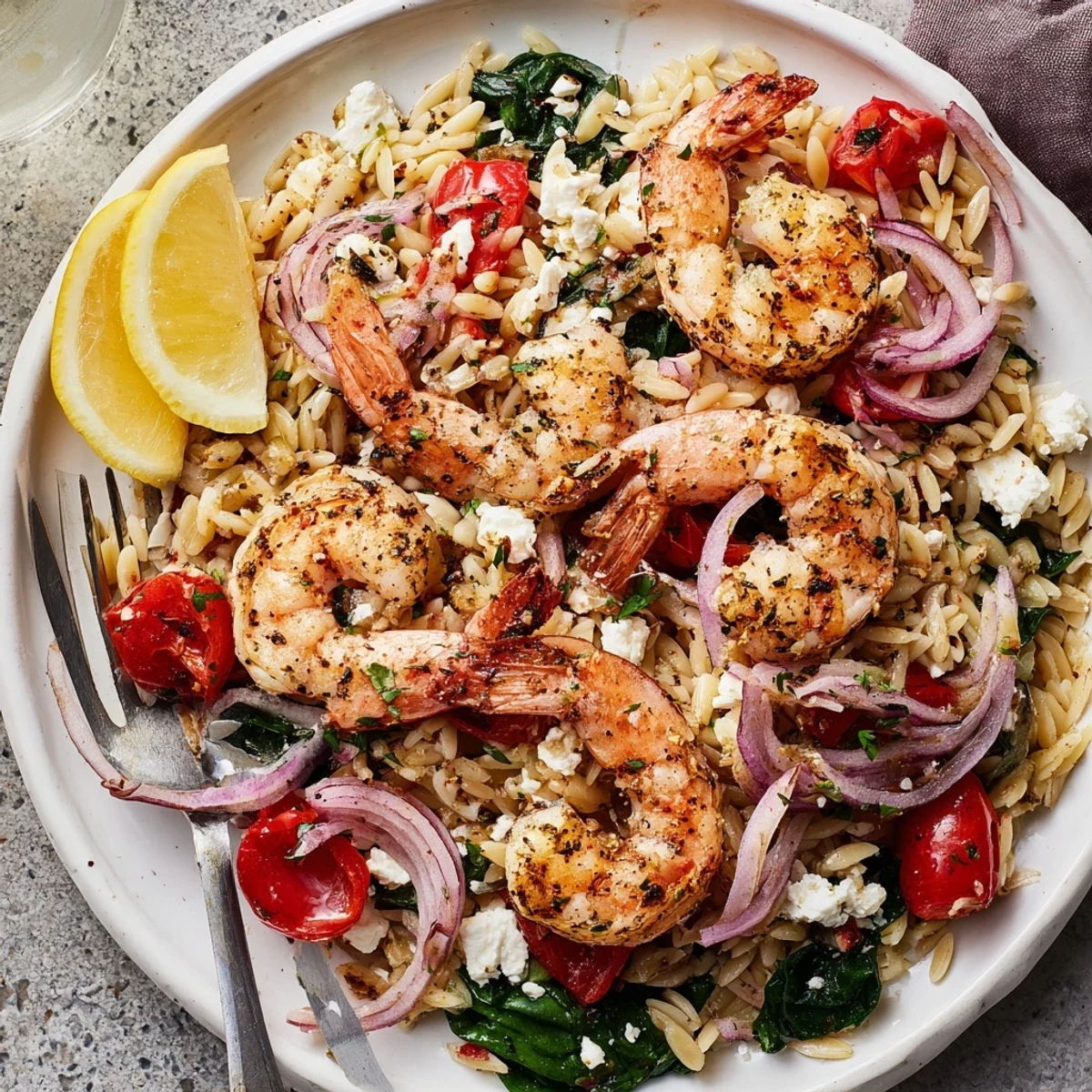
Save I once packed the leftovers in a container for lunch the next day and ate them cold standing over the kitchen sink, and somehow it was even better than it had been hot.
What to Serve Alongside
A glass of Sauvignon Blanc sits beside this dish like it was born there, all grassy and cool against the salty feta. A chunk of crusty bread on the plate gives you something to push through the last of the lemony oil pooled at the bottom. If you are feeding a crowd, a simple cucumber salad with vinegar and dill rounds out the meal without competing for attention.
Making It Your Own
Throw in a handful of kalamata olives if you want more brine, or swap the shrimp for roasted chickpeas and suddenly you have a vegetarian dinner that nobody will complain about. Sun dried tomatoes work in place of fresh cherry tomatoes when you are out of fresh produce. A spoonful of capers scattered in at the end makes the whole dish sharper and more interesting.
Storing and Reheating
Keep leftovers in an airtight container in the refrigerator for up to three days, though the spinach will darken and the feta will soften further overnight which is not a problem at all. Reheat gently in a skillet with a splash of water or olive oil rather than using the microwave, which can toughen the shrimp. The orzo will absorb liquid as it sits, so add a squeeze of fresh lemon when you reheat to bring it back to life.
- Taste for salt before serving leftovers because feta continues to release its brine as it sits.
- Do not freeze this dish because the texture of both the shrimp and the orzo will suffer.
- Always squeeze a fresh lemon wedge over reheated portions to wake up the flavors.
 Save
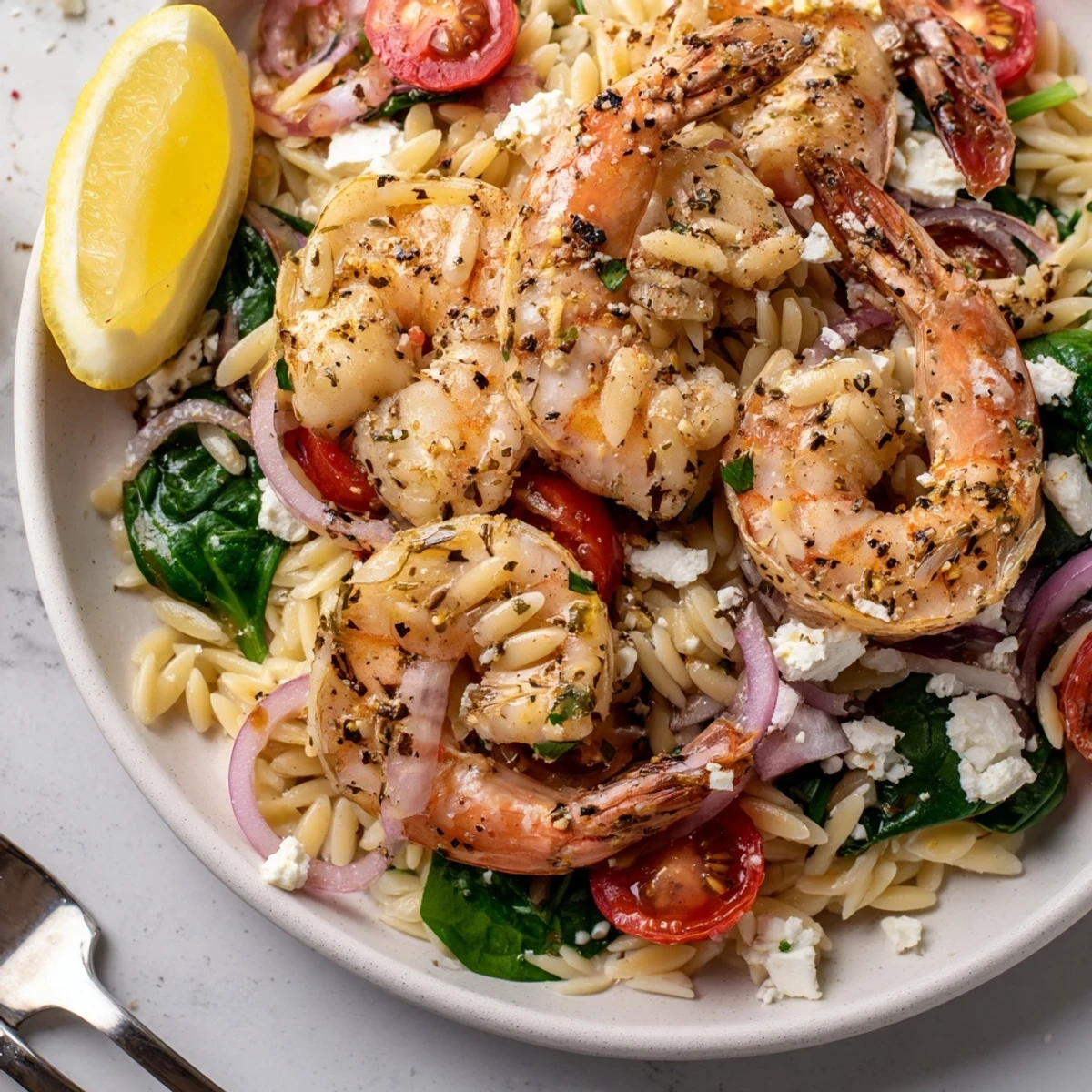
Save Some recipes become staples because they are easy, and some earn their place because they make you close your eyes when you take the first bite. This one does both, and that is why it will never leave my rotation.
Common Recipe Questions
- → How do I prevent the shrimp from overcooking?
-
Pat shrimp dry before cooking and heat the skillet to medium. Cook about 2–3 minutes per side until they turn pink and opaque, then remove from heat immediately to avoid rubbery texture.
- → Can I make this without seafood?
-
Yes — substitute roasted chickpeas, sautéed mushrooms or grilled halloumi for a satisfying vegetarian alternative. Adjust cooking times and seasoning to match the new protein or veg.
- → What’s the best way to cook the orzo for this dish?
-
Boil orzo in generously salted water until al dente, then drain and reserve a splash of pasta water. The reserved water helps loosen the pan and bind the olive oil, lemon and feta to the orzo.
- → How do I keep the feta crumbly instead of melting into the pasta?
-
Remove the skillet from heat before stirring in the crumbled feta and lemon. Adding it off the heat preserves texture and allows creamy pockets without fully melting.
- → What gluten-free swaps work for orzo?
-
Use a rice-shaped gluten-free pasta, millet or small quinoa pearls. Check packaging for cross-contamination and adjust boiling time to achieve an al dente bite.
- → What wine or side pairs well with this dish?
-
A crisp Sauvignon Blanc or a dry rosé complements the lemon and feta. Serve with a simple green salad or crusty bread to balance the flavors and textures.