
 Save
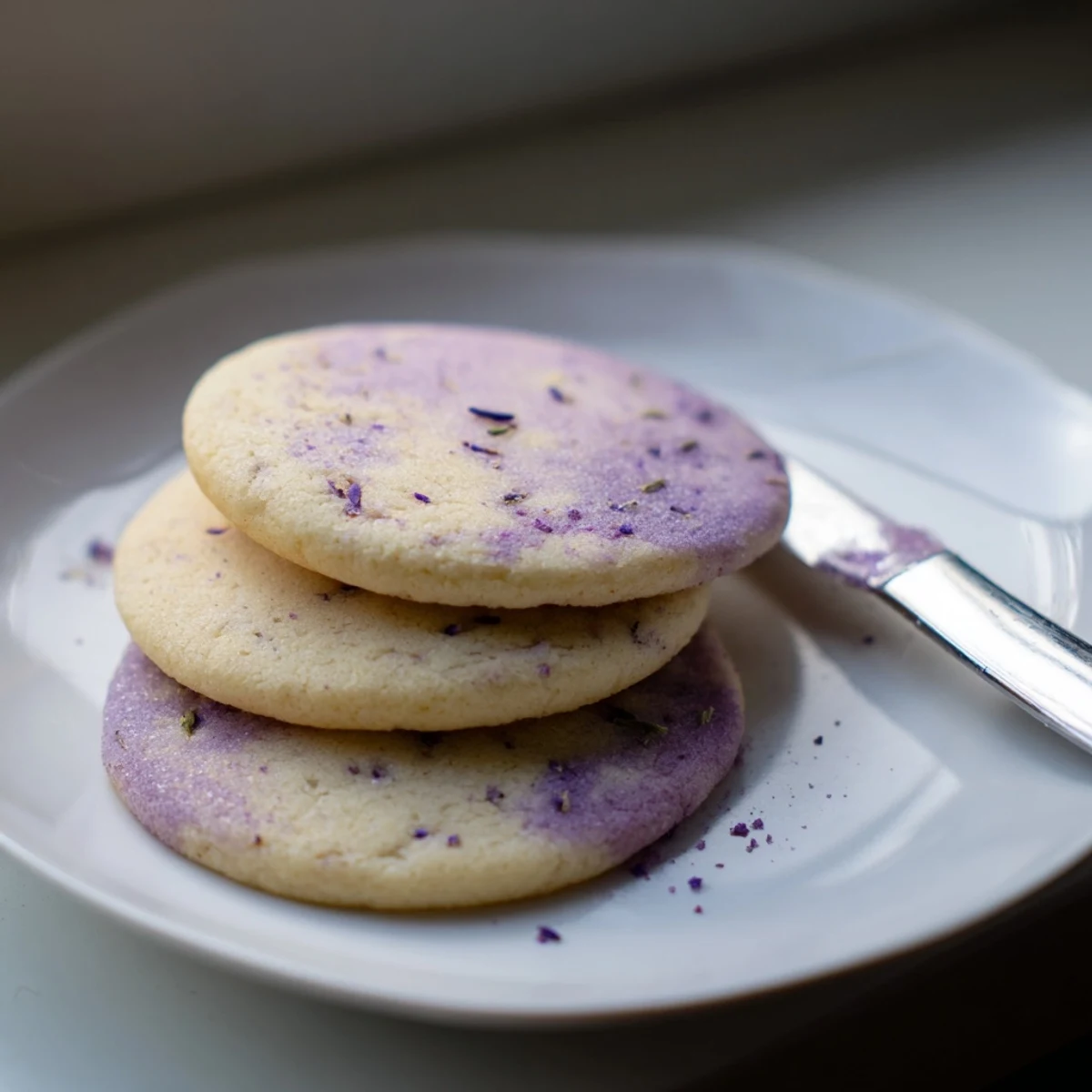
Save These delicate sugar cookies capture the essence of spring with fresh lilac blossoms infused throughout buttery dough. The process begins by pulsing pesticide-free flowers with granulated sugar until fragrant and pale purple, creating a naturally floral sweetener. Classic sugar cookie dough comes together with flour, baking powder, salt, butter, the prepared lilac sugar, egg, and vanilla extract.
After chilling the dough for at least an hour, roll it to ¼-inch thickness and cut into your favorite shapes. Bake at 350°F for 8-10 minutes until edges turn golden. The resulting cookies offer a subtle floral aroma and tender crumb, perfect alongside herbal teas or light white wine.
For those without access to fresh lilacs, violets make an excellent substitute. Always ensure any flowers used are edible and free from pesticides or contaminants.
Last spring my neighbor caught me literally standing in her front yard with my nose buried in a massive lilac bush. She laughed instead of calling the police and even sent me home with an armful of blossoms, which somehow turned into the most experimentally wonderful batch of cookies I have ever made.
I made them for my book club and watched everyone take that first suspicious bite before their eyes went wide with genuine surprise. Now they request them every May, and I have become that person who gives cookie updates alongside flower recommendations.
Ingredients
- Granulated sugar: This becomes the carrier for all that floral magic, so use good quality sugar and do not rush the pulsing process
- Fresh lilac blossoms: Make absolutely certain these have never been sprayed with anything and give them a gentle shake to dislodge any tiny visitors
- All purpose flour: The foundation that holds everything together without competing with the delicate flavor
- Unsalted butter: Room temperature is non negotiable here for that perfect creamed texture
- Large egg: Bring this to room temperature too so it incorporates seamlessly into your dough
- Pure vanilla extract: The quiet supporting actor that bridges the gap between butter and flower
Instructions
- Make the floral sugar:
- Pulse your sugar and lilac blossoms in a food processor until the flowers disappear into tiny purple flecks and the whole mixture smells like a botanical garden.
- Whisk the dry ingredients:
- Combine your flour, baking powder, and salt in a bowl so they are ready to join the party later.
- Cream the butter and sugar:
- Beat your butter and that gorgeous lilac sugar until the mixture turns pale and fluffy, which usually takes a few minutes of serious mixing.
- Add the egg and vanilla:
- Crack in your egg and pour in the vanilla, beating until everything is smoothly combined.
- Bring the dough together:
- Gradually mix in those dry ingredients just until you cannot see flour anymore, being careful not to overwork it.
- Chill the dough:
- Shape your dough into two discs, wrap them up, and let them rest in the fridge for at least an hour so they are easier to roll out later.
- Prep your oven and pans:
- Heat your oven to 350 degrees and line your baking sheets with parchment paper so nothing sticks.
- Roll and cut:
- Roll out your chilled dough on a floured surface until it is about one quarter inch thick, then cut into whatever shapes make you happy.
- Bake to perfection:
- Slide those cookies into the oven for eight to ten minutes, pulling them out when the edges are just barely turning golden.
- Cool completely:
- Let them rest on the baking sheet for five minutes before moving them to a wire rack, where they will crisp up beautifully.
 Save
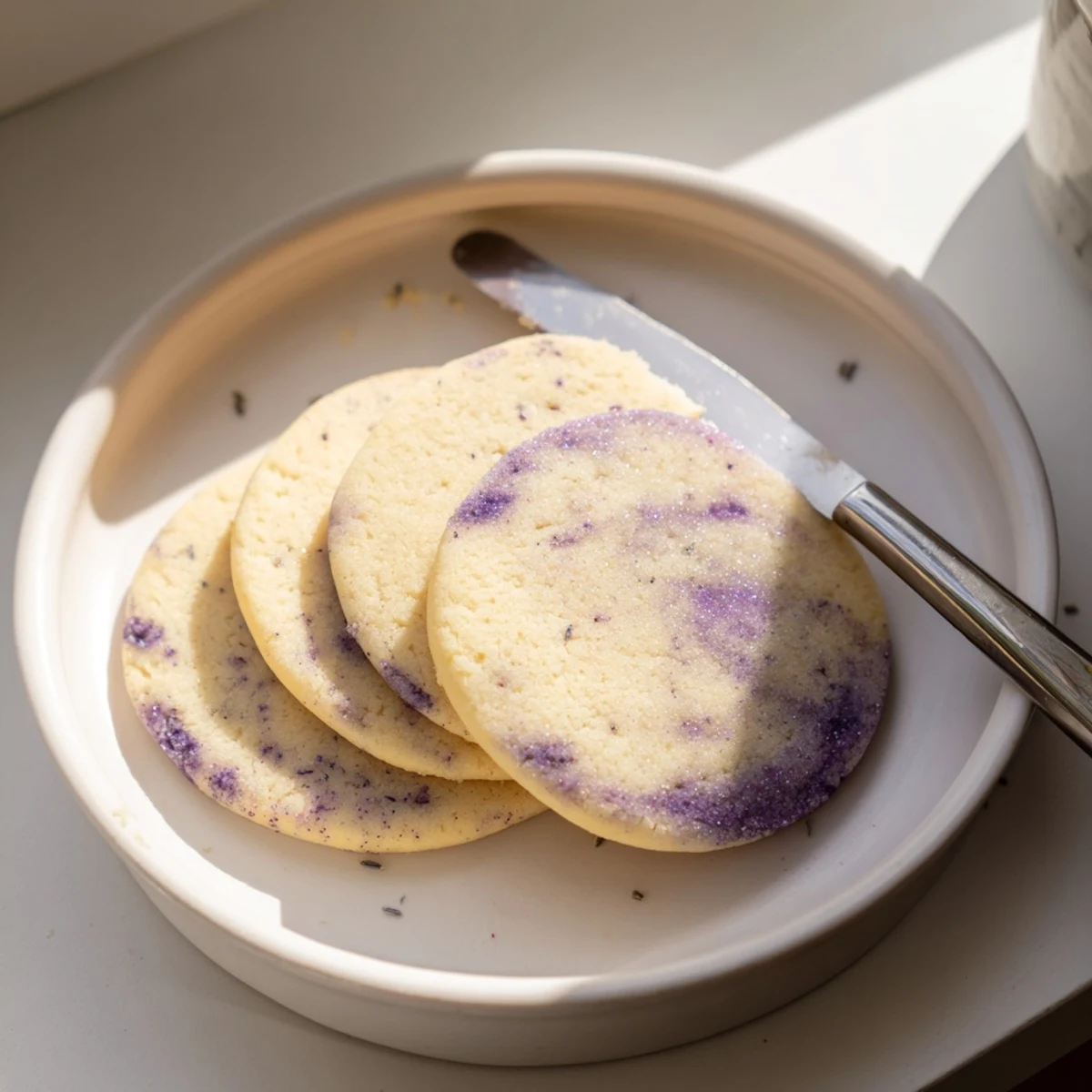
Save My daughter now asks for these on the first day she sees buds forming on the bushes. It has become our little seasonal marker, more reliable than the calendar and much more delicious.
Selecting Your Blossoms
Pick lilacs in the morning after the dew has dried but before the sun gets too intense. The blossoms should be fully open and fragrant, with no brown edges or wilting petals.
Making Them Your Own
I have tried swapping in violets and roses when lilac season ends. Each flower brings its own personality, though lilac remains the most delicately perfumed of the bunch.
Serving Suggestions
These are best enjoyed on a porch swing with a cup of Earl Grey or alongside a crisp white wine on a warm afternoon. The subtle flavor deserves an equally thoughtful pairing.
- Sprinkle extra lilac sugar on top before baking for a sparkly finish
- Package them in clear bags tied with ribbon for an unforgettable gift
- Store in an airtight container with a piece of bread to keep them soft
 Save
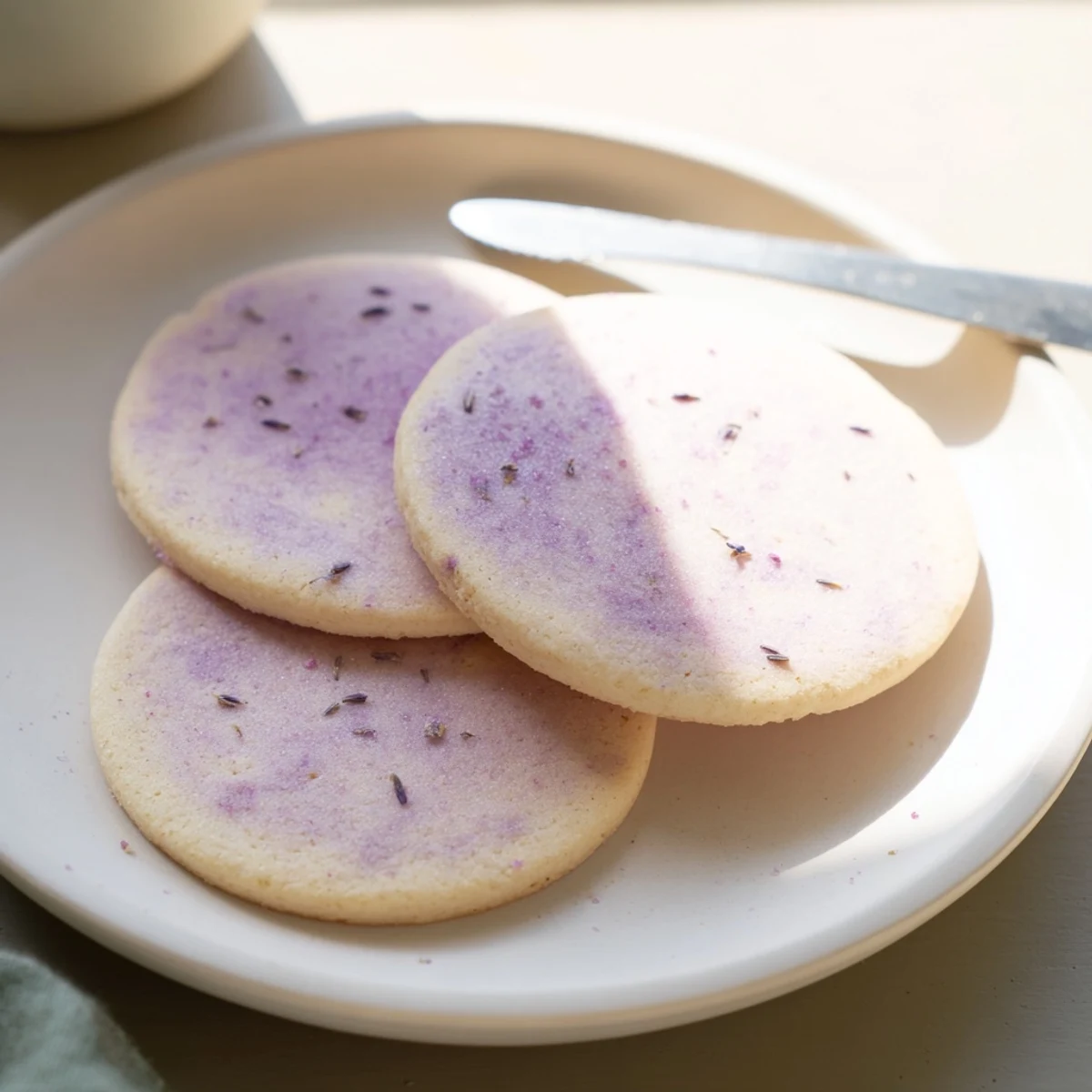
Save There is something almost magical about transforming flowers into food, like capturing the essence of May in a jar. Every bite feels like a small celebration.
Common Recipe Questions
- → Can I use dried lilac blossoms instead of fresh?
-
Fresh blossoms provide the best flavor and aroma, but dried lilac flowers can work in a pinch. Use about half the amount since drying concentrates the floral notes. Rehydrate slightly by pulsing with the sugar.
- → How should I store these lilac cookies?
-
Store cooled cookies in an airtight container at room temperature for up to 5 days. Place parchment paper between layers to prevent sticking. The floral flavor may intensify slightly after the first day.
- → Are all lilac varieties edible?
-
Only common lilac (Syringa vulgaris) blossoms are typically used for culinary purposes. Avoid flowers from unknown sources or those treated with pesticides. Remove all stems and green parts before using.
- → Can I freeze the cookie dough?
-
Yes, wrap the dough discs tightly in plastic wrap and place in a freezer bag for up to 3 months. Thaw overnight in the refrigerator before rolling and baking. You can also freeze baked cookies for 2-3 months.
- → What other edible flowers work well in sugar cookies?
-
Violets, rose petals, lavender, and elderflowers all make lovely alternatives. Each flower offers a unique flavor profile—lavender is more herbal while roses provide a classic floral sweetness. Adjust quantities to taste.
- → Why is chilling the dough important?
-
Chilling prevents the cookies from spreading too much in the oven, ensuring they hold their shape and maintain a tender texture. It also allows the lilac flavor to meld with the butter for more even distribution.