
 Save
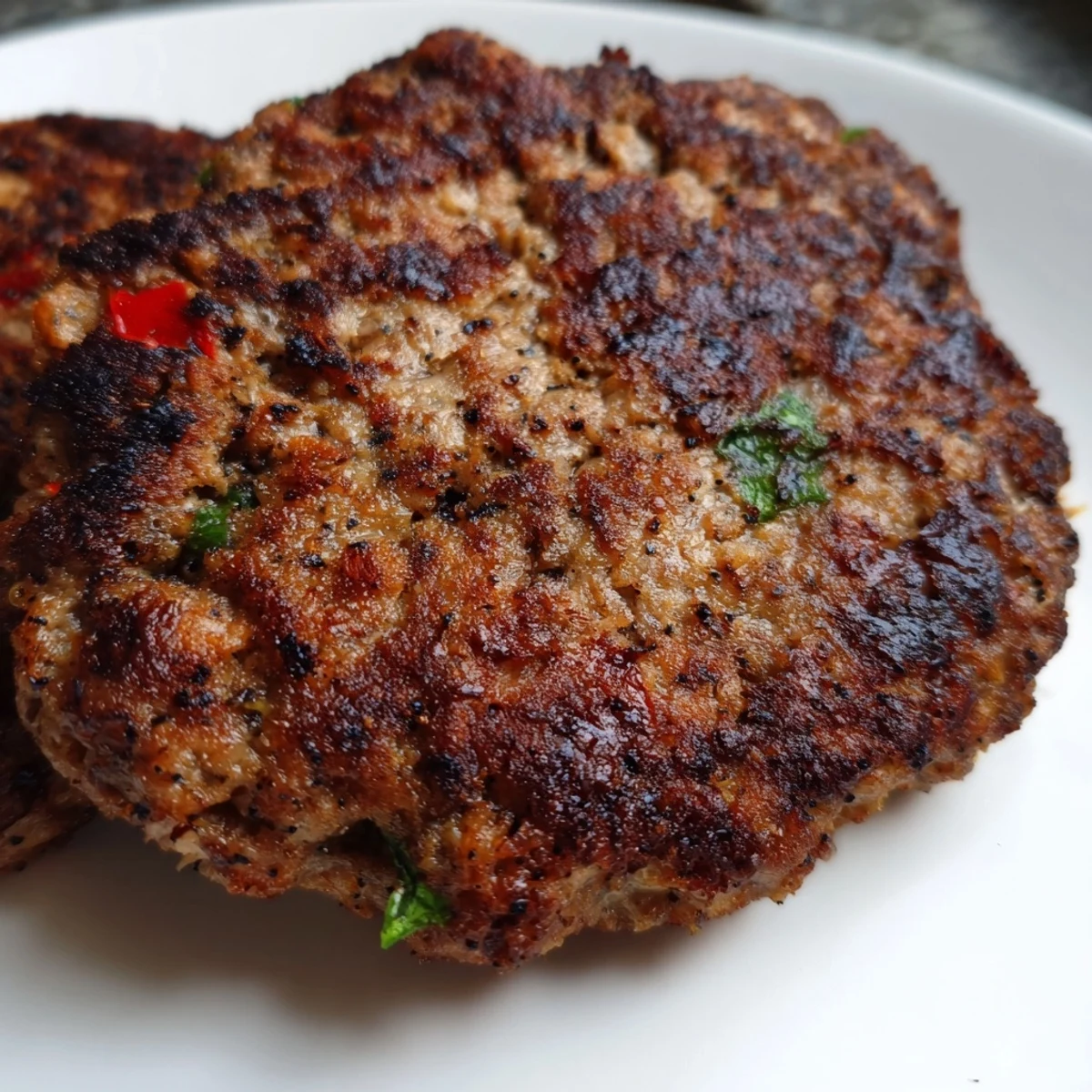
Save Experience the authentic taste of Pakistani cuisine with these legendary Chapli Kabab. These spiced minced meat patties feature a perfect balance of textures - crispy golden edges with a tender, juicy center. The traditional blend of roasted cumin, crushed coriander, pomegranate seeds, and fresh herbs creates an irresistible depth of flavor that sets these kababs apart.
Preparation is straightforward: mix ground beef or lamb with finely chopped vegetables, aromatic spices, and binding agents. After a brief chilling period to firm the texture, shallow-fry the patties until golden brown. The result is a restaurant-quality dish that's perfect for family dinners, gatherings, or special occasions.
Serve these kababs hot with fresh naan, cooling yogurt raita, and a crisp salad for a complete meal. The dish yields four servings and takes just 40 minutes from start to finish, making it an excellent choice for both weeknight dinners and weekend entertaining.
The rainy weekend when my friend's mother first taught me to make Chapli Kabab in her tiny Peshawar kitchen remains unforgettable. She worked with an economy of movement I'd never seen, hands flying through spices and minced meat like she'd done it a thousand times before. When those first patties hit the hot pan, the sound was something between a sizzle and a song, filling the entire apartment with aromas that made my stomach growl. I've been chasing that perfect crisp-edged, juicy-centered result ever since.
Last Eid, I made three batches because the first disappeared before dinner even started. My cousin stood by the stove, snagging them straight from the pan with pieces of naan, burning her fingers and not caring one bit. We laughed until our sides hurt, grease on our chins, spices on our clothes, completely happy. Now it's not a proper celebration without at least one person doing kitchen duty as unofficial kabab taster.
Ingredients
- 500 g ground beef or lamb: The 20% fat content is nonnegotiable here, lean meat makes tough, dry kababs and nobody wants that disappointment
- 1 medium onion, finely chopped: Grating the onion instead of chopping releases moisture that helps keep the kababs tender while they cook
- 2 medium tomatoes, deseeded and finely chopped: Removing the seeds prevents excess water from making your patties fall apart during frying
- 2 green chilies, finely chopped: Adjust this based on your heat tolerance, but they add a fresh kick that dried spices alone cannot provide
- 1 bunch fresh coriander, chopped: This adds brightness that cuts through the rich meat and spices
- 2 tbsp fresh mint leaves, chopped: Mint is the secret weapon that makes these distinctively Pakistani and unforgettable
- 2 tsp crushed coriander seeds: Whole seeds crushed just before mixing release oils that pre-ground powder simply cannot match
- 1½ tsp cumin seeds, roasted and crushed: Dry roasting the cumin in a hot pan for 30 seconds before crushing transforms its flavor completely
- 1 tsp red chili flakes: These provide visible specks of color and distributed heat throughout the kabab
- 1½ tsp salt: Taste your mixture before shaping, adjusting based on your preference and saltiness of other ingredients
- 1 tsp garam masala: The warming finish that rounds out all the other spices into something cohesive
- 1 tsp dried pomegranate seeds, crushed: Anardana adds a subtle tartness that cuts through the richness and creates authentic flavor
- ½ tsp black pepper: Freshly ground adds a subtle warmth that builds on the other heat sources
- 1 tsp paprika: This gives the kababs their signature reddish hue and mild sweetness
- 1 tbsp ginger-garlic paste: Fresh paste made from equal parts ginger and garlic beats anything store-bought
- 1 egg: The binder that keeps everything together without making the texture rubbery or dense
- 3 tbsp cornmeal or gram flour: Gram flour is traditional and adds nutty flavor, but cornmeal creates an even crispier exterior
- 2 tbsp corn oil or ghee: Ghee adds incredible flavor, but oil works perfectly fine if that is what you have on hand
Instructions
- Combine everything in one bowl:
- Dump your ground meat, chopped vegetables, fresh herbs, ginger-garlic paste, and every single spice into a large mixing bowl. The magic happens when everything touches at once, so do not stress about order.
- Add the binders and mix gently:
- Crack in the egg and sprinkle in your cornmeal or gram flour, then use clean hands to mix until just combined. Work quickly and lightly, overworking the meat makes tough kababs, and we want them tender.
- Let it rest:
- Cover the bowl and pop it in the refrigerator for 15 minutes, this step firms up the texture and helps the flavors meld. The mixture becomes easier to shape and holds together better during cooking.
- Shape your patties:
- Grease your palms lightly with oil to prevent sticking, then grab a large lemon-sized portion of meat. Flatten it into a patty about 1 cm thick and 8 to 10 cm across, slightly thinner in the center for even cooking. Make all your patties before heating the pan so you can work efficiently once cooking starts.
- Get your pan ready:
- Heat oil or ghee in a large frying pan over medium heat until shimmering. You want enough oil to shallow-fry, but the kababs should not be submerged.
- Fry to perfection:
- Carefully place the patties in the hot pan, do not crowd them or they will steam instead of crisp. Cook for 3 to 4 minutes per side until deep golden brown with those signature crispy edges we are after.
- Drain and serve:
- Transfer the finished kababs to paper towels to drain excess oil, then serve immediately while still hot and sizzling. They are perfect with naan, mint chutney, and a simple kachumber salad on the side.
 Save
Save My grandmother always said you could tell a cook's worth by their Chapli Kababs. When I finally served her mine, after months of practice and failed attempts, she took one bite and smiled. That smile meant more than any compliment she could have spoken out loud. Now whenever I make these, I think of her hands shaping the meat, teaching me without words that patience and practice make everything better.
Getting The Texture Right
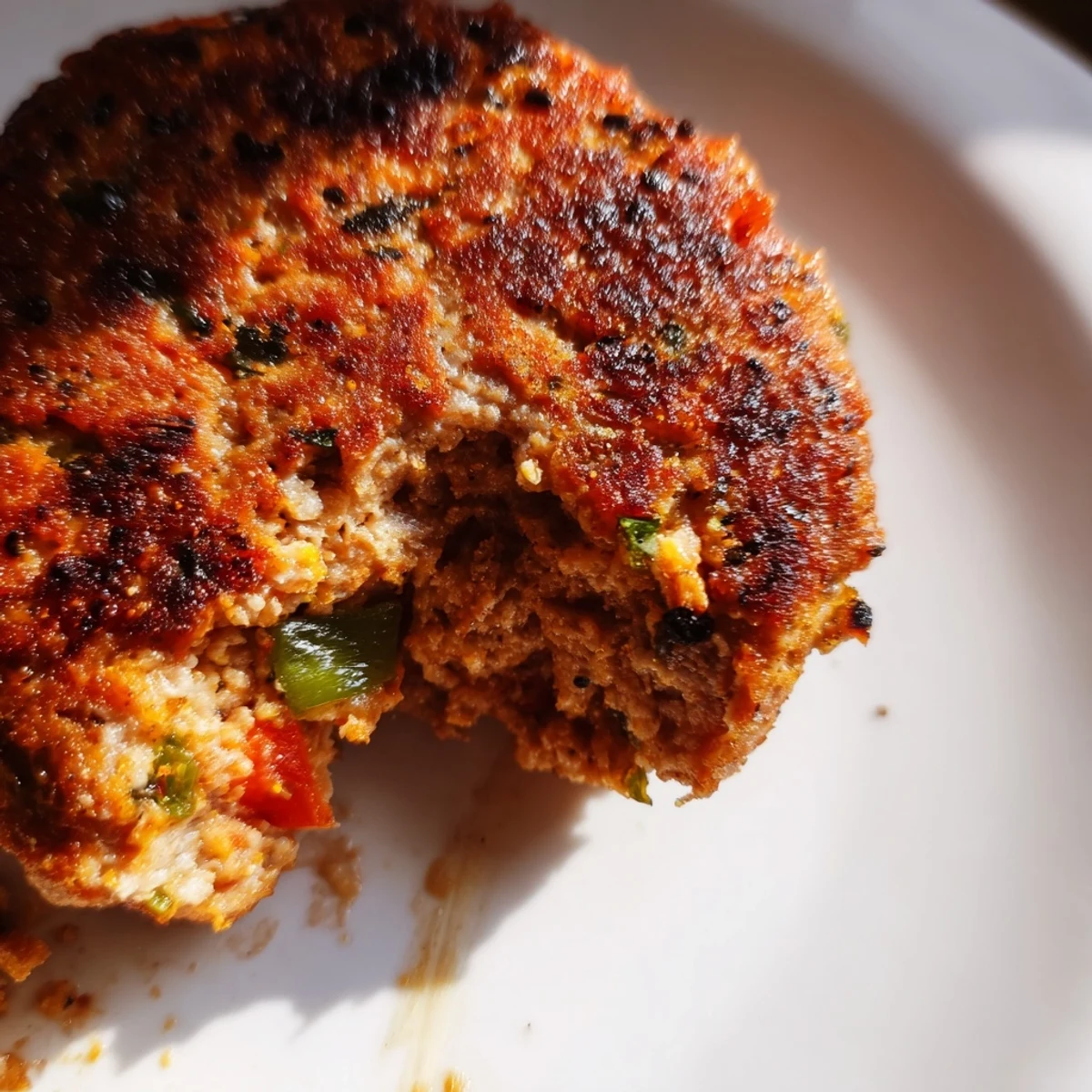
The perfect Chapli Kabab has a specific texture that can be tricky to achieve. You want a crisp, almost lacey edge with a tender juicy center. The key is the fat content in your meat and the resting time in the refrigerator. Do not skip these steps or you will end up with kababs that are either dry or fall apart in the pan.
Serving Suggestions That Work
These kababs are incredibly versatile and work in so many different settings. I have served them as appetizers at dinner parties, stuffed them in burger buns for a fusion twist, and eaten them straight from the pan as a midnight snack. The traditional accompaniment of naan, mint raita, and fresh salad really is perfect though.
Make Ahead And Storage
Chapli Kababs are one of those rare foods that actually benefit from being made ahead. The flavors develop overnight in the refrigerator, and they reheat beautifully without losing texture. I always make a double batch and freeze half for those nights when cooking feels impossible.
- Shape uncooked kababs and freeze them between layers of parchment paper for up to a month
- Cooked kababs reheat perfectly in a 350F oven for 10 minutes, or in a hot pan for 2 minutes per side
- Never microwave them unless you want soggy disappointment, the oven or pan is worth the extra time
 Save
Save Every kitchen should have a recipe that feels like coming home, and for me, this is the one. I hope these Chapli Kababs become that recipe for you too.
Common Recipe Questions
- → What makes Chapli Kabab different from regular kebabs?
-
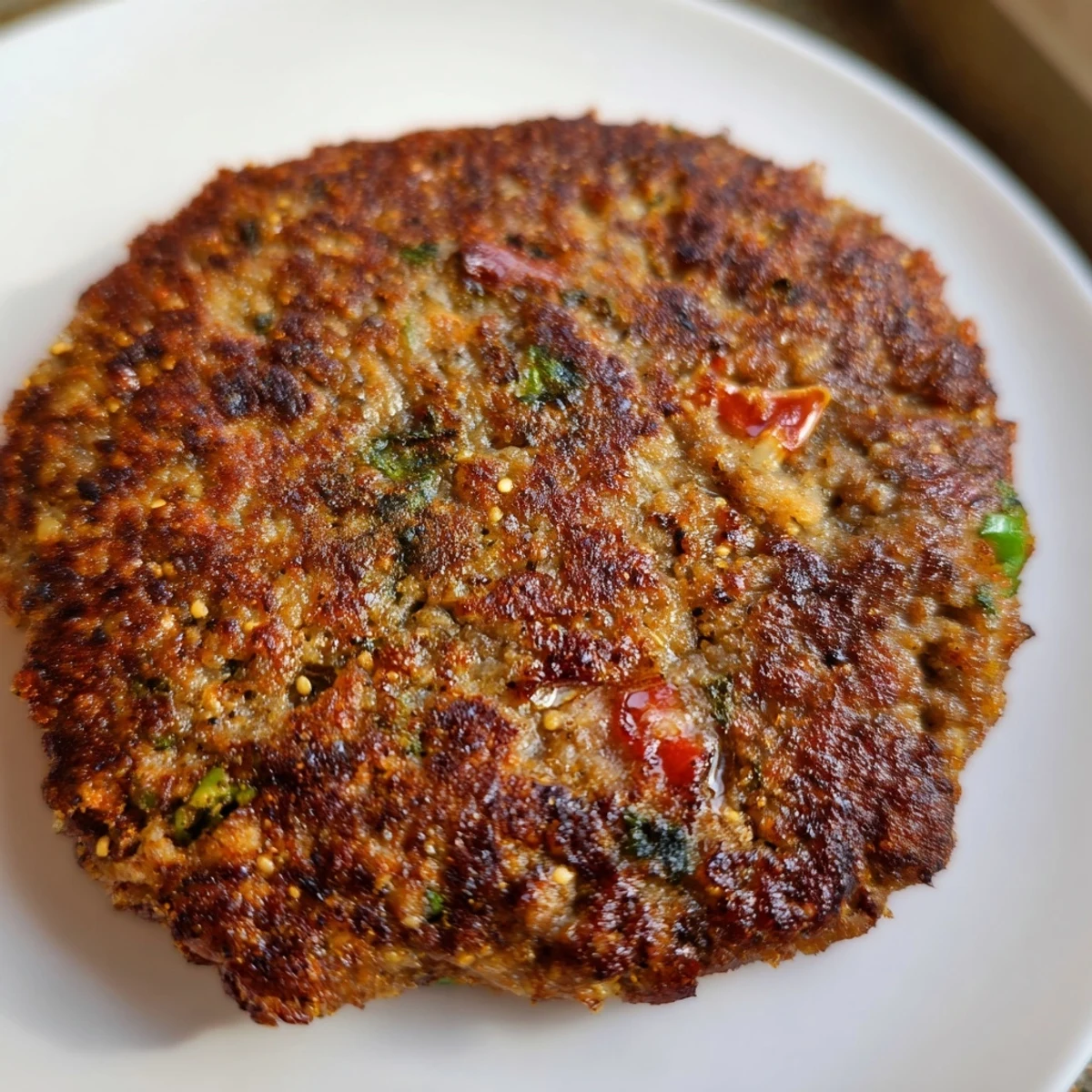
Chapli Kabab features a distinct flat, disc-like shape that resembles a chapal (slipper). The combination of pomegranate seeds, roasted cumin, and fresh tomatoes creates a unique tangy and spicy flavor profile. The texture is notably crispy on the edges while remaining juicy and tender inside, unlike many other kebab varieties.
- → Can I use chicken instead of beef or lamb?
-
While traditional Chapli Kabab uses beef or lamb with 20% fat content for optimal juiciness, you can substitute ground chicken. However, chicken tends to be leaner, so consider adding a bit more oil or egg to prevent dryness. The cooking time may also need adjustment to ensure the chicken is fully cooked through.
- → Why is the mixture chilled before forming patties?
-
Chilling the meat mixture for 15 minutes helps firm up the texture, making it easier to shape into patties that hold their form during cooking. This brief resting period also allows the spices to meld with the meat, enhancing the overall flavor profile. The cold temperature prevents the fat from melting too quickly while frying.
- → What's the purpose of dried pomegranate seeds?
-
Dried pomegranate seeds (anardana) add a subtle tangy, slightly sour flavor that balances the rich meat and aromatic spices. They also provide a pleasant crunch and help tenderize the meat. If unavailable, you can substitute with a squeeze of fresh lemon juice or amchur (dry mango powder).
- → Can I bake these instead of frying?
-
While shallow-frying creates the signature crispy edges, you can bake Chapli Kabab at 200°C (400°F) for 15-20 minutes, flipping halfway through. Brush with oil before baking to help achieve some crispiness. Note that baked versions won't have the same authentic texture and may be slightly less juicy than the fried traditional method.
- → How do I store and reheat leftovers?
-
Store cooled Chapli Kabab in an airtight container in the refrigerator for up to 3 days. For longer storage, freeze uncooked patties between layers of parchment paper for up to 1 month. Reheat cooked kababs in a pan over medium heat for 2-3 minutes per side, or in an oven at 180°C (350°F) for 8-10 minutes until heated through.