
 Save
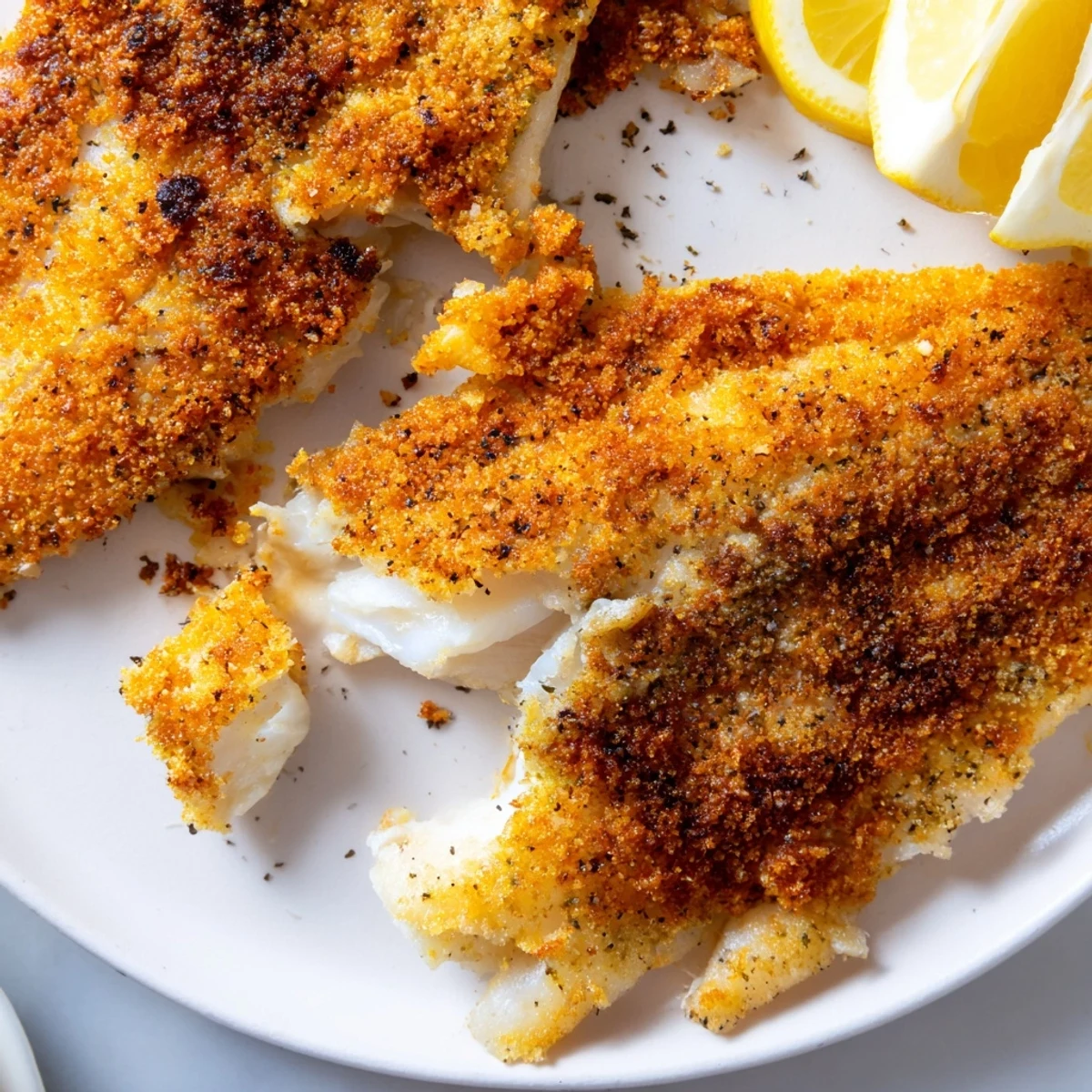
Save This pan-fried tilapia delivers tender, flaky fish with a crisp golden crust in under 20 minutes. The fillets are seasoned with a simple blend of paprika, garlic powder, onion powder, salt, and pepper, then seared in olive oil or butter until perfectly cooked.
An optional cornmeal coating adds extra crunch. At just 210 calories per serving with 32g of protein, it's a nutritious choice the whole family will enjoy. Serve with fresh lemon wedges and your favorite sides for a complete meal.
The smell of tilapia hitting a hot skillet is one of those small kitchen sounds that instantly signals dinner is close. My neighbor Carla taught me this method on a Tuesday when we had nothing planned and a bag of frozen fillets staring back at us from the freezer. Twenty minutes later we were standing in my kitchen eating off the same plate, squeezing lemon over everything and not even bothering with plates. It has been my back pocket recipe ever since.
I once made this for my brother who claimed he did not like fish, and he went back for seconds without saying a word. That silence was the highest compliment my cooking has ever received.
Ingredients
- 4 tilapia fillets (about 150g each), patted dry: Dry fillets are nonnegotiable if you want any color on the fish, so press them firmly between paper towels.
- Salt and freshly ground black pepper: Freshly cracked pepper makes a noticeable difference here since the seasoning is so simple.
- Paprika: Adds a subtle sweetness and that appealing rusty golden color on the crust.
- Garlic powder and onion powder: Together they create a savory base that penetrates the fish without needing a long marinade.
- Cornmeal or gluten-free flour (optional): A light dredge gives you a satisfying crunch but you can skip it entirely for a lighter version.
- Olive oil or unsalted butter: Butter gives a richer flavor while olive oil keeps it clean and bright, so choose based on your mood.
- 1 lemon, cut into wedges: A generous squeeze at the end brightens everything and cuts through any fishiness.
Instructions
- Mix your seasoning blend:
- In a small bowl, combine 1 tsp salt, 1/2 tsp pepper, 1/2 tsp paprika, 1/4 tsp garlic powder, and 1/4 tsp onion powder. Give it a stir and take a moment to notice how fragrant the paprika is against the garlic.
- Season the fillets:
- Sprinkle both sides of each tilapia fillet evenly with the seasoning mix, pressing gently so it adheres. Let them sit for just a minute while your pan heats up.
- Optional dredge for crunch:
- If you are using cornmeal or flour, lightly coat each fillet and shake off the excess. You want a whisper thin layer, not a batter.
- Heat your skillet:
- Warm 2 tbsp olive oil or butter in a large nonstick skillet over medium-high heat until the oil shimmers or the butter stops foaming. This is the moment where patience pays off.
- cook the fish:
- Lay the fillets in the pan without crowding, working in batches if needed. Cook 3 to 4 minutes on the first side until golden and the fish releases naturally, then flip carefully and cook another 2 to 3 minutes until opaque and flaky.
- Serve with lemon:
- Transfer to plates immediately and hand everyone a lemon wedge. The fish waits for no one, so call people to the table before you start plating.
 Save
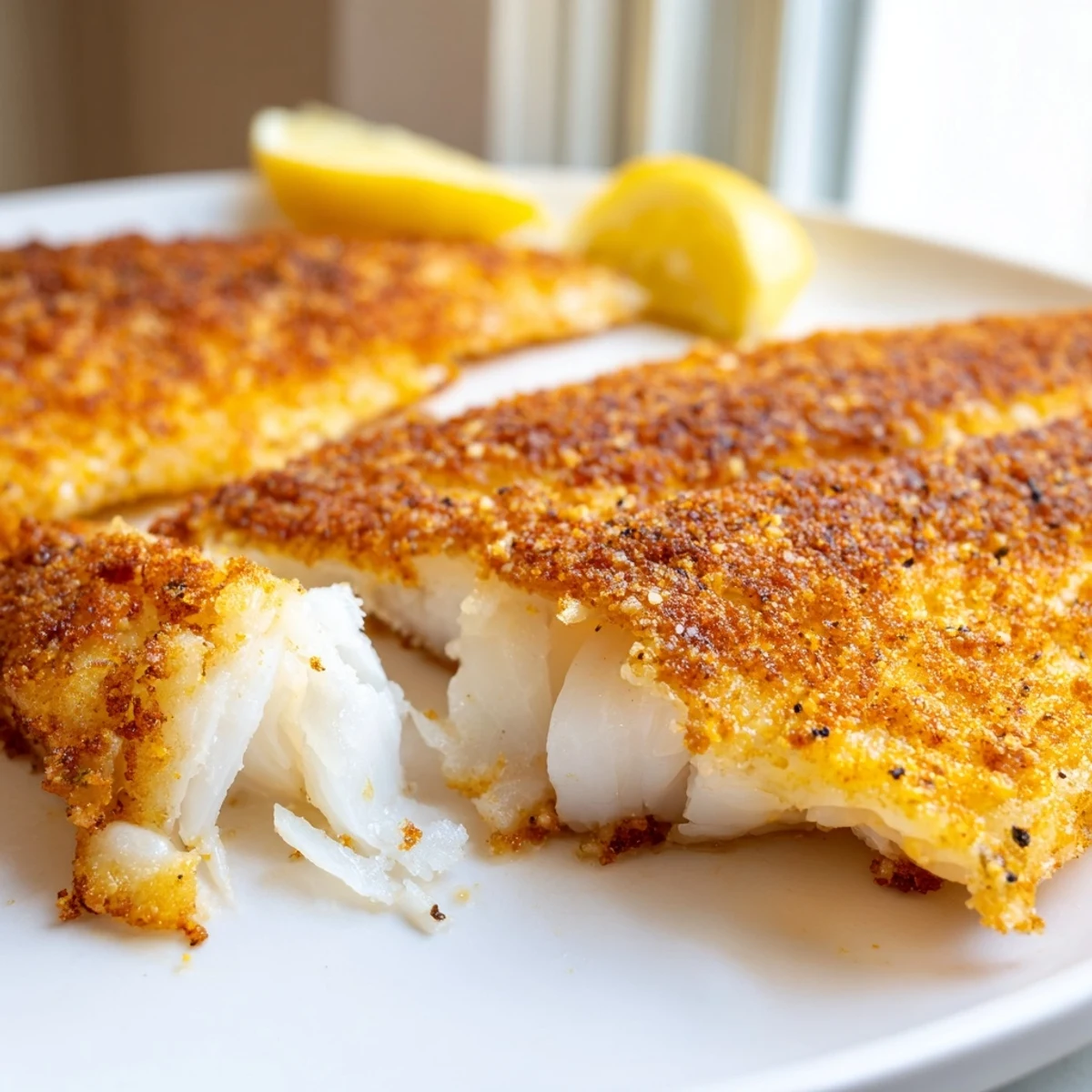
Save There was a rain-soaked Friday when I made this for friends huddled around my tiny kitchen counter, and someone said it felt like eating at a seaside shack. That is the magic of a simple piece of fish done right.
What to Serve Alongside
Steamed broccoli or a peppery arugula salad with vinaigrette balances the richness beautifully. I have also served it over white rice on nights when I needed something more filling, and the rice soaks up whatever lemon butter is left on the plate.
Swapping the Fish
This seasoning and method work just as well with cod, catfish, or sole, though cooking times may vary slightly depending on thickness. Cod tends to need an extra minute per side, while sole cooks faster and is more delicate when flipping.
Wine and Beverage Pairings
A crisp Sauvignon Blanc or a dry Riesling is my go-to pairing because the acidity mirrors the lemon and keeps everything refreshed. For a nonalcoholic option, sparkling water with a splash of lime works surprisingly well.
- For a spicy kick, add a pinch of cayenne to the seasoning blend.
- If using butter, watch the heat carefully to avoid browning it too dark.
- Always double-check ingredient labels for allergens if cooking for guests.
 Save
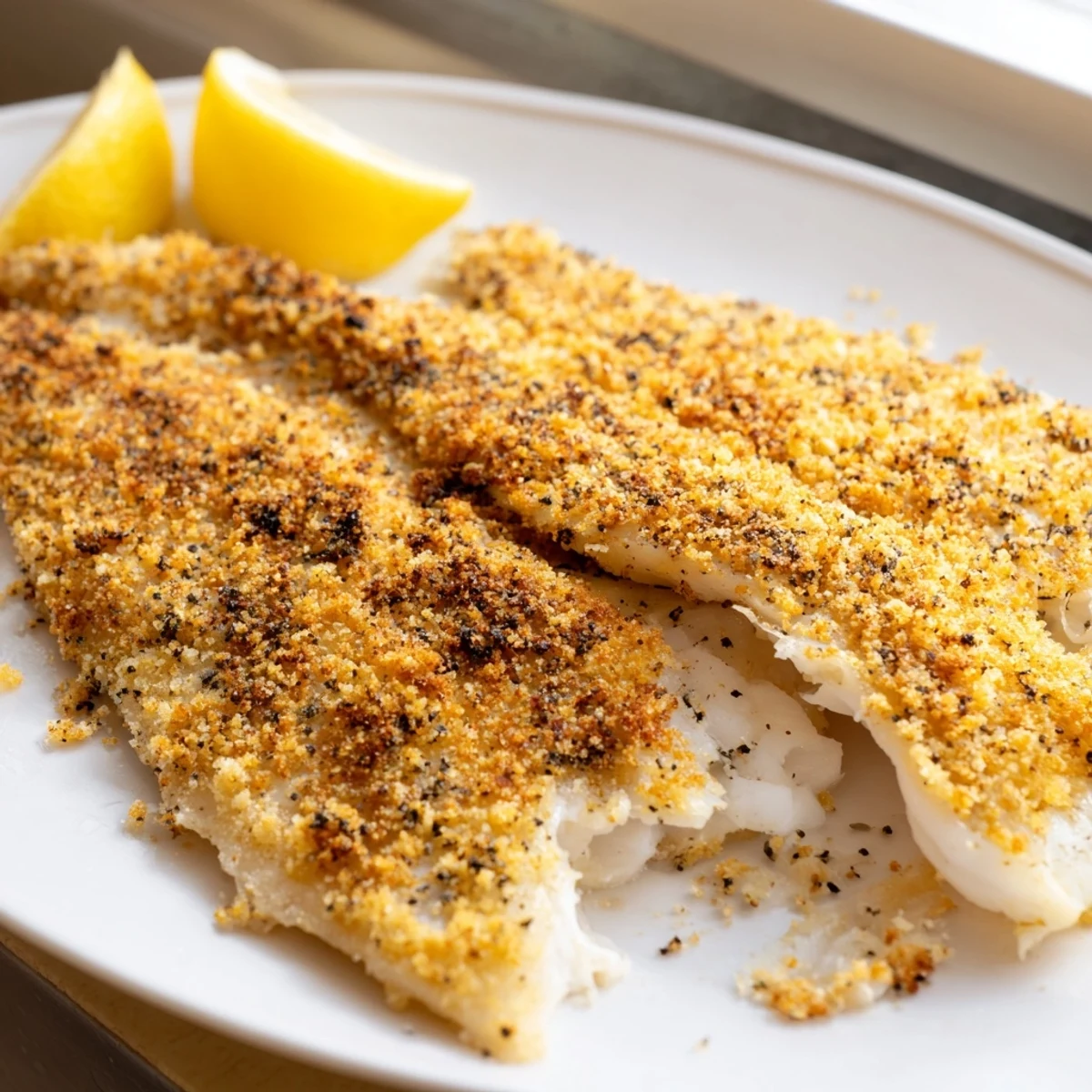
Save Keep this recipe in your rotation for nights when you want something good without thinking too hard. Sometimes the simplest dishes earn the most repeat requests.
Common Recipe Questions
- → How do I know when tilapia is fully cooked?
-
Tilapia is done when it turns completely opaque and flakes easily with a fork. The internal temperature should reach 145°F (63°C). Avoid overcooking, as the fish will become dry and rubbery.
- → Should I use oil or butter for pan-frying tilapia?
-
Both work well. Olive oil gives a slightly fruity flavor and handles higher heat better, while butter adds richness and helps create a beautiful golden crust. You can even combine the two for the best of both worlds.
- → Do I need to remove the skin from tilapia fillets?
-
Most tilapia fillets sold in stores are already skinless. If yours have skin, you can cook them skin-side down first for crispiness, or remove the skin before cooking for a more uniform texture.
- → Can I make this ahead of time?
-
Pan-fried tilapia is best served immediately while the crust is still crispy. However, you can prep the seasoning mix ahead and store it in an airtight container for up to 3 months. Leftover cooked tilapia can be refrigerated for 1-2 days.
- → What sides go well with pan-fried tilapia?
-
Steamed vegetables like broccoli or asparagus make excellent companions. A fresh green salad, roasted potatoes, or fluffy white rice also pair wonderfully. The light seasoning of the fish complements almost any side dish.
- → Why did my tilapia stick to the pan?
-
Sticking usually means the pan wasn't hot enough before adding the fish, or the fish was moved too early. Let the skillet get properly hot over medium-high heat, and wait until the fish releases naturally before flipping — usually 3-4 minutes.