
 Save
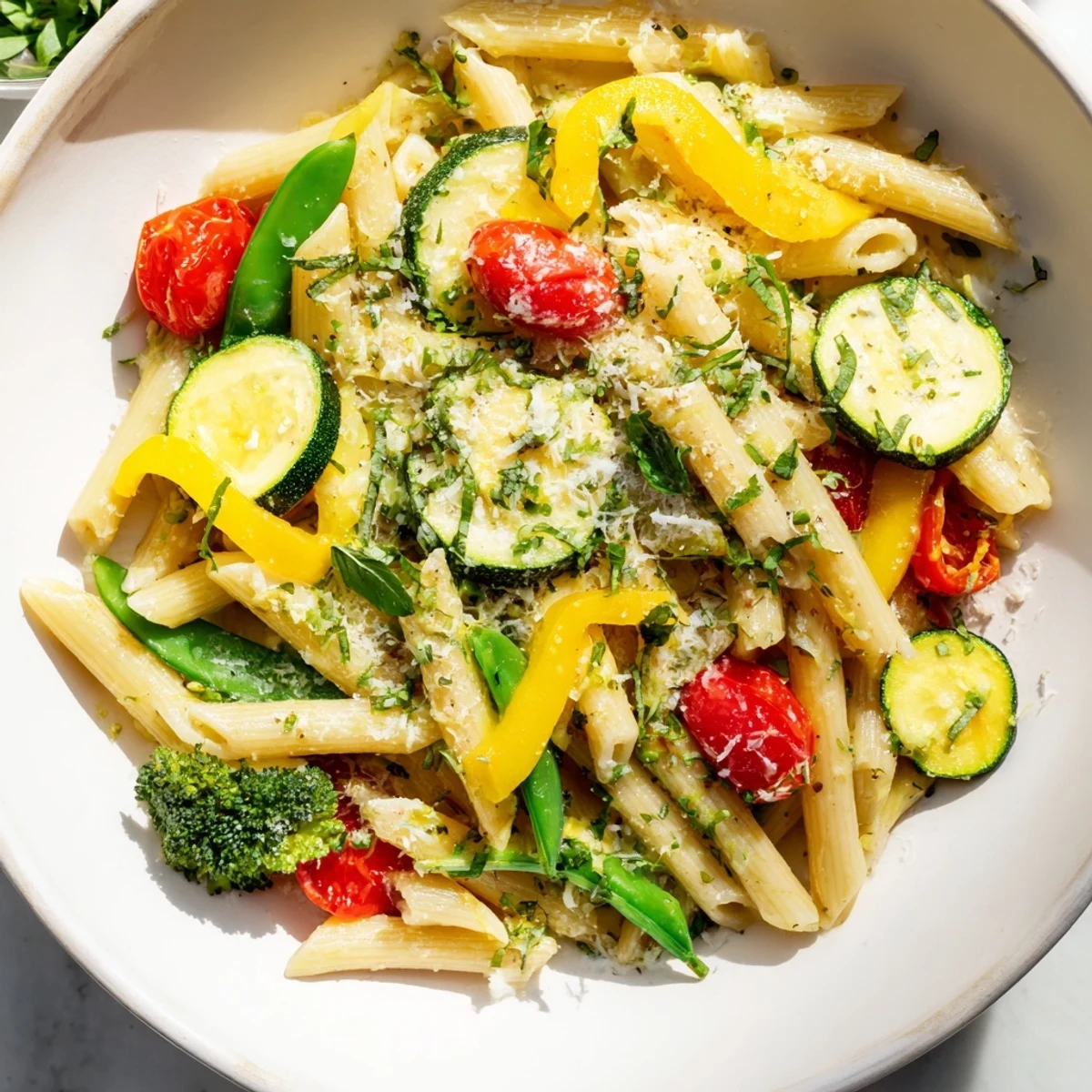
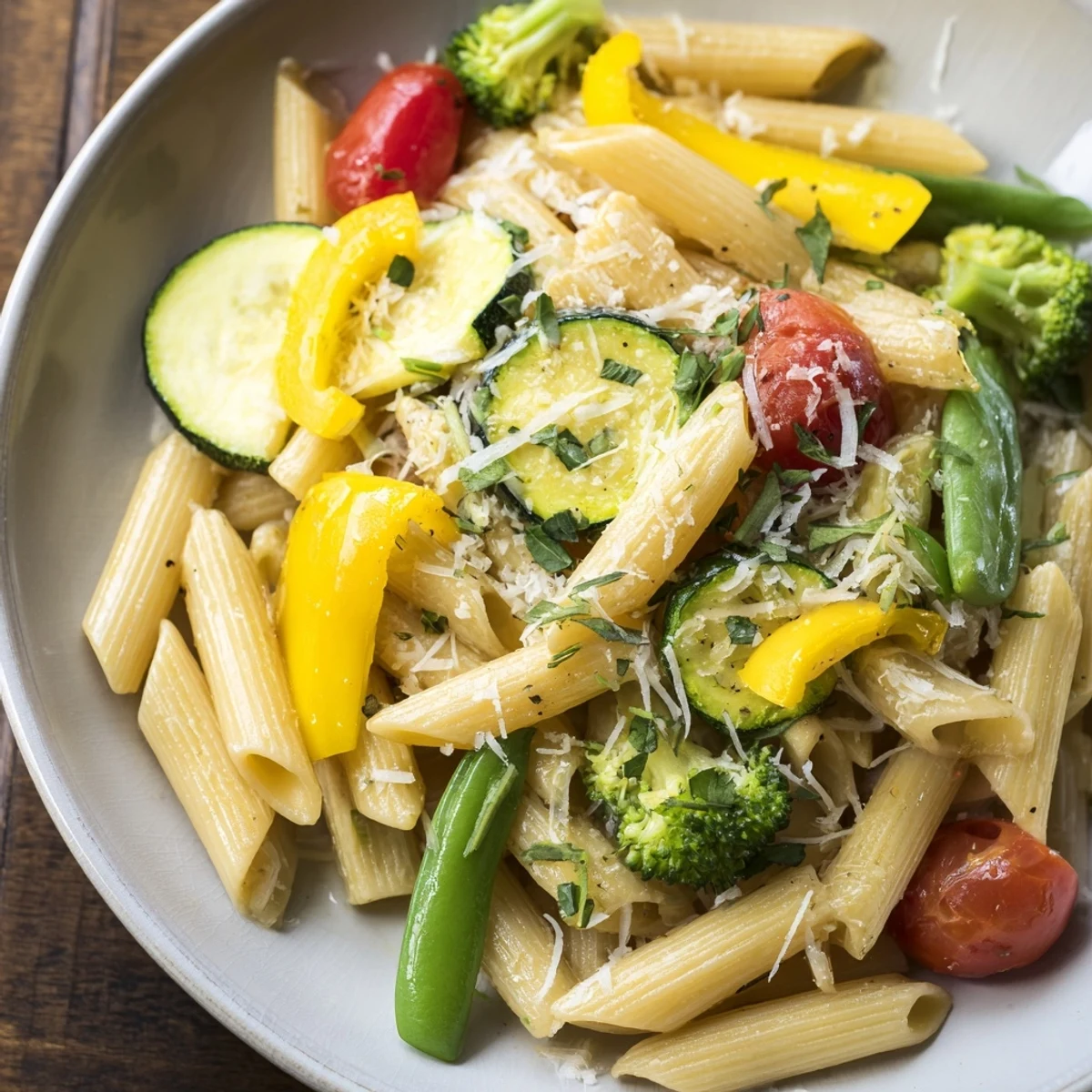
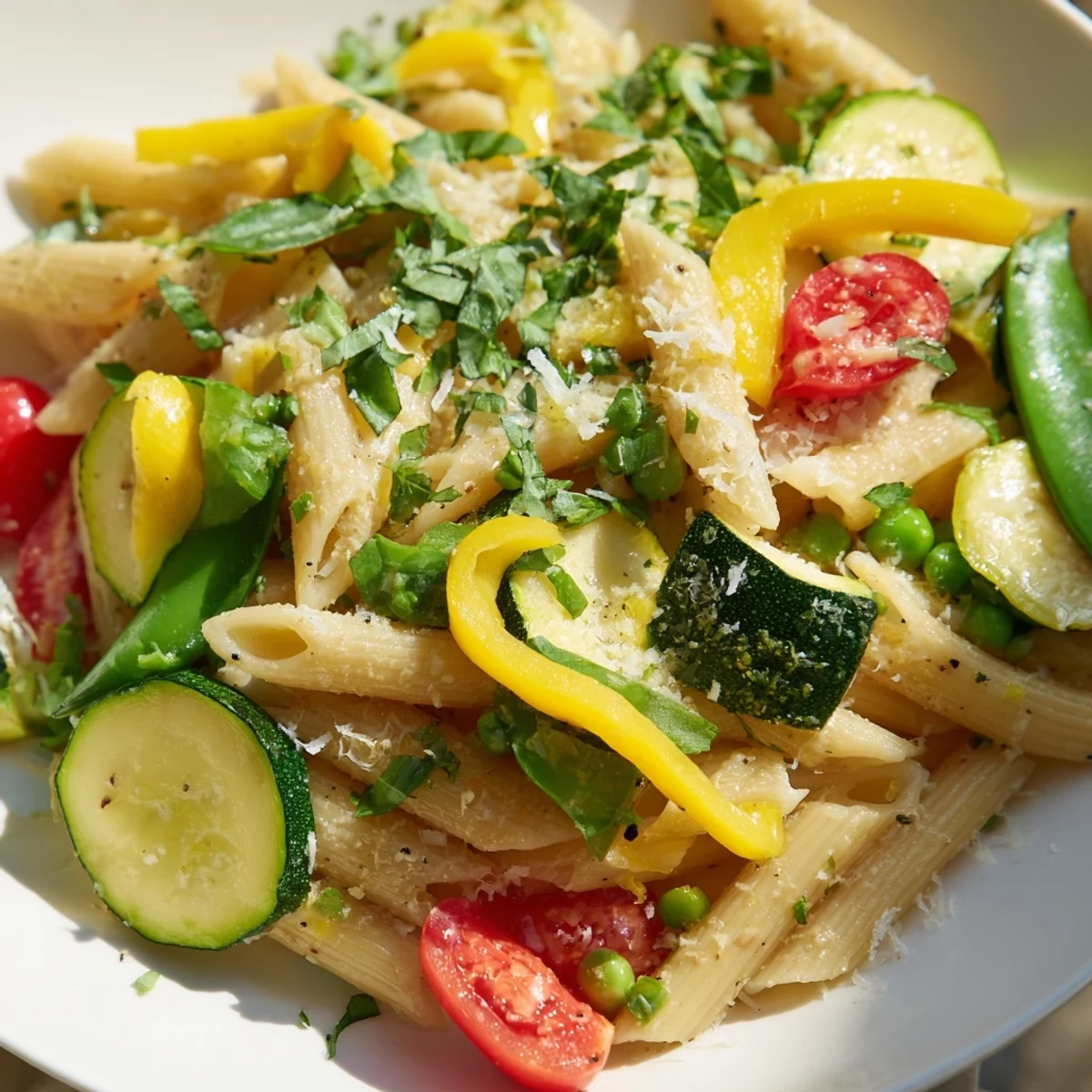
Save This classic Italian dish combines perfectly cooked pasta with an array of fresh spring vegetables including zucchini, bell peppers, cherry tomatoes, and broccoli. The vegetables are sautéed until tender-crisp, then tossed with the pasta in a light sauce made with olive oil, garlic, lemon, and vegetable broth. Fresh herbs and Parmesan complete this vibrant, wholesome meal that comes together in just 40 minutes.
The first time I made pasta primavera, I crowded every vegetable I could find into the pan, convinced more was better. The result was a chaotic mess that took an hour to cook and tasted like nothing in particular. Now I understand that primavera isnt about packing in everything, its about celebrating what actually tastes good together right now.
Last spring my neighbor dropped off a basket of vegetables from her garden and I made this on impulse. We ate it on her back porch while her kids chased fireflies, and something about that evening made this dish feel like the official start of warmer weather.
Ingredients
- 400 g penne or spaghetti: The shape matters less than cooking it properly, but penne catches those small vegetable pieces beautifully
- 1 small zucchini, sliced: Use them while theyre small, the big ones get watery and sad in the pan
- 1 small yellow squash, sliced: Adds a different sweetness that balances the zucchini without making it feel monochromatic
- 1 red bell pepper, julienned: Thin cuts cook faster and look stunning against all that green
- 1 cup cherry tomatoes, halved: They burst and create little pockets of sauce right in the pan
- 1 cup sugar snap peas, trimmed: Leave them whole if theyre small, they add this incredible crunch that lasts even after tossing
- 1 cup broccoli florets: Cut them small so they cook through without turning into mush
- 3 tablespoons extra virgin olive oil: This carries all the flavors, dont be tempted to use less
- 3 cloves garlic, minced: Let it sizzle just until fragrant, burned garlic makes everything bitter
- 1/2 teaspoon crushed red pepper flakes: Optional but that tiny heat wakes up all the vegetables
- 1/2 cup vegetable broth: Creates the silky base without weighing anything down
- Juice of 1 lemon: The secret ingredient that makes every vegetable taste like itself
- 1/4 cup grated Parmesan cheese: Use the good stuff, it melts into the sauce and adds that umami depth
- Salt and freshly ground black pepper: Season as you go, waiting until the end makes everything taste flat
- 2 tablespoons fresh basil leaves, chopped: Tear it by hand, cutting makes the edges turn dark
- 2 tablespoons fresh parsley, chopped: Adds a fresh brightness that cuts through the olive oil
Instructions
- Get your pasta water going:
- Bring a large pot of salted water to a boil and cook pasta until al dente, then drain but remember to save that pasta water
- Start your flavor base:
- Heat olive oil in a large skillet over medium heat, add garlic and red pepper flakes if using, and let it sizzle for about a minute until your kitchen smells incredible
- Cook the harder vegetables first:
- Add zucchini, squash, bell pepper and broccoli to the pan, sauting for 4 to 5 minutes until theyre just tender and starting to color
- Add the quick cookers:
- Toss in cherry tomatoes and sugar snap peas for another 2 to 3 minutes, watching how the tomatoes start to break down and create little juices
- Build the sauce:
- Pour in vegetable broth and lemon juice, let everything simmer for 2 minutes, then season with salt and pepper
- Bring it all together:
- Add the drained pasta to the skillet with Parmesan and a splash of that reserved pasta water, tossing until everything is coated and glossy
- Finish with fresh herbs:
- Stir in basil and parsley, taste and adjust seasoning, then serve immediately while the vegetables are still vibrant
 Save
Save This was the first pasta dish my daughter requested when she moved into her first apartment, calling me three times while making it because she was convinced she was doing something wrong. Sometimes the recipes that seem simplest are the ones that teach us the most about patience and paying attention.
Make It Your Own
The beauty of primavera is its flexibility. In summer I swap in whatever looks best at the market, sometimes its corn cut from the cob or fresh green beans instead of snap peas. The structure stays the same but the personality changes with the seasons.
Wine Pairing Wisdom
A crisp Pinot Grigio or Sauvignon Blanc cuts through the olive oil while complementing all those fresh vegetables. Something too heavy or oaky will fight with the lemon and make everything feel weighed down.
Serving Suggestions
This works beautifully for dinner parties because most of it comes together in the final minutes. I often set out a simple green salad and some crusty bread, letting people help themselves to extra cheese at the table.
- Have extra Parmesan on hand, everyone always wants more
- A salad with vinaigrette balances the richness nicely
- Crusty bread is perfect for sopping up any sauce left in the bowl
 Save
Save What started as an attempt to use up garden vegetables has become one of those recipes I return to whenever I want something that feels light but still satisfying. Good food doesnt need to be complicated.
Common Recipe Questions
- → What vegetables work best in pasta primavera?
-
Spring vegetables like zucchini, yellow squash, bell peppers, cherry tomatoes, sugar snap peas, and broccoli florets work beautifully. The key is using vegetables that cook quickly and maintain their vibrant color and crunch.
- → How do I prevent the vegetables from becoming mushy?
-
Sauté vegetables in stages based on cooking time. Start with harder vegetables like broccoli and bell pepper, then add quicker-cooking vegetables like tomatoes and snap peas near the end. Keep the heat at medium and avoid overcrowding the pan.
- → Can I make this dish gluten-free?
-
Absolutely. Substitute regular pasta with your favorite gluten-free pasta. Brown rice or quinoa-based pasta works particularly well with this dish and maintains good texture when cooked al dente.
- → What can I add for extra protein?
-
Grilled chicken, sautéed shrimp, or chickpeas make excellent protein additions. For vegetarian options, add white beans or tofu cubes. Add these during the final few minutes of cooking so they heat through without drying out.
- → How should I store and reheat leftovers?
-
Store in an airtight container in the refrigerator for up to 3 days. Reheat gently in a skillet with a splash of water or olive oil, adding more fresh herbs and a squeeze of lemon to brighten the flavors before serving.
- → What wine pairs well with pasta primavera?
-
A crisp Pinot Grigio or Sauvignon Blanc complements the fresh vegetables and light sauce beautifully. The acidity and bright fruit notes of these wines enhance the lemon and herb flavors without overpowering the dish.