
 Save
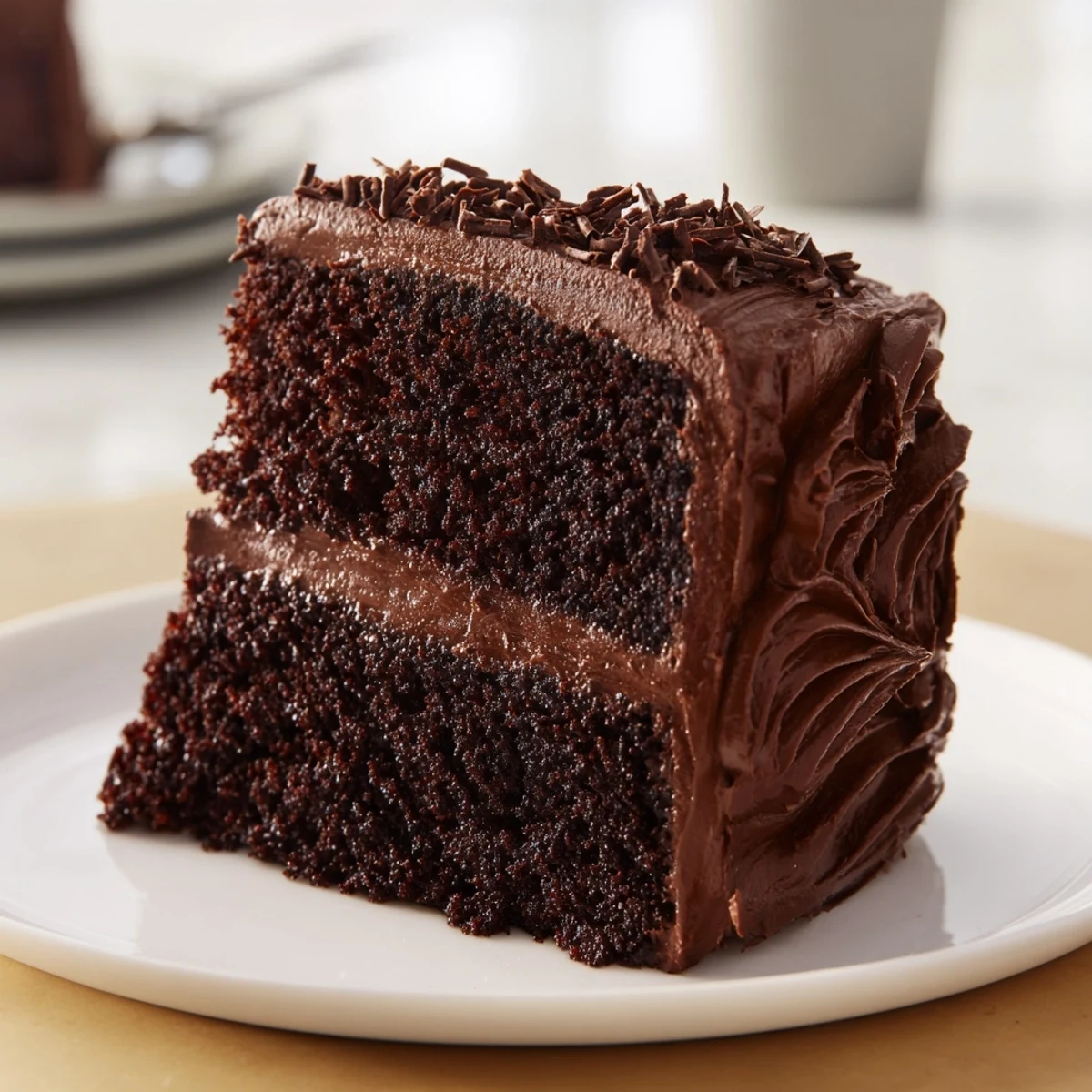
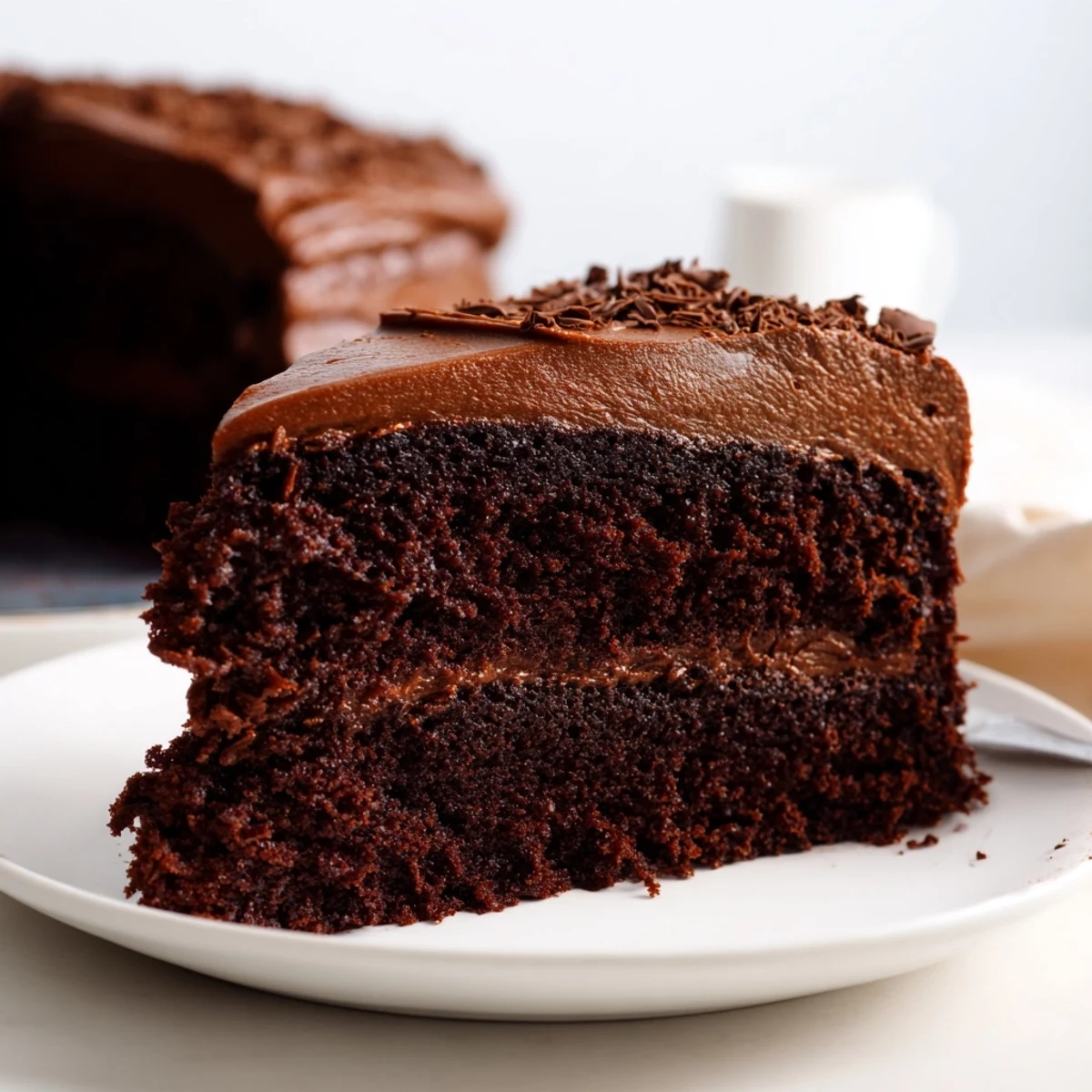
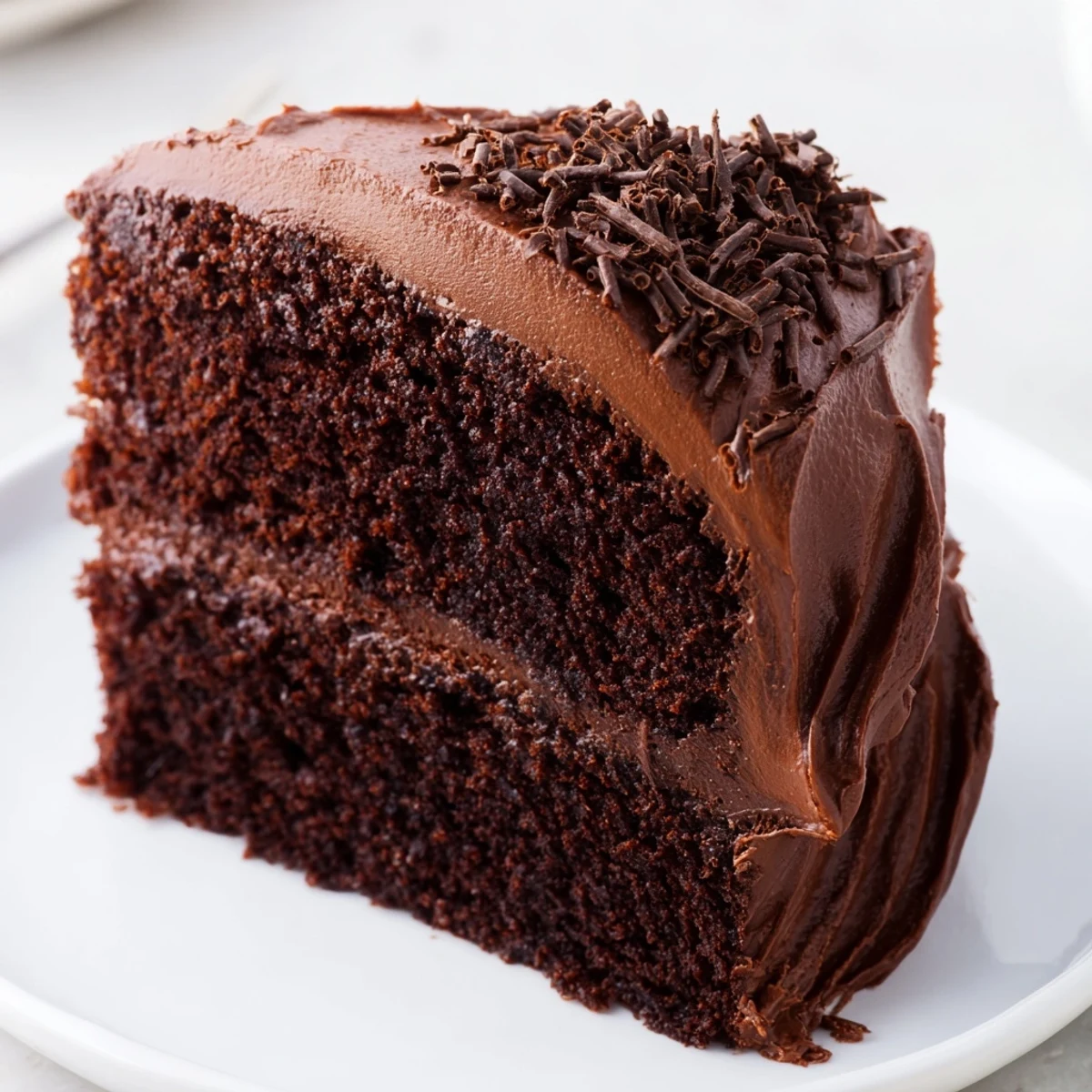
Save This rich, moist chocolate cake combines cocoa, flour, sugar, eggs, milk and oil into a thin batter finished with boiling water for glossy texture. Bake at 350°F for 30–35 minutes in two 9-inch pans, cool, then sandwich and frost with a creamy cocoa butter frosting. Swap hot coffee for water to deepen the chocolate, or use plant milk to make it dairy-free. Yields 8 servings; total time about 55 minutes.
The rain was hammering against the kitchen window the afternoon I threw together my first chocolate cake from scratch, convinced it would be a disaster because I had no cake flour and only one round pan. That lopsided, slightly sunken miracle taught me something important: chocolate cake forgives almost everything if you use good cocoa and dont overbake it. Now it is the one dessert people actually request when they come to my house. This version is the one I have settled on after years of tweaking, and it produces a deeply chocolatey, incredibly moist crumb every single time.
My neighbor Judith once knocked on my door holding a fork and a napkin the moment she smelled this cake through our shared wall, and we stood in the hallway eating still-warm slices while her dog circled our ankles hoping for crumbs.
Ingredients
- All-purpose flour (220 g): Regular flour works perfectly here since the cocoa powder lightens the crumb, so there is no need to spring for cake flour.
- Unsweetened cocoa powder (75 g for cake, 45 g for frosting): Use a quality Dutch-processed brand if you can find it, because the alkalized cocoa gives a smoother, deeper chocolate flavor.
- Granulated sugar (400 g): It sounds like a lot, but cocoa is bitter and the sugar balances it without making the cake cloying.
- Baking powder and baking soda (1 1/2 tsp each): The combo of both leavening agents gives the cake a good rise without collapsing in the center.
- Salt (1/2 tsp): Never skip the salt, because it makes the chocolate taste like chocolate instead of just sweet brown.
- Eggs (2 large, room temperature): Cold eggs can cause the batter to seize, so set them out while you gather everything else.
- Whole milk (240 ml): The fat in whole milk adds tenderness, though any milk you have on hand will work in a pinch.
- Vegetable oil (120 ml): Oil keeps the cake moister for longer than butter ever could, which is why this cake stays soft even on day three.
- Vanilla extract (2 tsp for cake, 1 tsp for frosting): Vanilla rounds out the chocolate and makes the whole thing taste more complex.
- Boiling water (240 ml): This is the secret weapon that thins the batter and blooms the cocoa into something fragrant and rich.
- Unsalted butter (115 g, softened): For the frosting, butter should be truly soft, so leave it out for at least an hour before you plan to frost.
- Powdered sugar (220 g): Sift it to avoid grainy frosting that no amount of beating can fix.
Instructions
- Preheat and prepare the pans:
- Set your oven to 350 degrees F (175 degrees C), grease two 9-inch round cake pans, and dust them lightly with flour or cocoa powder so the cakes release cleanly.
- Sift the dry ingredients together:
- In a large bowl, sift the flour, cocoa powder, sugar, baking powder, baking soda, and salt until evenly combined and free of lumps.
- Add the wet ingredients:
- Pour in the eggs, milk, oil, and vanilla, then beat on medium speed for about 2 minutes until the batter looks glossy and smooth.
- Stir in the boiling water:
- Slowly pour in the boiling water while mixing on low, and do not panic when the batter becomes very thin because that is exactly what makes the cake so moist.
- Divide and bake:
- Pour the batter evenly between your two prepared pans and bake for 30 to 35 minutes, checking with a toothpick at the 30-minute mark so you pull them out the moment it comes out clean.
- Cool the cakes properly:
- Let the cakes rest in their pans for 10 minutes, then turn them out onto wire racks and wait until they are completely cool before even thinking about frosting.
- Make the frosting:
- Beat the softened butter until creamy, then sift in the powdered sugar and cocoa powder before adding the milk and vanilla, and beat everything until it is light and fluffy.
- Assemble the cake:
- Place one layer on your serving plate, spread a generous amount of frosting over the top, stack the second layer, and cover the whole thing with the remaining frosting using gentle sweeping motions.
 Save
Save The morning after my daughters birthday party I found her sitting cross-legged on the kitchen floor with the leftover cake box open, eating cold slices with her hands before anyone else was awake, and that image is permanently glued to my memory of this recipe.
Foolproof Frosting Every Time
Frosting was my nemesis for years because I kept trying to spread it onto cakes that were even slightly warm, which turned the whole thing into a melting mess. Once I started refrigerating the cake layers for twenty minutes before frosting, everything changed and suddenly I could get a smooth, clean finish without the cake tearing or the frosting sliding off. Patience is genuinely the most important ingredient in the frosting step.
Making It Your Own
This cake is a blank canvas that welcomes almost any addition you can dream up. Fresh raspberries pressed into the frosting between the layers add a tartness that cuts through the richness beautifully. Chocolate shavings, toasted coconut, or a sprinkle of flaky sea salt on top each give the cake a completely different personality without changing the base recipe at all.
Storage and Make-Ahead Tips
The baked cake layers freeze beautifully for up to three months if you wrap them tightly in plastic, which means you can bake on a Tuesday and frost on a Saturday without breaking a sweat. Once frosted, the cake keeps well at room temperature under a dome for about three days.
- Let frozen layers thaw on the counter for an hour before assembling so they are easy to handle.
- Cover any cut edges with a piece of plastic wrap pressed gently against the exposed cake to keep it from drying out.
- Always bring the cake back to room temperature before serving because cold mutes the chocolate flavor dramatically.
 Save
Save Every time I make this cake the kitchen smells like the inside of a chocolate shop for hours afterward, and honestly that alone is worth turning on the oven.
Common Recipe Questions
- → Can I use coffee instead of boiling water?
-
Yes—hot brewed coffee enhances and deepens the chocolate flavor. Replace the boiling water with an equal amount of strong hot coffee for a richer cocoa profile without changing bake times.
- → How do I know when the cake is done?
-
Insert a toothpick into the center; it should come out clean or with a few moist crumbs. The edges will begin to pull away from the pan and the top will spring back lightly when pressed.
- → How can I make this dairy-free?
-
Swap whole milk for plant-based milk (soy, oat, or almond) and use a dairy-free margarine or plant-based spread in the frosting. Ensure powdered sugar and other ingredients are labeled dairy-free if needed.
- → Any tips for a glossy, smooth frosting?
-
Beat the butter until creamy before adding powdered sugar in batches. Sift cocoa and sugar to avoid lumps, add milk gradually, and beat until light and fluffy. Chill briefly if the frosting becomes too soft while spreading.
- → Can I bake this in one pan instead of two?
-
You can use a larger or deeper pan, but adjust bake time: a single 9x13 pan will take longer and should be checked after 30 minutes. Expect additional 10–20 minutes depending on pan depth—use the toothpick test.
- → How should I store or freeze slices?
-
Store cooled, frosted cake covered at room temperature for up to 2 days or refrigerate for up to 4 days. For freezing, wrap layers or slices tightly in plastic, then foil; freeze up to 2 months and thaw in the fridge overnight.