
 Save
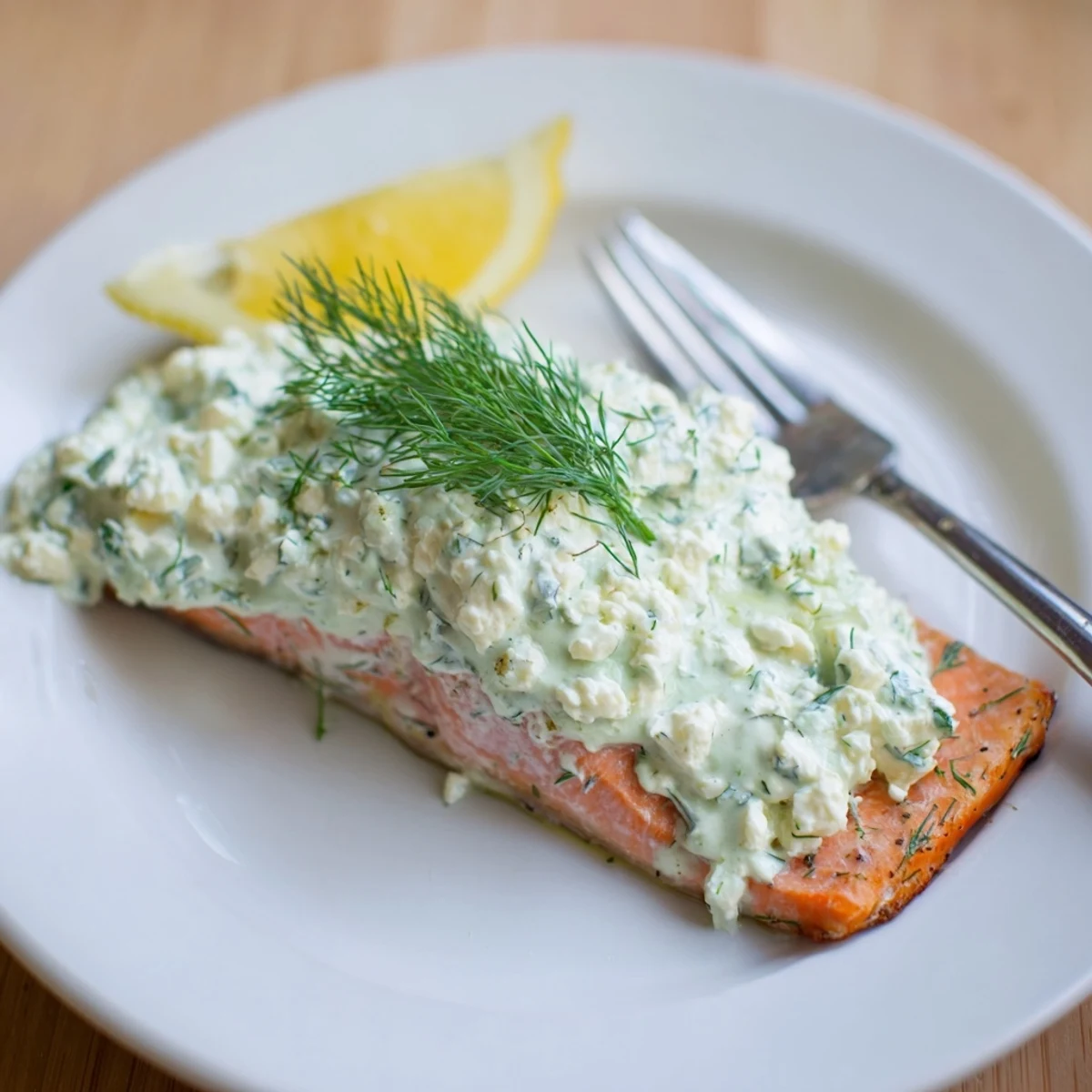
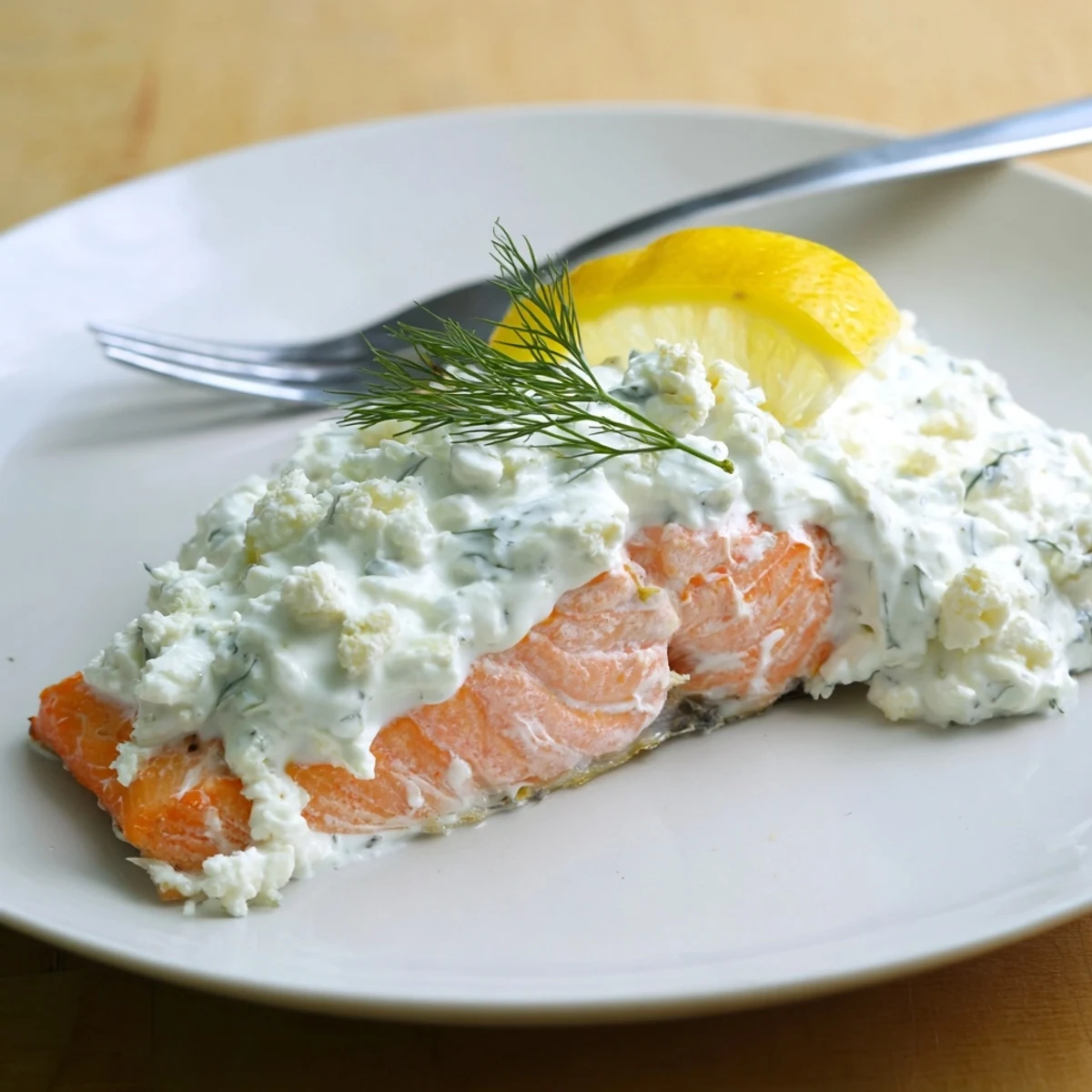
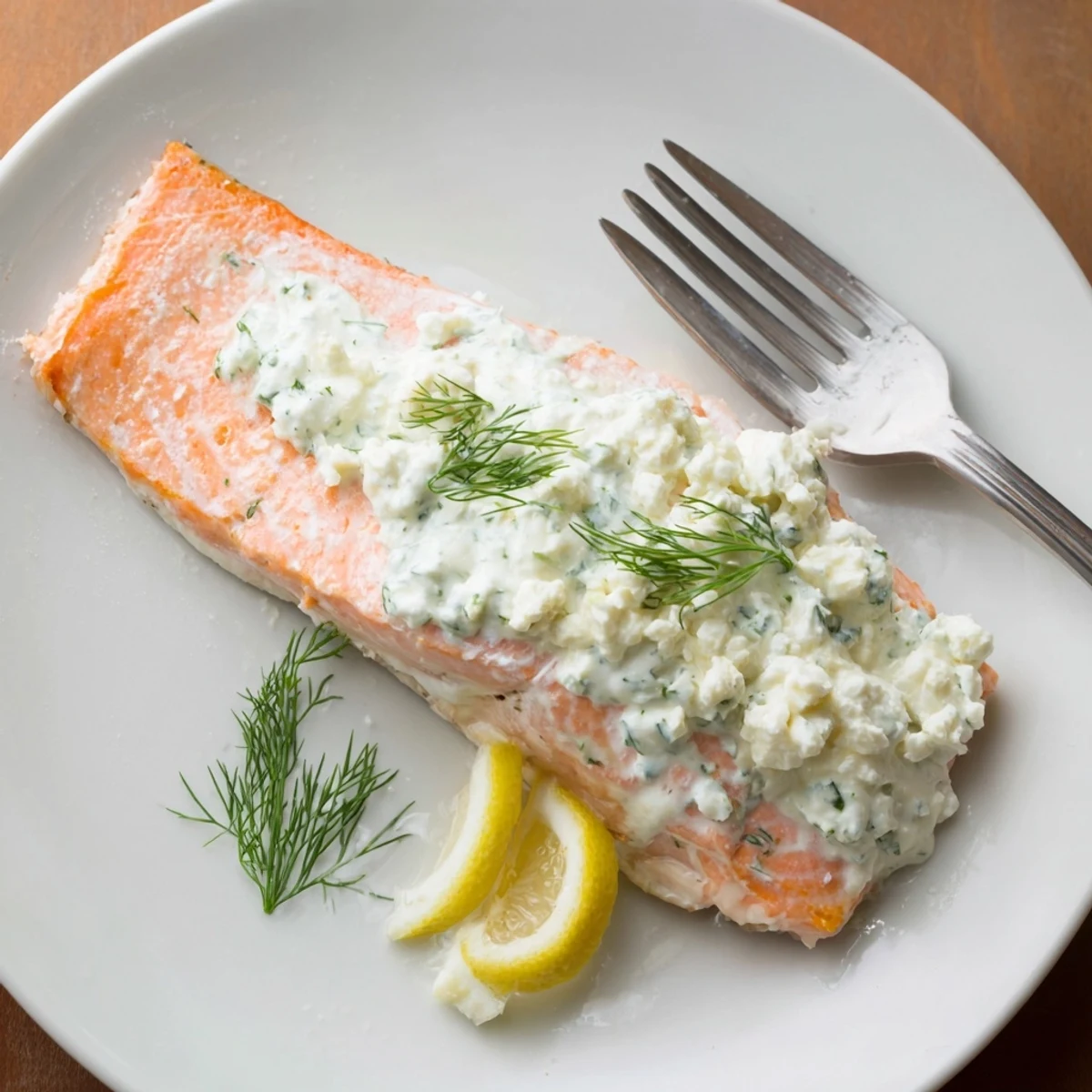
Save Oven-baked salmon fillets are finished with a creamy feta and dill sauce made from crumbled feta, Greek yogurt, lemon, garlic and olive oil. Prep takes about 10 minutes and baking 12–15 minutes for tender, flaky fish. Spoon the sauce over warm fillets, garnish with lemon and fresh dill, and serve with roasted vegetables or a light salad for a gluten-free, low-carb Mediterranean meal.
The summer my neighbor brought over a massive salmon fillet fresh from the fish market down by the docks, I had no plan and almost no time before guests arrived. I rummaged through the fridge and found half a block of feta, some yogurt, and a wilting bunch of dill that desperately needed a purpose. Twenty five minutes later, six people were quiet around the table, forks hovering midair, eyes closed. That sauce on that fish became the thing everyone asked for at every gathering after.
I once made this on a rainy Tuesday when the power kept flickering and I was convinced the oven would shut off halfway through. The salmon survived, the sauce was brighter than the weather outside, and my roommate ate two portions standing at the counter before I could even set the table.
Ingredients
- 4 salmon fillets, about 6 oz each: Skin on holds together beautifully during baking, and the skin acts as a natural buffer against the hot pan.
- Olive oil: A thin drizzle over the fillets before baking keeps the surface from drying out and adds a subtle richness.
- Salt and freshly ground black pepper: Season generously, salmon can handle it and needs it.
- Crumbled feta cheese, 3/4 cup: The salty, tangy backbone of the sauce, and you want real feta packed in brine if you can find it.
- Plain Greek yogurt, 1/2 cup: Adds creaminess without heaviness and balances the sharpness of the feta perfectly.
- Fresh dill, 2 tablespoons chopped: This is the herb that makes the whole dish sing, so use fresh if there is any way to get it.
- Lemon juice, 1 tablespoon: Just enough brightness to wake everything up without turning the sauce sour.
- Garlic, 1 small clove minced: One clove is plenty here, you want a whisper of garlic not a shout.
- Extra virgin olive oil, 2 tablespoons for the sauce: Stirred in at the end for a silky, luxurious texture.
Instructions
- Get the oven ready:
- Preheat to 400°F and line a baking sheet with parchment paper so cleanup is effortless and the salmon lifts off without sticking.
- Prep the salmon:
- Pat the fillets thoroughly dry with paper towels, then place them skin side down on the sheet. Drizzle with olive oil and season with salt and pepper, letting your hands get in there to coat every edge.
- Bake until just right:
- Slide them into the oven for 12 to 15 minutes, watching for the moment the flesh turns opaque and flakes gently when you press the center with a fork.
- Whisk the sauce together:
- In a bowl, combine the feta, yogurt, dill, lemon juice, garlic, and olive oil, mashing and stirring until it is creamy but still has some lovely crumbles of texture. Taste it and adjust the salt and pepper until it makes you smile.
- Rest and assemble:
- Let the salmon rest for a minute or two out of the oven so the juices settle, then spoon the sauce generously over each fillet and finish with lemon wedges and dill sprigs if you have them.
 Save
Save A friend once told me this dish reminded her of a tiny restaurant she visited on a Greek island years ago, and that might be the best compliment a home cooked meal has ever received.
What to Serve Alongside
Roasted vegetables with a little char on their edges are a natural partner, especially asparagus or zucchini tossed in olive oil and thrown into the oven alongside the salmon. New potatoes smashed lightly with butter and herbs also belong on this plate, soaking up whatever sauce escapes from the fish. A simple green salad with a vinaigrette cuts through the richness and keeps the whole meal feeling Mediterranean in spirit.
The Wine Situation
A crisp Sauvignon Blanc is the obvious and excellent call here, all citrus and grass that echo the lemon and dill in the sauce. A dry Riesling works too if you want something with a touch more fruit and a little less austerity. Whatever you pour, serve it cold and do not overthink it because this meal is about ease and pleasure, not perfection.
Making It Your Own
Once you have the basic method down, this recipe bends beautifully to whatever you have on hand or whatever mood strikes.
- Sour cream stands in for Greek yogurt if that is what is in the fridge, and the sauce gets a slightly richer, rounder personality.
- Extra lemon juice transforms the sauce into something punchier and more assertive, which some people actually prefer.
- Always check packaging labels if you are cooking for someone with fish or dairy allergies, cross contamination risks are real and worth taking seriously.
 Save
Save Some recipes earn a permanent spot in your rotation not because they are impressive but because they make an ordinary evening feel like a small celebration. Keep feta and dill in your fridge and this one will never let you down.
Common Recipe Questions
- → How do I avoid overcooking the salmon?
-
Bake at 400°F (200°C) and check at 12 minutes; fish is done when opaque and flakes easily. Resting 1–2 minutes off heat finishes carryover cooking without drying the fillets.
- → Can I make the feta-dill sauce ahead?
-
Yes. Mix the feta, Greek yogurt, dill, lemon, garlic and olive oil up to a day ahead. Keep chilled and bring to cool room temperature before spooning over warm fish to retain creaminess.
- → What can I substitute for Greek yogurt or feta?
-
For a milder tang use sour cream or crème fraîche in place of Greek yogurt. If avoiding feta, try a soft goat cheese for similar texture and acidity, or omit for a lighter sauce.
- → Is stovetop cooking an option?
-
Yes. Sear fillets skin-side down in a hot skillet with olive oil until the skin is crisp, then finish in a 375°F oven for 6–8 minutes, or continue on the stovetop over medium heat until cooked through.
- → How should leftovers be stored and reheated?
-
Store cooled salmon and sauce separately in airtight containers for up to 2 days. Reheat gently in a low oven (300°F) or briefly in a skillet; add sauce cold or warm slightly to preserve texture.
- → What sides and wine pair well with this dish?
-
Serve with roasted vegetables, new potatoes or a crisp green salad. A chilled Sauvignon Blanc or dry Riesling complements the lemony, tangy flavors.