
 Save
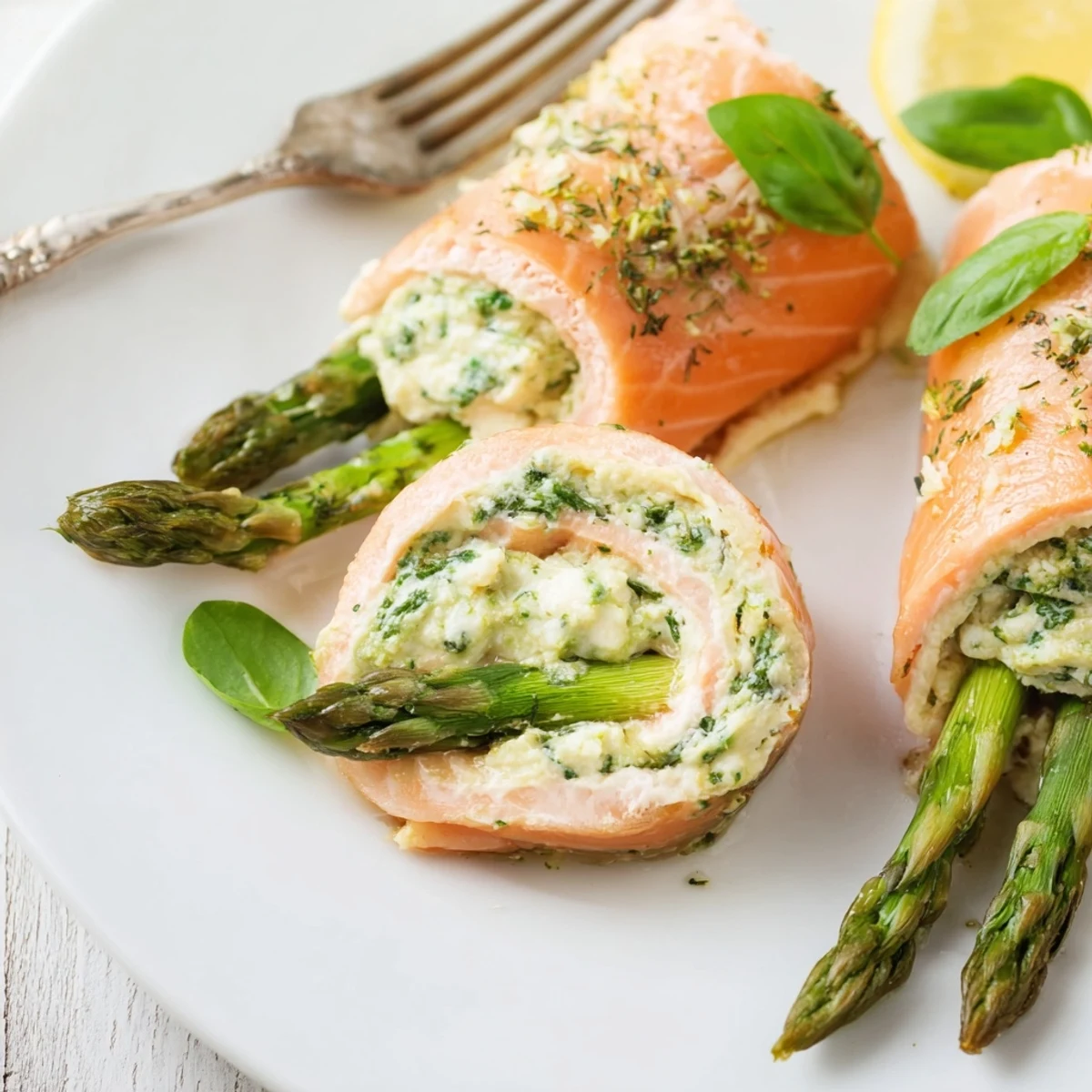
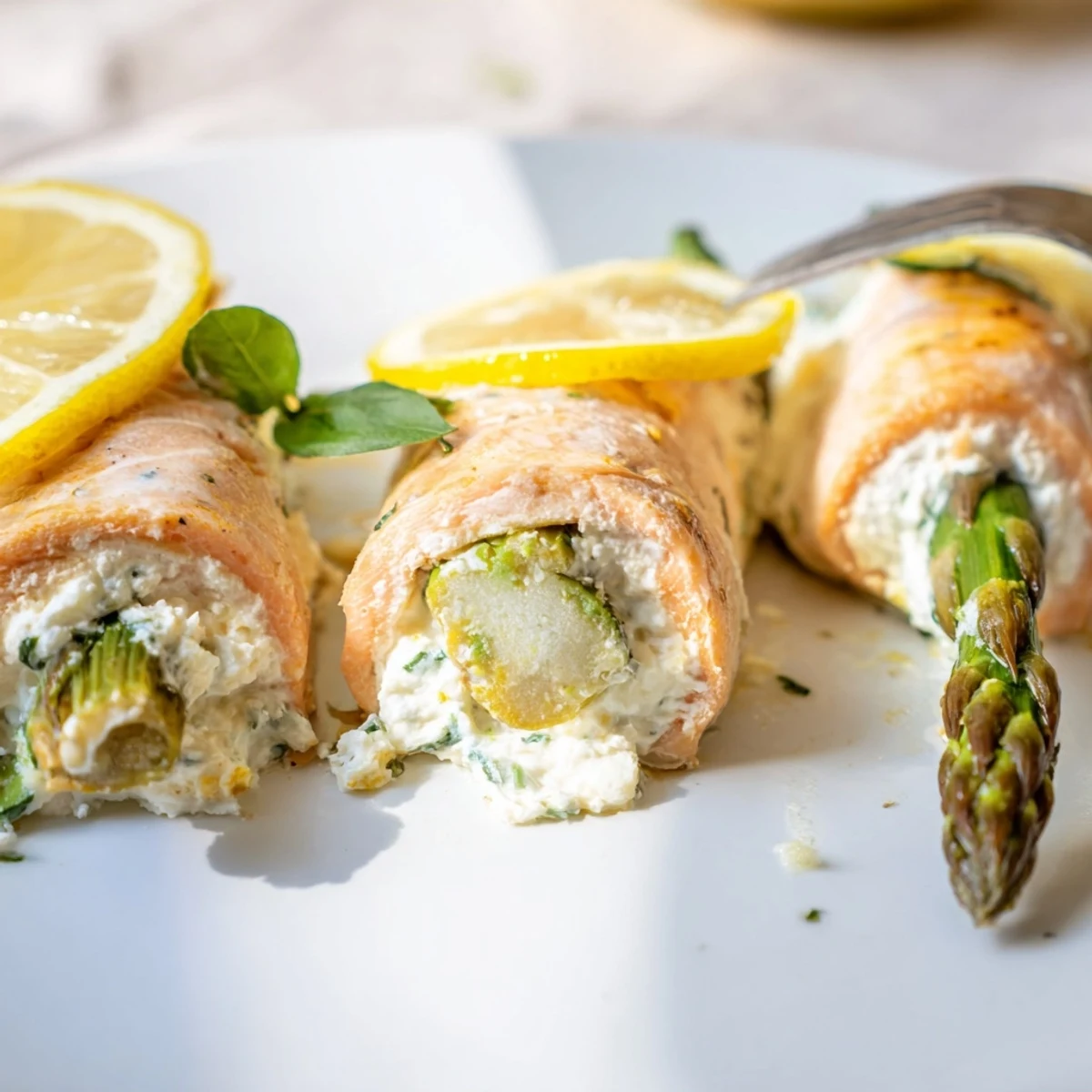
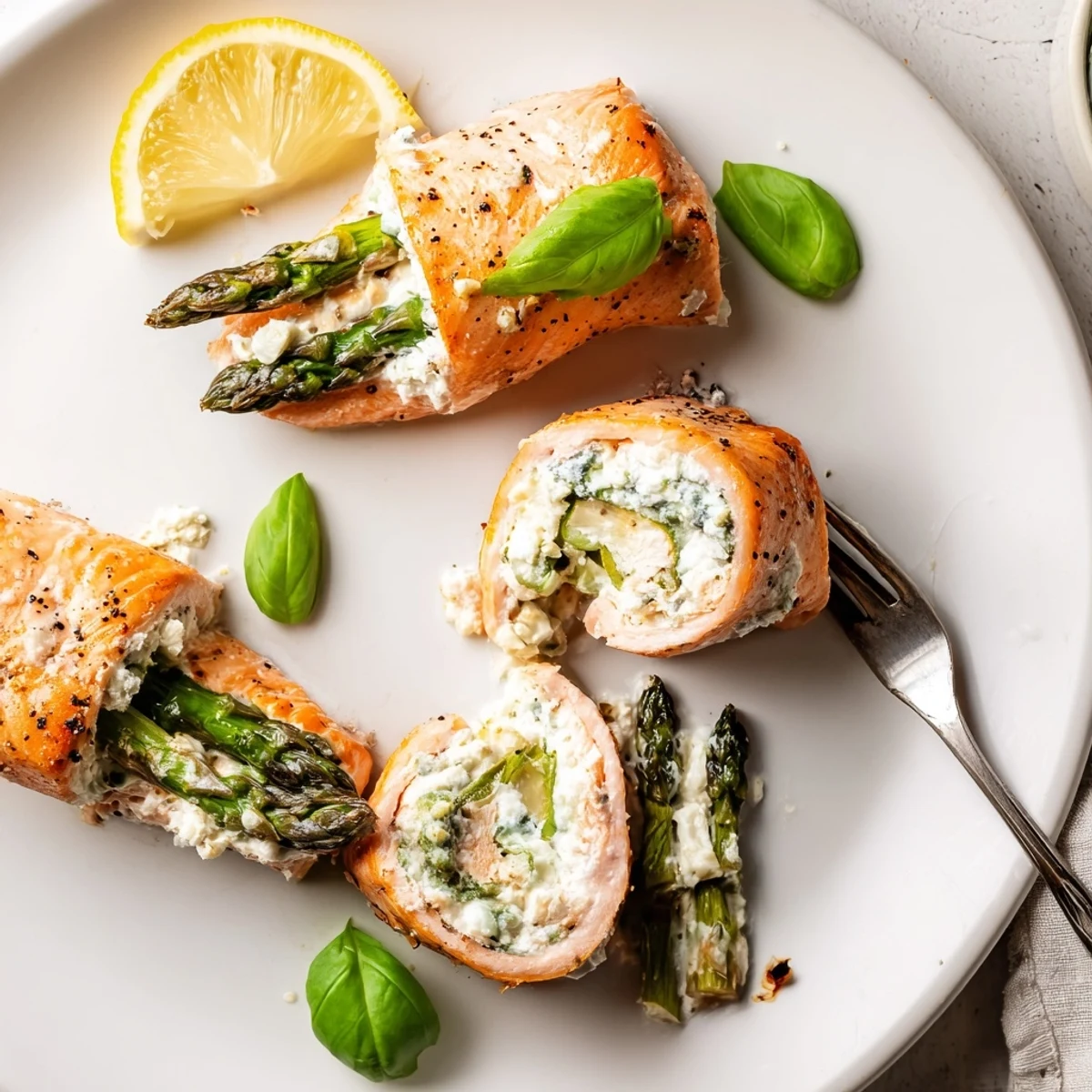
Save Salmon fillets are layered with a creamy ricotta mix brightened with lemon zest, juice and chopped basil, then topped with blanched asparagus and rolled tightly. After brushing with olive oil, bake at 200°C (400°F) for 18–20 minutes until the fish flakes easily. Prep is quick (about 25 minutes) and yields an elegant, citrus-forward main that pairs well with light sides and white wine.
The farmers market had just started carrying spring asparagus the morning I got it into my head that salmon needed to be rolled around something bright and creamy. I had ricotta sitting in the fridge from a failed lasagna attempt two nights before, and a lemon that had been rolling around the produce drawer for a week. Something about the combination of those three things, sharp citrus, fresh herbs, and rich cheese, felt like the kind of dinner that could rescue a rough week.
My neighbor Dave wandered over while I was wrestling with the first fillet and declared it would never hold together, which of course made me determined to prove him wrong.
Ingredients
- 4 skinless salmon fillets, about 180 g each: Skinless is essential here because the skin fights against a clean roll and you want the filling to contact the fish directly.
- 200 g ricotta cheese: Whole milk ricotta gives the richest texture but any variety works as long as you drain excess liquid first.
- 1 lemon for zest and 2 tbsp juice: The zest carries fragrance while the juice adds sharpness that cuts through the richness of both salmon and cheese.
- 2 tbsp fresh basil, finely chopped: Tear a leaf and smell it before you commit, weak basil will leave the filling tasting flat.
- 1 small garlic clove, minced: One clove is enough here because raw garlic in the filling can quickly overpower the delicate lemon and basil balance.
- 1 tbsp grated Parmesan cheese: Just a small amount adds a savory depth that pulls all the other flavors together.
- Salt and pepper: Season the filling generously because the salmon itself needs less salt than you might expect.
- 16 thin asparagus spears, ends trimmed: Thin spears are critical since thick ones will snap when you try to roll the fish around them.
- 1 tbsp olive oil: A light brush on the outside helps the salmon develop a beautiful golden top in the oven.
- Fresh basil leaves and lemon wedges for garnish: A bright finishing touch that makes the plate look intentional and complete.
Instructions
- Prepare your oven and baking sheet:
- Preheat to 200 degrees Celsius which is 400 Fahrenheit and line a baking sheet with parchment paper so the salmon releases cleanly after baking.
- Build the lemon basil ricotta filling:
- In a mixing bowl combine the ricotta, lemon zest, lemon juice, chopped basil, garlic, Parmesan, and a generous pinch each of salt and pepper. Stir until everything is evenly distributed and taste a small spoonful to check the balance.
- Blanch the asparagus quickly:
- Drop the trimmed spears into boiling water for exactly two minutes then scoop them straight into a bowl of ice water to stop the cooking and keep them bright green and slightly crisp.
- Layer the filling and asparagus on each fillet:
- Lay each salmon fillet flat with what was the skin side facing down, then spread a quarter of the ricotta mixture along one long edge and lay four drained asparagus spears lengthwise on top of the cheese.
- Roll and secure the salmon:
- Starting from the filled edge roll each fillet tightly around the asparagus and ricotta, tucking the filling in with your fingers as you go, and secure with kitchen twine or a toothpick if the roll feels loose.
- Brush and season the outside:
- Place each roll seam side down on the parchment, brush the tops lightly with olive oil, and give a small additional sprinkle of salt and pepper over the surface.
- Bake until just cooked through:
- Slide the tray into the oven for 18 to 20 minutes, checking at the 18 minute mark by gently pressing the thickest part of a roll, which should feel firm but still have a slight give.
- Finish and serve immediately:
- Remove any toothpicks or twine, scatter fresh basil over the top, and serve with lemon wedges on the side so everyone can add a final squeeze of brightness to their plate.
 Save
Save Dave ended up staying for dinner that night and brought over a bottle of Sauvignon Blanc that paired so well we finished the whole thing standing in the kitchen before the table was even set.
What to Serve Alongside
A simple arugula salad dressed with nothing more than olive oil and lemon works better than anything complicated because the salmon rolls already carry so much richness.
Handling the Rolling Process
The first roll always feels awkward and that is perfectly normal since cold salmon straight from the fridge is stiffer and easier to handle than fillets that have warmed up on the counter.
Making It Your Own
Once you master the basic technique you can swap the filling endlessly based on whatever needs using up.
- Goat cheese and sun dried tomatoes make a bolder variation that feels almost Mediterranean.
- Chopped spinach works beautifully in place of basil when you want something earthier.
- Always let the rolls rest for two minutes after baking so the filling sets slightly before slicing.
 Save
Save These rolls turned a random Tuesday into something worth remembering, and that is really all you can ask of a recipe.
Common Recipe Questions
- → How do I roll the salmon without tearing it?
-
Work with thin, evenly sized fillets and pat them very dry. Spread the filling near one edge and place asparagus tightly together; roll gently but firmly. If needed, chill the filled fillets for 10 minutes to help them hold shape, and secure with toothpicks or kitchen twine.
- → How can I prevent the salmon from overcooking?
-
Bake at the recommended temperature and check at 18 minutes. Use a fork to test for flakiness; the center should still be moist. Letting rolls rest a few minutes off heat helps carryover cooking while retaining juiciness.
- → What’s the best way to blanch asparagus for this dish?
-
Boil asparagus for 1.5–2 minutes until bright green and slightly tender, then plunge into ice water to stop cooking. Drain well and pat dry before assembling to avoid soggy filling or excess steam while baking.
- → Can I substitute other cheeses or greens?
-
Yes. Swap ricotta for goat cheese or mascarpone for a tangier or richer filling. You can replace basil with spinach or arugula—finely chop and squeeze out excess moisture before mixing into the cheese.
- → How should I store and reheat leftovers?
-
Cool completely then refrigerate in an airtight container for up to 2 days. Reheat gently in a 180°C (350°F) oven for 8–10 minutes or until warmed through to avoid drying the fish. Avoid microwave reheating if you want to preserve texture.
- → What sides and wines pair well with these salmon rolls?
-
Serve with a light salad, steamed vegetables or roasted potatoes. Crisp white wines like Sauvignon Blanc or Pinot Grigio complement the lemon-basil flavors and the richness of the cheese.