
 Save
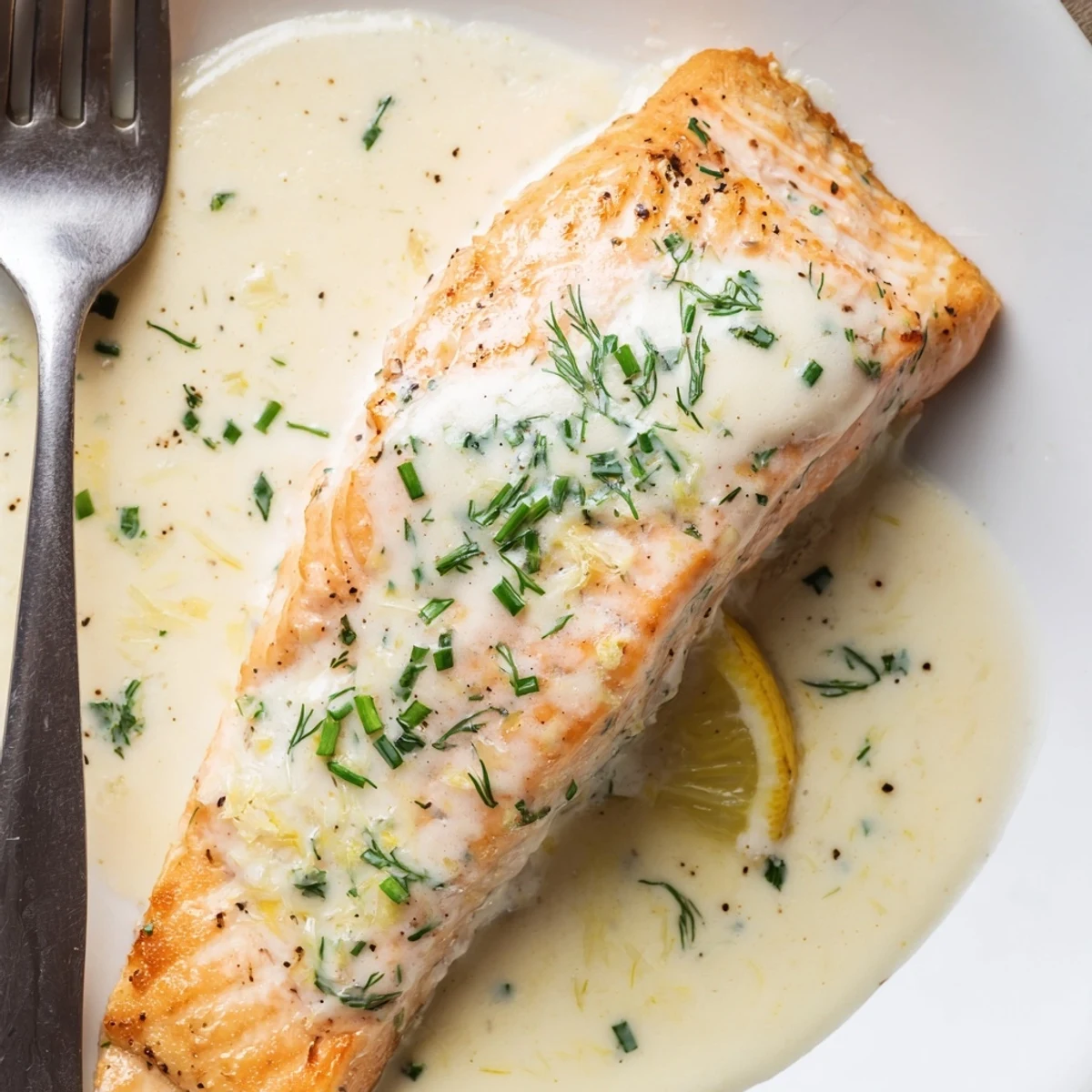
Save Pat salmon dry, season with salt and pepper, and pan-sear in olive oil 3–4 minutes per side until golden and just cooked. Use the same skillet to melt butter and sauté garlic, deglaze with white wine or stock, then stir in heavy cream, lemon juice and zest. Simmer until slightly thickened, fold in chopped dill, return fillets to warm through and spoon sauce over. Serve with steamed vegetables or roasted potatoes.
The smell of butter hitting a hot pan on a Tuesday evening is its own kind of therapy, and this salmon with lemon cream sauce is the reason I keep reaching for that pan week after week. My neighbor Claudia once knocked on my door asking what on earth I was cooking because the aroma had drifted through our shared hallway. I handed her a plate, and now she expects dinner every Thursday. It is the most delicious blackmail I have ever participated in.
I once made this for my sister the night she announced her engagement, and we stood in the kitchen eating straight from the pan before the rice was even ready. The sauce pooled around the salmon like it belonged there, and she kept saying it tasted like something from our favorite restaurant in Lyon. We never made it to Lyon, but that dinner was enough.
Ingredients
- 4 skinless salmon fillets, 6 oz each: Skinless is key here because the sauce clings directly to the flesh and every bite gets coated evenly.
- Salt and black pepper: Season generously on both sides and do not be shy about it.
- Olive oil: A tablespoon is all you need for a beautiful golden sear.
- Unsalted butter: This is the foundation of the sauce, so use good quality butter if you can.
- Garlic, finely minced: Two cloves give a gentle warmth without overwhelming the lemon.
- Dry white wine: Sauvignon Blanc or Pinot Grigio work beautifully, and fish stock is a fine substitute if you prefer to skip the alcohol.
- Heavy cream: This is what makes the sauce velvety and luxurious, though half and half works in a pinch.
- Fresh lemon juice and zest: Use a real lemon, not the bottled stuff, because the zest carries oils that make the flavor sing.
- Fresh dill or parsley: Dill is my first choice here because it has a natural affinity with both salmon and lemon.
Instructions
- Season the salmon:
- Pat each fillet thoroughly dry with paper towels, then season both sides with salt and pepper, pressing gently so it adheres.
- Sear to golden perfection:
- Heat olive oil in a large nonstick skillet over medium high heat until it shimmers, then lay the salmon in flesh side down and cook for three to four minutes per side until a deep golden crust forms and the fish is just cooked through.
- Rest the fish:
- Transfer the salmon to a plate and cover loosely with foil so it stays warm while you build the sauce.
- Wake up the garlic:
- Reduce the heat to medium, melt the butter in the same pan, and sauté the minced garlic for about a minute until your kitchen smells impossibly good.
- Build the sauce base:
- Pour in the white wine and let it simmer for two to three minutes, scraping up every caramelized bit from the bottom of the pan because that is where all the flavor lives.
- Add the cream and lemon:
- Stir in the heavy cream, lemon juice, and lemon zest, then let the sauce bubble gently for three to four minutes until it thickens enough to coat the back of a spoon.
- Finish with herbs:
- Stir in the chopped dill, taste the sauce, and adjust the salt and pepper until it makes you close your eyes.
- Bring it all together:
- Nestle the salmon back into the pan, spoon the sauce over each fillet, and let everything warm through for one to two minutes before serving with extra herbs and lemon wedges.
 Save
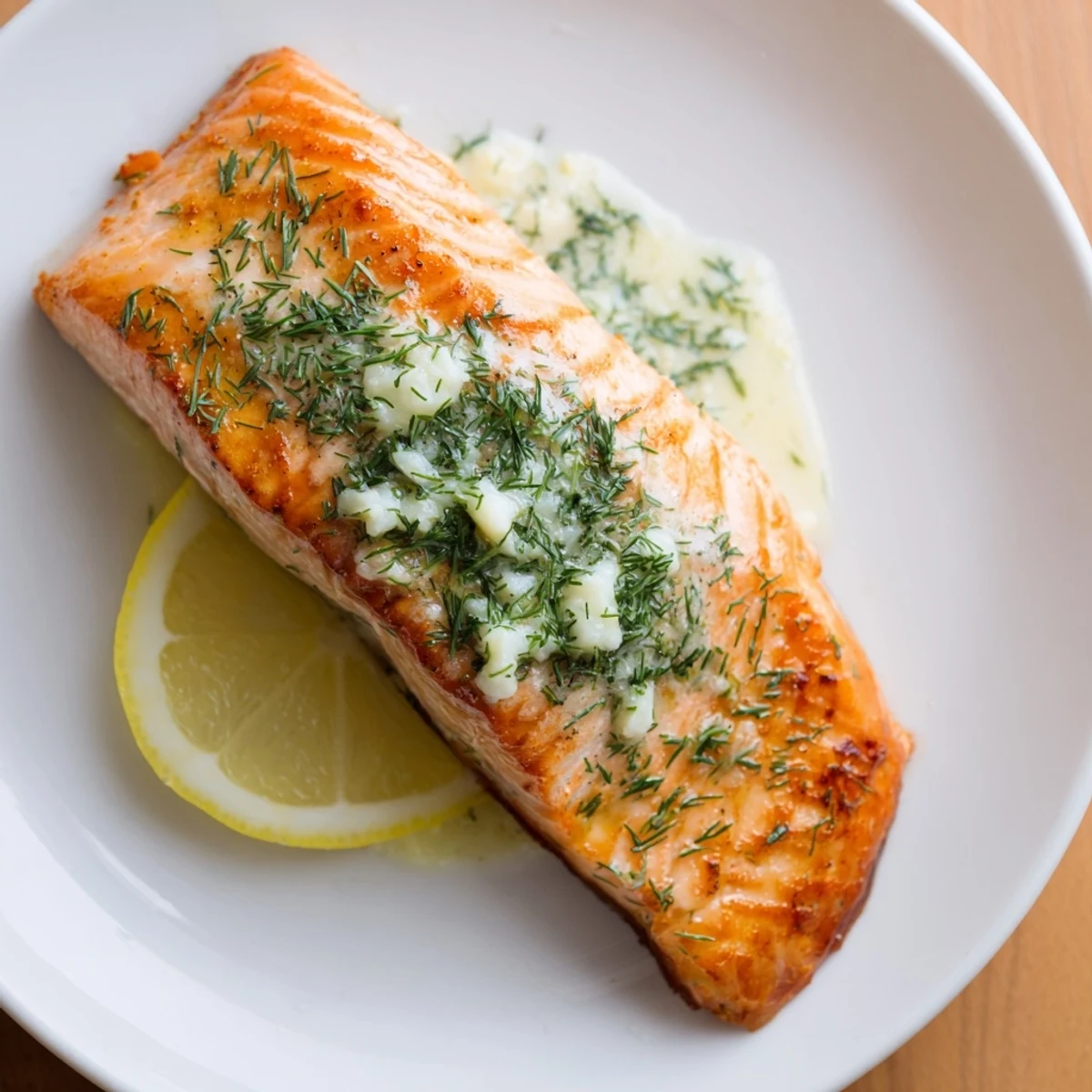
Save There is something about spooning a silky lemon sauce over a piece of perfectly seared salmon that makes a random weeknight feel deliberate and cared for.
What to Serve Alongside
I have tried this with everything from buttered noodles to a simple arugula salad, but roasted baby potatoes and steamed asparagus remain my favorite companions. The potatoes soak up every drop of extra sauce, which is really the whole point of having leftovers on the plate.
Making It Your Own
A teaspoon of Dijon mustard swirled into the sauce at the end adds a subtle tang that completely changes the character of the dish without stealing the spotlight from the lemon. I discovered this trick by accident when I knocked a jar with my elbow and a spoonful tumbled in. Happy mistakes are the best kind in the kitchen.
A Few Things to Keep in Mind
The pan drippings are pure gold, so never wash that skillet until you have scraped every last bit into the sauce. This dish reheats gently the next day if you have leftovers, though the cream sauce may thicken slightly in the refrigerator.
- Use a microplane for the lemon zest because anything coarser will leave bitter strings in the sauce.
- Let the cream come to room temperature before adding it to the hot pan to reduce the risk of splitting.
- Taste the sauce before returning the salmon because once the fish is back in, adjusting seasoning becomes a guessing game.
 Save
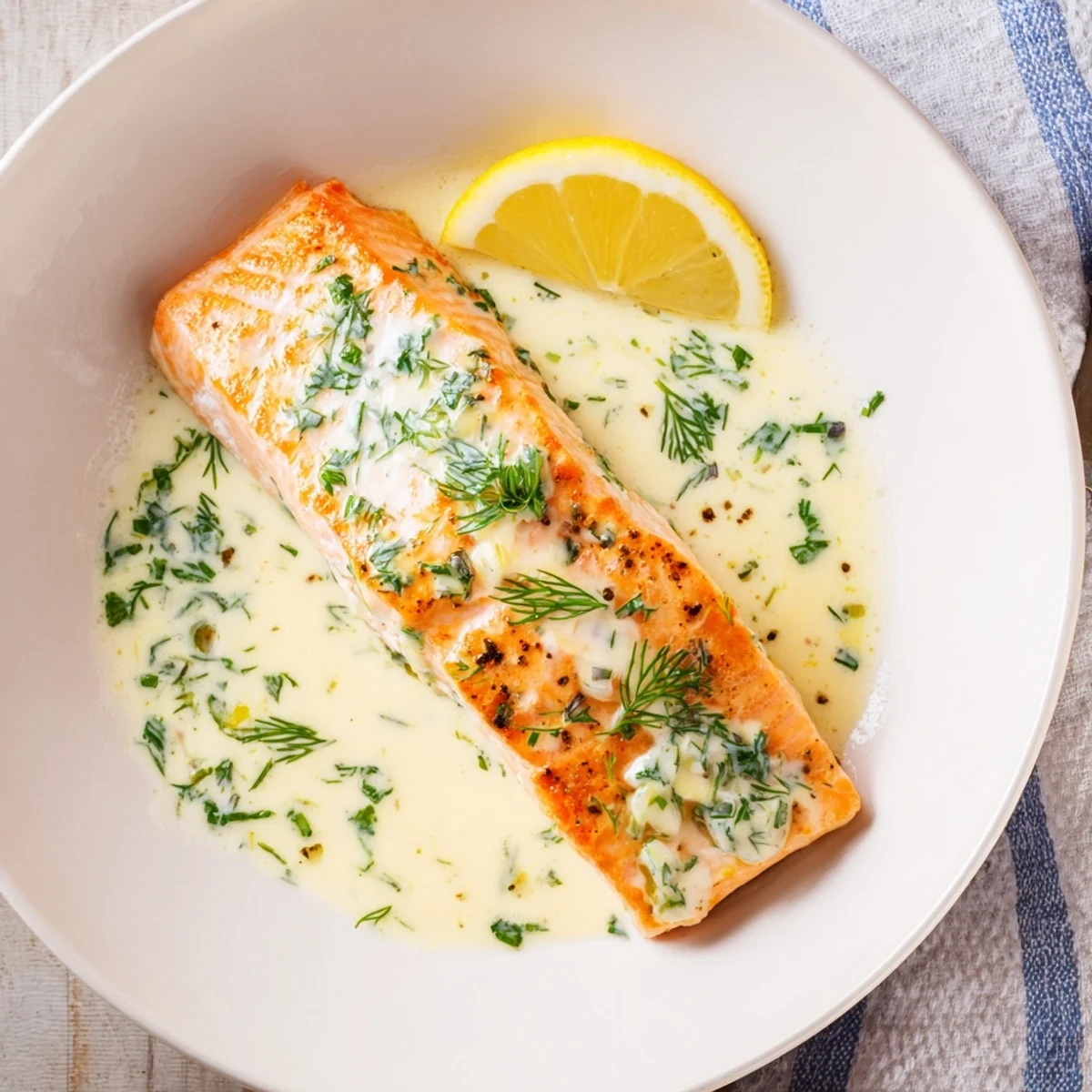
Save This is the kind of recipe that turns a quiet evening into something worth savoring, one lemony, creamy bite at a time.
Common Recipe Questions
- → How do I know when the salmon is done?
-
Look for a golden crust and flaking flesh that is opaque through most of the fillet; a quick press with a fork should show slight resistance but not raw center. Cooking 3–4 minutes per side on medium-high is a reliable guideline for 6 oz fillets.
- → Can I use stock instead of wine for the sauce?
-
Yes. Swap dry white wine for fish or vegetable stock to deglaze the pan for a similar depth of flavor while keeping the sauce nonalcoholic. Reduce slightly to concentrate taste before adding cream.
- → How can I lighten the cream sauce?
-
Substitute half-and-half or crème fraîche for heavy cream, or use a blend of milk and a small pat of butter. Simmer gently and reduce only until the sauce coats the back of a spoon to avoid breaking.
- → What herbs and garnishes work best?
-
Fresh dill brightens the lemon cream, while parsley offers a milder note. Finish with extra lemon zest and a herb sprig for aroma. A sprinkle of cracked black pepper adds contrast.
- → How should I reheat leftovers without losing texture?
-
Gently reheat salmon in a low oven (275–300°F) for 8–10 minutes covered, or warm briefly in a skillet with a splash of stock to prevent drying. Reheat sauce slowly over low heat, whisking to recombine.
- → What sides and wine pairings complement this dish?
-
Serve with steamed greens, roasted potatoes, or rice. Crisp white wines like Sauvignon Blanc or Pinot Grigio complement the lemon and cream without overpowering the fish.