
 Save
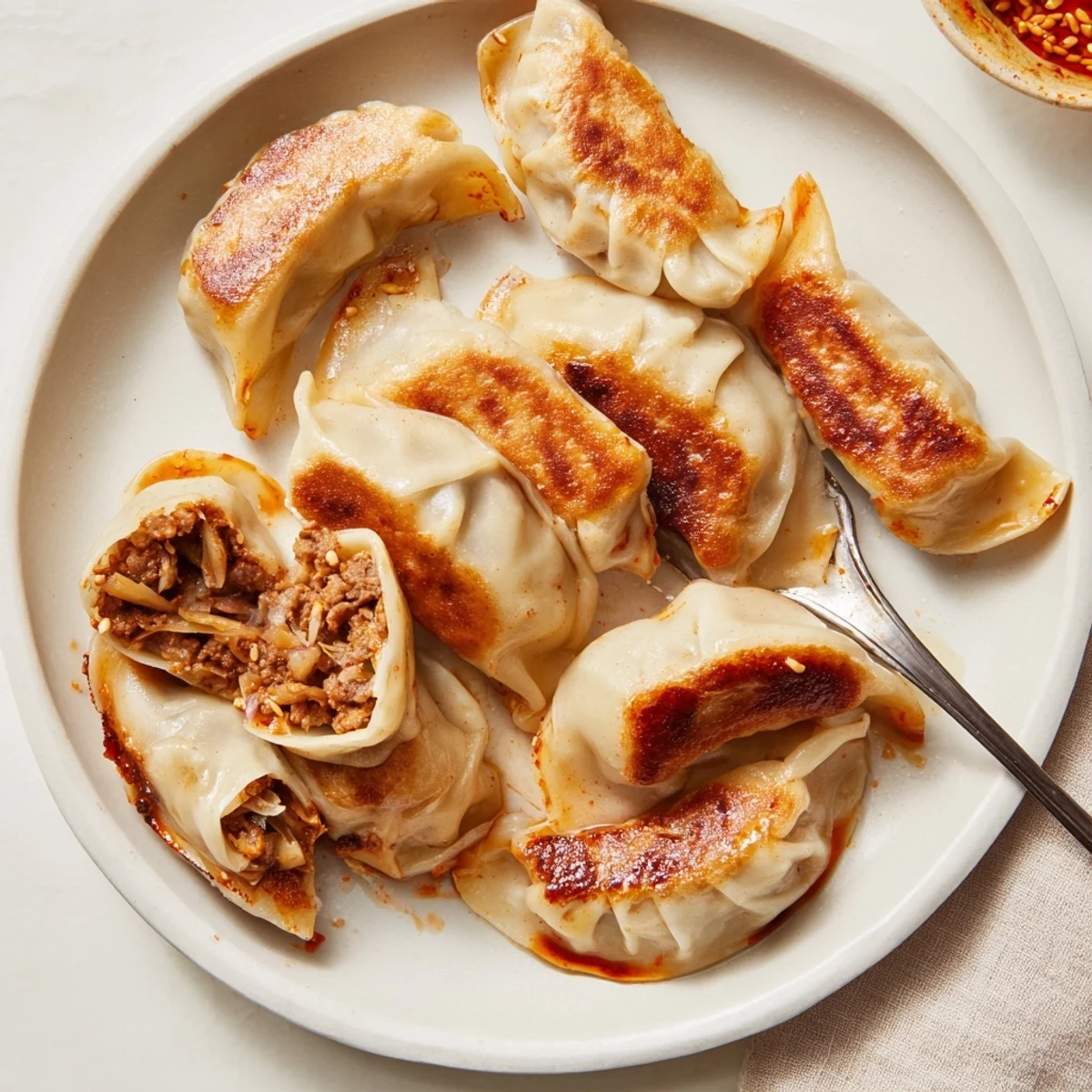
Save These savory beef mandu combine seasoned ground beef with napa cabbage, scallion, garlic and ginger, wrapped in thin rounds and pan-fried until golden. After browning, a splash of water steams the dumplings for tender interiors while keeping crisp bottoms. A quick sweet-spicy gochujang glaze is simmered and brushed on before serving; finish with toasted sesame and pickles for contrast. Freeze uncooked mandu for easy make-ahead or swap tofu for a vegetarian variation.
The sizzle of dumplings hitting a hot pan is one of those sounds that instantly pulls everyone into the kitchen, and these crispy beef mandu with a sticky gochujang glaze are worth every second of folding. My friend Mina taught me her family folding technique over a chaotic Sunday afternoon that involved too much soju and badly pleated dumplings that still tasted incredible. That glaze, though, was my own addition after I got tired of plain soy dipping sauce and wanted something that clung to every golden edge.
I made fifty of these for a neighborhood potluck last fall and watched a tray disappear in under ten minutes, which taught me to always hide a personal stash in the back of the fridge.
Ingredients
- Ground beef (300 g): Use a blend with some fat content, around 80/20, because lean beef dries out inside the wrapper.
- Napa cabbage (1 cup, finely chopped): Adds moisture and a gentle crunch that keeps the filling from becoming dense.
- Onion (1/2 cup, finely chopped): Sweetness and bulk, and it melts into the filling as it cooks.
- Green onions (2, thinly sliced): Fresh bite and color that cuts through the richness of the beef.
- Garlic (2 cloves, minced): Essential aromatics, and you can add a third clove if you love garlic.
- Ginger (1 tbsp, grated): Fresh ginger makes a huge difference here, so skip the powdered stuff.
- Soy sauce (1 tbsp for filling, plus 1.5 tbsp for glaze): Salty depth in the filling and umami backbone in the glaze.
- Toasted sesame oil (1 tbsp for filling, plus 1 tbsp for glaze): That nutty aroma is what makes everything taste unmistakably Korean.
- Mirin (1 tbsp, optional): A touch of sweetness that rounds out the filling beautifully.
- Sugar (1 tsp): Just enough to balance the soy sauce and sesame oil in the filling.
- Black pepper (1/4 tsp): A mild heat that complements the ginger without competing with the glaze.
- Egg (1): Binds everything together so your filling does not crumble apart when you bite in.
- Round dumpling wrappers (30): Store bought wrappers save hours and work perfectly, just keep them covered with a damp towel so they do not dry out.
- Gochujang (2 tbsp): The star of the glaze, providing fermented heat and deep red color.
- Honey (2 tbsp): Balances the gochujang and helps the glaze thicken into a glossy coating.
- Rice vinegar (1 tbsp): Brightens the glaze so it never feels cloying.
- Sesame seeds (1 tsp, toasted): A finishing sprinkle that adds visual appeal and a gentle crunch.
- Vegetable oil (2 to 3 tbsp): Neutral oil for getting that golden crispy bottom on the mandu.
Instructions
- Mix the filling:
- Combine the ground beef, napa cabbage, onion, green onions, garlic, ginger, soy sauce, sesame oil, mirin, sugar, pepper, and egg in a large bowl. Mix with your hands until everything is evenly distributed, but do not overwork it or the filling gets tough.
- Fold the mandu:
- Place a wrapper in your palm, spoon a rounded teaspoon of filling into the center, and dip your finger in water to moisten the edge. Fold into a half moon and pinch firmly, adding small pleats along one side if you want to get fancy.
- Make the glaze:
- Stir together the gochujang, honey, soy sauce, rice vinegar, sesame oil, and minced garlic in a small saucepan over low heat. Simmer for two to three minutes until it coats the back of a spoon, then set aside.
- Pan fry and steam:
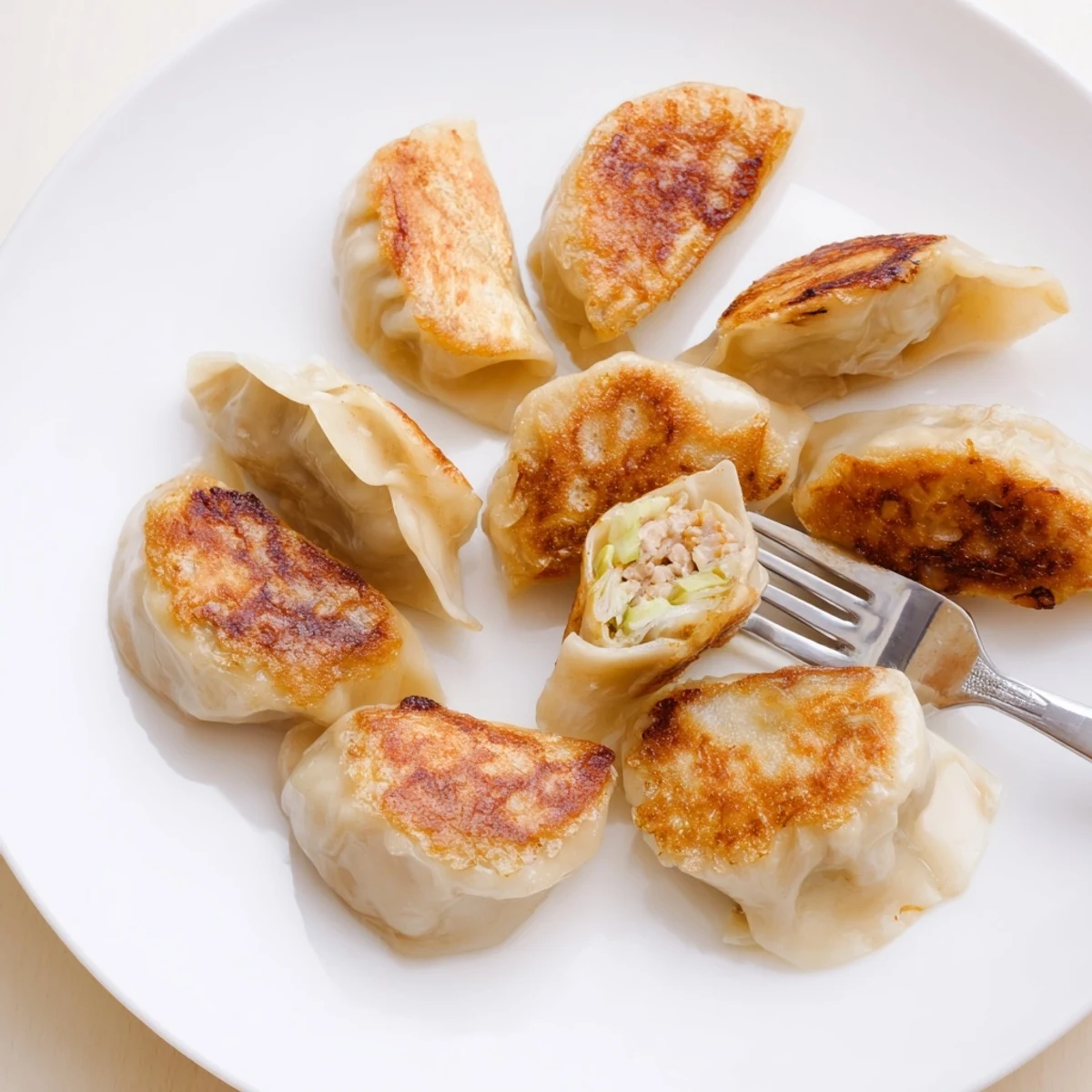
- Heat vegetable oil in a large nonstick skillet over medium high heat and arrange mandu in a single flat layer. Cook until the bottoms turn deep gold, then pour in a quarter cup of water, slap on the lid, and let them steam for three to four minutes until the wrappers are translucent.
- Crisp and glaze:
- Remove the lid and let the remaining water cook off so the bottoms crisp up again for another minute or two. Transfer to a plate, brush or drizzle generously with the warm glaze, scatter sesame seeds on top, and serve immediately while the contrast of crispy and tender is at its peak.
 Save
Save The first time I served these to my mother in law she closed her eyes after the first bite and said nothing for a full ten seconds, which from her is the highest compliment possible.
Getting the Fold Right Without Stressing
Pleating dumplings looks intimidating in photos but honestly a simple pressed half moon works just as well and holds up beautifully during cooking. The real trick is pressing firmly from the center outward to squeeze out any air pockets, because trapped air makes the wrappers puff oddly and sometimes burst open. If your first few look messy, keep going because ugly dumplings still fry up crispy and taste amazing.
Tweaking the Glaze to Your Taste
Gochujang brands vary wildly in heat level, so taste your glaze before simmering and adjust accordingly. If it is too spicy, add another half tablespoon of honey. If you want more punch, a squeeze of lime juice at the end wakes everything up and cuts through the sweetness in a way that makes people go back for thirds.
Serving and Storing Like a Pro
These mandu are best eaten within minutes of leaving the pan when the bottoms still crackle. If you are making them for a gathering, keep the glaze warm in a small pot and fry batches right before serving so nobody gets a soggy dumpling.
- Pair with pickled radish or kimchi for a sharp acidic contrast that balances the sweet glaze.
- Refrigerate any cooked leftovers and reheat in a dry skillet to bring back the crispy bottom.
- Always label your frozen uncooked batches with the date because they are best used within three months.
 Save
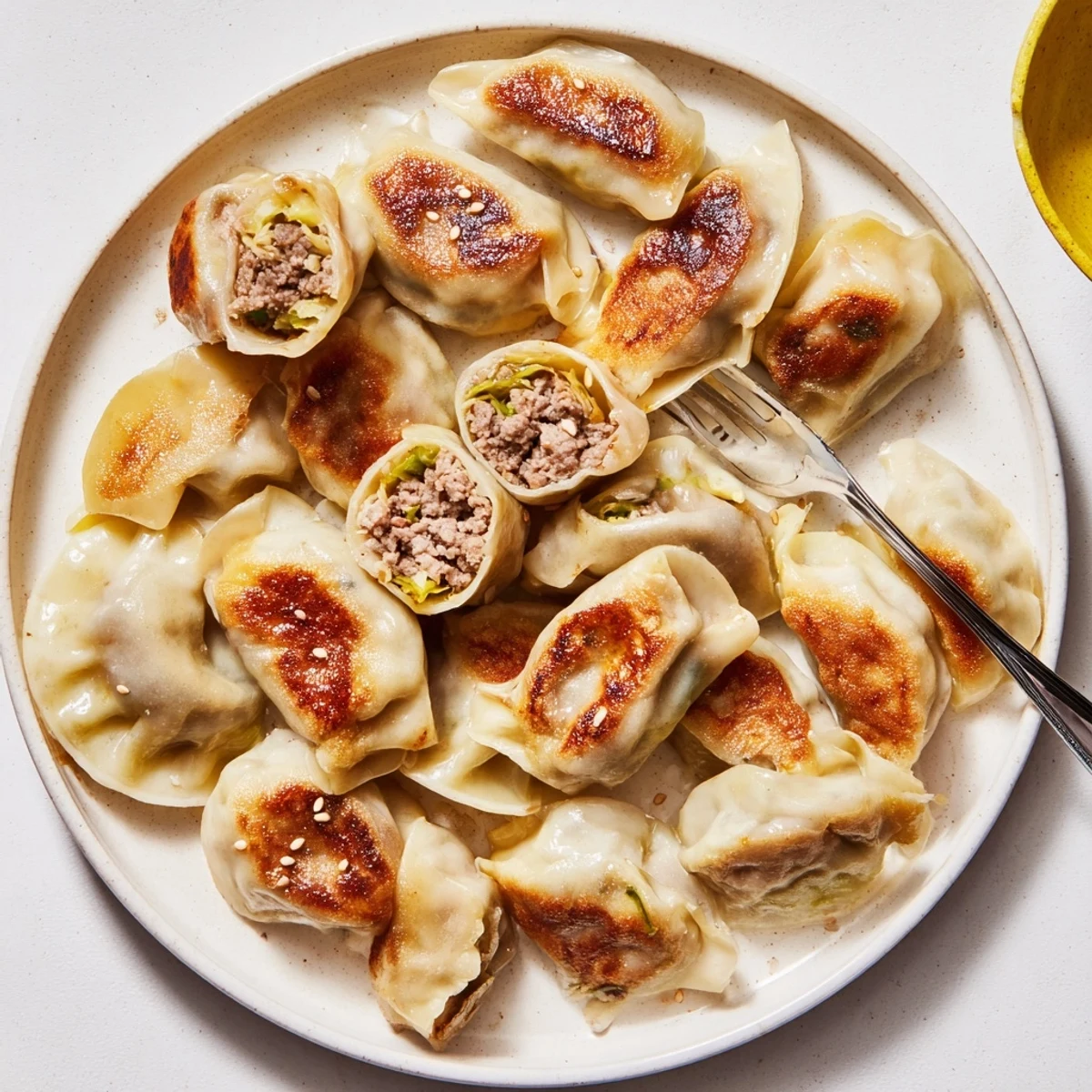
Save Once you master the fold and taste that first crispy, glazed bite, these mandu will become your go to recipe for impressing anyone who walks through your door.
Common Recipe Questions
- → How do I stop the wrappers from tearing?
-
Make sure the cabbage is finely chopped and squeezed dry to remove excess moisture. Use small portions of filling and keep the wrapper edge dry when sealing. Avoid overfilling and press firmly along the seam; pleating helps distribute the filling and reduce stress on the dough.
- → What’s the best technique for crisp bottoms and tender interiors?
-
Heat a nonstick skillet over medium-high with oil, place mandu seam-side up to brown the bottoms for 2–3 minutes, then add about 1/4 cup water and cover to steam for 3–4 minutes. Uncover and cook until the water evaporates so the bottoms crisp again.
- → How can I adjust the heat and sweetness of the gochujang glaze?
-
Taste and tweak the glaze by reducing or increasing gochujang for spice, and adjusting honey for sweetness. A splash more rice vinegar brightens the glaze. Simmer briefly to concentrate flavors and thicken before glazing the mandu.
- → Can I make these ahead and how should I store them?
-
Uncooked mandu can be frozen on a tray until solid, then transferred to a bag; cook from frozen, adding a minute or two. Cooked mandu keep 2–3 days refrigerated and reheat best in a skillet or oven to restore crispness. Store glaze separately for up to a week.
- → What are good vegetarian substitutions for the beef filling?
-
Press and crumble firm tofu and combine with finely chopped mushrooms, carrots and additional napa cabbage for texture. Boost umami with extra soy sauce, toasted sesame oil and a touch of mirin or mushroom seasoning.
- → Any tips for sealing and shaping mandu neatly?
-
Work with a damp cloth over unused wrappers to prevent drying. Use a small water bowl to moisten edges, fold gently and pleat with your thumb, keeping pleats even. Practice makes faster, more consistent seals without gaps.