
 Save
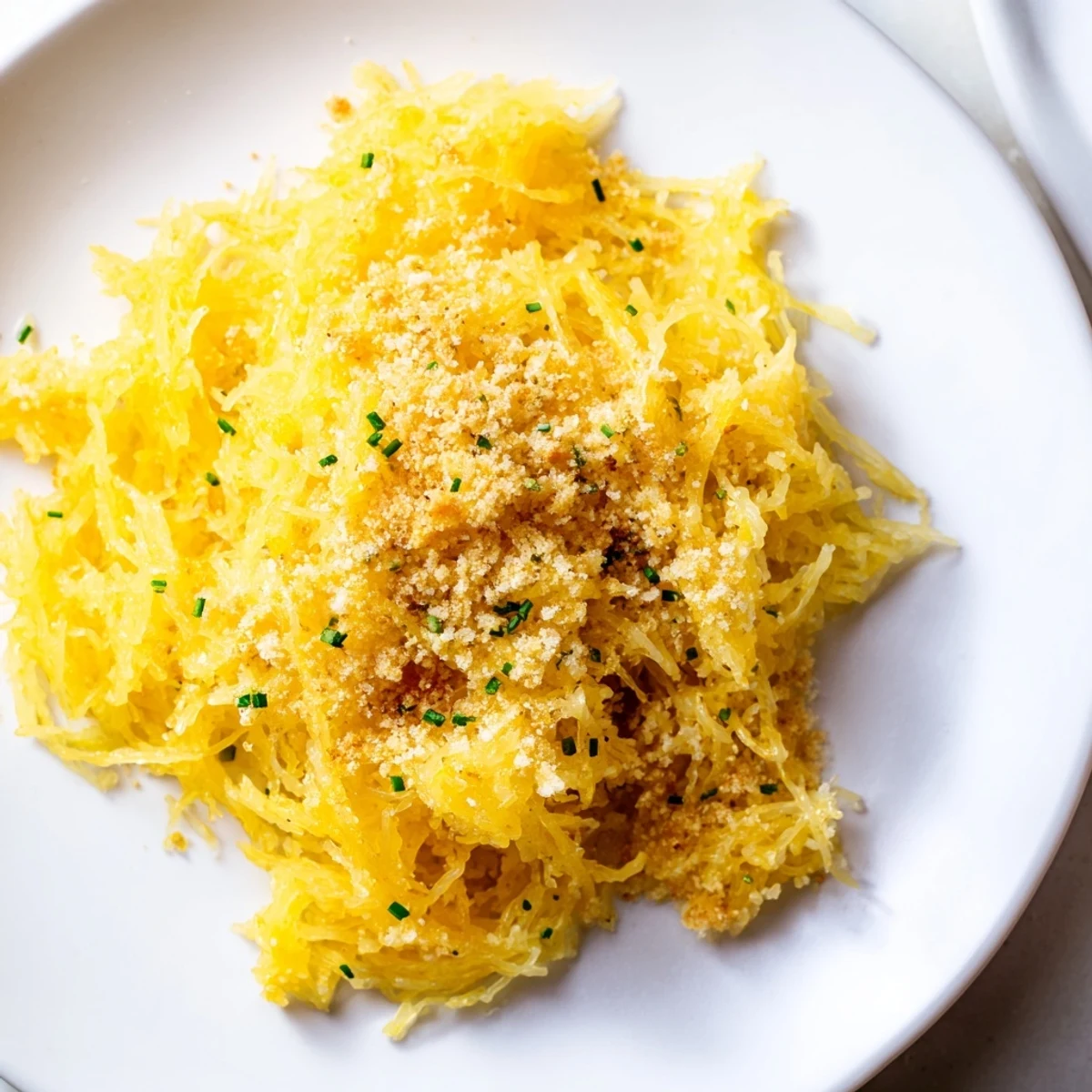
Save Experience the ultimate comfort food makeover with tender roasted spaghetti squash replacing traditional pasta. The vegetable's naturally sweet strands pair perfectly with a velvety homemade cheese sauce featuring sharp cheddar and nutty Gruyère. Each forkful delivers that irresistible creamy, cheesy satisfaction while keeping carbs low and vegetables high.
The roasting process concentrates the squash's natural flavors, creating the perfect foundation for the rich, seasoned sauce. A quick broil with buttery breadcrumbs and Parmesan adds delightful crunch, making this dish equally satisfying for weeknight dinners and special gatherings.
The smell of melted cheddar curling through my apartment on a rainy Tuesday evening is what sold me on spaghetti squash mac and cheese for good. I had been skeptical that vegetable threads could ever stand in for elbow pasta, but one forkful silenced every doubt. The squash soaks up cheese sauce like it was born for the job, and suddenly you are eating something that feels deeply indulgent without the heaviness. This dish lives in that sweet spot between comfort food and something your body actually thanks you for.
My neighbor Laura knocked on my door the night I first tested this recipe, drawn by the aroma drifting through the hallway. She stood in my kitchen holding a glass of wine, watching me pull the baking dish from the oven, and declared that anything with a breadcrumb crust deserved an immediate taste test. We ate standing at the counter, forks in hand, and she asked for the recipe before she even finished her portion.
Ingredients
- Spaghetti squash (1 large, about 1.2 kg): Pick one that feels heavy for its size with a pale, firm skin, because that means the flesh inside is dense and will give you plenty of strands.
- Unsalted butter (2 tablespoons): This forms the base of your roux, so let it melt fully and bubble just slightly before adding the flour.
- Gluten-free flour (2 tablespoons): Any all-purpose blend works here, and if gluten is not a concern, regular flour does the job just as well.
- Whole milk (1 1/2 cups): Whole milk gives the sauce its velvety body, and lower fat milks work but produce a thinner result.
- Sharp cheddar cheese (1 cup, grated): Sharp cheddar brings the classic mac and cheese tang, and grating it fresh off the block melts far smoother than pre-shredded bags.
- Gruyere cheese (1/2 cup, grated, optional): This adds a nutty depth that elevates the whole sauce, but skip it if you want to keep things simple.
- Garlic powder (1/4 teaspoon): Just a whisper of garlic rounds out the flavors without competing with the cheese.
- Ground mustard (1/4 teaspoon): This is the secret ingredient that makes cheese taste more like itself, and you will not taste mustard at all.
- Salt (1/4 teaspoon): A light hand here is best because the cheeses already carry plenty of saltiness.
- Freshly ground black pepper (1/4 teaspoon): Freshly cracked makes a noticeable difference in a sauce this simple.
- Parmesan cheese (1/4 cup, grated, for topping): This melts into the breadcrumbs and creates those irresistible crispy patches on top.
- Gluten-free breadcrumbs (1/4 cup, for topping): They toast up golden and give each bite a satisfying crunch.
- Melted butter (1 tablespoon, for topping): Tossing the breadcrumbs with butter ensures they brown evenly instead of drying out.
- Fresh chives or parsley (chopped, for garnish): A scattering of green at the end makes the whole dish look as good as it tastes.
Instructions
- Roast the squash:
- Preheat your oven to 400 degrees F and line a baking sheet with parchment paper. Cut the squash in half lengthwise, scoop out the seeds, and place it cut side down before roasting for 35 to 40 minutes until the flesh yields easily when pierced with a fork.
- Start the roux:
- In a medium saucepan over medium heat, melt the butter until it just starts to foam. Whisk in the flour and stir constantly for one minute until it turns a pale golden color and smells slightly nutty.
- Build the sauce base:
- Pour in the milk gradually, whisking the whole time so no lumps form. Keep stirring for 2 to 3 minutes until the mixture thickens enough to coat the back of a spoon.
- Add the cheeses and seasonings:
- Lower the heat and stir in the cheddar, Gruyere, garlic powder, ground mustard, salt, and pepper. Keep stirring gently until every bit of cheese has melted into a smooth, glossy sauce, then remove from heat.
- Shred and combine:
- Let the squash cool just until you can handle it, then drag a fork through the flesh to create those long spaghetti-like strands. Pile the strands into a large bowl, pour the cheese sauce over them, and toss gently until every thread is coated.
- Finish under the broiler:
- Transfer everything to a greased baking dish and mix the breadcrumbs, Parmesan, and melted butter together in a small bowl. Sprinkle the mixture evenly across the top and bake at 400 degrees F for 10 to 12 minutes until the surface turns golden and the edges bubble.
- Garnish and serve:
- Scatter fresh chives or parsley over the top right before bringing it to the table. Serve it warm while the cheese sauce is still flowing and the topping has its best crunch.
 Save
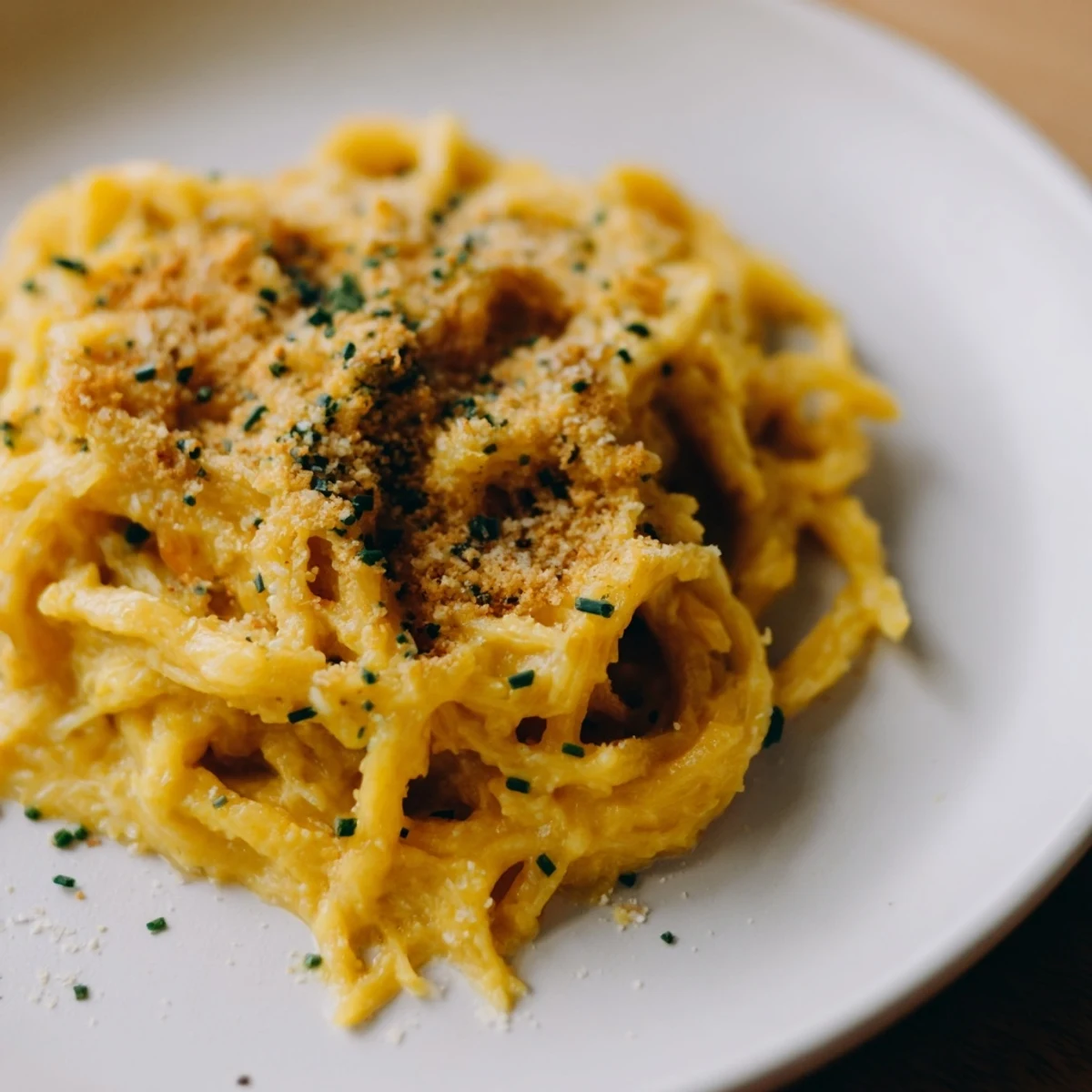
Save The week after Laura tried this dish, she texted me a photo of her own version, complete with a crispy top and a proud grin. That is the thing about this recipe: it makes you want to share it.
Getting the Most Out of Your Squash
Microwaving the whole squash for three minutes before cutting makes it dramatically easier to slice through. I learned this after nearly losing a thumb wrestling with a particularly stubborn one, and it has saved me every time since. The strands closest to the skin tend to be the most tender, so scrape deeply rather than stopping at the surface.
Making It Your Own
A pinch of smoked paprika stirred into the cheese sauce adds a campfire warmth that works beautifully on cold evenings. Fold in roasted broccoli florets or caramelized onions if you want to turn this into a more substantial meal. The base recipe is forgiving enough that it welcomes experimentation without falling apart.
Serving and Storing
This dish is at its best within the first hour out of the oven, when the contrast between the creamy interior and crunchy topping is at its peak. Leftovers keep well in the refrigerator for up to three days and reheat gently in a covered dish at 350 degrees F. A simple green salad with a bright vinaigrette cuts through the richness and rounds out the plate perfectly.
- A glass of lightly oaked Chardonnay pairs wonderfully with the creamy cheese sauce.
- If you want added protein, tucking in shredded rotisserie chicken or drained chickpeas makes it a complete meal.
- For a vegan version, swap in plant-based butter, milk, and cheeses, and the method stays exactly the same.
 Save
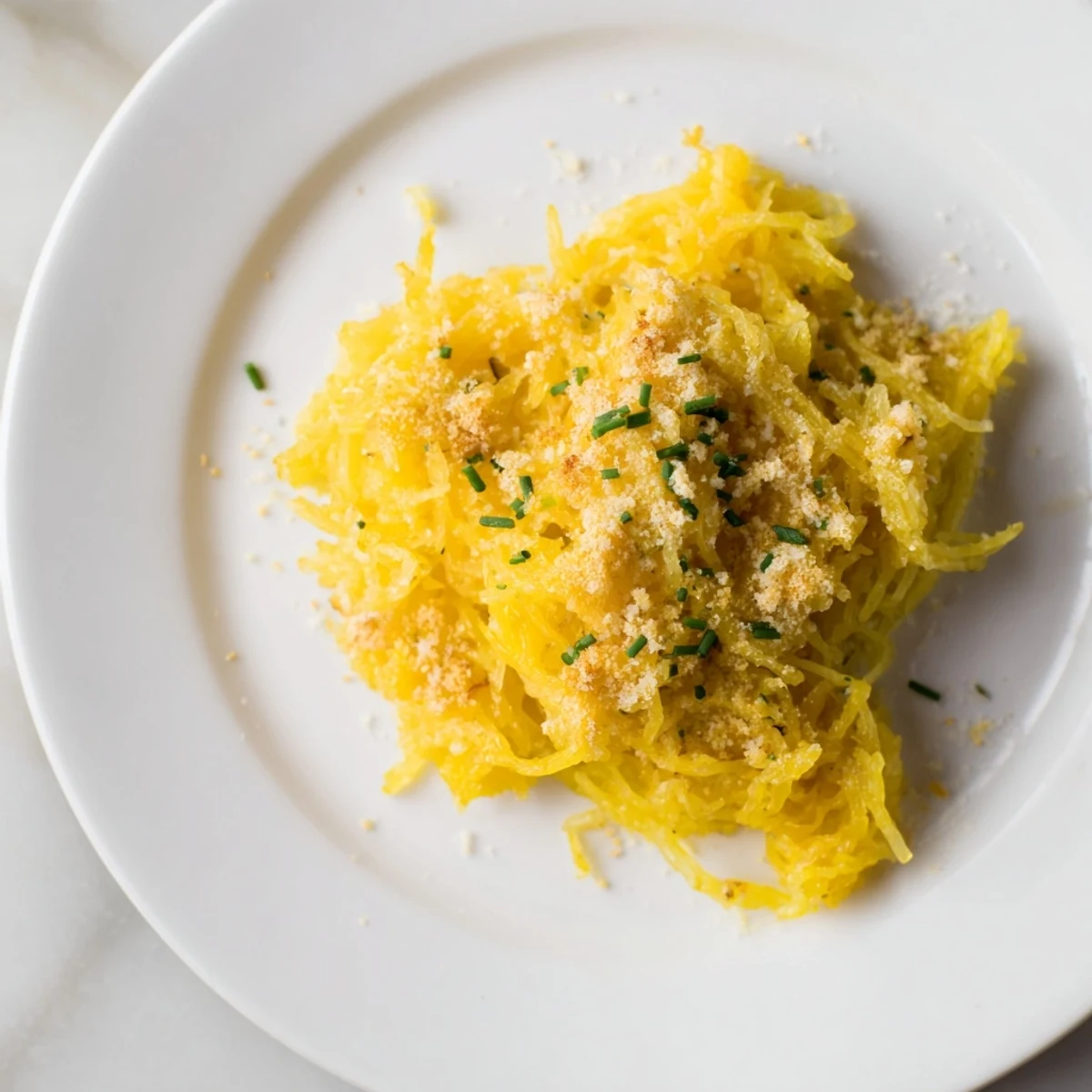
Save Some recipes become staples because they fit into the rhythm of real life, and this is one of them. It is warm, forgiving, and always welcome on my table.
Common Recipe Questions
- → How do I know when the spaghetti squash is fully cooked?
-
The squash is ready when the flesh feels tender and easily shreds into strands with a fork. This typically takes 35–40 minutes at 400°F. You should be able to scrape the entire interior without resistance, creating those signature spaghetti-like strands.
- → Can I make this dish ahead of time?
-
Absolutely. Prepare the roasted squash and cheese sauce separately, then store them in airtight containers in the refrigerator for up to 2 days. When ready to serve, reheat the sauce gently, toss with the squash strands, and add the topping before baking until golden and bubbly.
- → What cheese combinations work best for the sauce?
-
Sharp cheddar provides the classic tangy flavor and excellent melt, while Gruyère adds nutty depth and exceptional creaminess. You can also incorporate Swiss for mildness, Monterey Jack for extra melt, or smoked Gouda for a subtle smoky twist that complements the squash's sweetness.
- → Is the breadcrumb topping necessary?
-
The breadcrumb topping is optional but adds wonderful texture contrast. The buttery, Parmesan-coated crumbs create a golden, crispy layer that complements the tender squash and creamy sauce beneath. For a lighter version, simply skip this step or use crushed pork rinds for a low-carb, high-protein crunch.
- → Can I freeze leftovers?
-
Yes, leftovers freeze well for up to 3 months. Portion the cooled mixture into freezer-safe containers, leaving some space for expansion. Thaw overnight in the refrigerator, then reheat at 350°F until heated through, adding a splash of milk if the sauce seems thick.
- → How do I prevent the sauce from becoming grainy?
-
Use freshly grated cheese rather than pre-shredded varieties, which contain anti-caking agents that can cause graininess. Add the cheese gradually over low heat, stirring constantly until fully melted and incorporated. Avoid high heat, which can cause the cheese to separate and become oily.