
 Save
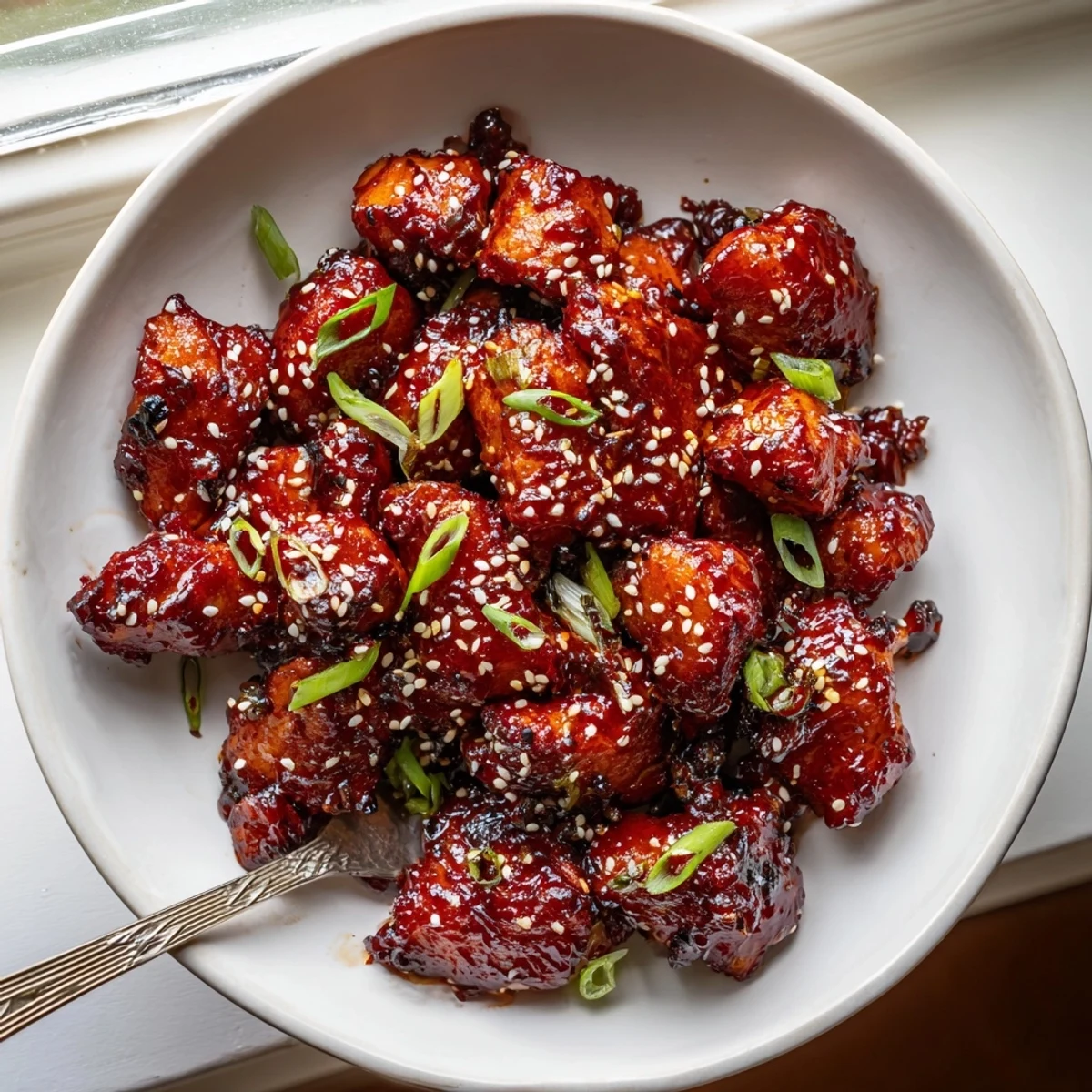
Save This Korean-inspired gochujang chicken features boneless thighs marinated in a bold blend of chili paste, soy sauce, honey, ginger, and garlic. The chicken is pan-seared until caramelized and slightly charred, creating a sticky, savory glaze with the perfect balance of heat, sweetness, and umami.
Ready in just 40 minutes with 15 minutes of prep, it's an ideal weeknight meal served over steamed rice or tucked into lettuce wraps. Finish with sesame seeds and sliced green onions for a satisfying dinner for four.
The jar of gochujang sat unopened in my fridge door for three months before I finally worked up the courage to use it, and honestly, that reluctant first spoonful changed my weeknight cooking forever. Something about the way fermented chili paste hits soy sauce and honey creates this impossibly sticky, crimson glaze that makes chicken thighs taste like you spent all day tending a grill. My kitchen smelled like a Seoul street food stall that evening, and my partner walked in mid bite and just pointed at the pan with wide eyes, which is honestly the highest compliment I get around here.
I made this for a rainy Tuesday dinner party where the only plan was to empty the fridge before grocery day, and three friends texted me the next morning asking for the recipe.
Ingredients
- Chicken thighs (700 g boneless, skinless, cut into bite sized pieces): Thighs stay juicier than breast meat and hold up beautifully to the aggressive heat and thick glaze.
- Gochujang (3 tbsp): This fermented Korean chili paste is the soul of the dish, bring heat, sweetness, and deep umami all at once.
- Soy sauce (2 tbsp): Adds salt and a savory backbone that anchors the sweeter elements.
- Rice vinegar (1 tbsp): A splash of acidity that brightens the whole marinade and keeps it from tasting one dimensional.
- Honey (2 tbsp): Helps the glaze caramelize into that gorgeous sticky coating, brown sugar works too if you are out.
- Garlic (2 cloves, minced): Freshly minced is worth the extra minute, jarred garlic tastes flat here.
- Ginger (1 tbsp, grated): Grate it finely so it melts into the sauce rather than leaving stringy bits.
- Sesame oil (1 tbsp): Toasted sesame oil adds a nutty aroma that instantly signals Korean flavors.
- Black pepper (half tsp, freshly ground): A quiet heat layer that supports the gochujang without competing with it.
- Toasted sesame seeds (1 tbsp, optional): Sprinkle these on at the end for a finishing crunch that makes the dish look restaurant ready.
- Green onions (2, thinly sliced, optional): Their sharp freshness cuts through the richness and adds a pop of color.
Instructions
- Build the marinade:
- Whisk together the gochujang, soy sauce, rice vinegar, honey, garlic, ginger, sesame oil, and black pepper in a large bowl until you get a smooth, deep red paste with no streaks. Take a moment to really smell it, that combination of fermented chili and toasted sesame is already magic.
- Coat the chicken:
- Toss the chicken pieces into the bowl and use your hands or tongs to massage the marinade into every fold and crevice. Let it sit for at least 20 minutes at room temperature, or cover and refrigerate up to two hours if you have the time.
- Sear and glaze:
- Heat a large skillet over medium high heat and slide in the chicken along with every last bit of marinade from the bowl. Cook for six to eight minutes per side, letting the sauce bubble and reduce until it clings to the chicken in a thick, caramelized shell.
- Finish and serve:
- Pull the pan off the heat, scatter sesame seeds and sliced green onions over the top, and serve immediately over steamed rice or tucked into crisp lettuce wraps.
 Save
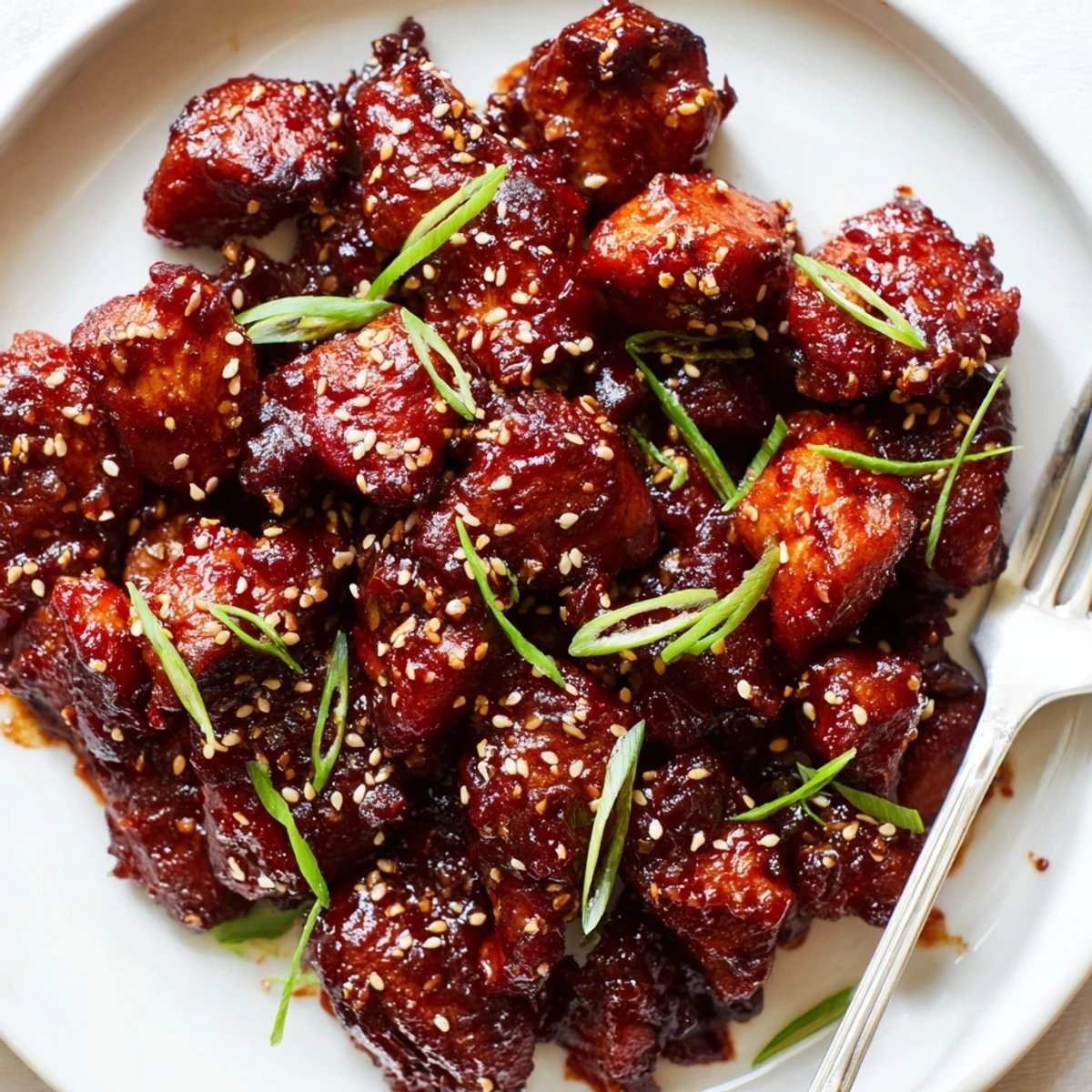
Save The night I accidentally doubled the gochujang and served it anyway, my friend silently finished her entire plate, wiped her forehead with a napkin, and said, do not change a thing about this.
Handling the Heat
Gochujang varies wildly between brands, some are mild and almost sweet while others bring a serious punch that builds with every bite. Start with the written amount and taste the raw marinade on the tip of a spoon before committing, you can always add more but you cannot take it back.
What to Serve Alongside
Steamed white rice is the obvious answer and honestly the correct one, because it soaks up the extra glaze like a sponge. A pile of quick pickled cucumbers or a scoop of kimchi on the side adds acidity and crunch that balance the richness perfectly.
Making It Your Own
Once you trust the base recipe, it becomes a template you can riff on depending on what is sitting in your fridge.
- Swap chicken thighs for boneless chicken breast if you prefer leaner meat, just watch the cooking time to avoid drying it out.
- Toss in a teaspoon of gochugaru flakes if you want to turn the volume up on the heat without changing the flavor.
- Leftovers keep beautifully for three days and taste incredible cold straight from the container.
 Save
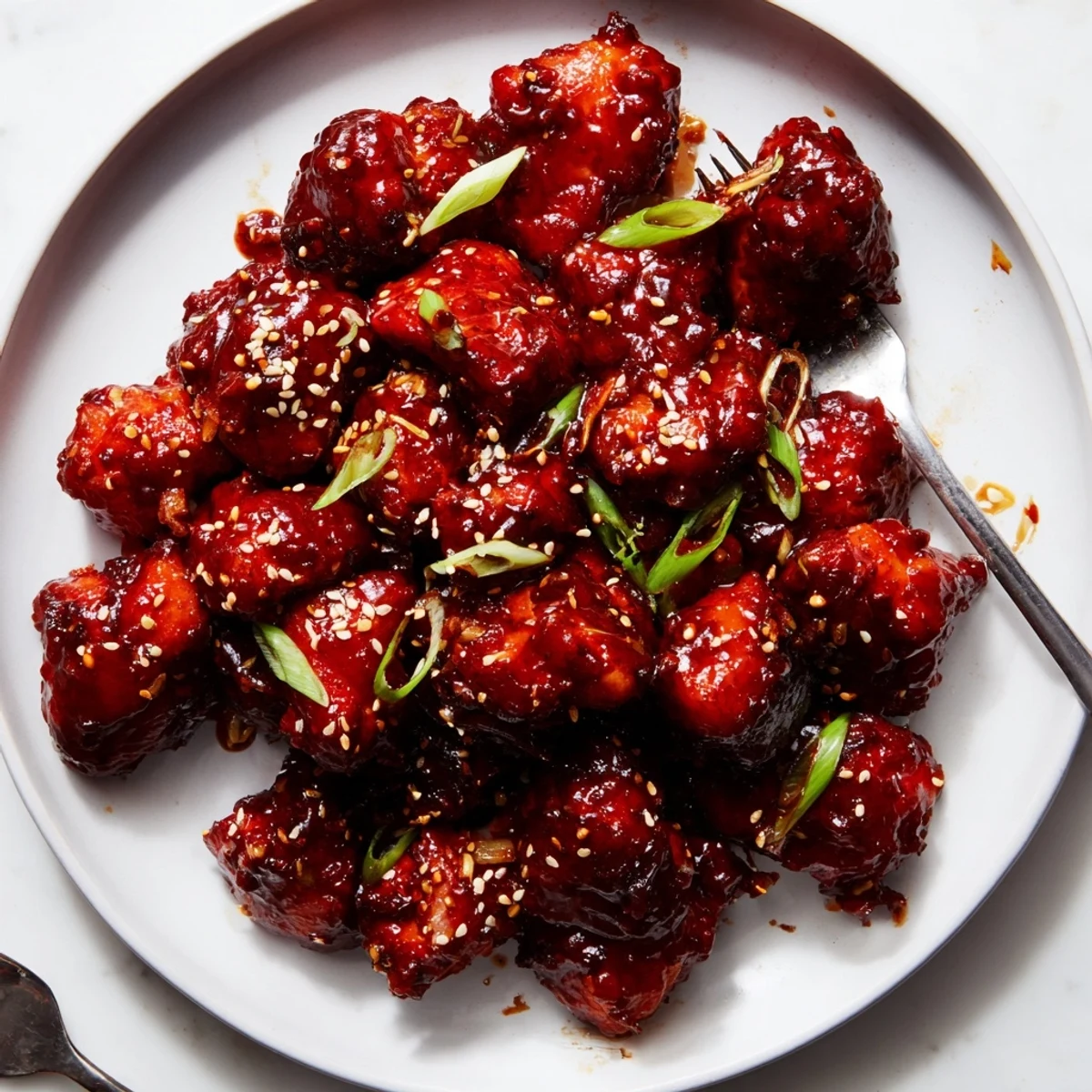
Save This is the kind of recipe that earns a permanent spot in your rotation because it asks almost nothing of you and gives back everything. Keep a tub of gochujang in your fridge and weeknight dinners will never feel boring again.
Common Recipe Questions
- → What is gochujang and where can I find it?
-
Gochujang is a fermented Korean chili paste made from red chili powder, glutinous rice, fermented soybeans, and salt. You can find it in most grocery stores in the Asian foods aisle or at Korean and Asian markets. It delivers a unique combination of sweetness, heat, and deep umami flavor.
- → Can I use chicken breasts instead of thighs?
-
Yes, chicken breasts work as a leaner alternative. Cut them into bite-sized pieces and reduce the cooking time slightly, as breasts cook faster and can dry out more easily. Thighs are recommended for their juiciness and ability to stay tender during high-heat pan-searing.
- → How long should I marinate the chicken?
-
A minimum of 20 minutes at room temperature is sufficient for good flavor. For deeper, more pronounced flavor, marinate the chicken in the refrigerator for up to 2 hours. You can also prep it the night before and let it sit overnight for the best results.
- → What should I serve with gochujang chicken?
-
Steamed white or brown rice is the most classic pairing. You can also serve it with lettuce wraps for a lighter option. Complementary sides include kimchi, pickled radish, sautéed bok choy or spinach, and a simple cucumber salad to balance the heat.
- → How do I make the chicken extra caramelized?
-
Make sure your skillet is fully preheated over medium-high heat before adding the chicken. Spread the pieces in a single layer without overcrowding and resist the urge to move them too often. Let them sear undisturbed for 6–8 minutes per side until a deep golden-brown crust forms.
- → Is this dish very spicy?
-
Gochujang provides a moderate, building heat that most people find pleasant and manageable. The honey balances the spice with sweetness. If you prefer more heat, add 1 teaspoon of gochugaru (Korean red chili flakes) to the marinade. For a milder version, use slightly less gochujang and extra honey.