
 Save
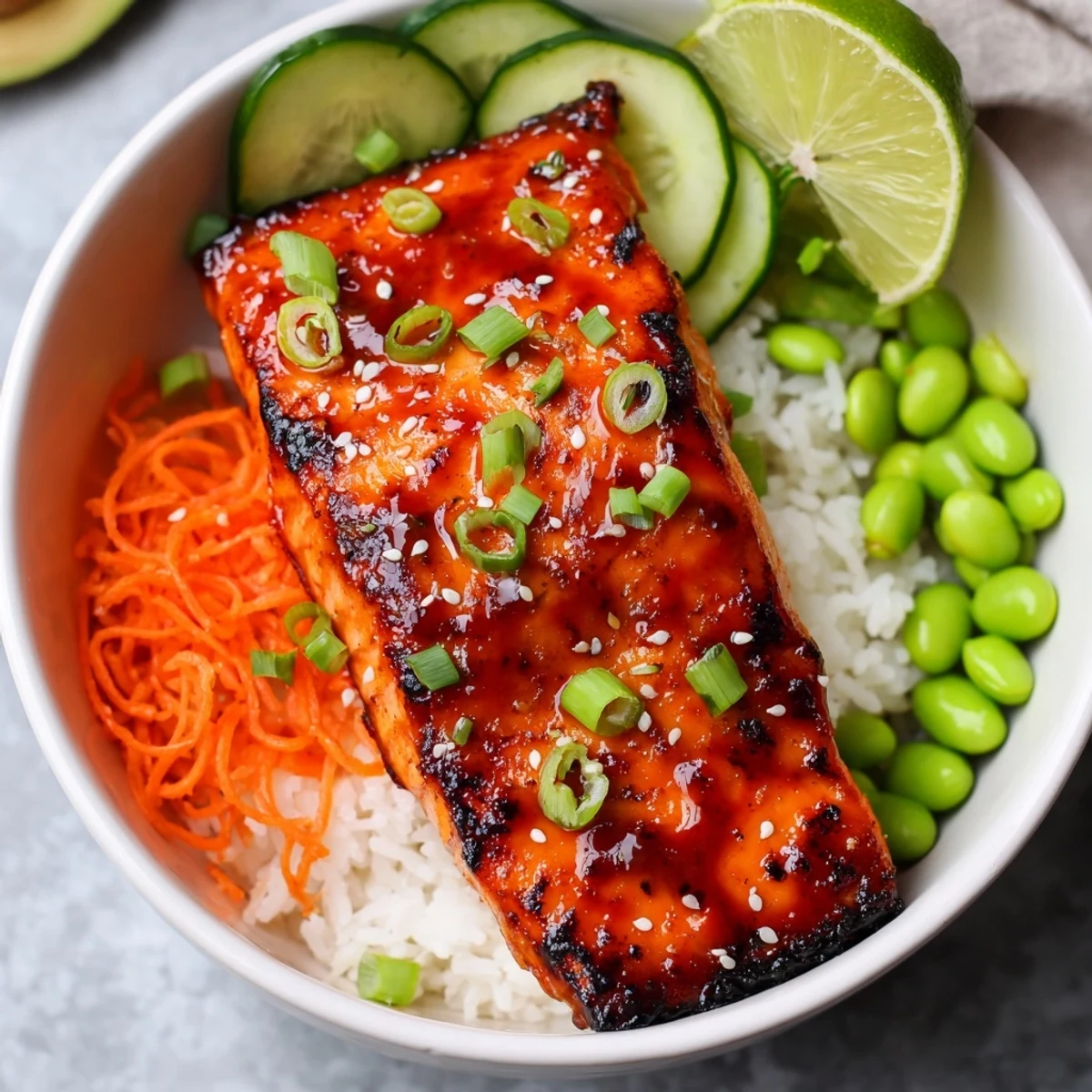
Save These sriracha honey glazed salmon bowls bring together the perfect balance of sweet and spicy flavors in under 35 minutes.
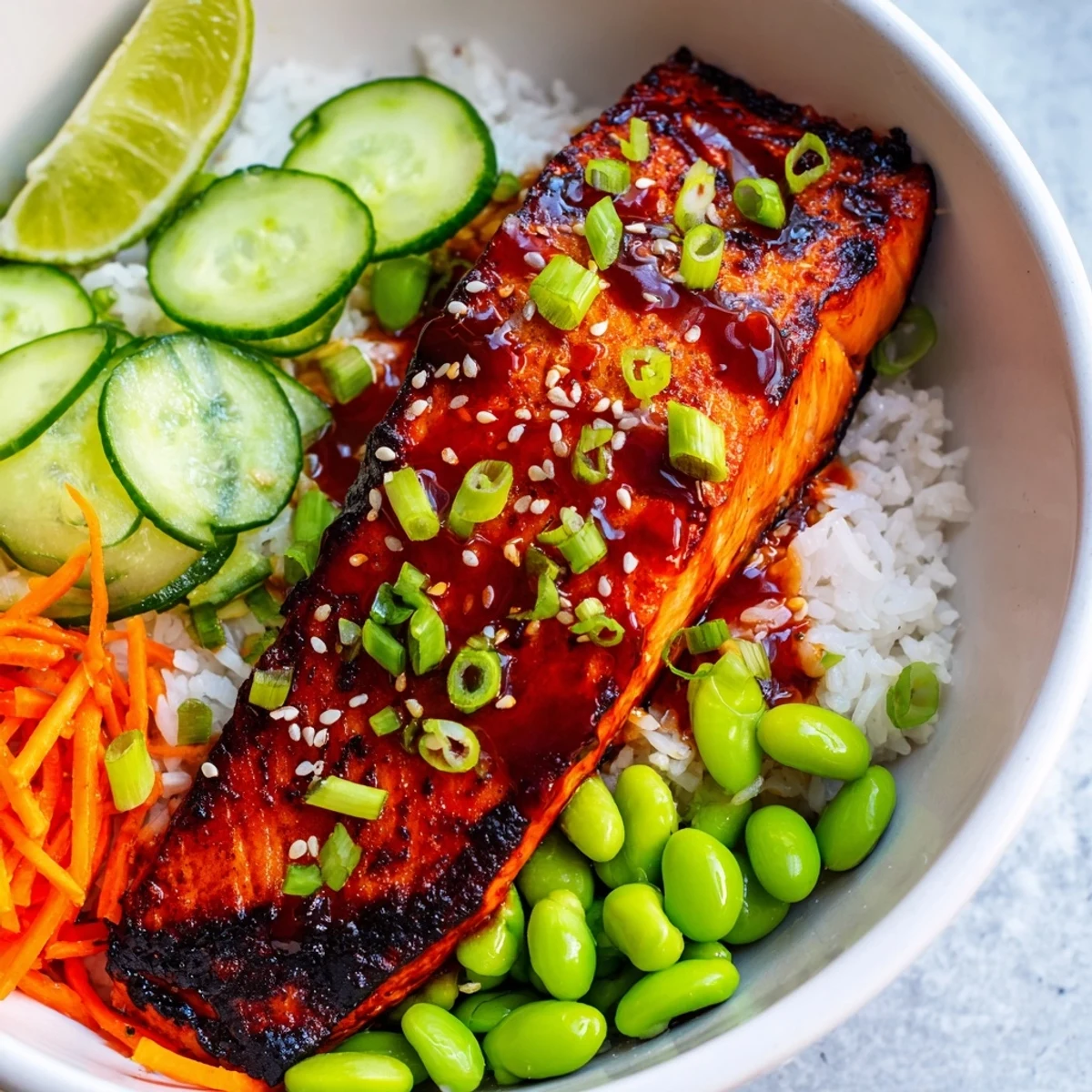
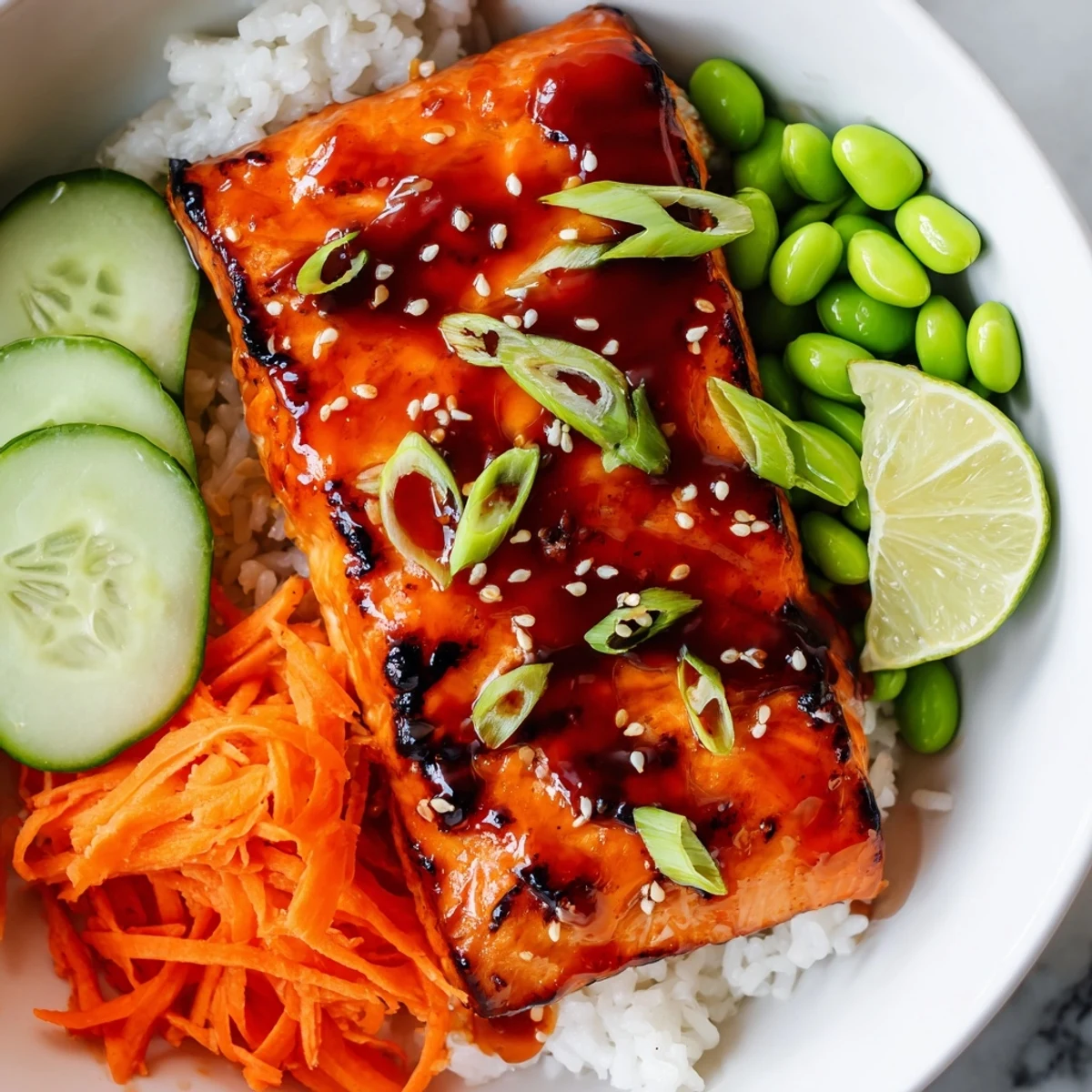
Succulent salmon fillets are baked with a sticky sriracha honey glaze, then served over fluffy steamed rice alongside crisp cucumber, shredded carrots, and tender edamame.
The glaze combines honey, sriracha, soy sauce, rice vinegar, garlic, and ginger into a rich, caramelized coating. Garnished with green onions, sesame seeds, and a squeeze of fresh lime, each bowl delivers bold Asian-inspired flavors with minimal prep work.
The smell of caramelized honey and sriracha hitting a hot oven is the kind of thing that makes everyone wander into the kitchen asking what is for dinner. I threw this together on a rainy Tuesday when the fridge offered nothing but salmon and condiments, and it has been on weekly rotation ever since. The balance of sweet heat against cool crisp vegetables is genuinely addictive.
My roommate once stood over the oven with a spoon, eating the leftover glaze straight from the pan before I could drizzle it on the bowls. I learned to always make extra after that night.
Ingredients
- Salmon fillets (4, about 150 g each): Skin off or on works but skinless gives you more surface area for that gorgeous caramelized glaze.
- Olive oil (1 tbsp): Just enough to help the seasoning stick and keep the fish from drying out.
- Honey (3 tbsp): The backbone of the glaze, it thickens beautifully in the oven and tames the sriracha heat.
- Sriracha sauce (2 tbsp): Adjust up or down depending on your spice tolerance.
- Low sodium soy sauce (2 tbsp): Adds depth and salt without overpowering the sweetness.
- Rice vinegar (1 tbsp): A little acidity brightens the whole glaze and cuts through richness.
- Garlic (1 clove, minced): Fresh is best here because the flavor blooms as the glaze simmers.
- Fresh ginger (1 tsp, grated): Adds warmth and a subtle bite that ties everything to the Asian flavor profile.
- Cooked white or brown rice (2 cups): Brown rice adds nuttiness but white rice soaks up the glaze like a sponge.
- Cucumber (1 cup, thinly sliced): Cool crunch that balances the spicy glazed fish perfectly.
- Shredded carrots (1 cup): A pop of color and sweetness that rounds out the bowl.
- Edamame (1 cup, shelled and cooked): Brings plant protein and a satisfying tender bite.
- Green onions (2, thinly sliced): A fresh sharp finish on top of everything.
- Sesame seeds (1 tbsp): Toast them if you have an extra minute because it makes a real difference.
- Fresh cilantro or mint (optional): Either herb works beautifully so use whichever you have on hand.
- Lime wedges: Do not skip these because a squeeze of lime at the end ties the whole bowl together.
Instructions
- Preheat and prepare:
- Set your oven to 200C (400F) and line a baking tray with parchment paper so cleanup is effortless.
- Simmer the glaze:
- Combine honey, sriracha, soy sauce, rice vinegar, garlic, and ginger in a small saucepan over medium heat, stirring until it bubbles and thickens slightly, about 2 to 3 minutes.
- Season the salmon:
- Pat the fillets dry with paper towels, brush with olive oil, and give them a light shower of salt and pepper before arranging on the tray.
- Glaze the fillets:
- Brush each piece of salmon generously with the glaze, making sure to save some for drizzling at the end.
- Bake until perfect:
- Roast for 12 to 15 minutes until the fish flakes easily with a fork, and hit the broiler for the last minute or two if you want those sticky caramelized edges.
- Build your bowls:
- Spoon rice into each bowl, arrange cucumber, carrots, and edamame around the edges, and lay a glazed salmon fillet right in the center.
- Finish and serve:
- Drizzle with the reserved glaze, scatter green onions, sesame seeds, and herbs over the top, and hand everyone a lime wedge to squeeze over it all.
 Save
Save The first time I served these bowls at a small dinner party, the conversation completely stopped for a solid two minutes while everyone ate. That silence is the highest compliment a home cook can get.
Smart Swaps and Additions
Quinoa works brilliantly in place of rice if you want extra protein, and avocado slices add a creamy richness that plays beautifully with the spicy glaze. Radishes are an unexpected but wonderful crunchy addition.
Allergen Friendly Adjustments
Swap soy sauce for tamari to make this completely gluten free, and always check your sriracha label because some brands contain hidden gluten. This dish is naturally pescatarian and dairy free.
Wine Pairing and Leftover Ideas
A crisp Sauvignon Blanc cuts right through the sweetness and heat of the glaze. Leftover salmon flakes beautifully cold over a salad the next day if you are lucky enough to have any left.
- Chill leftover glaze in a jar and reuse it on chicken thighs later in the week.
- Leftover bowls make an excellent cold lunch straight from the fridge.
- Always store salmon and rice separately so textures stay at their best.
 Save
Save Once you taste that sticky sweet heat over perfectly roasted salmon, this bowl will become a regular in your kitchen too. Enjoy every last bite.
Common Recipe Questions
- → Can I use frozen salmon fillets instead of fresh?
-
Yes, frozen salmon works well. Thaw it completely in the refrigerator overnight and pat it dry thoroughly before glazing to ensure proper caramelization.
- → How do I adjust the spice level of the sriracha honey glaze?
-
For milder heat, reduce the sriracha to one tablespoon and add an extra tablespoon of honey. For more intensity, increase the sriracha up to three tablespoons or add a pinch of red pepper flakes.
- → What can I substitute for soy sauce to make this gluten-free?
-
Use tamari or coconut aminos as a direct replacement for soy sauce. Both provide similar umami depth while remaining gluten-free.
- → Can I meal-prep these salmon bowls ahead of time?
-
You can prepare the glaze, cook the rice, and chop vegetables up to two days in advance. Cook the salmon fresh when ready to serve for the best texture and flavor.
- → What other grains work well as a base instead of rice?
-
Quinoa, farro, cauliflower rice, or soba noodles all work as excellent bases. Quinoa adds extra protein, while cauliflower rice keeps the bowl lighter and lower in carbohydrates.
- → How do I know when the salmon is fully cooked?
-
The salmon is done when it flakes easily with a fork and reaches an internal temperature of 63°C (145°F). Avoid overcooking to keep the fillets moist and tender.