
 Save
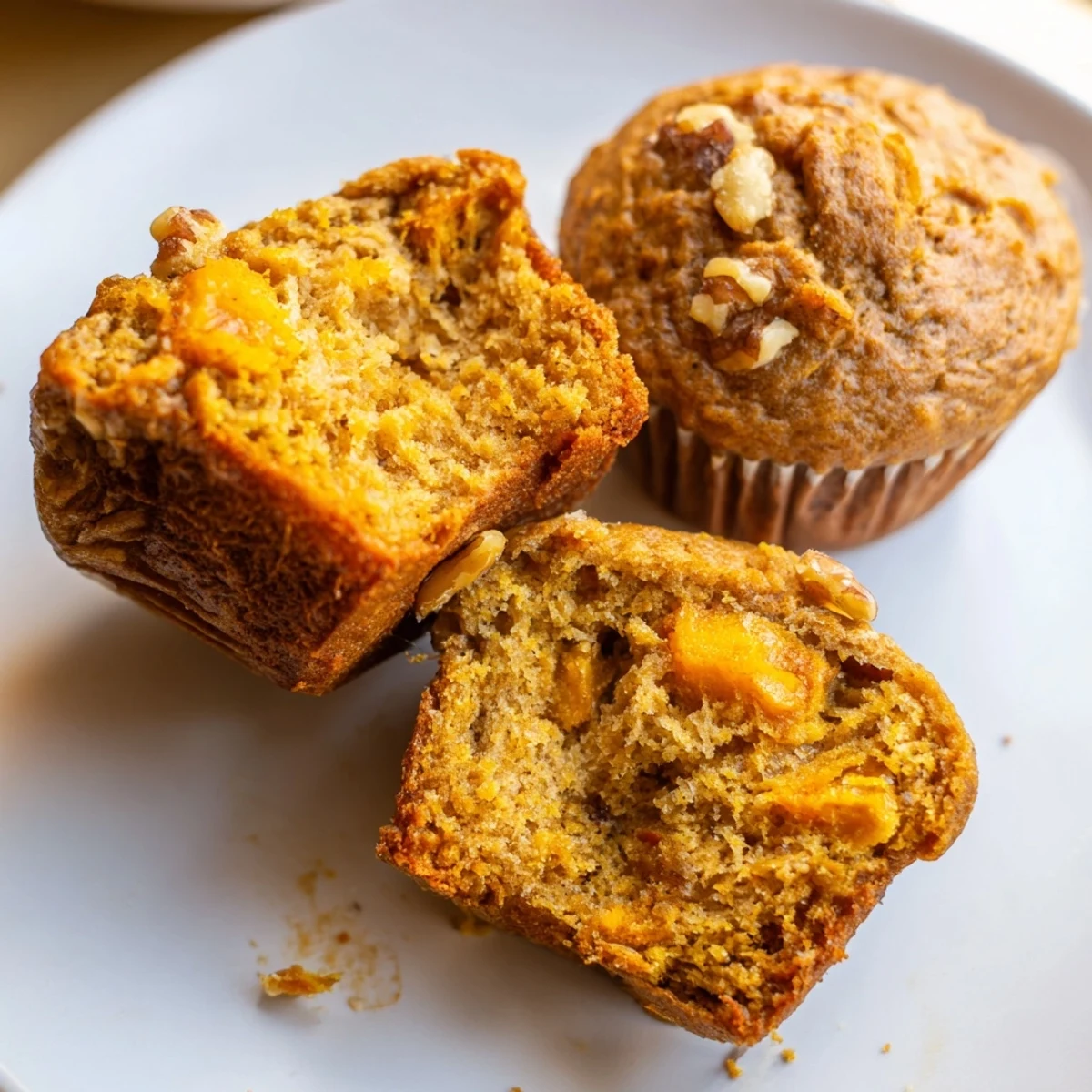
Save These moist butternut squash and banana muffins combine roasted squash puree with mashed ripe bananas, brown and granulated sugars, eggs and oil for a tender crumb. Cinnamon and nutmeg add warming spice; fold in chopped walnuts or chocolate chips if desired. Mix gently, portion into 12 cups and bake at 350°F for 22-25 minutes until a toothpick comes out clean. Cool briefly in the pan then transfer to a rack.
The kitchen smelled like autumn even though it was barely September, all because I had a lone butternut squash sitting on the counter and three bananas going brown faster than I could eat them. Rather than choose between squash bread and banana muffins, I dumped both into the same bowl and hoped for the best. What came out of the oven was something I genuinely did not expect: golden, domed little cakes with a crumb so tender it barely held together. I ate two standing at the counter before they were even cool.
My neighbor Carla stopped by the afternoon I made my second batch, drawn in by the cinnamon drifting through the screen door. She stood in the kitchen eating one with coffee, asked for the recipe, and then stood there eating a second one without breaking eye contact. That silent second muffin was the most honest compliment I have ever received.
Ingredients
- Butternut squash puree (1 cup): Roasting the squash yourself instead of boiling it concentrates the sugars and keeps the puree thick, which matters more than you think.
- Ripe bananas, mashed (2): The blacker the peel, the sweeter and more fragrant your muffins will be, so dont be afraid of bananas that look past their prime.
- All-purpose flour (2 cups): Spoon it into the measuring cup and level with a knife, because packed flour will leave you with dense, heavy muffins.
- Baking powder (1 tsp) and baking soda (1 tsp): The soda reacts with the natural acidity of the squash and bananas, while the powder gives an extra lift in the oven.
- Salt (1/2 tsp): This small amount sharpens every spice and keeps the sweetness from tasting flat.
- Ground cinnamon (1 tsp) and ground nutmeg (1/2 tsp): Freshly grated nutmeg will knock your socks off compared to the dusty jar at the back of your cupboard.
- Large eggs (2): Room temperature eggs blend more smoothly into the batter and help with rise.
- Brown sugar, packed (1/2 cup) and granulated sugar (1/4 cup): The brown sugar brings molasses depth, while the white sugar keeps the crumb lighter.
- Vegetable oil or melted coconut oil (1/3 cup): Oil keeps these muffins softer for longer than butter ever could.
- Pure vanilla extract (1 tsp): A real splash of good vanilla rounds out the warm spices like nothing else.
- Chopped walnuts or pecans (1/2 cup, optional): Toast them lightly in a dry pan first and you will wonder why you ever skipped this step.
- Chocolate chips (1/2 cup, optional): Semi-sweet chips melt into little pockets that pair surprisingly well with the earthy squash.
Instructions
- Get your oven ready:
- Preheat to 350F (175C) and line your muffin pan with paper liners, or give each cup a quick spray with baking spray so nothing sticks later.
- Whisk the dry team:
- In a large bowl, whisk together the flour, baking powder, baking soda, salt, cinnamon, and nutmeg until evenly distributed and there are no tiny lumps hiding in the corners.
- Bring the wet ingredients together:
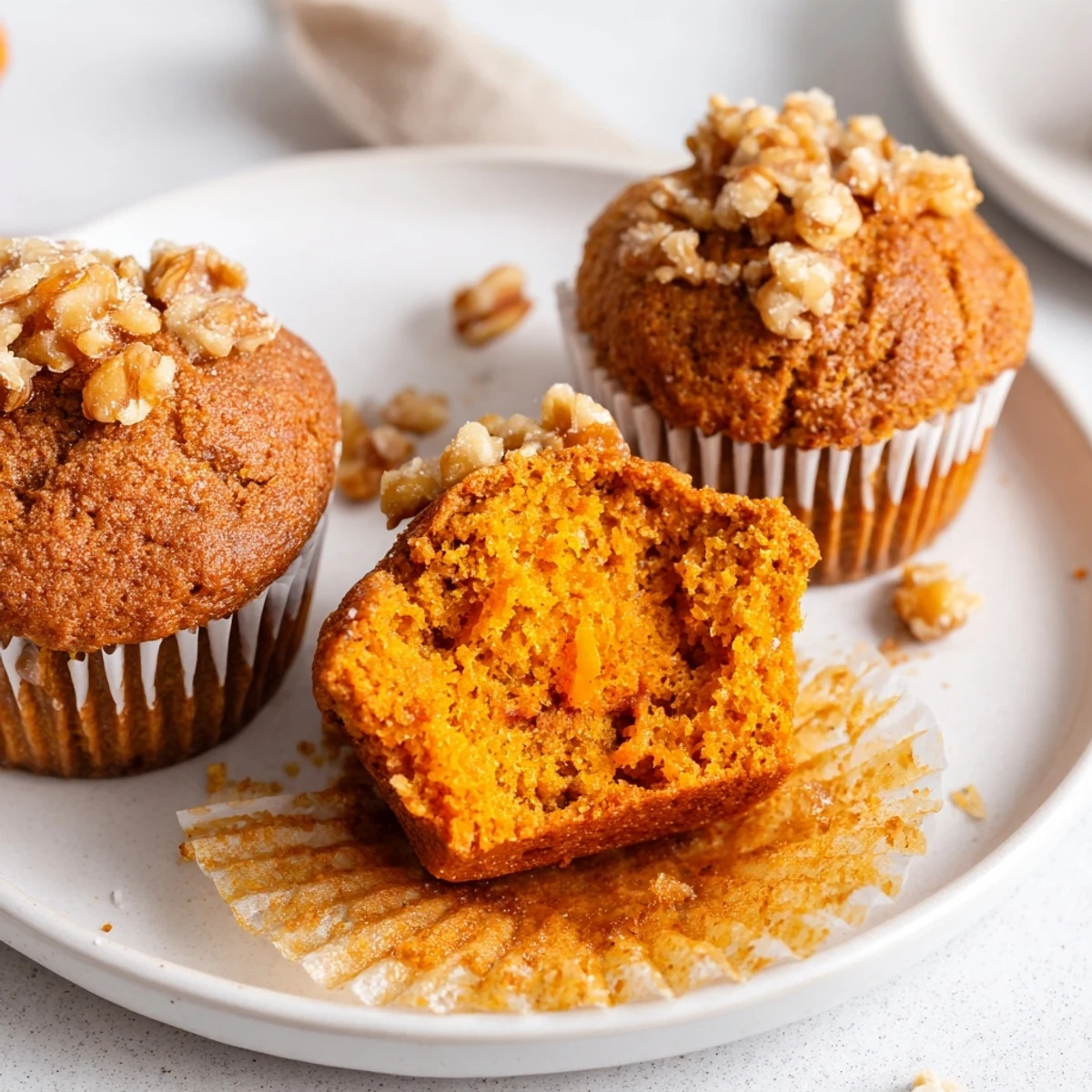
- In a medium bowl, beat the eggs with both sugars until smooth and slightly thickened, then stir in the oil, vanilla, mashed bananas, and squash puree until everything looks like a sunset orange batter.
- Marry wet and dry:
- Pour the wet mixture into the dry and fold gently with a spatula just until you stop seeing dry flour spots, because overmixing is the fastest path to tough, rubbery muffins.
- Fold in the extras:
- If you are using nuts or chocolate chips, fold them in now with just two or three gentle strokes so they stay distributed without overworking the batter.
- Fill the cups:
- Divide the batter evenly among the 12 cups, filling each about three quarters full, and dont worry if they look a little rustic on top because that is part of the charm.
- Bake and test:
- Bake for 22 to 25 minutes, checking with a toothpick around the 22 minute mark, and pull them out the moment it comes out clean or with just a few moist crumbs.
- Cool with patience:
- Let the muffins sit in the pan for 5 minutes to firm up, then transfer them to a wire rack to finish cooling so the bottoms dont steam and get soggy.
 Save
Save The batch I made for a school bake sale disappeared in under ten minutes, and one parent tracked me down in the parking lot to ask what bakery I had ordered from. Telling her they came from a couple of aging bananas and a leftover squash felt like revealing a magic trick.
Making Your Own Squash Puree
Peel and cube a medium butternut squash, spread the pieces on a lined baking sheet, and roast at 400F (200C) for about 30 minutes until they caramelize at the edges. Let everything cool, then blend until velvety smooth, and if it seems too wet, let the puree drain through a fine mesh sieve for fifteen minutes before measuring. The roasted flavor you get from this method is worlds away from anything canned, and you can freeze extra puree in ice cube trays for future batches.
Swapping for Whole Wheat
Replacing half the all purpose flour with whole wheat adds a subtle nuttiness and a fiber boost without making the muffins heavy or grainy. Go any further than a fifty fifty split and you will start to notice a denser crumb that leans more toward muffin than treat. I tested a full whole wheat version once and while they tasted fine, the texture was decidedly more earnest than delightful.
Storage and Freezing
These muffins stay soft at room temperature in an airtight container for up to three days, though they rarely last that long in my house. For longer storage, freeze them individually wrapped in parchment and tucked into a freezer bag, then pull them out one at a time for a quick thaw on the counter or a warm up in the toaster oven.
- A quick sprinkle of rolled oats or sunflower seeds on top before baking adds a beautiful crunch and makes them look like they came from a bakery.
- If you want a taller dome, let the filled muffin pan rest on the counter for ten minutes before it goes into the oven.
- Always label your frozen stash with the date, because three month old muffins masquerading as fresh is a disappointment nobody needs.
 Save
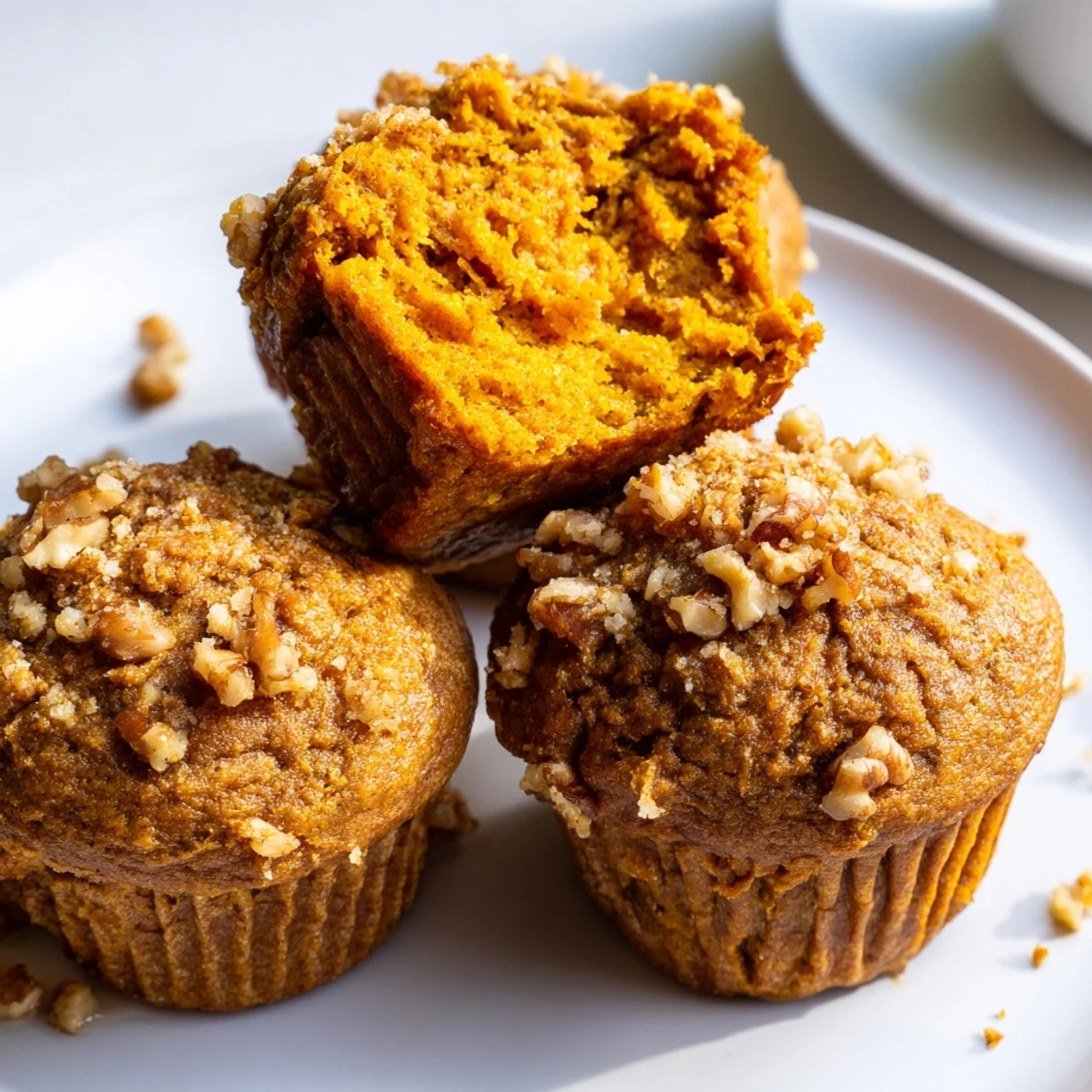
Save There is something deeply satisfying about transforming a lopsided squash and a few bruised bananas into something people actually get excited about. Keep this recipe in your back pocket for the next time your fruit bowl starts looking questionable.
Common Recipe Questions
- → How do I make the butternut squash puree?
-
Peel and cube the squash, roast at 400°F (200°C) for about 30 minutes until tender, then blend or mash until smooth. Drain any excess liquid if needed to avoid thinning the batter.
- → Can I substitute canned squash or pumpkin?
-
Yes, canned squash or pumpkin can be used as a shortcut. Because moisture levels vary, reduce other liquids slightly and check batter consistency so it isn’t too loose.
- → How do I keep the muffins tender and moist?
-
Use oil or melted coconut oil, include mashed banana and brown sugar for moisture, and avoid overmixing the batter. Remove from the oven as soon as a toothpick comes out clean to prevent drying.
- → What flour substitutions work here?
-
Substitute half the all-purpose flour with whole wheat for more fiber. For gluten-free, use a 1:1 gluten-free flour blend that contains xanthan or guar gum and expect slight texture differences.
- → How should I test doneness?
-
Insert a toothpick into the center of a muffin—if it comes out clean or with a few moist crumbs, they’re done. The tops should be lightly golden and spring back when touched.
- → How long do these muffins keep and can they be frozen?
-
Store cooled muffins in an airtight container at room temperature for 2-3 days or refrigerate for up to a week. For longer storage, freeze in a single layer then transfer to a freezer bag; thaw at room temperature or warm gently.