
 Save
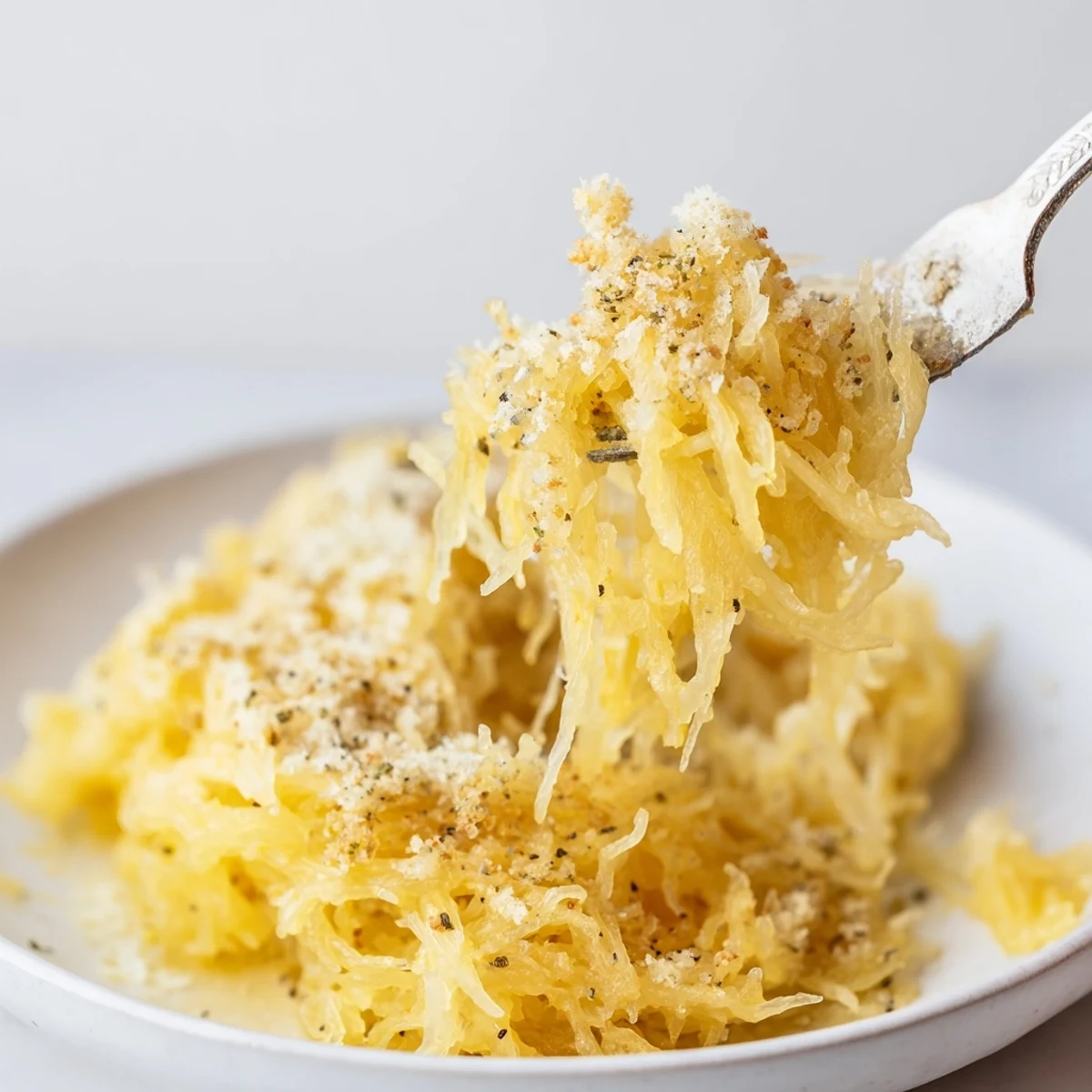
Save Roast halved spaghetti squash at 400°F until fork-tender, then shred the flesh into spaghetti-like strands. Make a smooth cheese sauce by whisking flour into melted butter, adding milk, simmering until thick, and stirring in cheddar and Parmesan with garlic and mustard powders. Toss strands with the sauce, transfer to a baking dish if desired, top with panko-Parmesan, and broil briefly for a golden finish. Swap cheeses, add vegetables or protein, and use gluten-free flour and crumbs to keep it gluten-free.
The squash sat on my counter for three days before I worked up the courage to cut into it, mostly because someone once told me it was like splitting a bowling ball. Turns out a sharp knife and a little confidence go a long way, and what emerged from the oven was nothing short of a tiny miracle. Those golden strands, tangled up in cheese sauce, convinced a room full of skeptics that vegetables could indeed comfort you. This dish has been on heavy rotation ever since that first brave slice.
My friend Laura stopped by unexpectedly one rainy Tuesday and watched me wrestle with what she called the strangest looking vegetable she had ever seen. Forty minutes later she was standing over the baking dish with a fork, asking if it was really okay to eat straight from the pan. We never made it to the table that night.
Ingredients
- 1 large spaghetti squash, about 2.5 to 3 pounds: Pick one that feels heavy for its size with a firm, pale yellow skin and no soft spots.
- 2 tablespoons unsalted butter: This forms the base of your roux so use good quality butter if you have it.
- 2 tablespoons gluten free all purpose flour: Regular flour works too if gluten is not a concern for you.
- 1 1/4 cups whole or 2 percent milk: Whole milk gives a richer sauce but two percent still does the job admirably.
- 1 cup shredded sharp cheddar cheese: Shred it yourself from a block for the smoothest melt.
- 1/2 cup grated Parmesan cheese: Adds a salty, nutty depth that rounds everything out beautifully.
- 1/4 teaspoon garlic powder: Just enough to whisper savory without taking over.
- 1/4 teaspoon ground mustard: A classic mac and cheese secret that amplifies the cheese flavor.
- 1/4 teaspoon salt and 1/4 teaspoon black pepper: Adjust to taste after the sauce comes together.
- 1/3 cup gluten free panko breadcrumbs: Optional but that crunchy crown is worth the extra step.
- 2 tablespoons grated Parmesan and 1 tablespoon melted butter for topping: Mixed with the panko for a golden, irresistible finish.
Instructions
- Prepare your oven and squash:
- Preheat the oven to 400 degrees Fahrenheit and line a baking sheet with parchment paper. Carefully halve the squash lengthwise with a sharp, sturdy knife, then scoop out the seeds and stringy bits with a spoon.
- Roast until tender:
- Place the halves cut side down on the prepared sheet and roast for 35 to 40 minutes until a fork slides easily through the flesh and the strands separate with a gentle scrape.
- Build the cheese sauce:
- Melt the butter in a medium saucepan over medium heat, whisk in the flour, and cook for one minute. Slowly pour in the milk while whisking constantly, then let it simmer until it thickens enough to coat the back of a spoon.
- Add the cheese and season:
- Remove from heat and stir in the cheddar, Parmesan, garlic powder, ground mustard, salt, and pepper until everything melts into a smooth, velvety sauce that smells absolutely heavenly.
- Shred and combine:
- Run a fork through the roasted squash flesh to create long spaghetti like strands, then transfer them to a large bowl and gently fold in the cheese sauce until every strand is lovingly coated.
- Broil with the topping:
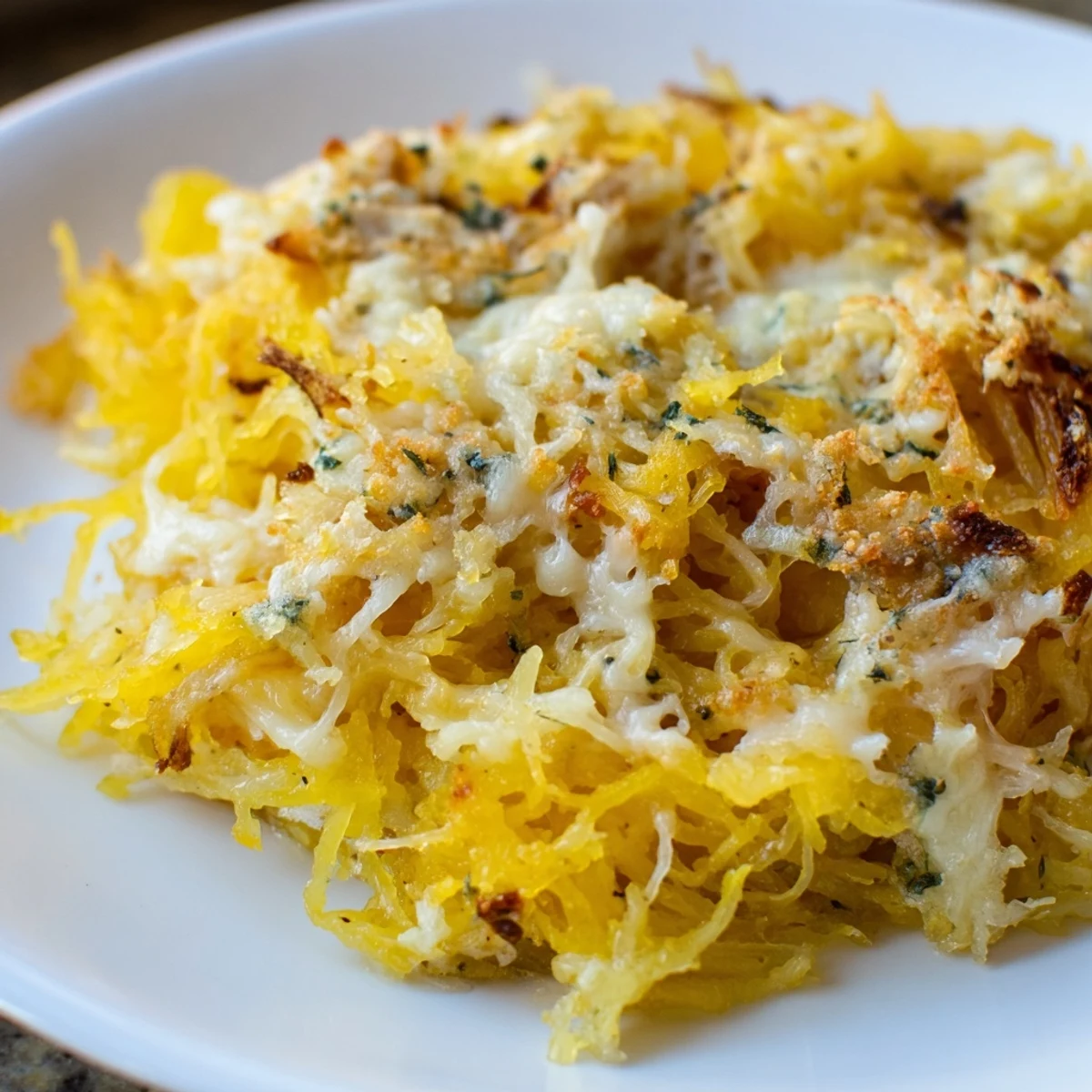
- Spread the mixture in a greased baking dish, scatter the panko and Parmesan mixed with melted butter over the top, and broil on high for two to three minutes until golden and bubbling.
 Save
Save The night my nephew declared this better than real mac and cheese, I nearly fell out of my chair. He was eight at the time and had been lobbying aggressively for the boxed variety all evening, so his conversion felt like a genuine kitchen triumph.
What to Serve Alongside
A simple arugula salad with lemon vinaigrette cuts through the richness beautifully and makes the whole meal feel balanced. I have also been known to serve this with roasted broccoli on the side, which somehow makes the cheese situation even more satisfying.
Making It Your Own
Stirring in sauteed spinach or a handful of peas at the end adds color and a little extra nourishment without disrupting the comfort factor. Swapping half the cheddar for Gruyere elevates the sauce into something that tastes almost decadently restaurant quality.
Storing and Reheating
Leftovers keep well in an airtight container in the refrigerator for up to three days and reheat gently in the oven or microwave without losing much texture. The strands do release some liquid as they sit, so a quick drain before reheating helps maintain that just made creaminess.
- A splash of milk stirred in while reheating brings the sauce back to life.
- Freezing is possible but the texture softens, so it is best enjoyed fresh or from the fridge.
- Always taste for salt after reheating because cold temperatures mute flavors.
 Save
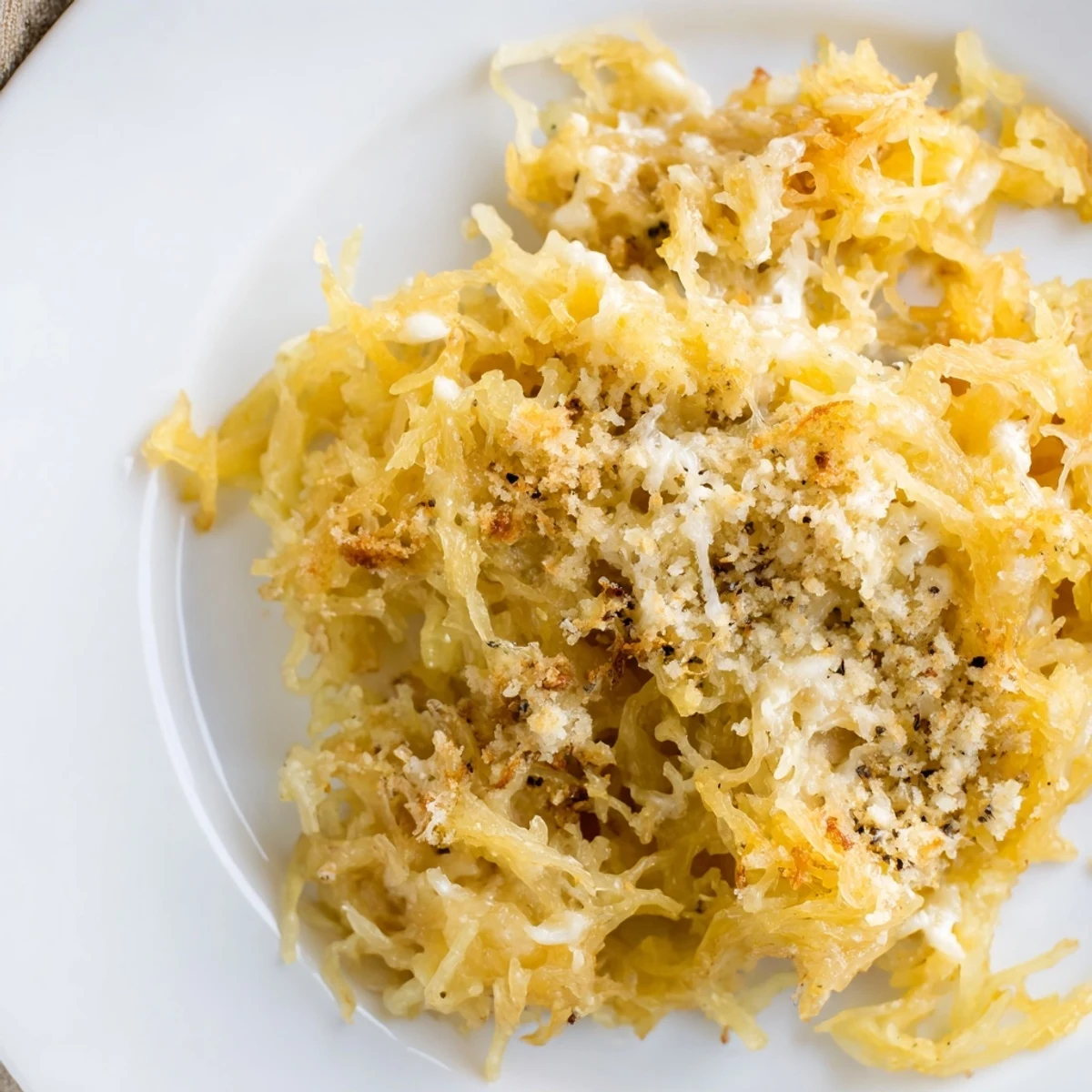
Save This is the kind of recipe that makes you feel clever in the kitchen, like you have discovered a wonderful little secret between a vegetable and a block of cheese. Share it generously and watch the skeptics come around.
Common Recipe Questions
- → How long should I roast spaghetti squash?
-
Roast at 400°F (200°C) for 35–40 minutes, cut-side down, until the flesh is fork-tender and separates into strands. Smaller squash may take less time; test by shredding with a fork.
- → Can I make this gluten-free?
-
Yes. Substitute gluten-free all-purpose flour for the roux and use gluten-free panko for the topping, or omit the topping altogether. Always check labels for cross-contamination.
- → What cheeses work best?
-
Sharp cheddar and grated Parmesan create a classic tang and depth. For extra complexity, fold in Gruyère or fontina, or use a mix to balance creaminess and melt.
- → How do I prevent a watery finish?
-
Drain any excess liquid after shredding the squash and make sure the cheese sauce is thick enough to coat strands. Cook the sauce until it just thickens, then combine gently to avoid releasing more moisture.
- → Can I add vegetables or protein?
-
Absolutely. Stir in cooked broccoli, sautéed spinach, peas, cooked chicken, or chickpeas to boost texture and nutrition. Add ingredients that are already cooked so they warm through without overcooking.
- → How do I get a crunchy topping?
-
Mix panko with grated Parmesan and melted butter, sprinkle evenly over the top, and broil 2–3 minutes until golden. Watch closely to prevent burning.