
 Save
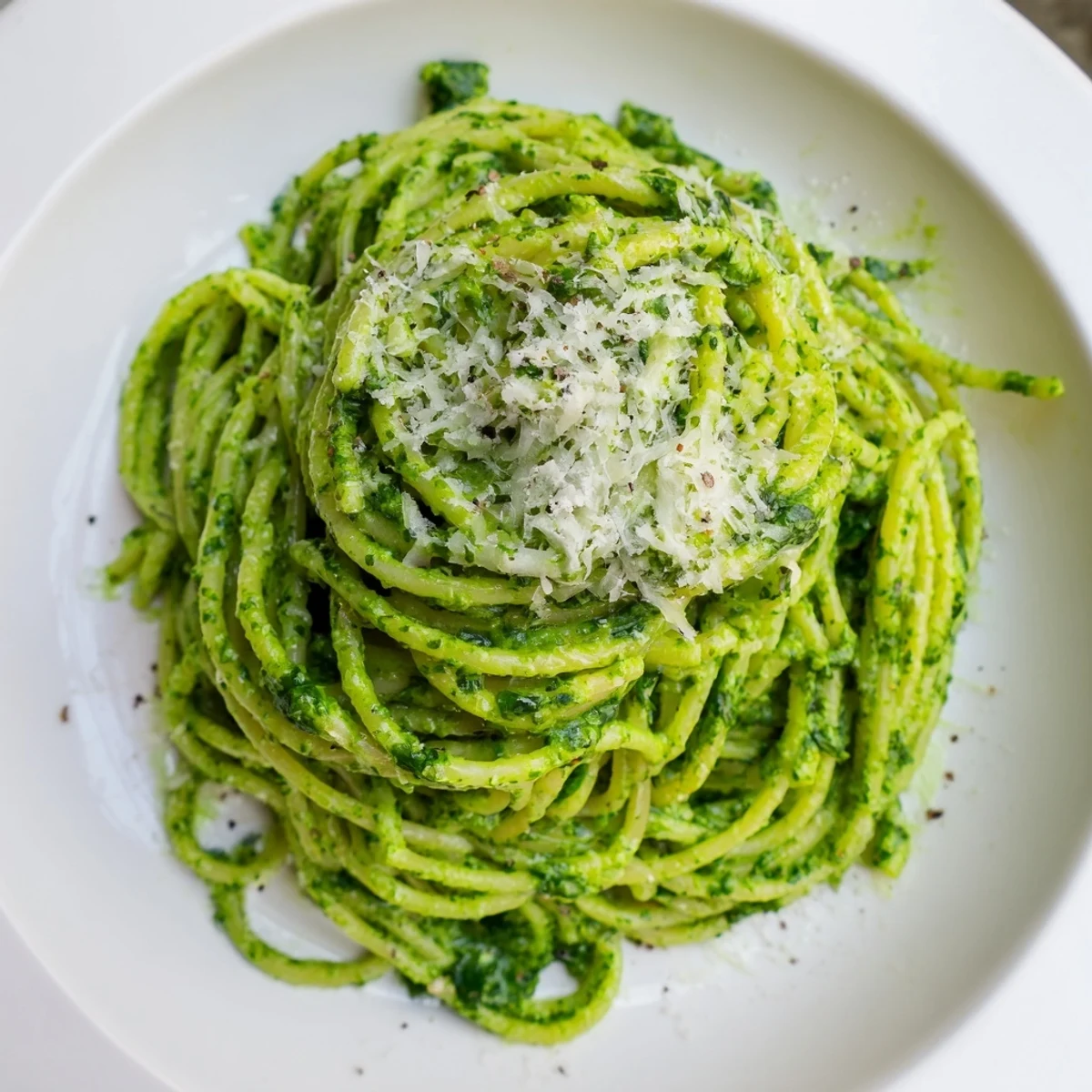
Save This wild garlic pesto pasta brings the best of spring to your plate in just 25 minutes. A handful of wild garlic leaves are blended with toasted pine nuts, Parmesan, and extra virgin olive oil into a silky, vibrant green sauce.
Tossed with perfectly cooked pasta and a splash of starchy cooking water, every strand gets coated in that fragrant, nutty goodness. It's an easy, vegetarian-friendly dish that works as a speedy weeknight dinner or a relaxed weekend lunch.
Top it off with extra grated Parmesan and freshly cracked black pepper, and pair it with a crisp glass of Sauvignon Blanc for a truly satisfying meal.
The smell hit me before I even saw the bag, a pungent, garlicky greenness that filled my entire kitchen within seconds. My neighbor had left a bundle of wild garlic on my doorstep that spring morning, probably tired of it taking over her garden. I stood there holding this leafy bounty, knowing absolutely nothing about what to do with it, but somehow certain that pasta was the answer.
I called my mom that evening, pesto smudged on my chin, and told her I had finally found a use for the stuff growing along the creek behind our house. She laughed and said she had been making it for years, which felt like a small betrayal honestly.
Ingredients
- Wild garlic leaves (75 g): The star of everything here, rinse them well because grit hides in the folds and will ruin your beautiful green paste.
- Toasted pine nuts or walnuts (50 g): Pine nuts give a buttery sweetness, but walnuts add an earthy depth that some people actually prefer.
- Freshly grated Parmesan (50 g): Please grate it yourself from a block, the pre grated stuff contains anti caking agents that make the pesto grainy.
- Garlic clove (1): Just one, because the wild garlic already brings plenty of punch on its own.
- Extra virgin olive oil (100 ml): A good fruity oil makes a difference here since there are so few ingredients competing for attention.
- Lemon juice (from half a lemon): This brightens everything and keeps that vivid green color from turning dull.
- Salt and black pepper: Season gradually and taste as you go, the Parmesan already adds saltiness.
- Dried pasta (400 g): Spaghetti or linguine work beautifully, but honestly any shape you have will soak up the pesto happily.
Instructions
- Get the water going:
- Bring a large pot of generously salted water to a rolling boil and cook your pasta according to the package until just al dente, with a slight bite left in the center. Scoop out half a cup of that starchy pasta water before draining, it is liquid gold for later.
- Build the green goodness:
- Toss the wild garlic leaves, toasted nuts, Parmesan, and garlic clove into a food processor. Pulse until everything is roughly chopped and you can see flecks of vibrant green throughout.
- Stream and blend:
- With the motor running, pour the olive oil in a slow steady stream through the feed tube until a smooth, luminous green paste forms. Squeeze in the lemon juice, season with salt and pepper, and give it a taste.
- Bring it all together:
- Dump the drained pasta back into its pot or a large bowl, add the pesto, and toss vigorously while splashing in small amounts of that reserved pasta water until every strand is coated in a silky, glossy layer.
- Finish and serve:
- Plate immediately with an extra shower of Parmesan and a generous crack of black pepper over each portion. This is best eaten right away while the warmth releases all those incredible aromatics.
 Save
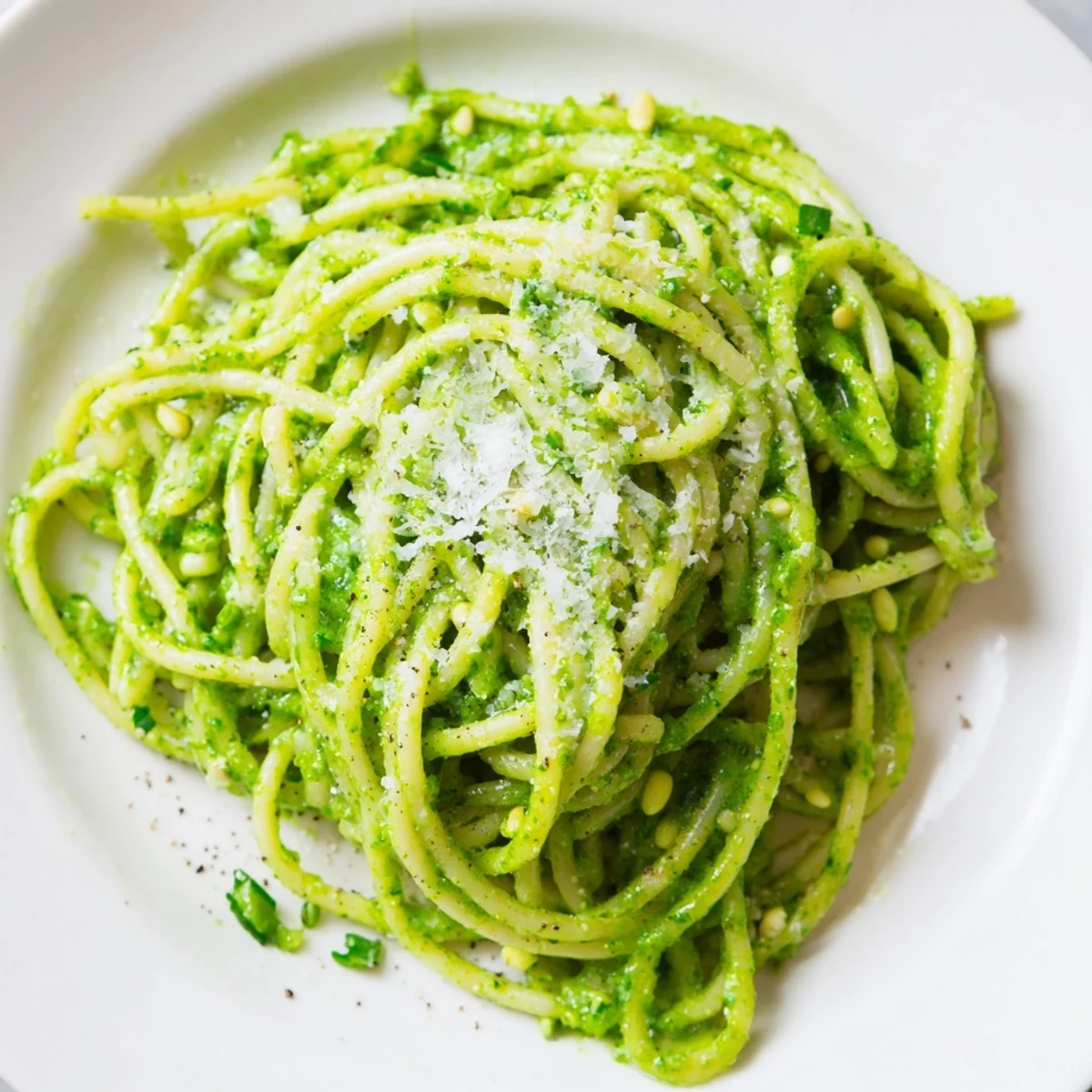
Save That first bowl I made sitting alone at my kitchen counter on a Tuesday night somehow felt like a celebration of something I could not quite name.
A Few Words on Foraging
If you are harvesting wild garlic yourself, always check the leaves carefully for similar looking plants like lily of the valley, which is toxic. The easiest test is the smell, real wild garlic leaves release a strong garlicky aroma when crushed between your fingers.
Storing Your Leftovers
The pesto on its own will keep in a jar in the fridge for up to three days if you press a thin layer of olive oil across the top to seal out the air. I have also frozen it successfully for a month, though the color loses a bit of its electric brightness.
Making It Your Own
This recipe is wonderfully forgiving and adapts to whatever you have tucked in your pantry or fridge. Once you understand the basic ratio of greens to nuts to oil to cheese, you can riff endlessly and still end up with something delicious.
- Swap the Parmesan for nutritional yeast to make it completely vegan without losing that savory depth.
- Toasted almonds or cashews work beautifully if pine nuts make your wallet wince.
- A glass of crisp Sauvignon Blanc alongside turns a random weeknight into something worth remembering.
 Save
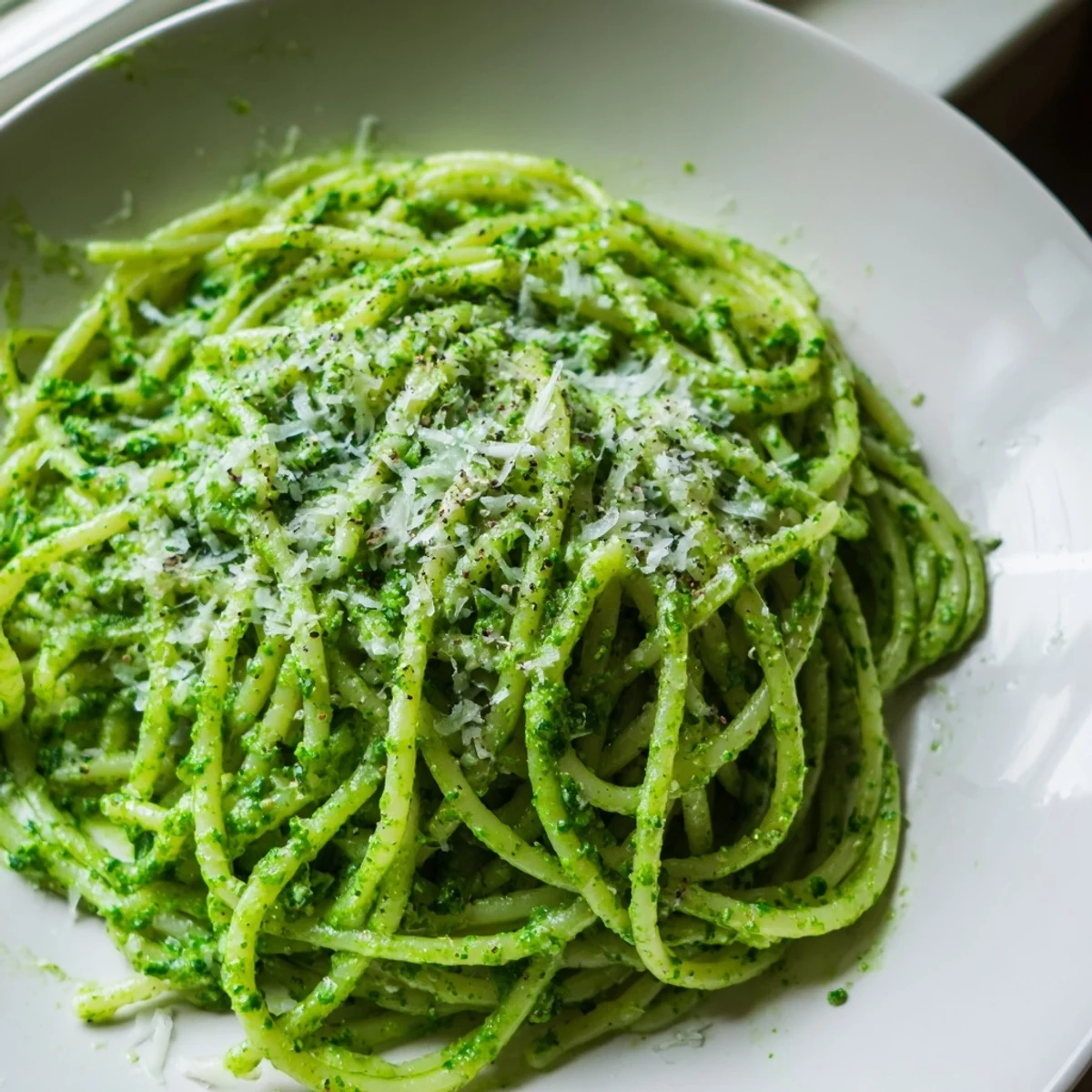
Save Every spring now, I walk that same creek path behind our house with a basket and a sense of purpose my neighbor would probably find amusing. Some recipes just plant themselves in your life like that.
Common Recipe Questions
- → What does wild garlic taste like?
-
Wild garlic has a mild, fresh garlic flavor with subtle hints of chives and spring onions. It's less pungent than regular garlic cloves and brings a delicate, grassy note that works beautifully in pesto.
- → Can I use regular basil pesto instead of wild garlic?
-
Yes, you can substitute wild garlic with basil for a classic pesto pasta. However, wild garlic offers a unique springtime flavor that's worth seeking out during its short season from March to May.
- → Where can I find wild garlic leaves?
-
Wild garlic grows abundantly in damp woodland areas during spring. You can also find it at farmers' markets, specialty greengrocers, or forage it yourself — just be sure to correctly identify it and avoid areas near roads or treated land.
- → How do I store leftover wild garlic pesto?
-
Transfer leftover pesto to an airtight container, press a thin layer of olive oil on top to prevent browning, and refrigerate for up to 3 days. You can also freeze it in ice cube trays for up to 3 months.
- → What pasta shapes work best with this pesto?
-
Long strands like spaghetti or linguine work wonderfully, as the pesto clings evenly to each piece. Short shapes like penne or fusilli are also great — their ridges and curves hold onto the sauce beautifully.
- → Can I make this dish vegan?
-
Absolutely. Swap the Parmesan for nutritional yeast or a plant-based hard cheese alternative. The wild garlic and pine nuts still deliver plenty of savory depth and rich flavor.