
 Save
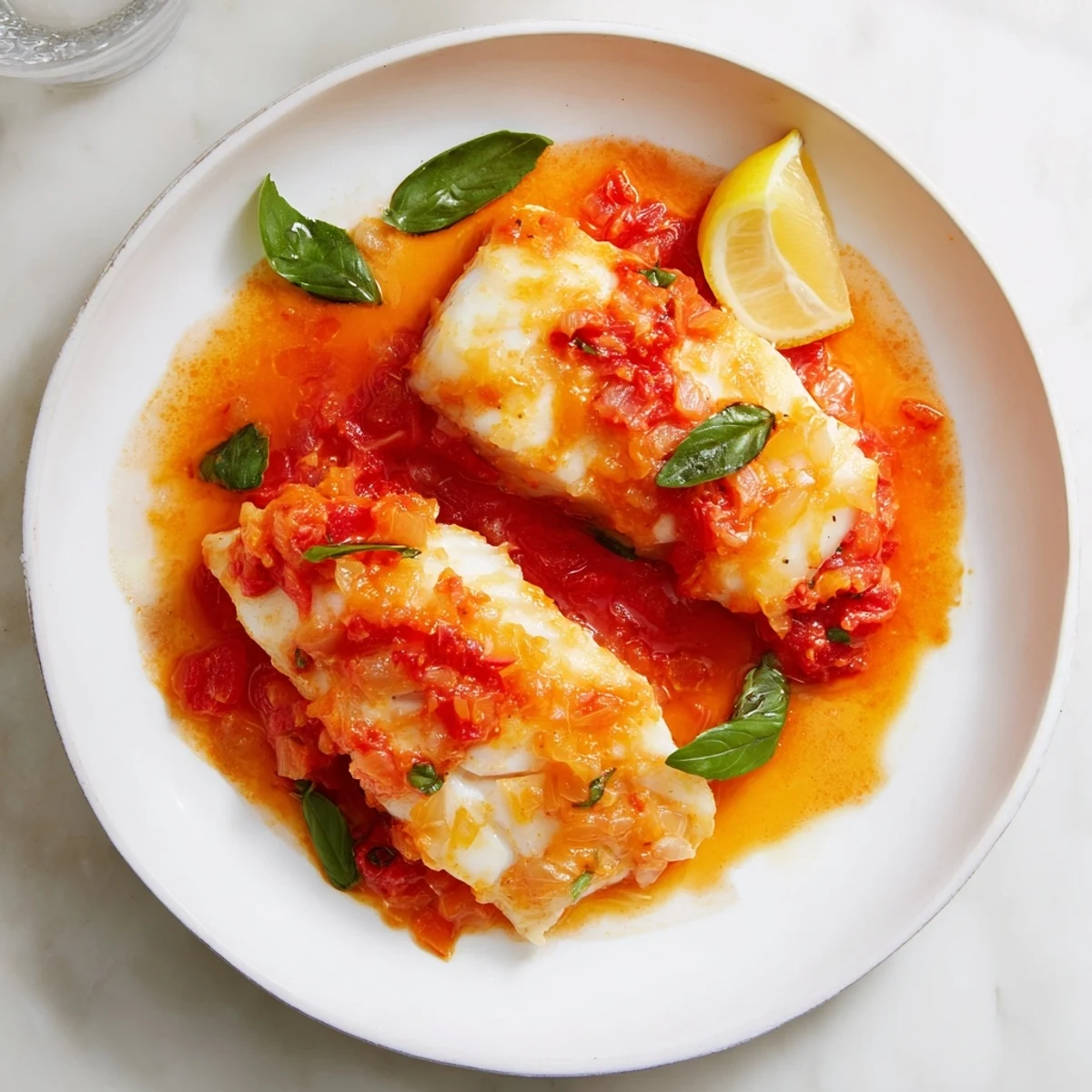
Save This elegant seafood preparation features premium halibut fillets poached in a luscious tomato-butter sauce enriched with garlic, shallots, white wine, and fresh basil. The gentle poaching method ensures the fish remains tender and moist while absorbing the vibrant flavors of the sauce. A final stint on the grill adds subtle smoky notes that complement the sweetness of ripe tomatoes and the rich buttery finish. The dish balances the delicate texture of halibut with the robust, savory notes of the tomato sauce, creating a refined main course perfect for entertaining or special weeknight dinners.
The first time I made this halibut, it was completely by accident. I had intended to grill the fish directly, but a sudden summer rainstorm sent me scrambling for Plan B. The tomato butter sauce was already simmering on the side burner, so I tucked the fillets right in there and covered everything with the grill lid. What emerged was this impossibly tender, flaky fish with the most luxurious velvety sauce Ive ever tasted.
Last summer, I served this at a small dinner party when my friend Sarah was visiting from Seattle. She took one bite and literally stopped talking for a full minute which for Sarah is saying something. Now whenever she comes to town, this halibut is the first thing she requests.
Ingredients
- 4 halibut fillets (6 oz each), skin removed: Halibuts firm texture holds up beautifully to poaching, but cod or sea bass work wonderfully too if you cannot find it.
- 1 tsp kosher salt and 1/2 tsp black pepper: Season both sides generously before cooking. Halibut has a delicate natural sweetness that needs proper seasoning to really shine.
- 3 large ripe tomatoes, peeled seeded and chopped: In peak summer season, use the best tomatoes you can find. Off season, good quality canned tomatoes actually work better than watery grocery store ones.
- 3 tbsp unsalted butter: Add this one tablespoon at a time to create that silky restaurant style emulsion. Room temperature butter incorporates more smoothly.
- 2 cloves garlic and 1 small shallot, finely chopped: These aromatics build the flavor foundation. Do not let them brown or they will turn bitter.
- 1/4 cup dry white wine: Something crisp and dry like a Sauvignon Blanc or Pinot Grigio. Use whatever wine you plan to serve with dinner.
- 2 tbsp fresh lemon juice: Brightens the rich sauce and cuts through the butter. Add it right at the end to preserve that fresh citrus punch.
- 1 tbsp fresh basil, finely chopped: Tear or chop the basil right before adding it. It loses flavor quickly once cut, so save this for the very last moment.
- 1 tbsp olive oil: Use this to sauté your aromatics. A neutral oil works fine, but good olive oil adds another layer of flavor.
- Fresh basil leaves and lemon wedges for serving: These little touches make the dish feel special and give guests something pretty to look at.
Instructions
- Get your grill ready:
- Preheat to medium heat, about 375°F. You want it hot enough to create that smoky environment but not so hot that the sauce scorches.
- Season the fish:
- Pat the halibut dry with paper towels, then sprinkle both sides with salt and pepper. Let it sit while you make the sauce.
- Build your base:
- Heat a grill safe skillet over medium heat with the olive oil. Sauté the shallot and garlic until fragrant, about one minute. You should smell them without seeing any color.
- Add the tomatoes:
- Stir in the chopped tomatoes and cook until they start breaking down, 3 to 4 minutes. The mixture should look thick and chunky, not watery.
- Deglaze the pan:
- Pour in the white wine and lemon juice, letting it bubble until slightly reduced. This should take about 2 to 3 minutes.
- Create the emulsion:
- Reduce heat to low and whisk in the butter one tablespoon at a time. The sauce should become glossy and velvety. Stir in the chopped basil.
- Nestle in the fish:
- Carefully place the seasoned halibut into the sauce, spooning some over the top. The fish should be partially submerged but not completely covered.
- Grill poach it:
- Transfer the skillet to your preheated grill and close the lid. Poach for 8 to 12 minutes, checking after 8 minutes. The fish is done when it flakes easily with a fork.
- Optional grill marks:
- For those pretty char lines, carefully move the fish directly onto the grill grates for one minute per side. Watch closely, it goes fast.
- Plate it up:
- Serve immediately with plenty of that tomato butter sauce spooned over each fillet. Garnish with fresh basil leaves and lemon wedges on the side.
 Save
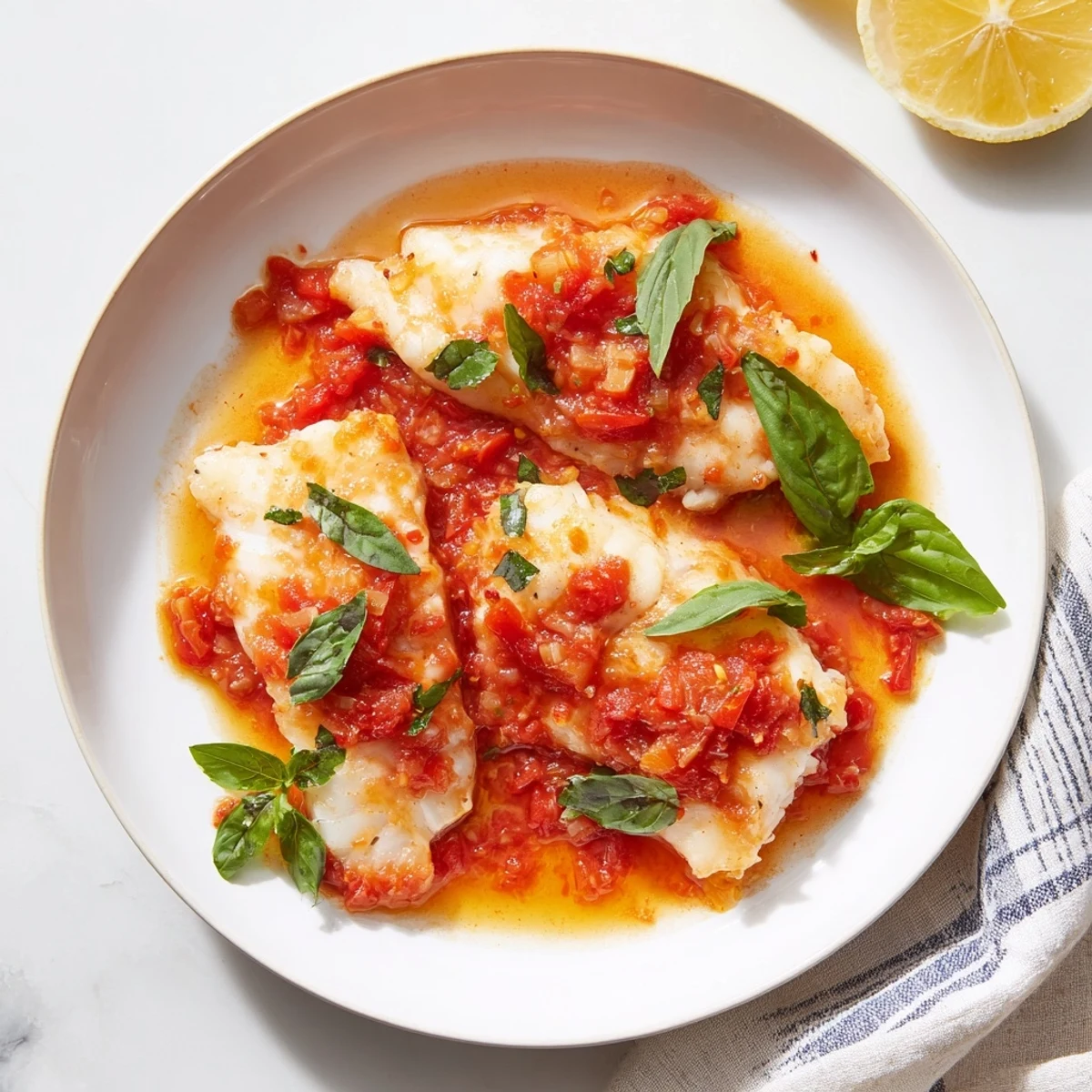
Save My husband usually claims he does not care much for fish, but this recipe changed his mind completely. He actually requested it for his birthday dinner this year, which might be the highest compliment he has ever paid my cooking.
Choosing the Best Fish
Look for halibut that is translucent rather than opaque, with a clean smell that reminds you of the ocean. Avoid fillets that look dry or have any browning around the edges. Fresh halibut season runs from March to November, and that is when you will find the best quality and prices. Frozen halibut works beautifully here, just thaw it slowly in the refrigerator overnight.
Making It Your Own
Once you have made this recipe a few times, you will start seeing opportunities to adapt it. Sometimes I add a splash of heavy cream with the butter for an even richer sauce. Other times, red pepper flakes find their way in when I want some gentle heat. The technique stays the same, but the flavor profile can shift to match whatever mood you are in.
What to Serve Alongside
This fish deserves sides that do not compete with its delicate flavors. Grilled asparagus with a squeeze of lemon works beautifully. A simple arugula salad with a vinaigrette cuts through the richness. Crusty bread is mandatory for sopping up that sauce. For something more substantial, try roasted baby potatoes or fluffy jasmine rice.
- A crisp white wine like Sauvignon Blanc or an unoaked Chardonnay pairs perfectly
- Grilled crusty bread for that sauce is not optional, it is essential
- Keep sides simple so the halibut remains the star of the show
 Save
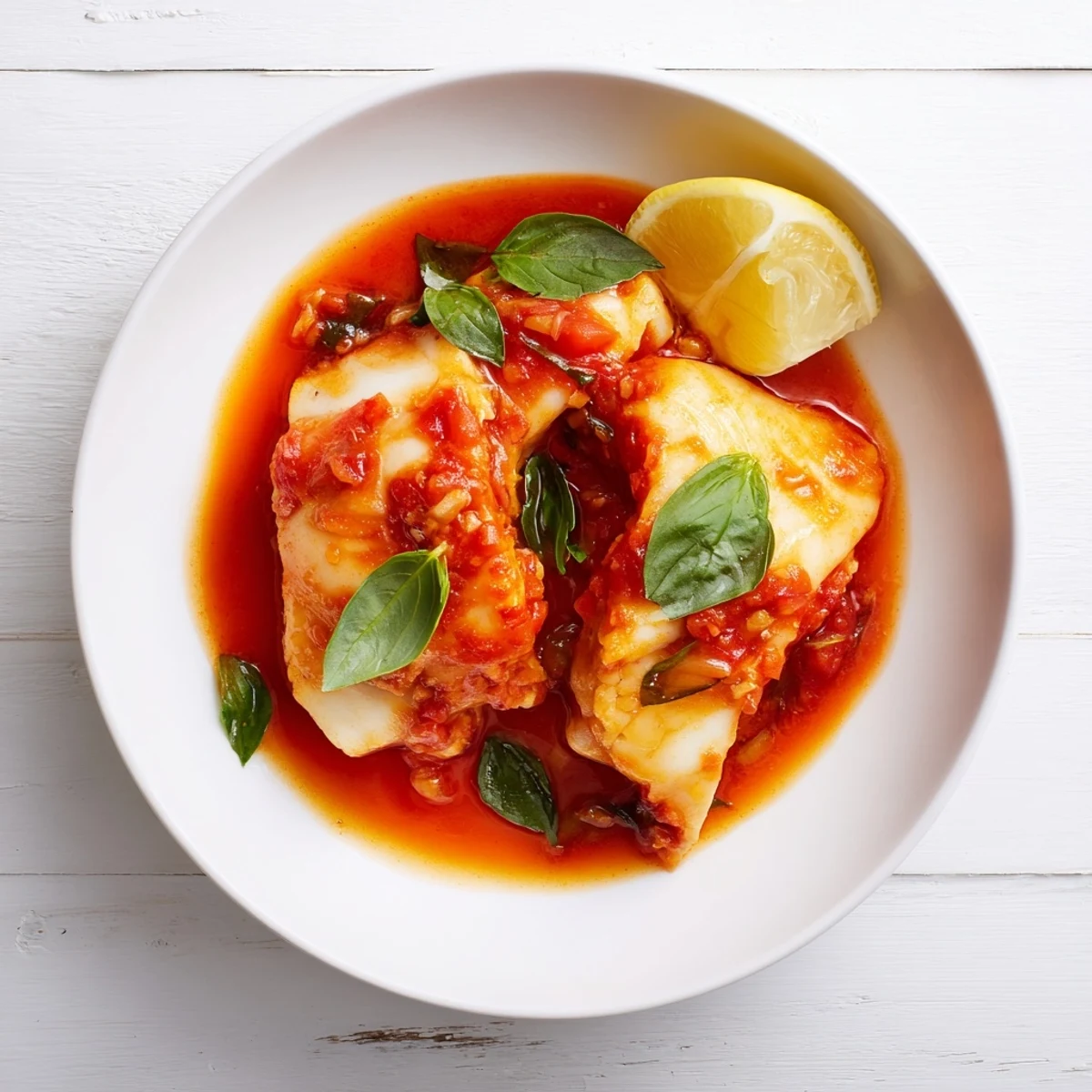
Save There is something deeply satisfying about a recipe that looks impressive but comes together with such ease. This halibut has become my go to for special weeknight dinners, those little celebrations that do not require a table full of guests but still deserve something beautiful on the plate.
Common Recipe Questions
- → Can I use frozen halibut fillets?
-
Yes, frozen halibut works well. Thaw completely in the refrigerator overnight, then pat dry before seasoning. Frozen fish is often flash-frozen at peak freshness, making it a reliable alternative to fresh.
- → What's the purpose of finishing on the grill?
-
The grill adds subtle smoky undertones that enhance the sweetness of the tomato sauce. Optional direct grilling for one minute per side creates attractive grill marks and introduces a light char flavor.
- → Can I prepare this indoors without a grill?
-
Absolutely. Simply complete the entire process on the stovetop in a covered skillet. The poaching in tomato-butter sauce creates the same tender, flavorful result without the grill element.
- → How do I know when the halibut is done?
-
The halibut is ready when it turns opaque throughout and flakes easily with a fork. This typically takes 8-12 minutes depending on fillet thickness. Avoid overcooking to maintain the delicate texture.
- → What sides pair best with this halibut?
-
Grilled asparagus, roasted baby potatoes, or a simple green salad with vinaigrette complement the rich flavors. A glass of chilled Sauvignon Blanc provides a bright, acidic contrast to the buttery sauce.
- → Can I substitute other fish for halibut?
-
Cod, sea bass, or mahi-mahi work beautifully with this preparation. Choose firm, white-fleshed fish that can hold its shape during poaching. Adjust cooking time based on fillet thickness.