
 Save
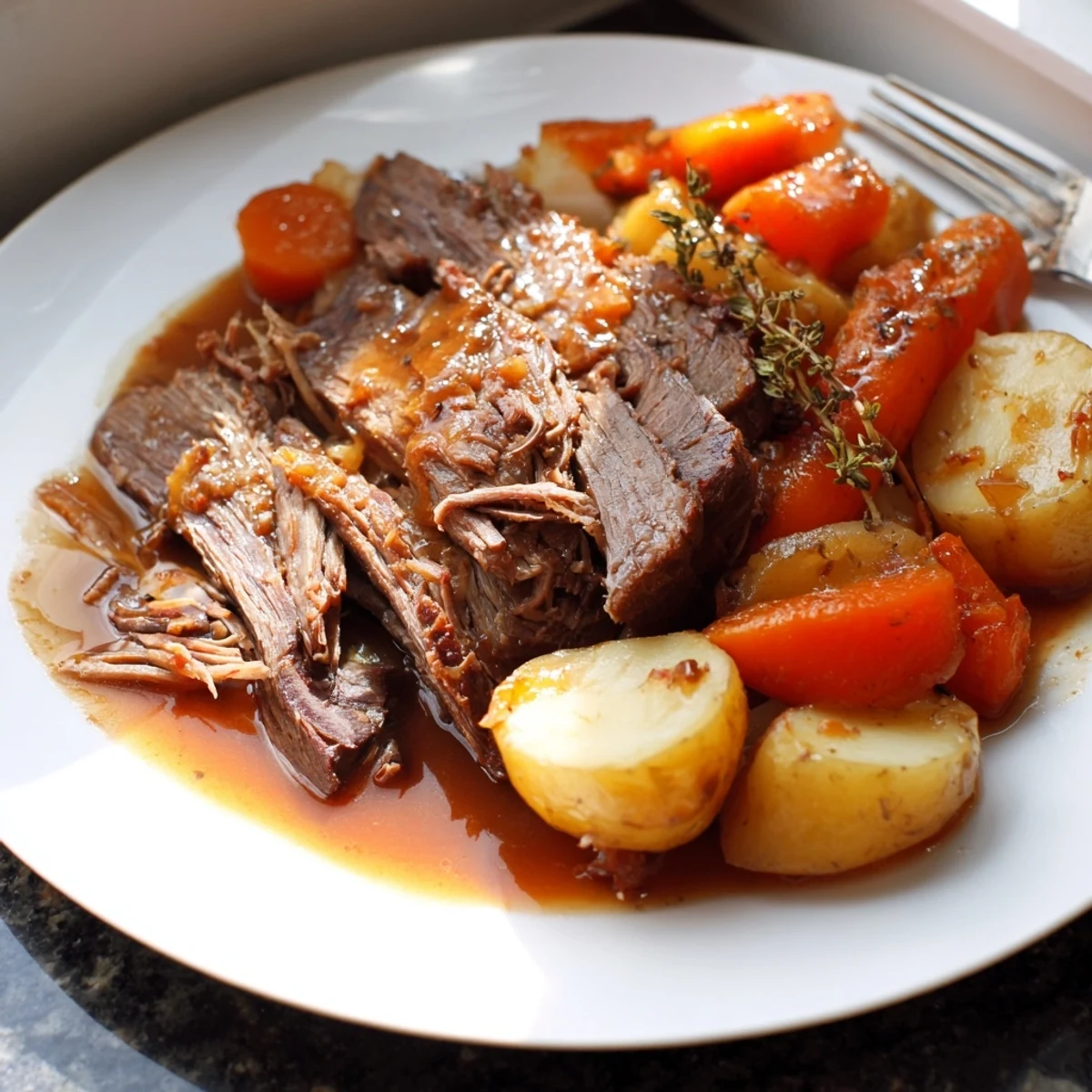
Save This classic American pot roast transforms a humble beef chuck into melt-in-your-mouth perfection through slow braising in the oven. Sear the seasoned roast first to build a deep caramelized crust, then nestle it among carrots, potatoes, celery, and onions in a Dutch oven.
A splash of dry red wine deglazes the pan, lifting all those flavorful browned bits, while beef broth and tomato paste create a rich, savory braising liquid infused with thyme, rosemary, and bay leaves.
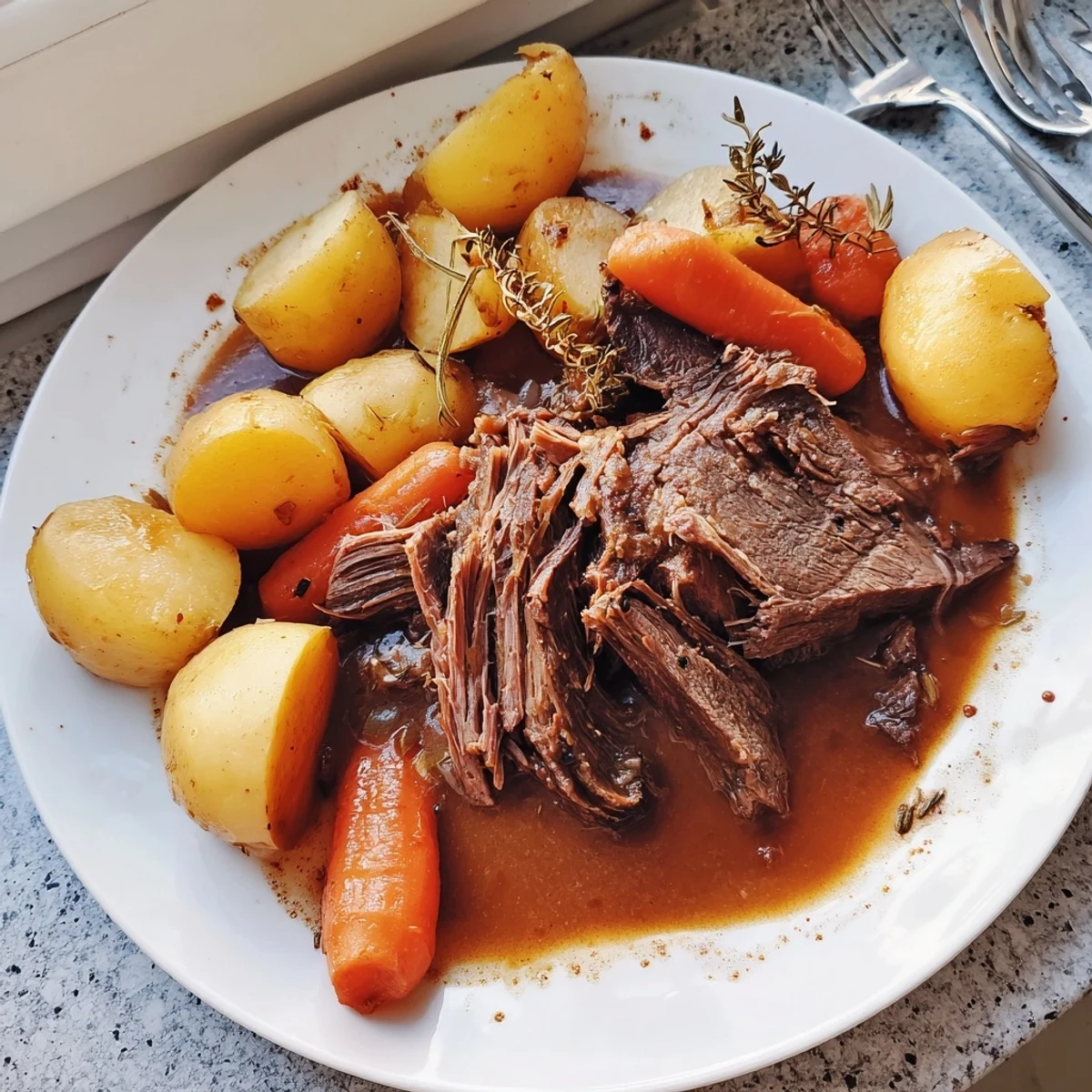
After roughly three hours at 325°F, the beef becomes fork-tender and the vegetables soak up all the delicious pan juices. Serve the sliced or shredded roast alongside the vegetables, spooning the aromatic sauce over everything for a deeply satisfying family meal.
The rain was hammering against the kitchen window and the dog refused to go outside, which is how I knew it was officially pot roast season. There is something deeply satisfying about the low, rhythmic bubbling of a Dutch oven doing its work while the rest of the house falls into a cozy kind of chaos. This recipe came together one Sunday when I had a massive chuck roast, a bottle of leftover Cabernet, and zero desire to stand at the stove all afternoon. Three hours later the whole house smelled like my grandmothers kitchen and I understood why this dish has never gone out of style.
I made this for my neighbor Dave after he spent an entire weekend fixing our fence in the cold. He showed up at the door with his tool belt still on, took one bite, and sat down in silence for a solid ten minutes. That is the highest compliment a pot roast can receive.
Ingredients
- Beef chuck roast (3 to 4 lbs): Chuck is the undisputed king of pot roasts because its marbling breaks down over hours into pure tenderness and flavor.
- Carrots (3 large, peeled and cut into 2 inch pieces): They turn buttery soft and sweet, practically candy by the time the roast is done.
- Yukon gold potatoes (4 medium, quartered): These hold their shape better than russets while still getting creamy inside.
- Celery (2 stalks, cut into 2 inch pieces): Celery quietly deepens the savory backbone of the broth without drawing attention to itself.
- Yellow onion (1 large, sliced): The onion melts into the braising liquid and becomes part of the sauce itself.
- Garlic (4 cloves, smashed): Smashed rather than minced so the flavor infuses gently without turning bitter.
- Beef broth (2 cups, gluten free if needed): This is the foundation of your braising liquid so use a brand you actually enjoy the taste of on its own.
- Dry red wine (1 cup, optional): A Cabernet or Merlot adds incredible depth but you can swap in more broth if you prefer to skip the alcohol.
- Tomato paste (2 tablespoons): A small amount builds umami and helps the sauce develop a beautiful deep color.
- Kosher salt (2 teaspoons) and black pepper (1 teaspoon): Season generously on all sides of the roast before searing for the best crust.
- Dried thyme (1 teaspoon) and dried rosemary (1 teaspoon): These classic herbs pair perfectly with beef and hold up well during long cooking.
- Bay leaves (2): Always remove them before serving but never skip them because they add a subtle earthy fragrance you will miss if forgotten.
- Olive oil (2 tablespoons): Just enough to get a proper sear on the meat without burning.
Instructions
- Preheat and prepare:
- Set your oven to 325 degrees Fahrenheit and pat the chuck roast completely dry with paper towels then season every surface generously with salt and pepper. A dry surface is the single most important factor in getting a real crust.
- Sear the roast:
- Heat olive oil in a large Dutch oven over medium high heat until it shimmers and lay the roast in without moving it for three to four minutes per side until deeply browned. Listen for that aggressive sizzle because that sound means flavor is happening.
- Build the vegetable base:
- Remove the roast and set it aside then add onions, carrots, and celery to the same pot. Sauté for five minutes until slightly softened then stir in the garlic and tomato paste for one more minute until fragrant.
- Deglaze with wine:
- Pour in the red wine and scrape up every browned bit stuck to the bottom of the pot because those bits are concentrated flavor. Let the wine reduce by half which should take about two to three minutes.
- Assemble and braise:
- Nestle the roast back into the pot and tuck the potatoes, thyme, rosemary, and bay leaves around it. Pour the beef broth in until it reaches halfway up the sides of the meat, bring it to a simmer on the stovetop, then cover and slide it into the oven.
- Cook low and slow:
- Bake for two and a half to three hours, checking near the end by inserting a fork into the thickest part of the roast. It should slide in and pull out with zero resistance when it is perfectly done.
- Rest and serve:
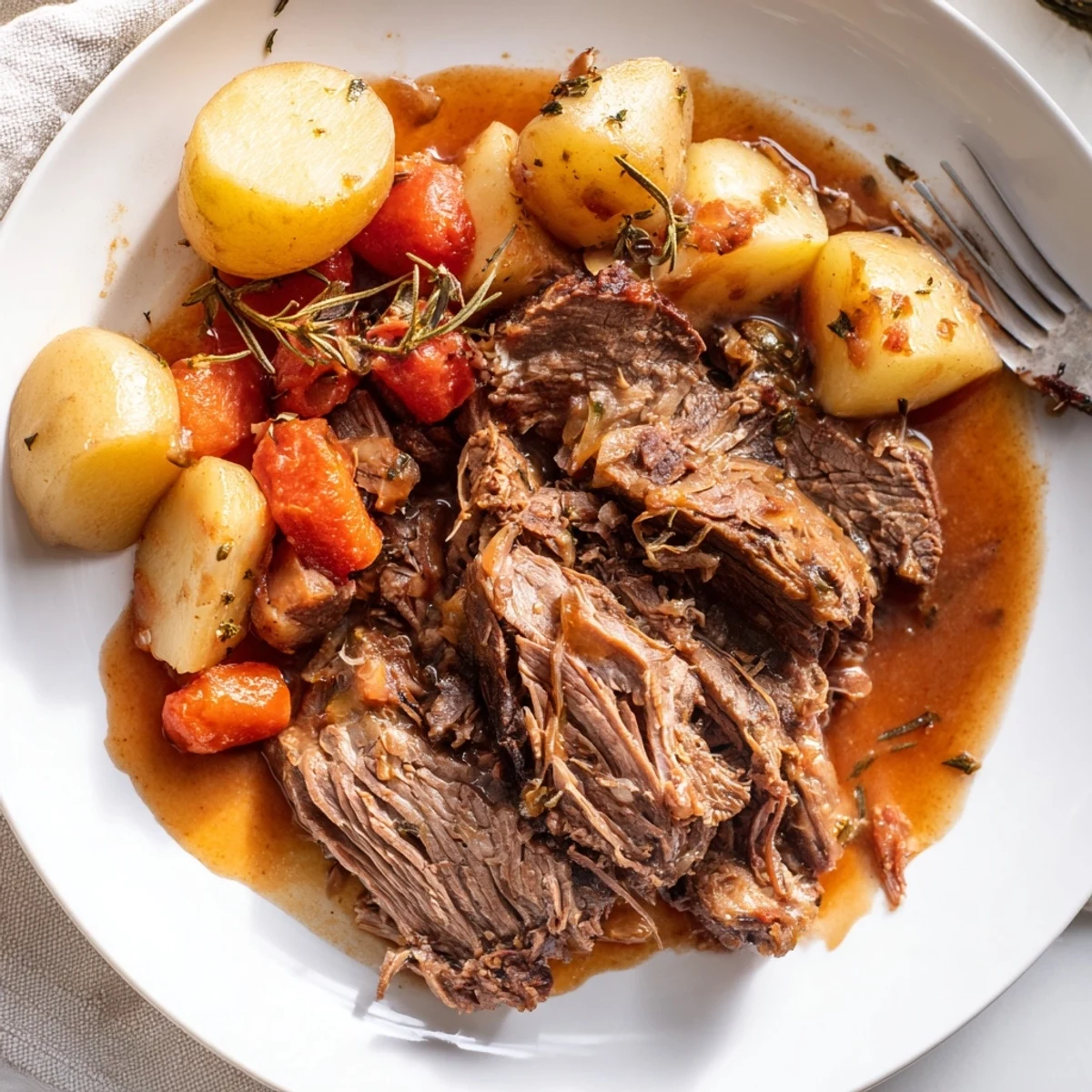
- Transfer the roast and vegetables to a platter, discard the bay leaves, and skim any excess fat from the surface of the pan juices. Slice or shred the beef and ladle everything generously with sauce.
 Save
Save The best pot roast I ever made was the one I almost ruined by forgetting to set a timer. I pulled it out thirty minutes late and panicked, but it turned out to be the most tender batch yet.
Picking the Right Cut
Not all roasts are created equal and the meat counter can be confusing if you do not know what to ask for. Chuck is your best bet because it has the right balance of fat and connective tissue that melts during a low braise. Round roasts look appealingly lean but they dry out and turn stringy, which no amount of sauce can fully rescue. Arm roast works in a pinch and blade roast is a close cousin to chuck with similar results.
Making the Sauce Your Own
The pan juices left after braising are liquid gold and you can serve them as-is or build them into something even more luxurious. If you want a thicker gravy, set the pot on the stove over medium heat and whisk in a slurry of one tablespoon cornstarch mixed with two tablespoons cold water. Let it bubble for a few minutes until it coats the back of a spoon. Adding a handful of sliced mushrooms or parsnips during the last hour of cooking gives the sauce an earthy sweetness that pairs beautifully with the beef.
Serving and Storing Like a Pro
Pot roast is one of those rare dishes that honestly tastes better the next day after the flavors have had time to mingle and settle. Store the meat and vegetables in the braising liquid so nothing dries out and gently reheat on the stove over low heat. It freezes beautifully for up to three months which makes it worth cooking the full batch even if you are only feeding two people.
- Always let the roast rest for at least ten minutes before slicing so the juices redistribute through the meat instead of pooling on your cutting board.
- A bold red wine like Cabernet Sauvignon alongside the meal ties everything together beautifully.
- Check labels on beef broth and tomato paste if you are cooking for someone with gluten sensitivity because hidden gluten shows up in unexpected places.
 Save
Save Some meals feed the body and some feed the people gathered around the table, and a good pot roast somehow manages to do both at once. Keep this one in your back pocket for the next rainy Sunday that catches you off guard.
Common Recipe Questions
- → What cut of beef works best for pot roast?
-
Beef chuck roast is ideal because its generous marbling and connective tissue break down during slow cooking, resulting in tender, flavorful meat. Other good options include brisket, round roast, or blade roast.
- → Can I make pot roast without red wine?
-
Absolutely. Simply replace the wine with an equal amount of additional beef broth. The acidity from the tomato paste will still provide depth of flavor. For a non-alcoholic alternative with body, try adding a splash of balsamic vinegar or pomegranate juice.
- → Why is my pot roast tough instead of tender?
-
Tough pot roast usually means it hasn't cooked long enough. The collagen in chuck roast needs extended time at low temperature to break down. Make sure you're cooking at 325°F or lower for at least 2.5 to 3 hours. The meat should easily shred with a fork when done.
- → Should vegetables go under or around the roast?
-
Place the aromatics like onions, carrots, and celery on the bottom of the pot to create a natural rack for the meat. This prevents sticking and allows the vegetables to release their flavors into the braising liquid. Add the potatoes around the sides so they cook evenly without turning mushy.
- → How do I thicken the pan juices into gravy?
-
After removing the roast and vegetables, set the pot on the stove over medium heat. Whisk together one tablespoon of cornstarch with two tablespoons of cold water, then stir this slurry into the simmering juices. Cook for a few minutes until the sauce reaches your desired consistency.
- → Can I prepare pot roast in a slow cooker instead of the oven?
-
Yes. After searing the roast on the stovetop, transfer everything to a slow cooker. Cook on low for 8 to 10 hours or on high for 5 to 6 hours. The stovetop searing step is still important for developing that deep, caramelized flavor.