
 Save
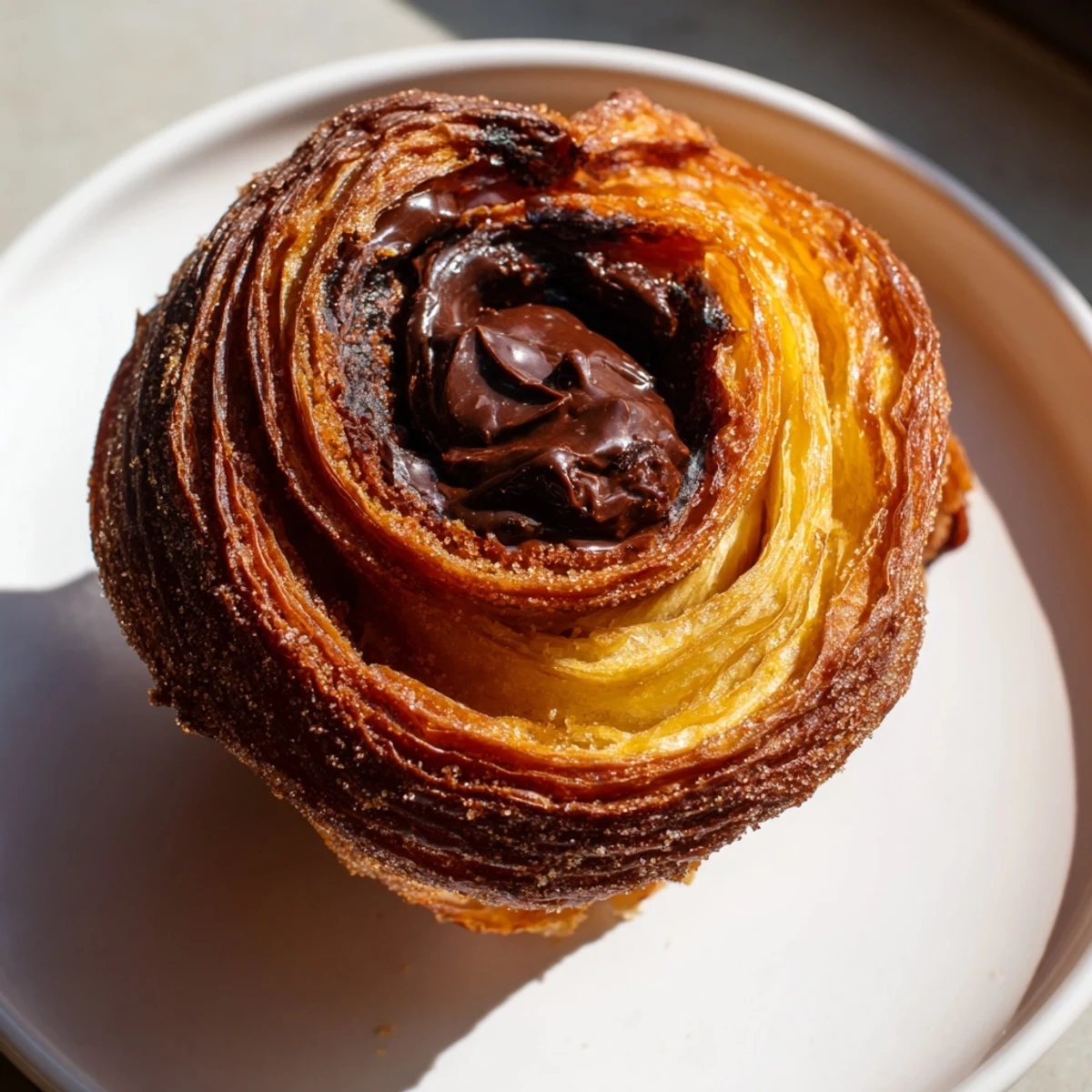
Save Cruffins combine the flaky, laminated layers of a croissant with the charming shape of a muffin. The dough is folded with butter three times to create dozens of delicate, airy layers that shatter beautifully when you bite into them.
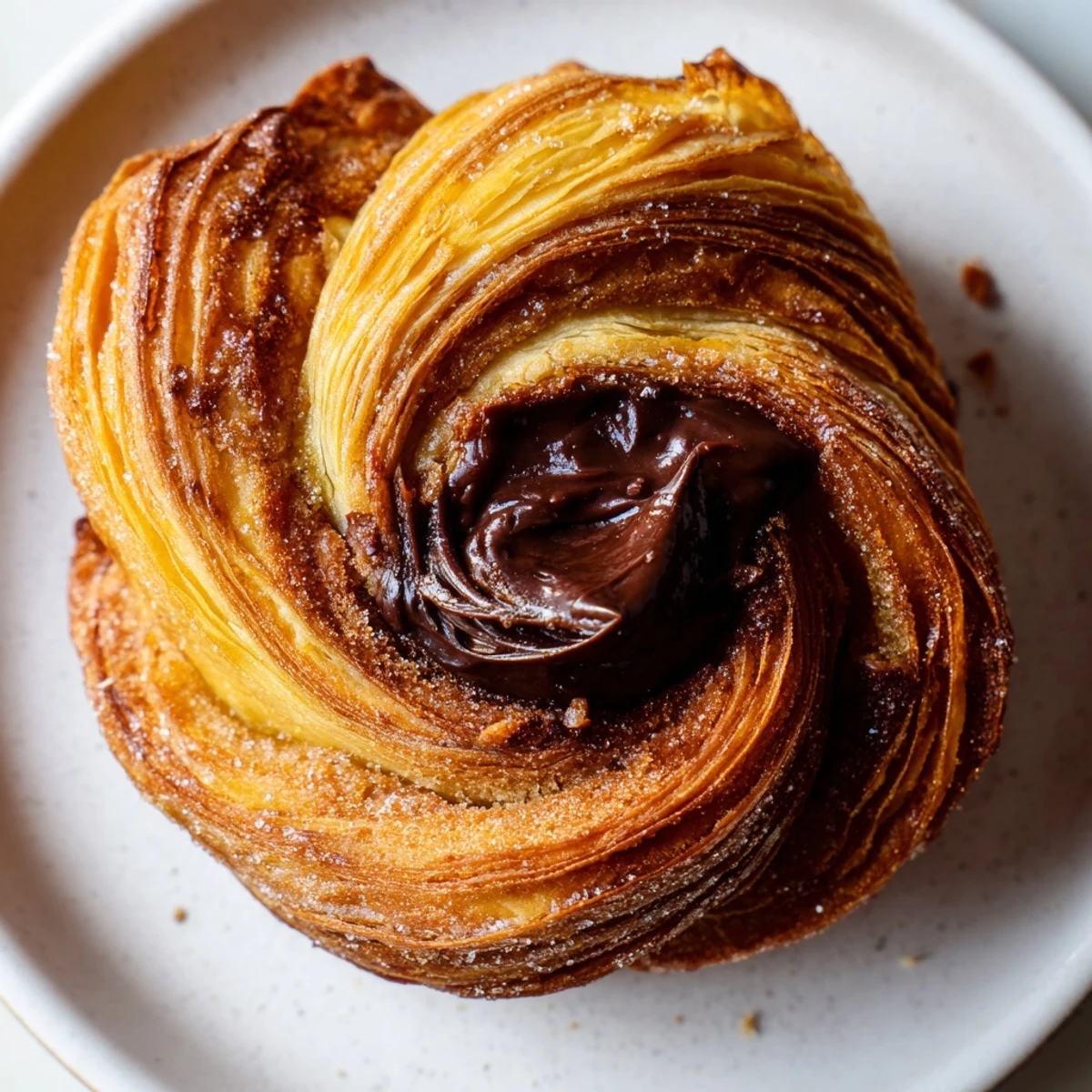
After rolling and cutting the laminated dough into strips, each piece is twisted into a spiral and nestled into a muffin tin to rise and bake into a deep golden crown. While they're magnificent plain, cruffins truly shine when filled or rolled in cinnamon sugar, or piped full of chocolate spread, lemon curd, or pastry cream.
Plan ahead for the resting and chilling steps — they're essential for building those signature flaky layers. Serve warm on the day they're baked for the best texture.
The kitchen smelled like a French bakery had collided with a county fair, and honestly, that is the best way I can describe the afternoon I first attempted cruffins. Flour dusted every surface, butter slid across my counter like it had plans to escape, and somewhere in the chaos, I realized I had fallen in love with a pastry. These flaky, buttery spirals are worth every single fold and chill.
My sister walked in right as I pulled the first batch from the oven, and she stood frozen in the doorway staring at the golden spirals like I had performed magic. We ate three each standing at the counter, burning our fingers and not caring even a little.
Ingredients
- 500 g all purpose flour: Regular flour works perfectly here, and you do not need anything fancy to get that tender crumb.
- 60 g granulated sugar: Just enough sweetness in the dough without competing with your fillings and toppings.
- 10 g instant dry yeast: Instant yeast saves you a step because it mixes straight in without proofing.
- 10 g fine sea salt: Salt is non negotiable here, as it balances the butter and makes every flavor sharper.
- 250 ml warm milk: Think baby bottle warm, not hot, because scalding milk will kill your yeast instantly.
- 1 large egg: Adds richness and helps bind everything together into a silky dough.
- 50 g unsalted butter, softened: This goes into the dough itself, keeping it tender and easy to knead.
- 200 g unsalted butter for the layer: Use the best butter you can find, because this is the heart of every flaky layer.
- Cinnamon sugar, chocolate spread, jam, lemon curd, or pastry cream: Pick your favorites or mix and match, because these are what make each cruffin unique.
Instructions
- Bring the dough together:
- Combine flour, sugar, yeast, and salt in a large bowl, then pour in the warm milk mixed with the egg. Add the softened butter and knead for about 8 to 10 minutes until the dough feels smooth and slightly tacky under your palms.
- Build the butter slab:
- Roll your room temperature butter between sheets of parchment into a neat rectangle about 20 by 25 cm, then pop it in the fridge until it is firm but still bends without cracking.
- Laminate with patience:
- Roll the risen dough out large, lay the butter slab over half, and fold it closed like a book. Roll flat and fold into thirds like a letter, then chill for 20 minutes before repeating this roll and fold twice more.
- Cut and fill the strips:
- Roll the laminated dough into a large rectangle, trim the edges clean, and cut it into 12 even strips. Spread each strip with a thin layer of chocolate, jam, or whatever filling makes your heart happy.
- Shape into cruffins:
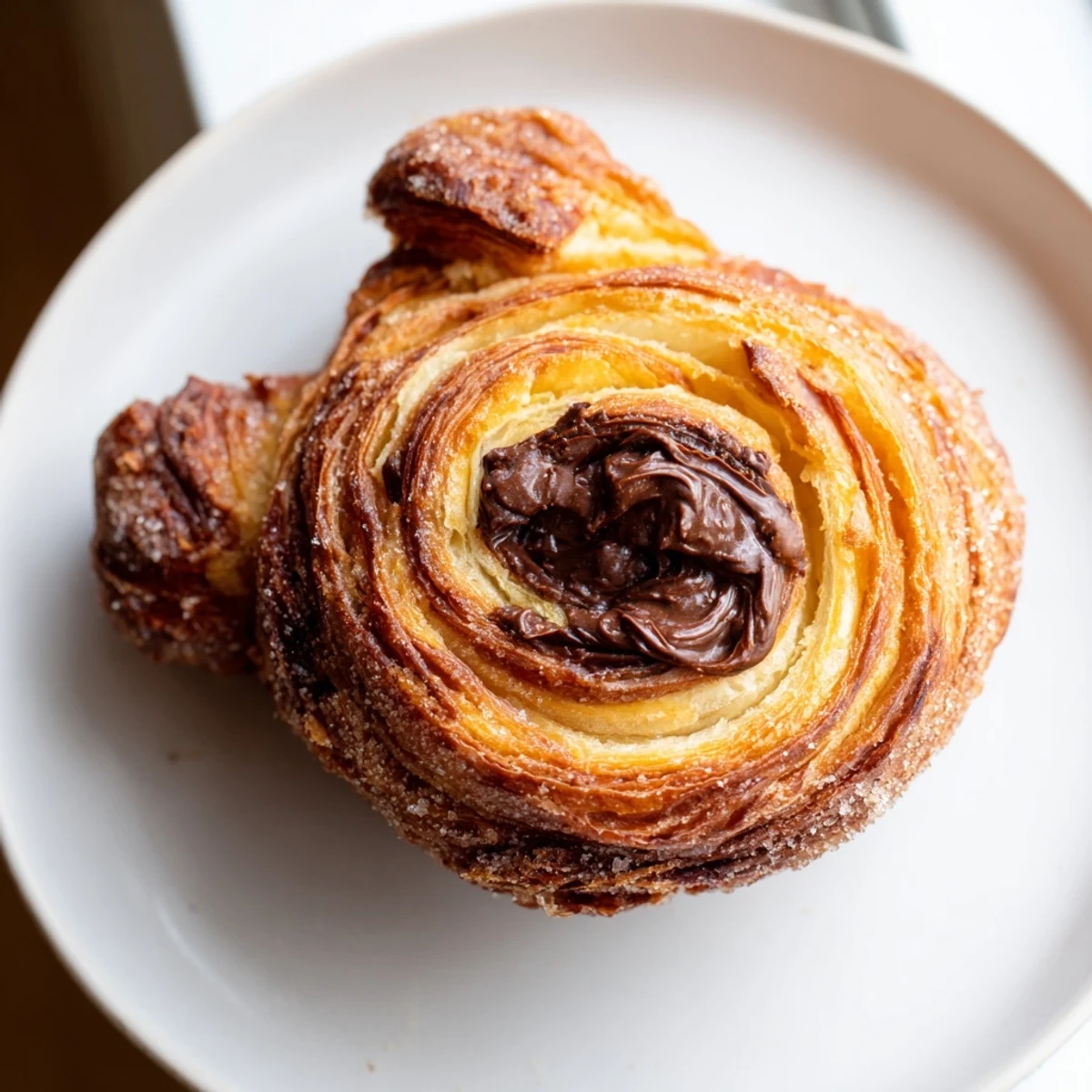
- Roll each strip tightly into a spiral, slice it lengthwise down the middle to expose those gorgeous layers, then twist each half into a loose knot and tuck it cut side up into a greased muffin tin cavity.
- Let them puff up:
- Cover the tin loosely and let the shaped cruffins rise for 45 to 60 minutes until they look swollen and soft, like they are ready to burst into something beautiful.
- Bake to golden perfection:
- Preheat your oven to 200 degrees Celsius and bake for 20 to 25 minutes until the tops are a deep, burnished gold that makes your whole kitchen smell incredible.
- Finish while warm:
- Brush the hot cruffins with melted butter and roll them in cinnamon sugar if you like, then cool them on a rack just long enough so you do not burn your tongue.
 Save
Save I brought a tray of these to a friend's brunch once, and by the time coffee was poured, only crumbs and cinnamon sugar dust remained on the plate. Nobody even asked for the recipe until weeks later because they were too busy eating.
Getting the Laminate Right Every Time
The single biggest factor in achieving those dramatic, sky high flaky layers is temperature control. Think of butter and dough as two separate personalities that need to move at the same speed. If the butter is colder than the dough, it will tear through. If it is warmer, it melts into the dough and vanishes entirely.
Filling Ideas Worth Trying
Pistachio paste paired with a light dusting of powdered sugar feels sophisticated and bakery worthy. Raspberry jam brightens everything with a tart pop that cuts through the richness beautifully. Caramel or dulce de leche makes them decadent enough to serve as a proper dessert rather than just a morning treat.
Tools and Troubleshooting
A stand mixer with a dough hook saves your arms during the initial kneading, but your hands work too. The muffin tin is essential because it gives the cruffins their signature shape and helps them climb upward instead of spreading flat.
- If the dough springs back stubbornly when you roll, let it rest for 10 minutes and try again.
- A pizza cutter makes cleaner strips than a knife, especially through delicate laminated dough.
- Always grease the muffin tin generously because sugar fillings love to stick and caramelize onto the pan.
 Save
Save Once you master the basic lamination, you will find yourself dreaming up new flavor combinations at odd hours of the night. That is perfectly normal, and honestly, it means you have officially crossed over into pastry obsession territory.
Common Recipe Questions
- → Why does the butter need to be cold but pliable during lamination?
-
Cold but pliable butter spreads evenly across the dough without melting into it. If the butter is too warm, it will seep into the dough layers and you'll lose those distinct flaky sheets. If it's too cold, it will crack and tear the dough during rolling. Aim for the consistency of firm clay — bendable without breaking.
- → Can I prepare the dough the night before baking?
-
Yes, you can refrigerate the shaped cruffins after their final proof for an overnight cold retard. Cover them loosely with plastic wrap and bake them straight from the fridge the next morning, adding 2–3 extra minutes to the baking time. This slow cold rise actually deepens the flavor.
- → What is the best way to fill cruffins with cream or jam?
-
Use a piping bag fitted with a long, narrow nozzle (a Bismarck tip works perfectly). Insert the tip deep into the center of the cruffin from the top and squeeze gently until you feel the pastry expand slightly. Two or three insertion points will distribute the filling more evenly throughout.
- → Why did my cruffins turn out dense instead of flaky?
-
Dense cruffins usually result from one of three issues: the butter melted during lamination, the dough wasn't rested long enough between folds, or the yeast was no longer active. Keep your work surface cool, chill the dough for the full 20 minutes between each fold, and always check that your yeast foams when mixed with warm milk.
- → Can I freeze baked cruffins for later?
-
Baked cruffins freeze well for up to one month when wrapped tightly in foil and placed in an airtight bag. Thaw them at room temperature, then refresh in a 170°C (340°F) oven for 5–7 minutes to re-crisp the exterior layers. Add fillings after reheating for the freshest result.
- → What type of butter works best for the lamination layer?
-
Use high-quality unsalted butter with a fat content of at least 82%. European-style butters are ideal because their lower water content creates cleaner, more defined layers. Avoid margarine or spreadable butters — their high water content will create steam pockets that ruin the lamination.