
 Save
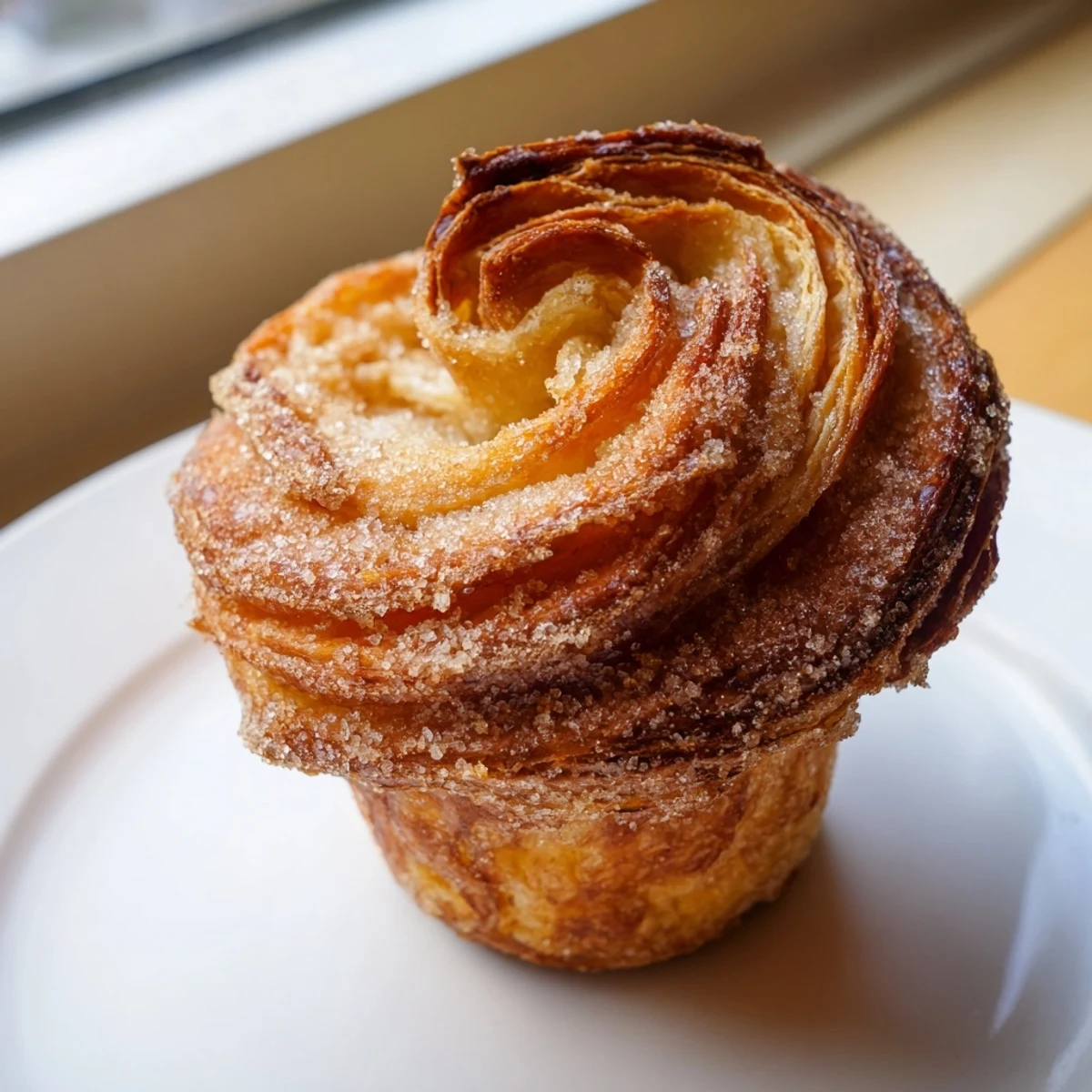
Save Cruffins bring together the best of two beloved pastries: the shatteringly flaky, buttery layers of a croissant baked into the convenient shape of a muffin.
The dough is enriched with milk and butter, then laminated with an additional butter layer through folding and resting. After chilling, the dough is sliced into strips, rolled up, split to expose the layers, and coiled into muffin tin cavities.
A final rise ensures a light, airy crumb before baking to deep golden perfection. An optional cinnamon-sugar coating adds warmth and sweetness, though these pastries are equally delightful plain or filled with jam or chocolate.
Plan ahead for resting and chilling time, but the hands-on effort is straightforward and deeply rewarding.
The radiator in my Brooklyn apartment was clanking so loudly that Sunday morning that giving up on sleep felt like the only reasonable choice, so I stood in the kitchen at six a.m. with flour dusted across the counter and a strange ambition to fold butter into dough until it became something unrecognizable. Cruffins were a word I had only seen on a bakery chalkboard weeks earlier, and the shape of them, spiraled and golden and tumbling out of a muffin tin, had lodged itself somewhere stubborn in my mind. I did not have a recipe so much as a feeling about what should happen. The result was messy, lopsided, and completely irresistible.
I brought a tin of these to a friend who had just moved into a new apartment and was living out of boxes with nothing but a coffee maker and a single fork. She ate two standing up in the empty living room and told me the spirals reminded her of cinnamon rolls from a road trip she took as a kid, and that small connection between pastry and memory was worth every hour of folding and chilling.
Ingredients
- 375 g all purpose flour: The backbone of the dough, and you want the plain stuff here rather than bread flour so the crumb stays tender rather than chewy.
- 7 g instant yeast: One standard packet does the job, and instant means you can skip the blooming step and mix it straight in.
- 40 g granulated sugar: Just enough sweetness to support the butter without tipping this into dessert territory before the cinnamon sugar coating.
- 8 g salt: Do not be tempted to reduce this because the salt is what makes the butter taste like butter instead of just fat.
- 180 ml lukewarm water: Think baby bath temperature, warm to your finger but not hot, because scalding water will kill the yeast before it even starts.
- 70 ml whole milk (lukewarm): The milk adds richness and a slight softness to the crumb that water alone cannot achieve.
- 30 g unsalted butter, melted: This goes into the dough itself to enrich it, separate from the butter you will laminate with later.
- 150 g unsalted butter, room temperature: This is your lamination butter and it needs to be pliable but not melted, about the texture of firm clay when you press it.
- 60 g granulated sugar (optional topping): For rolling the warm cruffins and creating that sweet crunch on the exterior.
- 1 tsp ground cinnamon (optional topping): Mixed into the sugar it gives a warm spice note that makes these impossible to put down.
Instructions
- Build the dough:
- In a large mixing bowl, combine the flour, yeast, sugar, and salt, then pour in the lukewarm water, milk, and melted butter, stirring until a shaggy dough forms and pulls away from the sides of the bowl.
- Knead until proud:
- Turn the dough onto a lightly floured surface and knead for five to seven minutes until it feels smooth and springs back gently when you press it with your fingertip, then cover it and let it rise in a warm spot for one hour until doubled.
- Prepare the butter slab:
- Place the room temperature butter between two sheets of parchment paper and beat it with a rolling pin into a rectangle about fifteen by twenty centimeters, then chill it just until it is firm but still bendable.
- First fold:
- Roll the risen dough out on a floured surface into a large rectangle roughly thirty by fifty centimeters, lay the butter slab across it, and fold the dough over it in thirds like a letter, pressing gently to seal.
- Second fold and chill:
- Rotate the dough ninety degrees, roll it back out to the same size, fold into thirds once more, wrap it loosely, and refrigerate for one hour so the butter firms up and the gluten relaxes.
- Cut into strips:
- Roll the chilled dough out again to roughly thirty by fifty centimeters and use a sharp knife or dough scraper to cut it into twelve even strips lengthwise, keeping them as uniform as you can manage.
- Shape the spirals:
- Take one strip at a time, stretch it gently if it has shrunk, roll it up tightly from one end, then slice it straight down the middle through the center to expose all those beautiful layers inside.
- Coil into the tin:
- Twist each half into a loose spiral and coil it into a greased muffin cup with the cut layers facing outward so they fan open dramatically as they bake, then repeat with the remaining strips.
- Final rest:
- Cover the filled tin loosely with a towel and let the cruffins rest at room temperature for forty five minutes to one hour until they look puffy and have risen visibly above the rims of the cups.
- Bake to gold:
- Preheat your oven to two hundred degrees Celsius and bake for eighteen to twenty two minutes until the tops are deeply golden and the layers have pulled apart slightly, rotating the tin halfway through if your oven has hot spots.
- Finish with flair:
- Let them cool in the tin for just a few minutes so they set enough to handle, then roll each warm cruffin in cinnamon sugar if using, pressing gently so the coating adheres to every flaky surface.
 Save
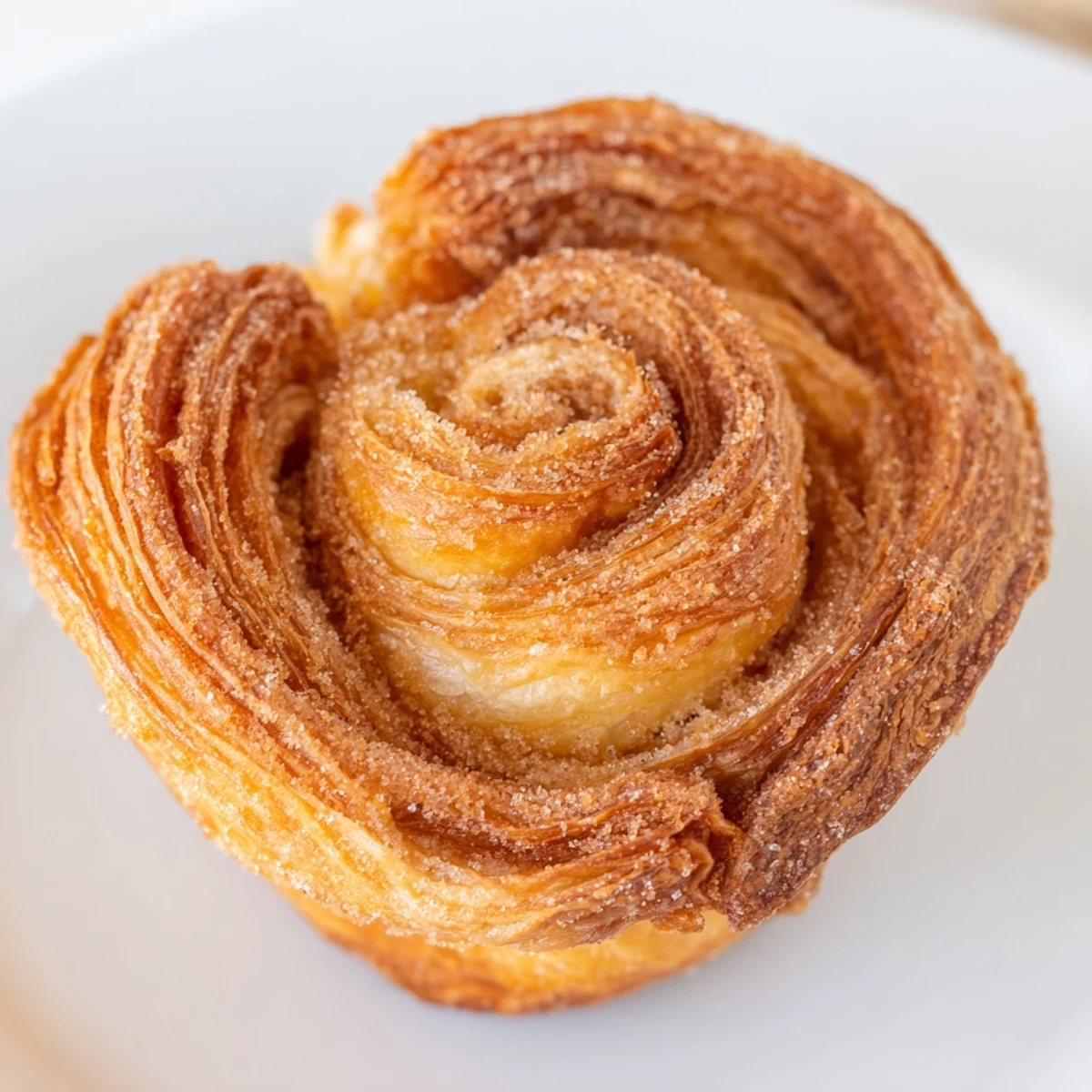
Save There is a specific kind of quiet that happens when a tray of warm pastry lands on a counter and nobody speaks for a full minute because everyone is too busy chewing, and that silence is the highest compliment a baker can receive.
Getting Ahead Without Losing Your Mind
You can prepare the dough through the folding and chilling stage, then wrap it tightly and refrigerate it overnight before shaping the next morning, which turns a three hour project into something far more manageable for a weekend breakfast. The shaped cruffins can also rest in the refrigerator overnight and then simply need thirty minutes at room temperature before baking. I have done both and honestly the overnight dough develops a slightly deeper flavor that makes the planning feel completely worthwhile.
When Things Go Sideways
My first batch looked more like mushroom caps than elegant spirals because I rushed the chilling step and the butter oozed out everywhere, but they still tasted incredible and disappeared in under ten minutes. The most common pitfall is dough that is either too warm or too cold, and the fix is almost always patience rather than technique. If your cruffins tear while you are shaping them, just press the dough back together and keep going because the layers will still separate in the oven. Ugly cruffins are still cruffins, and nobody has ever complained about an imperfect pastry that is warm and buttery.
Making Them Your Own
Once you are comfortable with the basic technique, these become a canvas for whatever flavors you are craving, and I have tried versions that ranged from simple to elaborate with equally happy results. A thin spread of raspberry jam across the dough before rolling creates pockets of tart fruit that burst when you bite in. Melted dark chocolate brushed onto the strips turns each cruffin into something dangerously close to a pain au chocolat. You can even skip the cinnamon sugar and brush the warm tops with a glaze made from lemon juice and powdered sugar for a brighter finish.
- Savory versions with grated cheese folded into the layers are spectacular alongside soup.
- Cardamom sugar instead of cinnamon gives a Scandinavian warmth that feels right in colder months.
- Always serve them warm because that is when the layers shatter and the butter flavor is at its peak.
 Save
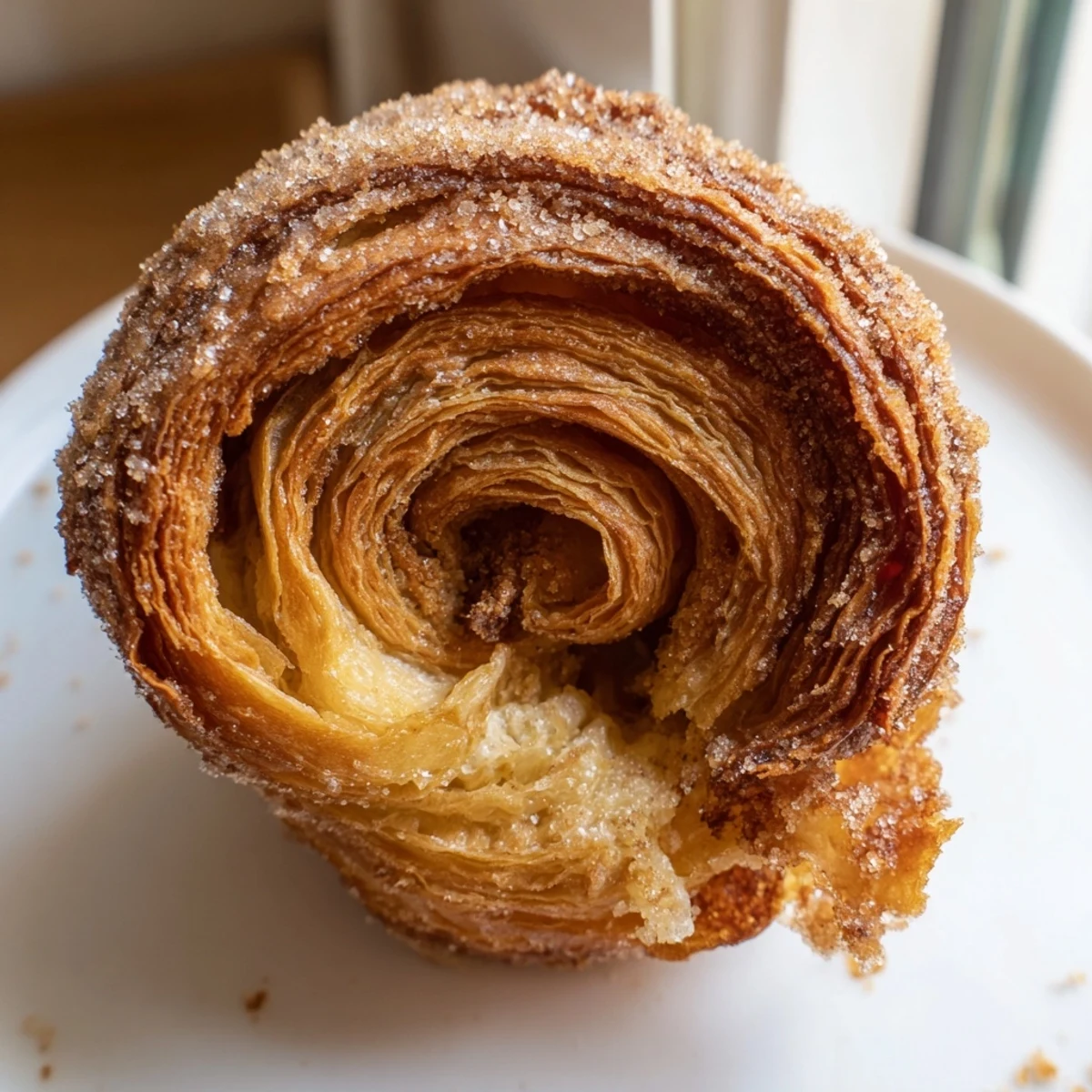
Save Make these once and you will understand why people become obsessed with laminated dough, because pulling apart a warm cruffin and watching the layers separate is one of the great small joys of home baking.
Common Recipe Questions
- → Can I prepare the dough the night before?
-
Yes, you can refrigerate the laminated dough overnight after the folding and chilling step. This actually improves flavor development. Allow the dough to come to room temperature for about 20 minutes before rolling and shaping the cruffins.
- → Why did my cruffins not have visible layers?
-
The most common cause is butter that was too warm during lamination. The butter should be pliable but still cool. If it melts into the dough, the layers merge. Keep the butter layer chilled but not hard, and work quickly when rolling and folding.
- → What can I fill cruffins with?
-
Spread a thin layer of jam, Nutella, lemon curd, or pastry cream on the dough strips before rolling. You can also pipe fillings into the baked cruffins from the top. Avoid overfilling, as wet fillings can inhibit the dough from rising properly.
- → How do I store leftover cruffins?
-
Store cruffins in an airtight container at room temperature for up to 2 days. They are best enjoyed fresh. To revive them, warm briefly in a 160°C (325°F) oven for 5 minutes to re-crisp the exterior layers.
- → Can I freeze shaped cruffins before baking?
-
Yes, after shaping and placing in the muffin tin, freeze until solid, then transfer to a freezer bag. Bake from frozen, adding about 5 to 8 extra minutes to the baking time. Allow them to thaw and rise at room temperature for about 2 hours before baking for best results.
- → Why do I need to rest the dough between folds?
-
Resting allows the gluten to relax, making the dough easier to roll without springing back. It also keeps the butter cold and distinct from the dough layers, which is essential for achieving those signature flaky, separated layers during baking.